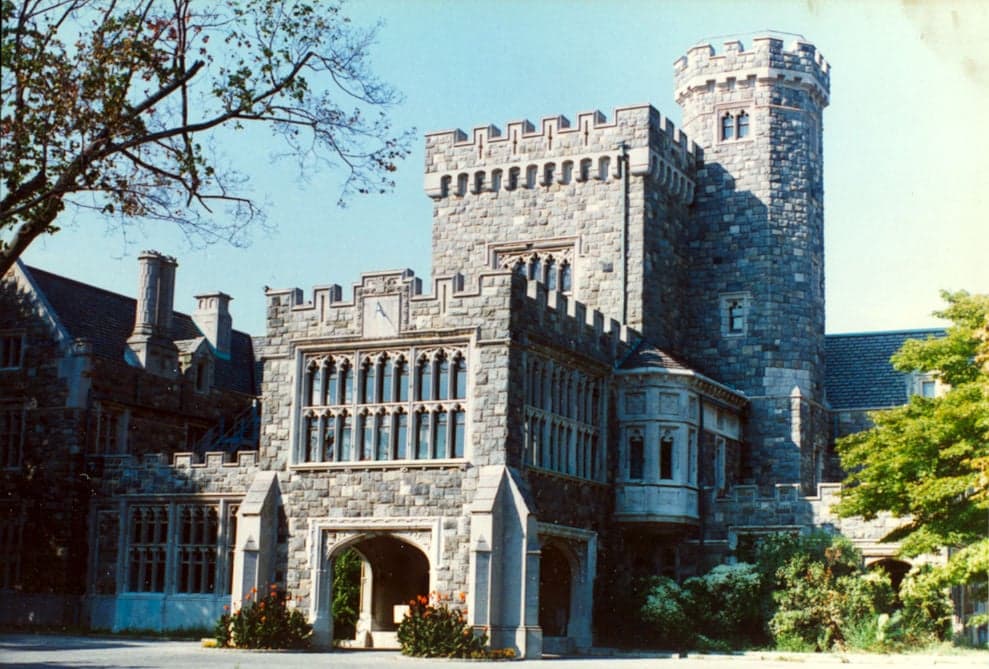
Photo: Wikipedia
Find The Best Places To Live in Nassau County
PRO TIP! You can paste a Zillow or Redfin link to get info on that property.
Best Places to Live in Nassau County
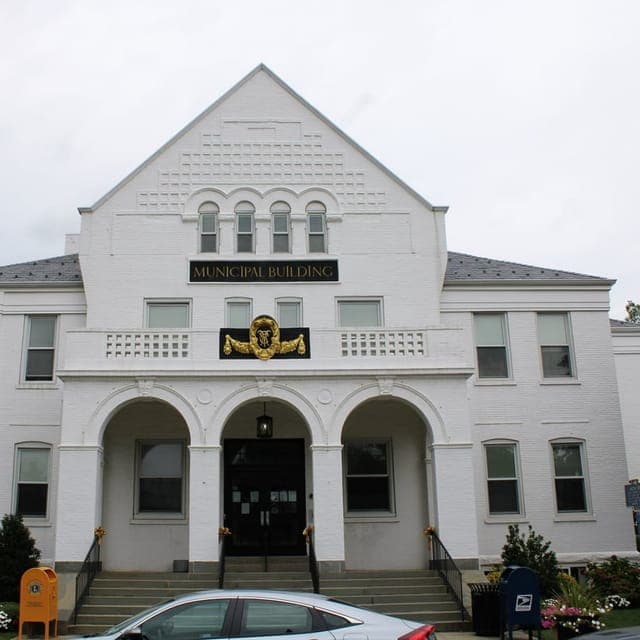
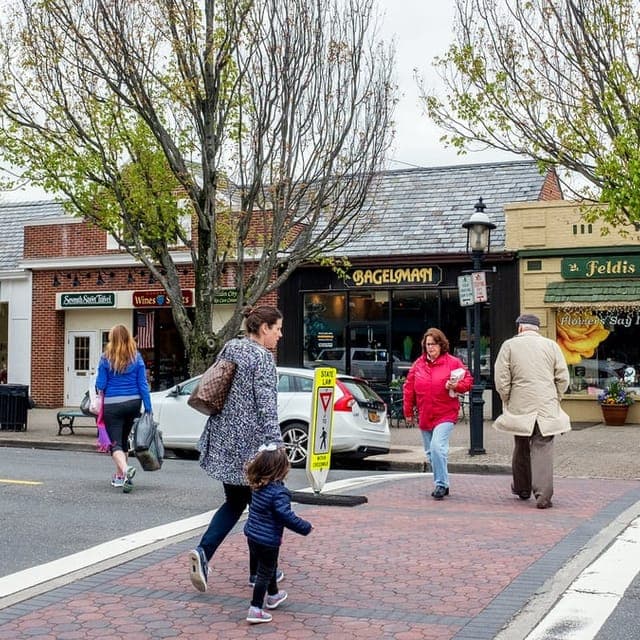
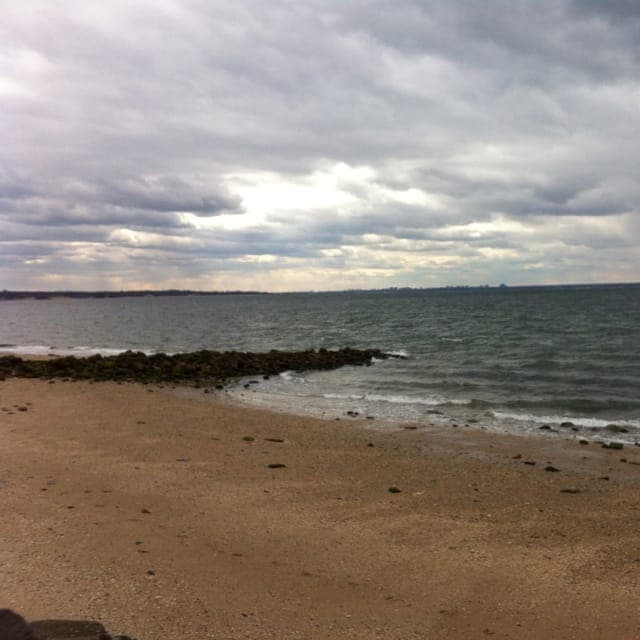
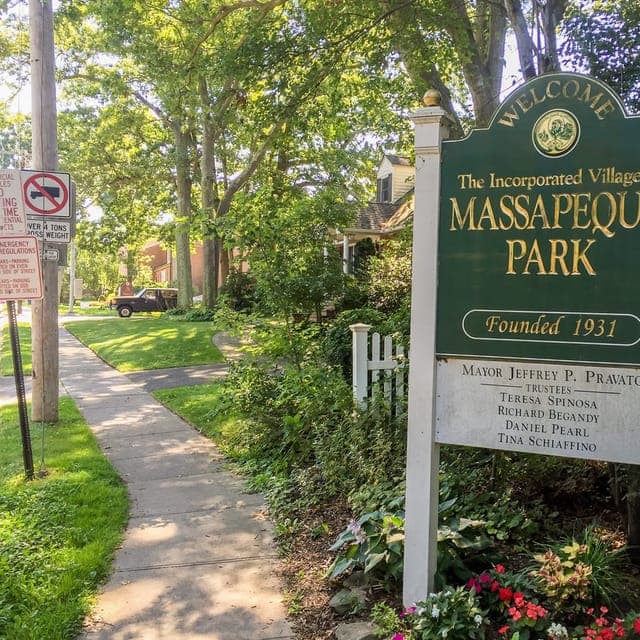
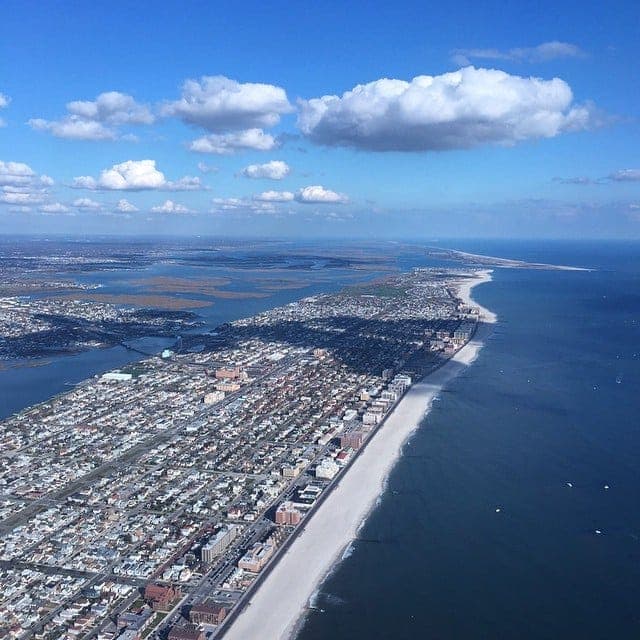
Cities & Towns in Nassau County
Cities in Nassau County
What It's Like Living in Nassau County, NY
Living in Nassau County means you’re trading the nonstop pulse of Manhattan for something that feels a lot more like a real community—leafy streets, good schools, and a pace that lets you breathe, but with the city still close enough to matter. It’s the kind of place where you might grab a bagel at a deli in Garden City on a Saturday morning, catch a high school football game in Massapequa that afternoon, and still make it into the city for a Broadway show that night. For a lot of people, especially those raising families or looking for a quieter career base, Nassau hits a sweet spot between suburban comfort and big-city access.
The Daily Rhythm: Commutes, Schools, and Weekend Rituals
For most residents, the day starts early. The average commute here clocks in at about 36 minutes, and that’s not just a number—it’s the sound of the Long Island Rail Road pulling into Hicksville station or the crawl on the Southern State Parkway toward jobs in Manhattan or the county’s own business hubs. Uniondale and Lake Success are major employment centers, with everything from healthcare systems like Northwell Health to financial services firms. If you’re not commuting to the city, you’re likely working in one of those corridors, and the traffic is real—locals will tell you the LIE is a beast, but it’s a predictable one. The trade-off is that your weekends can feel genuinely spacious. People spend them at the Jones Beach boardwalk, hitting the farmers’ markets in Port Washington, or just hanging at a local park like Eisenhower Park in East Meadow. The schools are a huge part of the social fabric—Nassau’s public districts are consistently top-rated, and Friday-night lights in towns like Wantagh or Farmingdale are a genuine community event, not just a high school thing.
Sports, Entertainment, and the Local Flavor
Sports fandom here is a serious identity marker. The New York Islanders play at UBS Arena in Elmont, and that arena has become a real anchor for the western part of the county—it’s not just hockey, it’s concerts and events that keep people local. High school sports are a bigger deal than in most places; lacrosse and football draw crowds that rival some small college games. Beyond the games, entertainment runs the gamut. You’ve got the NYCB Theatre at Westbury for mid-tier concerts, the Baldwin waterfront for kayaking, and the Oyster Bay waterfront for a quieter afternoon. The restaurant scene is surprisingly deep—Italian delis in Franklin Square, sushi spots in Great Neck, and old-school steakhouses in Manhasset. The cultural quirk? People are fiercely loyal to their specific town’s pizza place or bagel shop, and asking for a recommendation can start a friendly argument. Festivals like the Long Island Fall Festival in Huntington (just over the border) and the Greek Festival in Brookville draw crowds, but the real local tradition is just the rhythm of the seasons—summer at the beach, fall at the pumpkin patch in Old Bethpage, winter at the local holiday light displays.
Who Fits In and the Honest Trade-Offs
Nassau County tends to attract people who are in a certain life stage—families with kids, professionals in their 30s and 40s, and empty-nesters who don’t want to leave the community they’ve built. The median age is 41.8, and the median household income is $143,408, which reflects the high cost of living but also the fact that many households are dual-income professionals. The kind of person who thrives here is someone who values a strong school system, a sense of local identity, and the ability to get to the city without living in it. It’s less for the single person looking for a wild nightlife scene—though Long Beach has a lively bar strip—and more for someone who wants a yard, a good school district, and neighbors who know your name. The cost of living index is 207, meaning it’s more than double the national average, and the median home value is $658,700. That’s the biggest con: housing is expensive, and property taxes are famously high. The violent crime rate is 331.5 per 100,000, which is higher than the national average but varies a lot by town—Glen Cove and Hempstead have different profiles than Jericho or Syosset. The weather is classic Northeast: humid summers, cold winters with occasional nor’easters, and a beautiful but brief spring and fall. What frustrates longtime residents most is the traffic and the taxes, but what they love—the schools, the beaches, the sense that you’re part of something stable—keeps them here. It’s a place that doesn’t try to be flashy, but it works, and for the right person, that’s exactly the point.

* Values derived from national, state, county, city and local statistics and may differ in a specific area. Last updated: 2026-05-12T07:33:07.000Z
Narrative content on this page is AI-generated and may contain mistakes. Verify any details that matter before acting on them.
ReloMaps may earn a commission from affiliate links at no extra cost to you.

