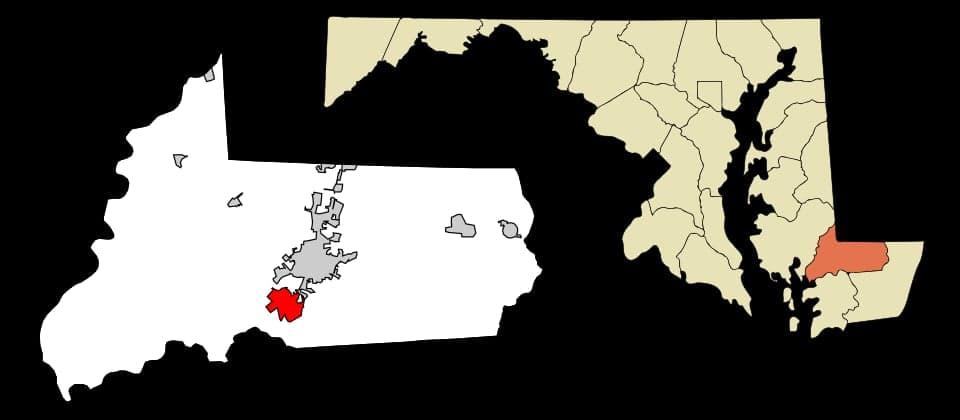
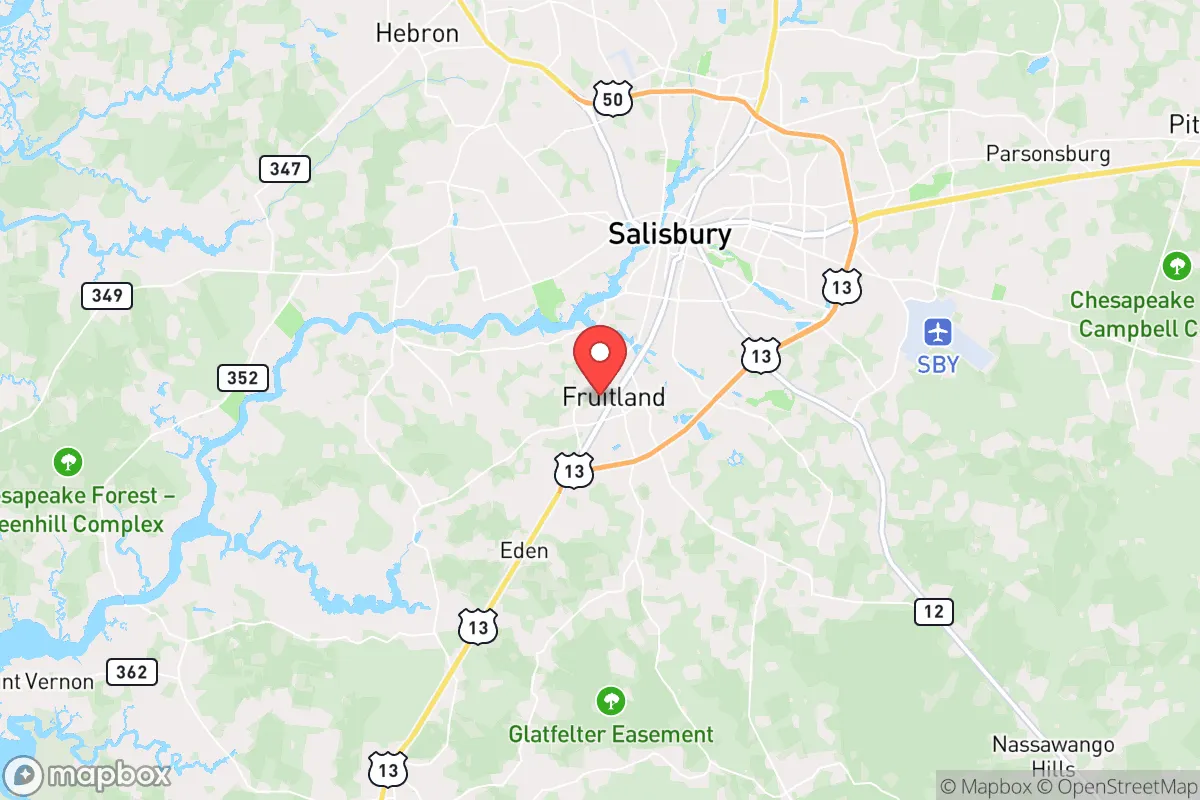
Photo: Wikipedia
Quality of Life in Fruitland, MD
A high quality of life with strong walkability, manageable living costs, healthy neighborhood signals, and solid amenity access.
What does Quality of Life tell us?
Quality of Life blends cost of living, nearby amenities, socioeconomic signals, and neighborhood character. City-level scores represent the whole municipality; individual neighborhoods can differ.
What does this tell us?
Quality of Life blends cost of living, nearby amenities, socioeconomic signals, and neighborhood character. City-level scores represent the whole municipality; individual neighborhoods can differ.
Cost of Living
The Real Cost of Living in Fruitland, MD for 2026
| Tier | Individual | Family (4) |
|---|---|---|
| Survival | $22k | $41k |
| Comfortable | $41k | $60k |
| Luxury | $90k+ | $140k+ |
| Elite (Top 5%) | $106k+ | $165k+ |
107%
The Area Signal
A metric tracking the socioeconomic signals of the area.
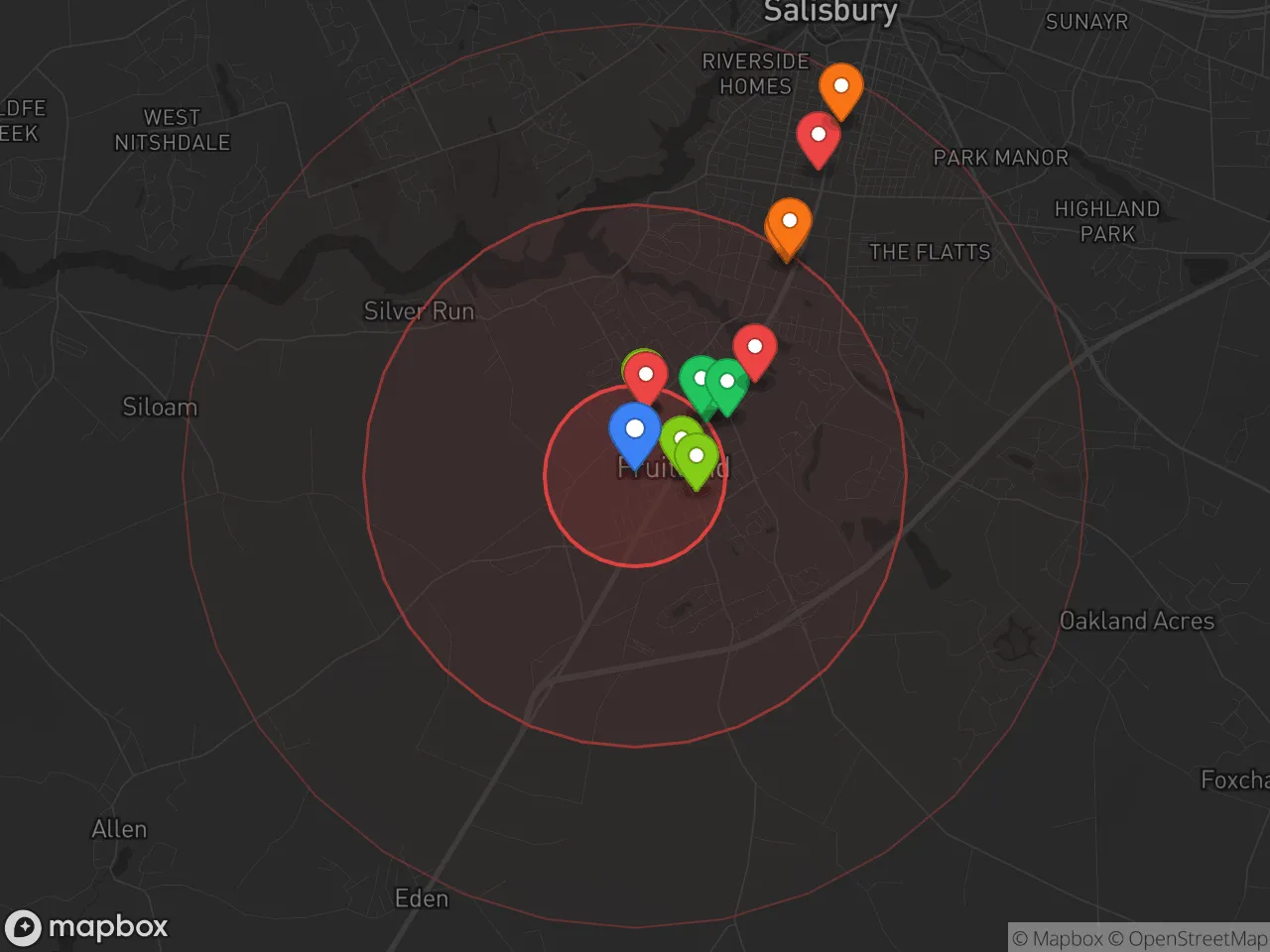
Hobbies
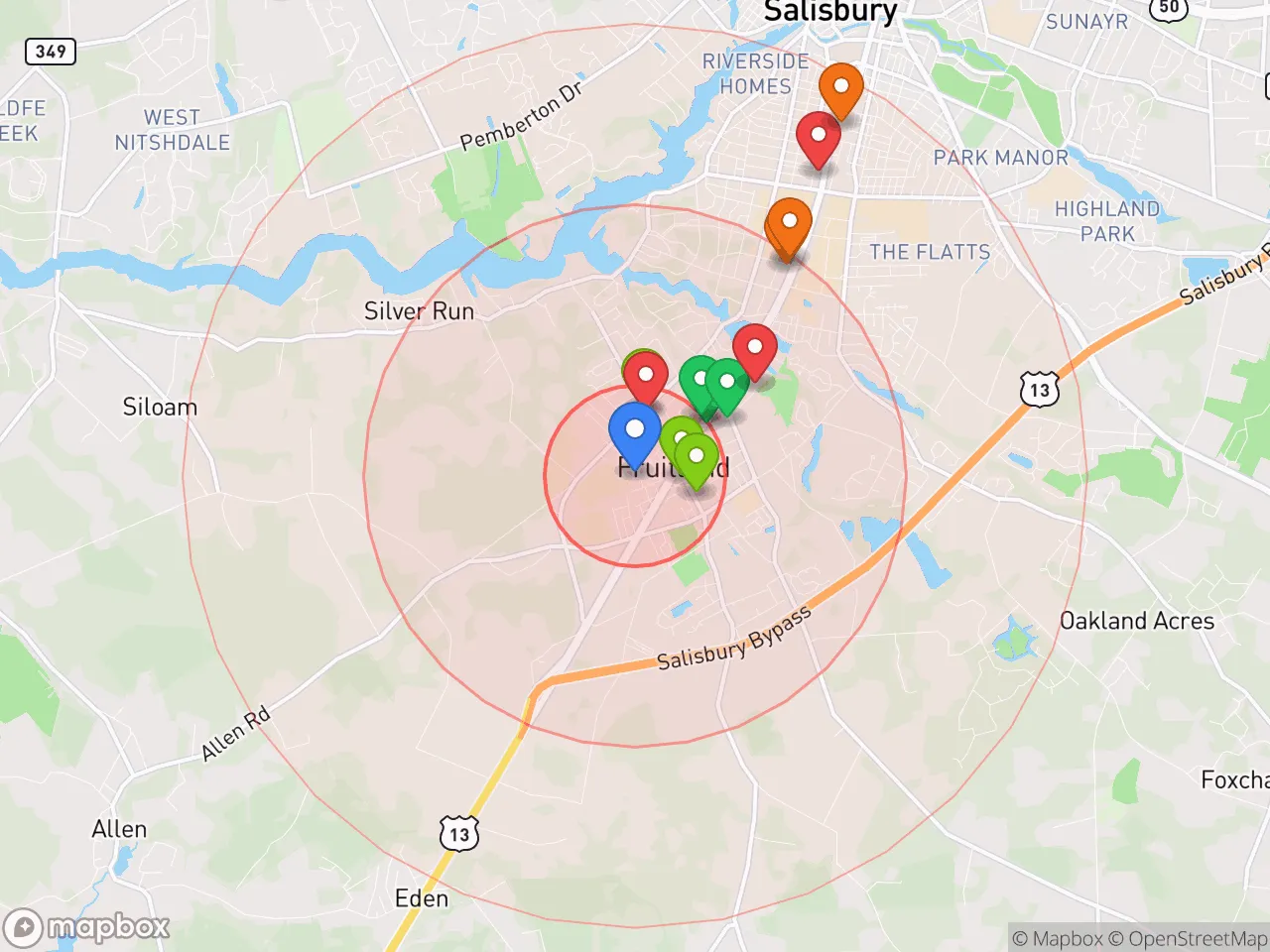
Explore the areaGroceries
6 within 10 miles
Gas
20 within 10 miles
Hospital
3 within 20 miles
Airport
BWI — Baltimore/Washington International Thurgood Marshall
Post Office
USPS — Fruitland, MD
Critical Amenities
Quality-of-Life Analysis
Fruitland, Maryland, presents a middle-market quality of life defined by its cost-of-living alignment with the national average and its role as a practical, family-oriented suburb within the Salisbury metro area. With a cost-of-living index of exactly 100—matching the U.S. baseline—residents enjoy a financial equilibrium that is increasingly rare on the Eastern Shore, attracting a mix of young families, long-term locals, and commuters who work in Salisbury or as far north as the Delaware beaches. The town's demographic profile leans toward middle-income households seeking stable housing and reasonable daily expenses without the premium pricing of coastal resort communities.
Cost of living, housing affordability, and how Fruitland compares to Salisbury and surrounding areas
Fruitland's housing market is a key draw, with a median home value of $211,200—well below the national median of roughly $350,000—and a median rent of $1,354, which is notably lower than the national average of about $1,700. This positions Fruitland as one of the more affordable options in Wicomico County, especially when compared to neighboring Salisbury, where median home values hover around $230,000, and to coastal towns like Ocean City, where values often exceed $400,000. The average commute of 31.5 minutes is slightly longer than the national average of 27 minutes, reflecting the town's role as a bedroom community: many residents drive to jobs in Salisbury (about 10 minutes south) or to employment hubs in Delaware, such as the Dover Air Force Base or the retail corridor along Route 1. Utility costs and grocery prices in Fruitland track closely with national norms, meaning the primary financial advantage lies in housing rather than other expenses. Property taxes in Wicomico County are moderate, at roughly 1.0% of assessed value, which keeps monthly carrying costs manageable for homeowners.
Local amenities, schools, and what daily life is like for families in Fruitland
Daily life in Fruitland revolves around practical, accessible amenities rather than urban density. The town is served by the Wicomico County Public Schools system, with Fruitland Primary School and Fruitland Intermediate School located within town limits, feeding into Bennett Middle School and James M. Bennett High School in Salisbury—schools that generally meet state averages on standardized tests. For shopping and dining, residents rely on the nearby Salisbury retail corridor, which includes the Centre at Salisbury mall, big-box stores, and a range of chain and local restaurants. Outdoor recreation centers on the Fruitland Community Park, which offers sports fields, walking trails, and a playground, while the nearby Pemberton Historical Park provides hiking and kayaking access along the Wicomico River. The town's small downtown core includes a post office, a few local eateries, and a library branch, but most errands require a short drive. The rhythm of life is quiet and suburban, with low traffic outside of commute hours and a strong sense of neighborly familiarity—residents often cite the annual Fruitland Fall Festival and the town's volunteer fire department as community anchors.
Fruitland is best suited for budget-conscious families, first-time homebuyers, and commuters who prioritize affordable housing over urban nightlife or coastal proximity. Retirees on fixed incomes may also find the low housing costs and flat cost-of-living index appealing, though the lack of walkable amenities and the reliance on a car for most errands are trade-offs. Professionals working in Salisbury's healthcare, education, or retail sectors—or those willing to endure a 30-minute commute to Delaware—will find Fruitland a financially sensible base. It is not a destination for luxury living or high-end culture, but for those seeking a stable, low-stress environment where a median-income household can comfortably own a home, it delivers on its core promise of affordability without sacrifice.

Crime in Fruitland, MD
Generally safer than 72% of comparable U.S. locations.
Violent CrimeViolent Crime Analysis
Property CrimeProperty Crime Analysis
Crime Analysis
Fruitland, Maryland, presents a mixed safety profile for prospective residents. While its violent crime rate of 197.1 per 100,000 residents is notably lower than the national average, its property crime rate of 1,823 per 100,000 is significantly higher, creating a situation where residents must be vigilant about theft and burglary. The city's proximity to the larger, more crime-challenged metro area of Salisbury, combined with the broader liberal judicial trends in Wicomico County, raises concerns about the effectiveness of local law enforcement and prosecution in deterring repeat offenders.
Crime in context
Fruitland's violent crime rate sits at 197.1 per 100,000 residents, which is roughly half the national average of about 380 per 100,000. This is a positive indicator for personal safety, with murder, rape, robbery, and aggravated assault occurring at lower frequencies than in many comparable small cities. However, the property crime picture is less reassuring. The rate of 1,823 per 100,000 is well above the national average of approximately 1,950 per 100,000, but more importantly, it is elevated compared to many rural and suburban areas in Maryland. This suggests that theft, burglary, and motor vehicle theft are persistent issues. The city's location near Salisbury, which has struggled with higher crime rates, likely contributes to this property crime pressure. Furthermore, Wicomico County operates within Maryland's state judicial system, which has been characterized by progressive policies, including bail reform and sentencing guidelines that prioritize rehabilitation over incarceration. For a small city like Fruitland, this can mean that property crime offenders cycle through the system quickly, potentially returning to the same neighborhoods to reoffend.
What residents experience
Daily life in Fruitland for most residents involves a low risk of violent confrontation, but a tangible risk of having a car broken into, a package stolen from a porch, or a home burglarized during the day. The property crime rate is the primary driver of community concern. Residents often report that crimes of opportunity—unlocked cars, unattended items in yards—are the most common. The local Fruitland Police Department is active, but its resources are limited, and the broader judicial environment in Wicomico County is seen by many as lenient. Progressive district attorneys and judges in the region have been known to favor plea deals and diversion programs for non-violent property offenders, which critics argue fails to provide adequate deterrence. This creates a dynamic where residents feel the need to take extra precautions—installing security cameras, using vehicle immobilizers, and participating in neighborhood watch programs—to compensate for what they perceive as a justice system that does not prioritize public safety over offender rehabilitation.
Neighborhood-level variation in Fruitland is notable. Areas closer to the city's commercial corridors along Route 13 and near the border with Salisbury tend to experience higher property crime rates. In contrast, the more established residential neighborhoods on the eastern side of the city, particularly those with single-family homes and lower population density, report fewer incidents. Prospective residents are advised to examine block-level crime maps and speak with local police about specific street histories, as the difference in safety between one block and the next can be significant.
* Values derived from national, state, county, city and local statistics and may differ in a specific area. Last updated: 2026-04-22T01:44:57.000Z
Narrative content on this page is AI-generated and may contain mistakes. Verify any details that matter before acting on them.
ReloMaps may earn a commission from affiliate links at no extra cost to you.

