
Photo: Wikipedia
Quality of Life in Garden City, ID
Above-average quality of iife. The area offers a reasonable cost of living, decent mobility, and a mix of neighborhood amenities.
What does Quality of Life tell us?
Quality of Life blends cost of living, nearby amenities, socioeconomic signals, and neighborhood character. City-level scores represent the whole municipality; individual neighborhoods can differ.
What does this tell us?
Quality of Life blends cost of living, nearby amenities, socioeconomic signals, and neighborhood character. City-level scores represent the whole municipality; individual neighborhoods can differ.
Cost of Living
21% above national average
The Real Cost of Living in Garden City, ID for 2026
| Tier | Individual | Family (4) |
|---|---|---|
| Survival | $19k | $36k |
| Comfortable | $80k | $117k |
| Luxury | $121k+ | $187k+ |
| Elite (Top 5%) | $174k+ | $269k+ |
57%
The Area Signal
A metric tracking the socioeconomic signals of the area.


Hobbies
Explore the areaGroceries
5 within 10 miles
Gas
0 within 10 miles
Hospital
3 within 20 miles
Airport
SLC — Salt Lake City International
Post Office
USPS — Meridian, ID
Critical Amenities
Quality-of-Life Analysis
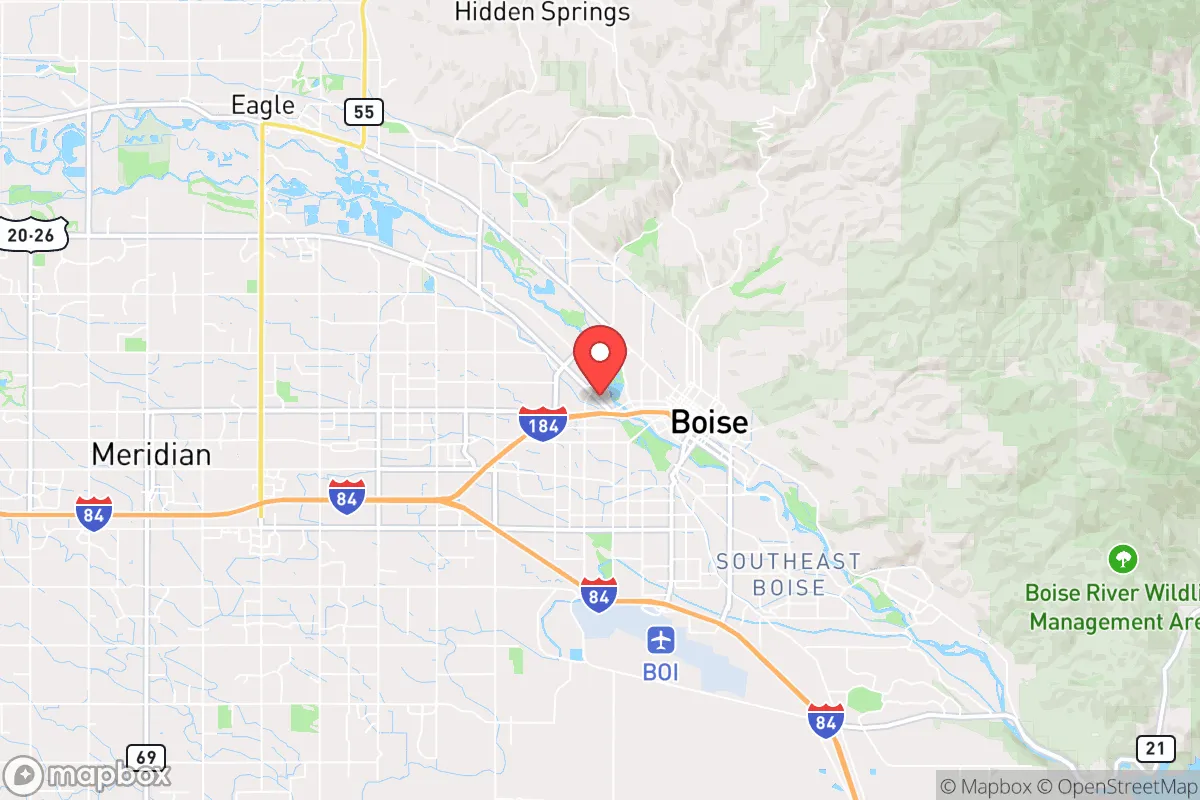
Garden City, Idaho, presents a distinct quality-of-life profile shaped by its position as a more affordable, working-to-middle-class enclave within the booming Boise metro area. With a cost-of-living index of 121 (21% above the national average), the city attracts a mix of long-term residents, young families, and professionals priced out of neighboring Boise and Eagle, yet still seeking proximity to the region’s job market and outdoor recreation. The community is notably more diverse and less affluent than its immediate suburbs, with a median household income around $55,000, reflecting a practical, down-to-earth character that contrasts with the higher-end developments to the west.
Cost of living, housing, and how Garden City compares to Boise and Eagle
Garden City’s housing market offers a relative bargain compared to the rest of Ada County, though it remains expensive by national standards. The median home value of $411,400 is roughly 15% lower than Boise’s median and nearly 30% below Eagle’s, making it one of the more accessible entry points for homeownership in the Treasure Valley. Median rent sits at $1,206, which is below the Boise metro average of $1,450, appealing to renters who want to stay close to downtown Boise (just across the Boise River) without paying premium prices. However, the cost-of-living index of 121 means everyday expenses like groceries, utilities, and transportation run higher than the U.S. norm, driven largely by Idaho’s rising demand and limited housing supply. The average commute of 21 minutes is slightly shorter than the Boise metro average of 23 minutes, thanks to Garden City’s central location along major corridors like Chinden Boulevard and State Street, offering quick access to Boise, Meridian, and the airport.
Local amenities, schools, and what daily life feels like in Garden City
Daily life in Garden City revolves around a mix of industrial zones, riverfront parks, and a growing food-and-brewery scene along the Boise River Greenbelt. The city lacks a traditional downtown core, but the Boise River corridor provides walking, biking, and fishing access, while nearby attractions like the Idaho Botanical Garden and the Old Boise district are minutes away. Schools are served by the Boise School District and the smaller Garden City School District (elementary only), with older students attending Boise High or Borah High; overall, test scores and graduation rates lag behind Boise’s top-tier schools, reflecting the area’s lower median income and higher proportion of renters. For daily errands, residents rely on strip malls along Chinden and Glenwood, with full-service grocery options like WinCo and Albertsons within a 5-minute drive. The city’s nickname, “The City of Trees,” is visible in its older neighborhoods with mature cottonwoods and maples, though new infill development is rapidly replacing older mobile home parks and light-industrial lots with townhomes and apartments.
Garden City is best suited for people who prioritize affordability and location over suburban polish or top-ranked schools. Young professionals, tradespeople, and families who work in Boise’s tech, healthcare, or construction sectors will find the 21-minute commute and lower housing costs compelling, especially compared to Eagle or Meridian. Retirees on fixed incomes may struggle with the 121 cost-of-living index, but the city’s river access and proximity to Boise’s cultural amenities offer a lively, walkable alternative to more expensive retirement communities. Those seeking a quiet, manicured suburb with high-end shopping and elite schools should look to Eagle or West Boise; Garden City rewards residents who value central location, lower barriers to homeownership, and a grittier, evolving urban edge over conventional suburban comfort.

Crime in Garden City, ID
Generally safer than 69% of comparable U.S. locations.
Violent CrimeViolent Crime Analysis
Property CrimeProperty Crime Analysis
Crime Analysis
Garden City, Idaho, presents a mixed safety picture that demands close attention from potential residents. With a violent crime rate of 541.8 incidents per 100,000 people and a property crime rate of 1,068.4 per 100,000, the city's overall crime index is notably higher than both the Idaho state average and the national median. These figures place Garden City in a higher-risk category compared to many of its neighboring communities in the Boise metropolitan area, a region where progressive judicial philosophies in Ada County have increasingly influenced sentencing and prosecution outcomes.
Crime in context
Garden City's violent crime rate is roughly 40% higher than the national average, a significant gap that should give pause to anyone evaluating the area. Property crime, while closer to national norms, still exceeds the Idaho state average by a considerable margin. The city's proximity to Boise and its status as a smaller municipality within a large, liberal-leaning metro area are relevant factors. Ada County has seen a trend toward progressive district attorneys and judges who prioritize rehabilitation and diversion programs over incarceration. While intended to reduce recidivism, this approach has, in practice, contributed to a revolving-door justice system that often fails to hold repeat offenders accountable, directly impacting public safety and victim rights.
What residents experience
For those living in Garden City, the statistical risks translate into tangible daily concerns. Theft, burglary, and motor vehicle theft are the most common property crimes, with many incidents concentrated along the Chinden Boulevard corridor and near commercial zones. Violent offenses, including aggravated assault and robbery, occur with enough frequency that residents report feeling less secure than in nearby Eagle or Meridian. The presence of a progressive legal environment means that even when arrests are made, offenders often face lenient plea deals or early release, eroding trust in the justice system. Victims of crime in Garden City may find that perpetrators are back on the streets quickly, a pattern that discourages reporting and undermines community safety.
Neighborhood-level variation
Safety in Garden City is not uniform. The area south of the Boise River, closer to the Greenbelt and newer developments, tends to see lower crime rates than the older, more industrial northern sections near the city's border with Boise. The Greenhurst neighborhood and areas adjacent to the Boise River have a stronger community presence and slightly better security outcomes. However, even in these pockets, the overarching influence of Ada County's progressive judicial policies means that no neighborhood is fully insulated from property crime or the occasional violent incident. Prospective residents should research specific blocks and consider that the city's small size—roughly 12,000 people—means crime data can be volatile year to year. A thorough review of recent police reports and neighborhood watch activity is strongly advised before making a relocation decision.
* Values derived from national, state, county, city and local statistics and may differ in a specific area. Last updated: 2026-04-19T06:40:34.000Z
Narrative content on this page is AI-generated and may contain mistakes. Verify any details that matter before acting on them.
ReloMaps may earn a commission from affiliate links at no extra cost to you.

