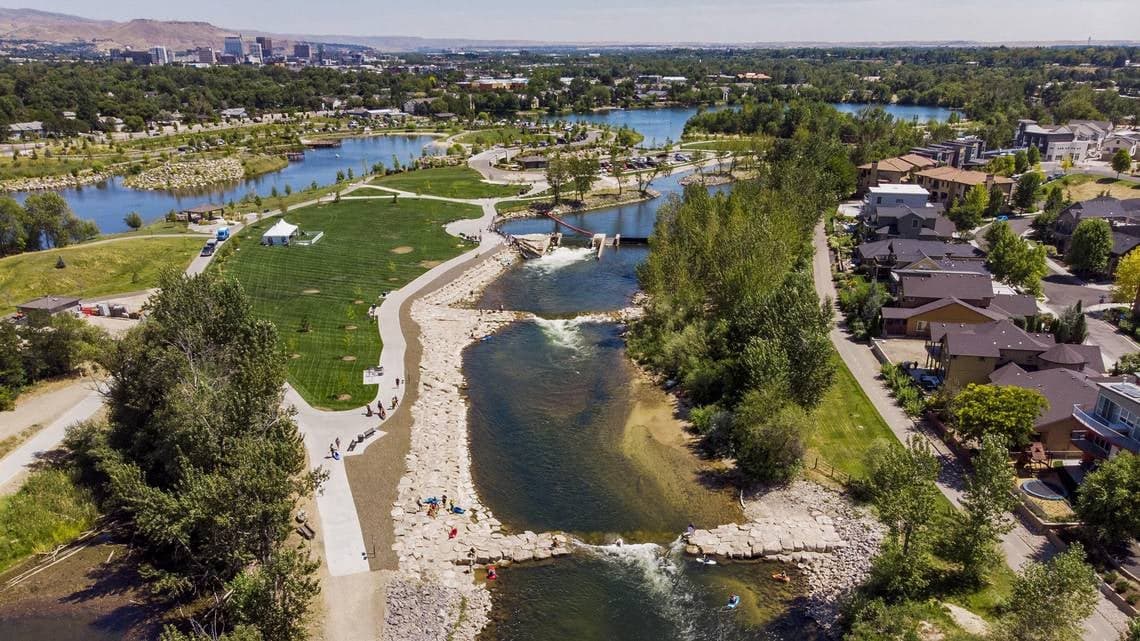
Photo: Wikipedia
Political ClimatePolitical Climate in Garden City, ID
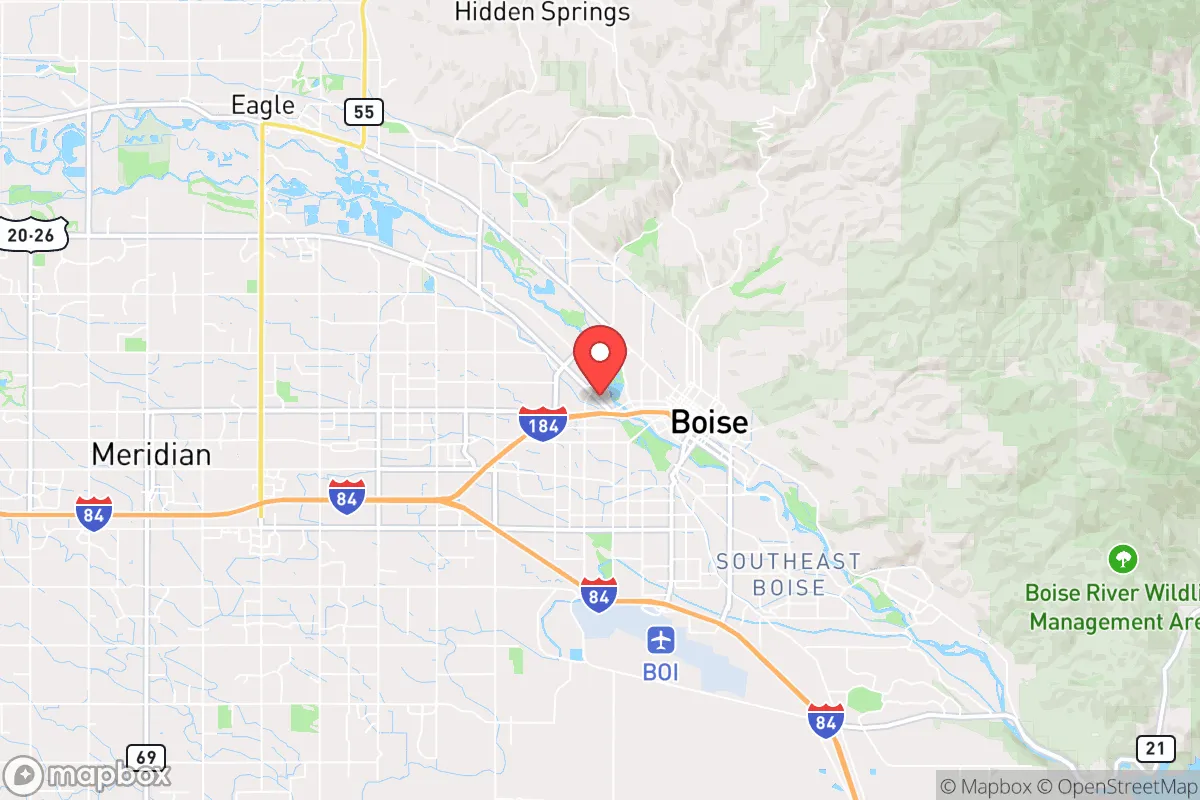
District shown is the primary district for this city’s centroid. Cities may span multiple districts.
Local Political AnalysisPolitical Analysis of Garden City, ID
Garden City, Idaho, has long been a reliably conservative community, and the numbers back that up with a Cook PVI of R+13. But if you’ve lived here as long as I have, you know the political climate isn’t just about election results—it’s about a way of life that’s increasingly under pressure. The area has historically leaned red, with most folks voting for limited government, lower taxes, and a hands-off approach to personal freedoms. However, the rapid growth spilling over from Boise is starting to shift the conversation, and not always in a direction that sits well with longtime residents. You can feel it in local zoning debates, school board meetings, and even how the city handles things like business permits and property rights.
How it compares
Garden City sits in a unique spot politically, sandwiched between the deep-red Ada County countryside and the increasingly progressive city of Boise. While Boise has seen a noticeable leftward tilt in recent years—especially on social issues and land-use regulations—Garden City has held its ground as a more libertarian-leaning conservative enclave. Neighboring Eagle and Meridian are also conservative, but they’ve embraced more suburban, planned-community governance. Garden City, by contrast, has a scrappier, independent streak. You see it in the local resistance to overreaching building codes and the pushback against Boise-style density mandates. The contrast is sharp: drive five minutes west into Boise, and you’ll find bike lanes and urban-growth boundaries that feel like a different world. Here, folks still value the right to do what they want with their own property without a dozen city approvals.
What this means for residents
For those of us who call Garden City home, the political climate directly affects daily life in ways that matter. Property rights are a big one—there’s a real concern that as the city grows, we’ll see more government overreach into what you can build, how you can use your land, and even what kind of business you can run from your garage. The push for “smart growth” and environmental regulations often sounds like a Trojan horse for more red tape. On the plus side, the conservative majority has so far kept taxes low and maintained a pro-business environment, which is why you still see small auto shops, warehouses, and family-run operations thriving here. But there’s a growing worry that as new residents move in from blue states, they’ll bring voting habits that erode those freedoms. School board races and city council elections are where the real battles are happening now, and it’s worth paying attention to who’s running.
One cultural distinction that sets Garden City apart is its no-nonsense attitude toward personal liberty. You won’t find the same level of mask mandates or business shutdowns that plagued Boise during the pandemic. The local government tends to take a “we trust you to make your own choices” approach, which resonates with residents who value independence over collective directives. That said, the long-term trajectory is uncertain. If the influx of new residents continues at the current pace, we could see a slow creep toward more progressive policies—especially on housing and land use. For now, Garden City remains a pocket of conservative common sense in a region that’s changing fast, but keeping it that way means staying engaged and voting in every local election. It’s not just about national politics; it’s about preserving the freedom to live your life without a bureaucrat looking over your shoulder.

State Political ClimatePolitical Climate in Idaho
State Political AnalysisPolitical Environment in the State
Idaho has been a reliably red state for decades, but the last 10-15 years have seen a dramatic intensification of that lean, driven by a massive influx of conservative transplants from the West Coast and a simultaneous hardening of the state’s rural, libertarian-leaning identity. The dominant coalition is a mix of traditional Western ranchers, LDS (Mormon) communities, and a growing wave of “freedom refugees” fleeing high taxes and progressive policies in California, Oregon, and Washington. While the state has always voted Republican for president—often by 30+ points—the real story is how the legislature has moved from center-right to aggressively conservative, passing laws on everything from gun rights to education that would have been unthinkable even in the early 2000s.
Urban vs. rural divide
The political map of Idaho is starkly divided between its few growing urban islands and the vast, deeply conservative rural expanse. The Treasure Valley, anchored by Boise, Meridian, and Nampa, is the state’s population center and the only area with any real Democratic presence. Ada County (Boise) has been a perennial swing county, occasionally voting for Democrats in local races, but even there, the 2024 election saw a rightward shift as new arrivals from California brought their conservative politics with them. The real action is in the rural counties: Bonner County (Sandpoint) in the north and Madison County (Rexburg) in the east are among the most Republican in the nation, routinely delivering 80-90% of the vote for GOP candidates. The north-south divide is real—northern Idaho, around Coeur d’Alene and Post Falls, is a hotbed of libertarian and constitutionalist sentiment, while the southeast, anchored by Idaho Falls and Pocatello, is more traditionally conservative and LDS-influenced. The key takeaway: if you move to Boise, you’ll encounter some political diversity; if you move anywhere else, you’ll be in a deep red environment where conservative values are the baseline.
Policy environment
Idaho’s policy environment is a textbook example of small-government conservatism in action. The state has a flat income tax of 5.8% (down from 6.5% in 2023) and a sales tax of 6%, with no tax on groceries. Property taxes are relatively low, though they vary by county. The regulatory posture is aggressively pro-business: there is no state-level occupational licensing for dozens of professions, and the state has a “right-to-work” law that weakens union power. Education policy is a major flashpoint: the state passed the Idaho Education Freedom Account in 2024, a universal school choice program that allows parents to use state funds for private school tuition, homeschooling, or tutoring—a huge win for parental rights. Healthcare is largely free-market, with no state-run insurance exchange and a Medicaid expansion that was passed by ballot initiative in 2018 but has been consistently underfunded by the legislature. Election laws are among the strictest in the nation: voter ID is required, same-day registration is not allowed, and the state has a closed primary system. The legislature also passed a law in 2023 banning ranked-choice voting, a preemptive strike against progressive electoral reforms.
Trajectory & freedom
Idaho is arguably becoming more free in several key areas, especially when compared to its coastal neighbors. The most significant recent legislation is the Idaho Firearms Freedom Act, which explicitly exempts firearms made and kept in Idaho from federal regulation—a direct challenge to federal authority. In 2024, the state also passed a constitutional carry law, allowing any law-abiding adult to carry a concealed firearm without a permit. On parental rights, the Idaho Parental Rights Act (2023) gives parents the explicit right to direct their child’s education and medical care, and the state banned gender-affirming care for minors in 2023. Medical autonomy is a mixed bag: the state has no vaccine mandate, but it also has no medical marijuana program, and abortion is banned at all stages of pregnancy with very narrow exceptions. Property rights are strong, with no state-level zoning mandates and a “right to farm” law that protects agricultural operations from nuisance lawsuits. The trajectory is clear: the legislature is actively pushing back against federal overreach and progressive cultural trends, making Idaho a haven for those who value individual liberty over government control.
Civil unrest & political movements
Idaho has a history of fringe political movements, but the mainstream has shifted so far right that many of these groups now operate openly. The North Idaho region, particularly around Hayden and Rathdrum, has seen a resurgence of constitutionalist and “sovereign citizen” activity, though actual violence is rare. The most visible flashpoint in recent years was the 2023 Boise Pridefest counter-protests, where armed groups from both sides clashed, leading to a heavy police presence and a few arrests. Immigration politics are relatively quiet—Idaho is not a border state, and the legislature passed a law in 2024 requiring local law enforcement to cooperate with federal immigration authorities. There have been no major sanctuary city movements, though Boise has a “welcoming city” ordinance that limits police cooperation. Election integrity controversies are minimal; the state’s voting system is widely trusted, and there were no major disputes in 2020 or 2024. The overall vibe is that political activism in Idaho is more about organizing and legislation than street protests, though the occasional rally in Boise’s Capitol Mall draws both sides.
Projection
Over the next 5-10 years, Idaho will likely become even more conservative, driven by two forces: continued in-migration from blue states and the naturalization of those new arrivals into the state’s political culture. The Boise metro area will continue to grow, but the newcomers are increasingly conservative—many are fleeing California’s policies, not embracing them. The rural areas will remain deeply red, and the legislature will keep pushing the envelope on school choice, gun rights, and federal nullification. The biggest wildcard is the LDS Church, which has historically been a moderating influence on issues like immigration and environmental policy; if the church’s leadership shifts left, it could create a split in the conservative coalition. But for now, the trend is unmistakable: Idaho is solidifying its status as one of the most conservative states in the union, and anyone moving here in 2026 should expect that trajectory to continue.
Bottom line for a new resident: If you’re moving to Idaho for freedom—lower taxes, fewer regulations, stronger parental rights, and a culture that respects individual liberty—you’re making a smart bet. The state is actively legislating to protect those values, and the political climate is overwhelmingly supportive. Just be prepared for a culture that is deeply rural, religious, and skeptical of government power. If that sounds like home, you’ll fit right in.
* Values derived from national, state, county, city and local statistics and may differ in a specific area. Last updated: 2026-04-19T06:40:34.000Z
Narrative content on this page is AI-generated and may contain mistakes. Verify any details that matter before acting on them.
ReloMaps may earn a commission from affiliate links at no extra cost to you.

