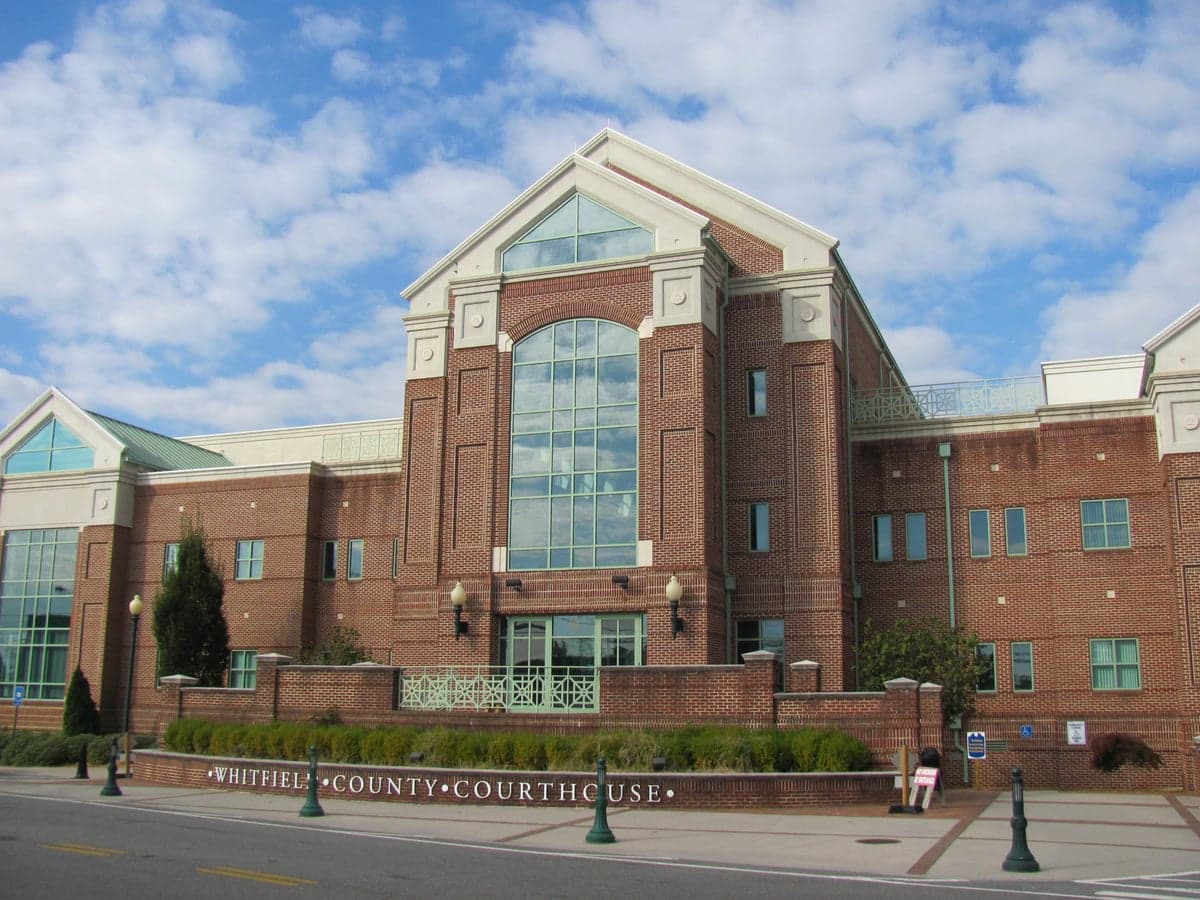
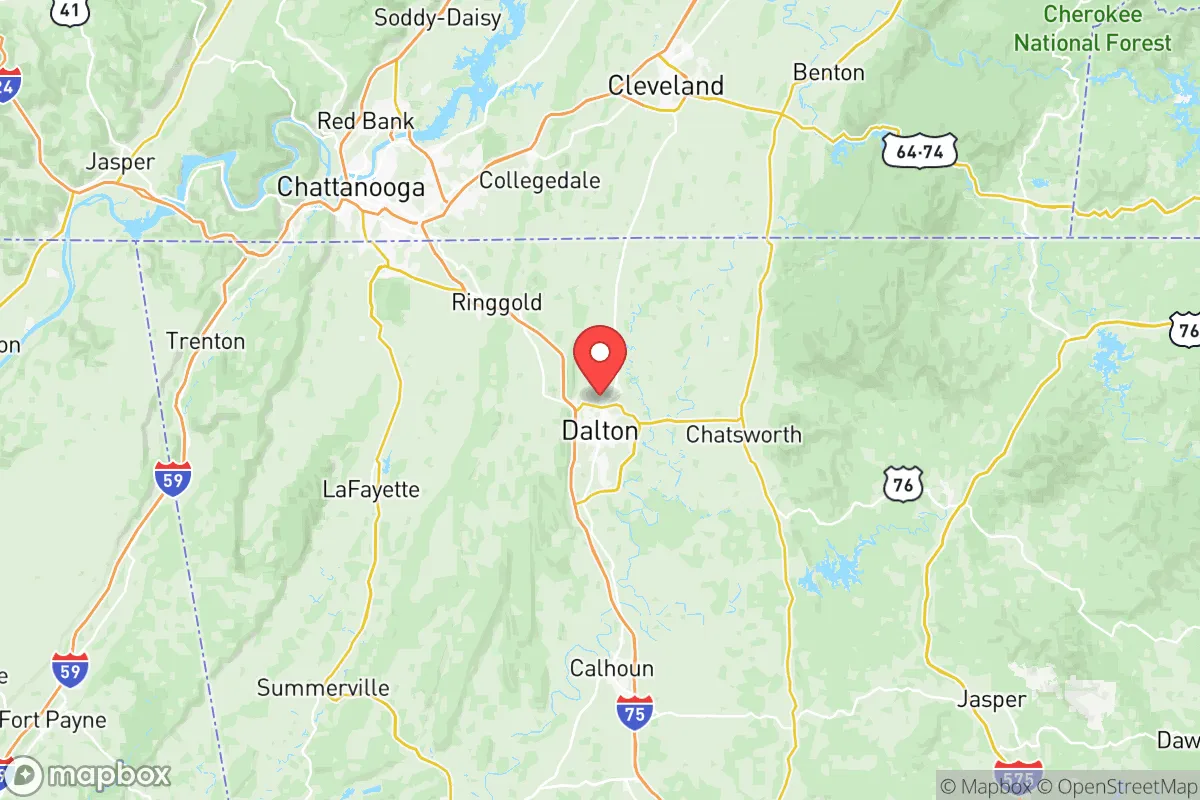
Photo: Wikipedia
Find The Best Places To Live in Whitfield County
PRO TIP! You can paste a Zillow or Redfin link to get info on that property.
Best Places to Live in Whitfield County
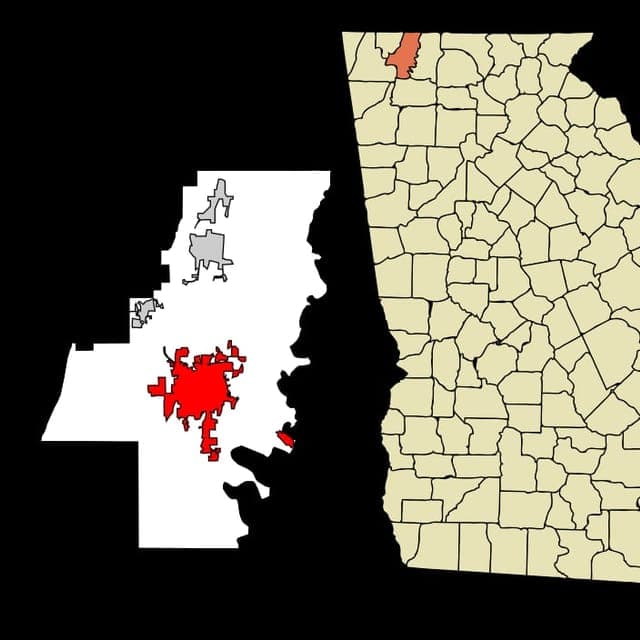
Cities & Towns in Whitfield County
Cities in Whitfield County
What It's Like Living in Whitfield County, GA
Living in Whitfield County, Georgia, feels a lot like being part of a hardworking, unpretentious family that values its weekends. The county, anchored by the city of Dalton—the self-proclaimed "Carpet Capital of the World"—has a distinct industrial backbone that gives it a grounded, blue-collar feel. You’ll find a mix of folks who have been here for generations working in the flooring industry and newer families drawn by the affordable cost of living, which sits at a remarkable 75 on the index (100 being the US average). It’s a place where people know their neighbors, high school football is a serious matter, and the pace of life is deliberately slower than the booming suburbs of Atlanta, which are about 90 minutes south.
Daily Rhythm and the Carpet Capital Vibe
The workday in Whitfield County is heavily influenced by the flooring and textile industries. A significant portion of the workforce commutes to plants and distribution centers in Dalton, Tunnel Hill, or Varnell. With a median household income of $64,262 and a median home value of just $198,900, the financial math works out well for most families—you can actually afford a decent house on a single income here, which is increasingly rare in Georgia. The average commute is a manageable 21 minutes, meaning you aren't burning your paycheck on gas. After work, daily life revolves around local chains and family-run spots. You might grab a bite at the Oakwood Cafe in Dalton or head to the Cherokee Brewing Company for a locally crafted beer. The median age is 36.6, which reflects a community that is settled but still young enough to have active kids in the school system.
Sports, Community Pride, and Friday Nights
If you move here, you need to understand that high school sports are the main event. Dalton High School football games are a community-wide gathering that draws thousands, and the rivalry with Northwest Whitfield High School is intense. This isn't just a pastime; it’s the social calendar. Beyond the gridiron, the county is a hub for youth soccer and baseball leagues that keep families busy on weekends. For outdoor recreation, residents head to the Conasauga River for tubing and fishing, or they hike the trails at Fort Mountain State Park, which is just a short drive into the neighboring mountains. The lack of a major professional sports team means the community pours its energy into local talent and the occasional road trip to Atlanta for a Braves or Falcons game.
What’s There to Do: Festivals, Food, and the Outdoors
Don’t let the industrial reputation fool you—there is a surprising amount of local flavor. The Dalton Freight Depot is a revitalized historic venue that hosts concerts and the popular Dalton Farmers Market. The biggest annual event is the Prater’s Mill Country Fair, a beloved tradition that draws crowds from across the region for crafts, bluegrass music, and Southern cooking. For a night out, locals frequent the Dalton Little Theatre or catch a movie at the historic Holly Theatre. The restaurant scene leans heavily toward Southern comfort food and Mexican cuisine, reflecting a growing Hispanic population that has deeply enriched the local culture. You’ll find authentic taquerias in Dalton that rival anything in a larger city. The downside? Only 19.3% of adults hold a college degree, which means the professional job market outside of manufacturing and healthcare can feel thin, and the cultural amenities of a college town are absent.
Pros and Cons of Living Here
- Pro: Affordability. With a cost of living 25% below the national average and home values under $200,000, your money goes much further here than in Chattanooga (just 30 minutes north) or Atlanta.
- Pro: Low Stress Commute. The average commute of 21 minutes is a huge quality-of-life win. You can live in a rural area like Cohutta or a small town like Resaca and still be at work in Dalton in under half an hour.
- Con: Limited Nightlife and Dining. If you are used to a city with dozens of cuisine options and bars open past midnight, you will find Whitfield County limited. The scene is quiet, especially outside of Dalton.
- Con: Property Crime Concerns. The violent crime rate of 266.1 per 100,000 is slightly below the national average, but property crime can be an issue in certain pockets of Dalton. Most residents will tell you to keep your car doors locked and your porch lights on.
- Con: Weather Extremes. Summers are hot and humid, and while winters are mild, the area sits in "Tornado Alley" of the South. Severe thunderstorms and the occasional tornado warning are a seasonal reality.
Ultimately, Whitfield County is a solid, no-nonsense place to raise a family or start a career if you work in trades, logistics, or manufacturing. It lacks the polish of a wealthy suburb but offers a genuine sense of community and financial breathing room that is hard to find elsewhere. The people here are proud of their carpet-making heritage and their quiet corner of Northwest Georgia, and they are generally welcoming to newcomers who respect that slower, neighborly pace of life.

* Values derived from national, state, county, city and local statistics and may differ in a specific area. Last updated: 2026-08-08T12:28:50.000Z
Narrative content on this page is AI-generated and may contain mistakes. Verify any details that matter before acting on them.
ReloMaps may earn a commission from affiliate links at no extra cost to you.

