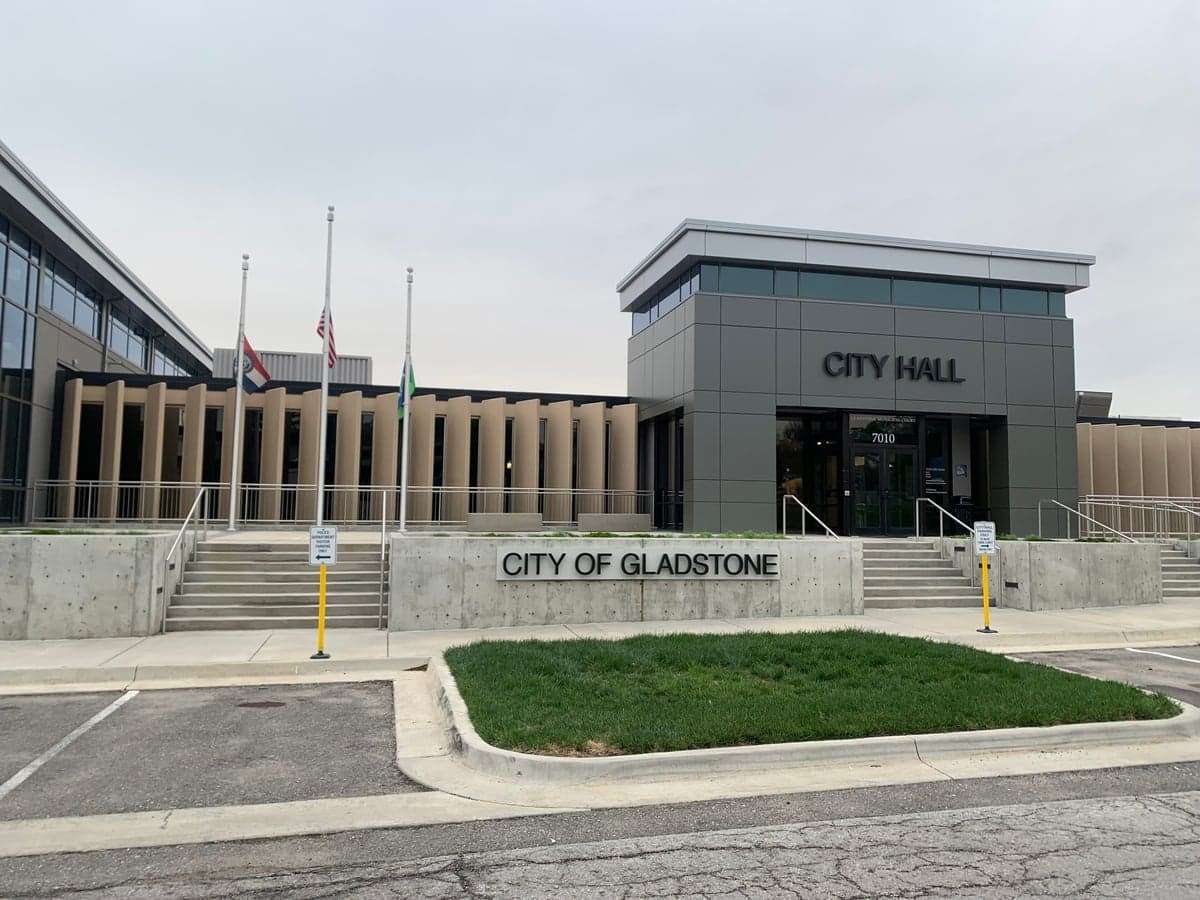
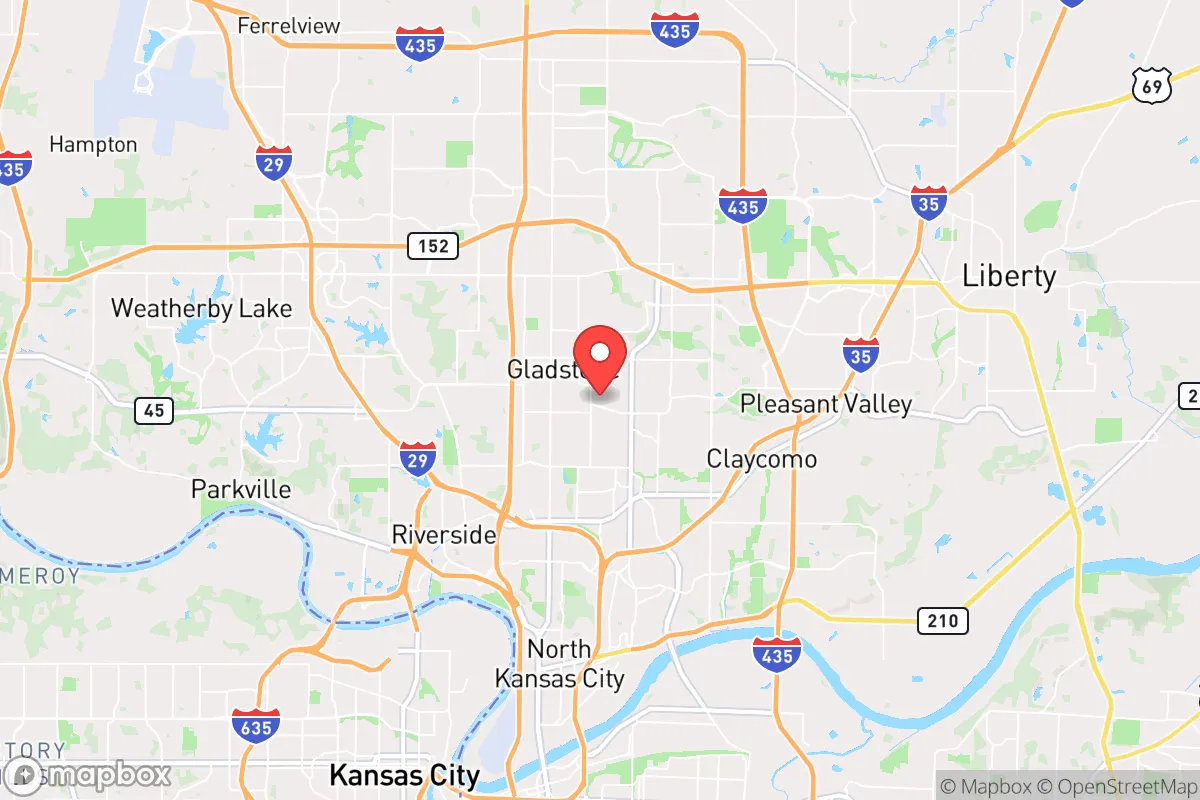
Photo: Wikipedia
Quality of Life in Gladstone, MO
A high quality of life with strong walkability, manageable living costs, healthy neighborhood signals, and solid amenity access.
What does Quality of Life tell us?
Quality of Life blends cost of living, nearby amenities, socioeconomic signals, and neighborhood character. City-level scores represent the whole municipality; individual neighborhoods can differ.
What does this tell us?
Quality of Life blends cost of living, nearby amenities, socioeconomic signals, and neighborhood character. City-level scores represent the whole municipality; individual neighborhoods can differ.
Cost of Living
13% below national average
The Real Cost of Living in Gladstone, MO for 2026
| Tier | Individual | Family (4) |
|---|---|---|
| Survival | $17k | $33k |
| Comfortable | $42k | $62k |
| Luxury | $112k+ | $174k+ |
| Elite (Top 5%) | $132k+ | $205k+ |
116%
The Area Signal
A metric tracking the socioeconomic signals of the area.
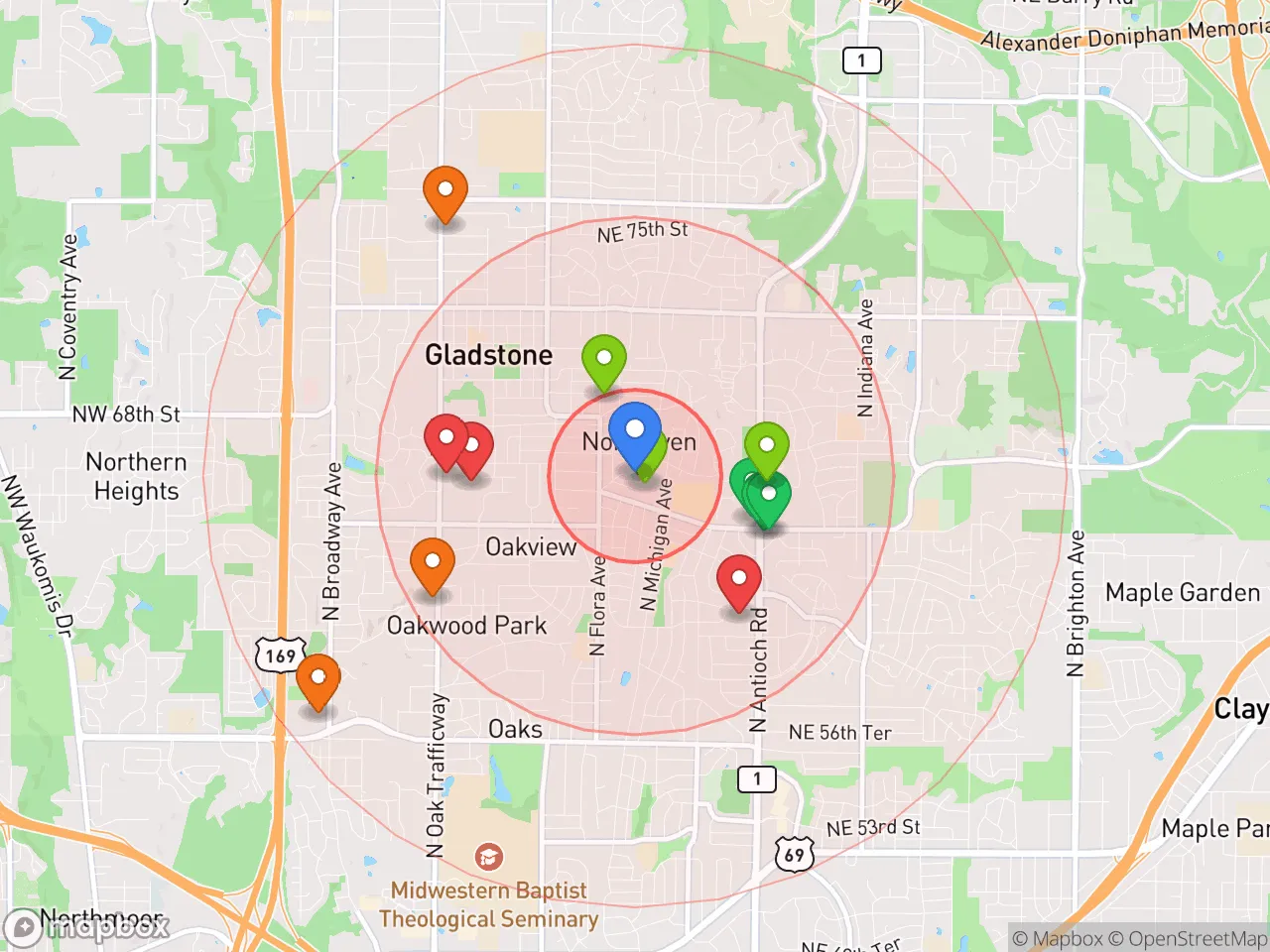
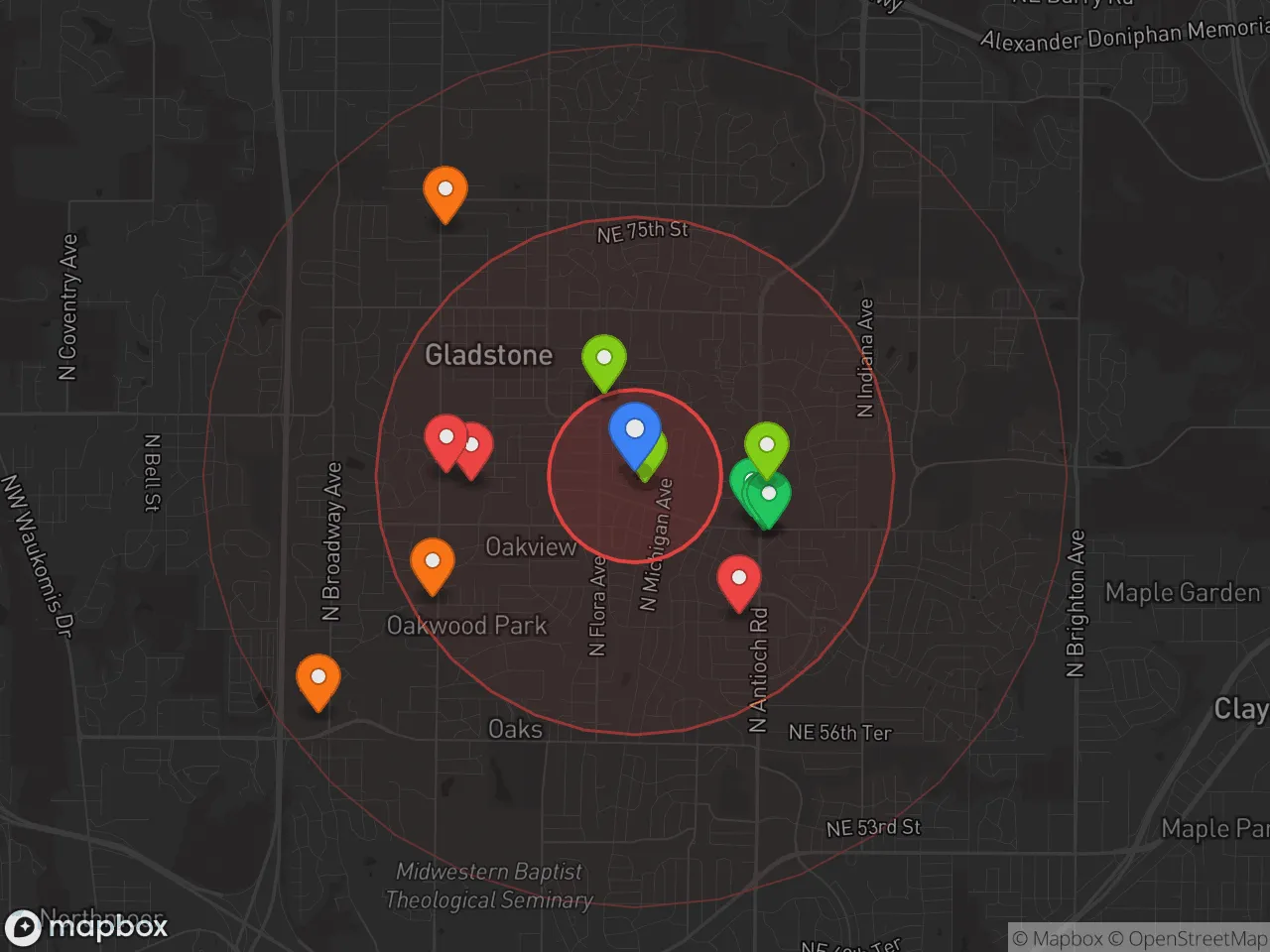
Hobbies
Explore the areaGroceries
7 within 10 miles
Gas
20 within 10 miles
Hospital
20 within 20 miles
Airport
MCI — Kansas City International
Post Office
USPS — Gladstone, MO
Critical Amenities
Quality-of-Life Analysis
Gladstone, Missouri, offers a quality of life defined by solid middle-class stability, with a cost of living index of 87—13% below the national average—that attracts families and long-term residents seeking space and value without sacrificing proximity to Kansas City. The city’s population of roughly 27,000 leans heavily toward homeowners and established households, creating a quiet, suburban atmosphere where community involvement and local schools are central to daily life. Median home values sit at $217,900 and median rent at $1,095, figures that undercut both the Kansas City metro average and nearby suburbs like Liberty or Parkville, making Gladstone a practical choice for buyers and renters alike.
Cost of living, housing affordability, and how Gladstone compares to nearby suburbs
Gladstone’s cost-of-living index of 87 places it well below the U.S. baseline, and housing is the primary driver of that affordability. With a median home value of $217,900, the market is significantly more accessible than the Kansas City metro median of roughly $280,000, and far below the $350,000+ averages seen in adjacent Clay County suburbs like Liberty or Kearney. Renters also benefit: the median rent of $1,095 is about $200 less than the metro average, and roughly $300 less than comparable units in North Kansas City or Parkville. The average commute of 22.6 minutes is slightly shorter than the national average of 26 minutes, and most residents drive to jobs in downtown Kansas City or the Northland employment corridor along I-29 and I-35. Property taxes in Clay County are moderate—around 1.1% of assessed value—and Missouri’s income tax rate of 5.2% is lower than neighboring Kansas, which can tip the scales for remote workers or those with flexible residency.
Amenities, schools, and what daily life is like for families
Daily life in Gladstone revolves around its well-maintained parks, local retail corridors, and the North Kansas City School District, which serves most of the city. The district’s high schools—Oak Park and Winnetonka—offer solid academic programs and extracurriculars, though some families opt for private options like St. Pius X or the nearby charter schools in Kansas City proper. Gladstone’s park system includes the 80-acre Happy Rock Park with sports fields, walking trails, and a popular aquatic center, while the nearby Shoal Creek Living History Museum provides a cultural anchor. For shopping and dining, the intersection of I-29 and Barry Road hosts big-box retailers and chain restaurants, but residents also frequent local spots like the Gladstone Bowl or the Velo+ Bike Shop for community events. The city’s crime rate is below the national average for property crime, though it is slightly higher than in neighboring Liberty; violent crime is low and concentrated in isolated areas. Most errands require a car—public transit is limited to a few RideKC bus routes—but the compact layout means most destinations are within a 10-minute drive.
Gladstone is best suited for families, long-term renters, and first-time homebuyers who prioritize affordability, short commutes, and a low-key suburban lifestyle over urban nightlife or high-end amenities. Retirees on fixed incomes also find the cost structure favorable, especially those downsizing from pricier Kansas City neighborhoods. Professionals working in the Northland or downtown KC will appreciate the 22-minute average commute and the ability to own a home on a median salary of roughly $65,000. Those seeking walkable neighborhoods, elite school districts, or a vibrant arts scene should look to midtown Kansas City or Prairie Village instead—Gladstone’s appeal is squarely in its quiet, practical value.

Crime in Gladstone, MO
Crime rates similar to the national median for U.S. locations.
Violent CrimeViolent Crime Analysis
Property CrimeProperty Crime Analysis
Crime Analysis
Gladstone, Missouri, presents a mixed safety profile for potential residents. The city’s violent crime rate of 324.9 incidents per 100,000 residents is notably lower than the national average, but its property crime rate of 1,440.5 per 100,000 exceeds the national figure, indicating a higher risk of theft and burglary. As a suburb of Kansas City, Gladstone’s public safety is also influenced by the broader metropolitan area’s criminal justice policies, which can affect regional crime trends.
Crime in context
Gladstone’s violent crime rate is roughly 12% below the U.S. average, placing it in a relatively safer tier for personal safety compared to many other cities of similar size. However, its property crime rate is approximately 15% above the national average, driven largely by larceny-theft and motor vehicle theft. When compared to the state of Missouri—which has a violent crime rate of about 490 per 100,000 and a property crime rate near 2,400 per 100,000—Gladstone performs better on both counts. The city’s proximity to Kansas City, however, means it is not immune to spillover crime from the larger metro area, where progressive prosecutorial policies in Jackson County have been criticized for reducing incarceration rates and potentially emboldening repeat offenders.
What residents experience
For daily life in Gladstone, the elevated property crime rate is the most tangible concern. Residents commonly report package thefts from porches, vehicle break-ins, and occasional garage burglaries, particularly in neighborhoods near major thoroughfares like North Oak Trafficway. Violent crime is less frequent but does occur, with aggravated assault being the most common category. The city’s police department maintains a visible presence and participates in community policing initiatives, but the broader regional trend of lenient sentencing for property and drug offenses—driven by progressive district attorneys in the Kansas City area—means that many property criminals cycle through the system quickly, contributing to a sense of frustration among victims. Gladstone’s own municipal court and local law enforcement operate independently, but the county-level justice system’s philosophy directly impacts how repeat offenders are handled.
Neighborhood-level variation is significant. Areas east of Interstate 29, particularly around the Shady Lane and Green Hills subdivisions, tend to report lower crime rates due to higher home values and stronger neighborhood watch programs. In contrast, the commercial corridors along North Oak Trafficway and the apartment complexes near 72nd Street see higher concentrations of property crime. Prospective residents should consult the Gladstone Police Department’s online crime map and consider homes in the city’s northern and eastern quadrants for the best safety outcomes. Overall, Gladstone offers a reasonable level of personal safety but demands vigilance against property crime, with the metro area’s justice system adding a layer of concern for those prioritizing long-term security.
* Values derived from national, state, county, city and local statistics and may differ in a specific area. Last updated: 2026-04-30T12:46:26.000Z
Narrative content on this page is AI-generated and may contain mistakes. Verify any details that matter before acting on them.
ReloMaps may earn a commission from affiliate links at no extra cost to you.

