Quality of Life in Glen Dale, WV
A high quality of life with strong walkability, manageable living costs, healthy neighborhood signals, and solid amenity access.
What does Quality of Life tell us?
Quality of Life blends cost of living, nearby amenities, socioeconomic signals, and neighborhood character. City-level scores represent the whole municipality; individual neighborhoods can differ.
What does this tell us?
Quality of Life blends cost of living, nearby amenities, socioeconomic signals, and neighborhood character. City-level scores represent the whole municipality; individual neighborhoods can differ.
Cost of Living
25% below national average
The Real Cost of Living in Glen Dale, WV for 2026
| Tier | Individual | Family (4) |
|---|---|---|
| Survival | $14k | $27k |
| Comfortable | $39k | $57k |
| Luxury | $137k+ | $212k+ |
| Elite (Top 5%) | $161k+ | $249k+ |
154%
The Area Signal
A metric tracking the socioeconomic signals of the area.
Hobbies
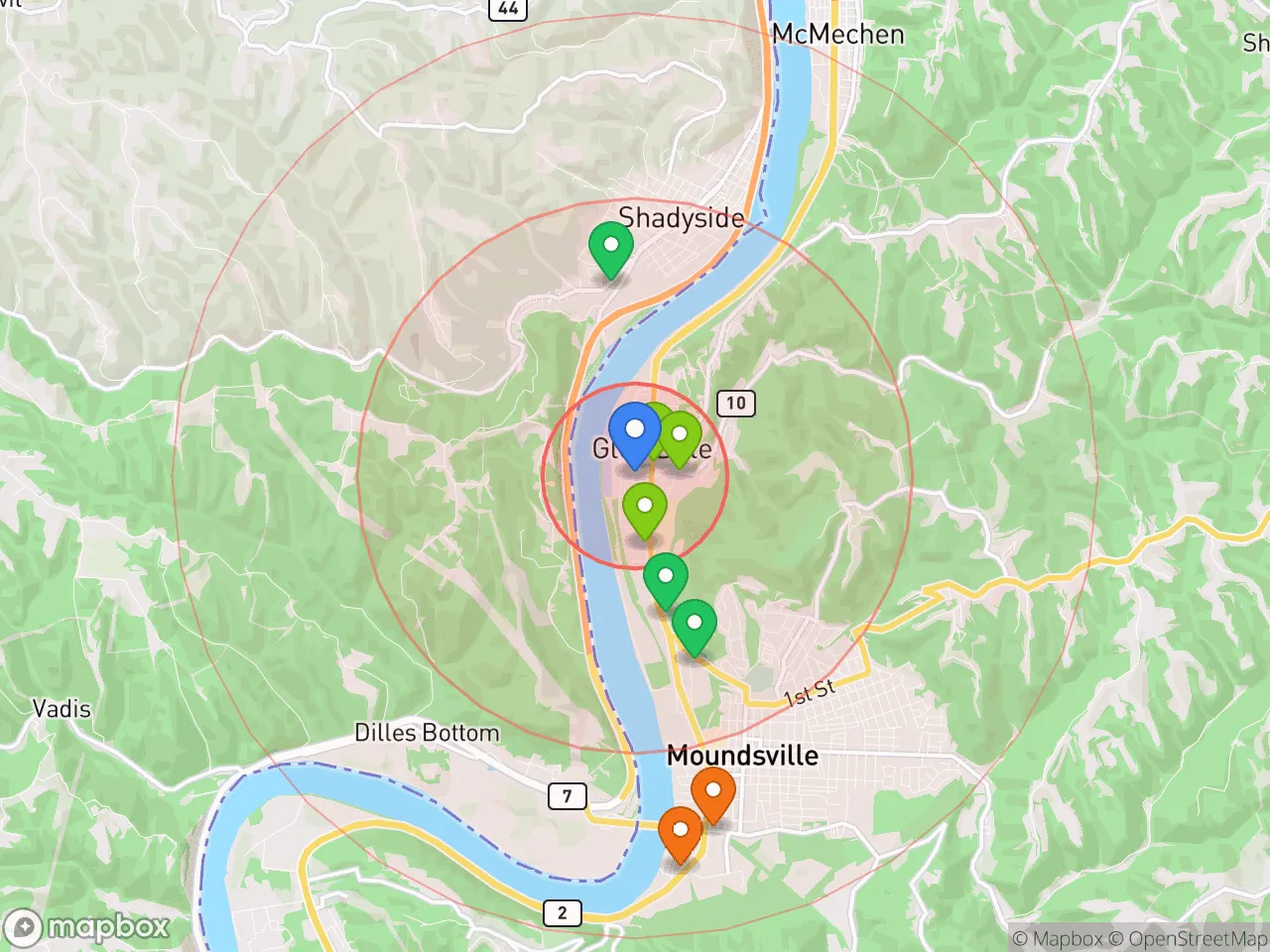
Explore the areaGroceries
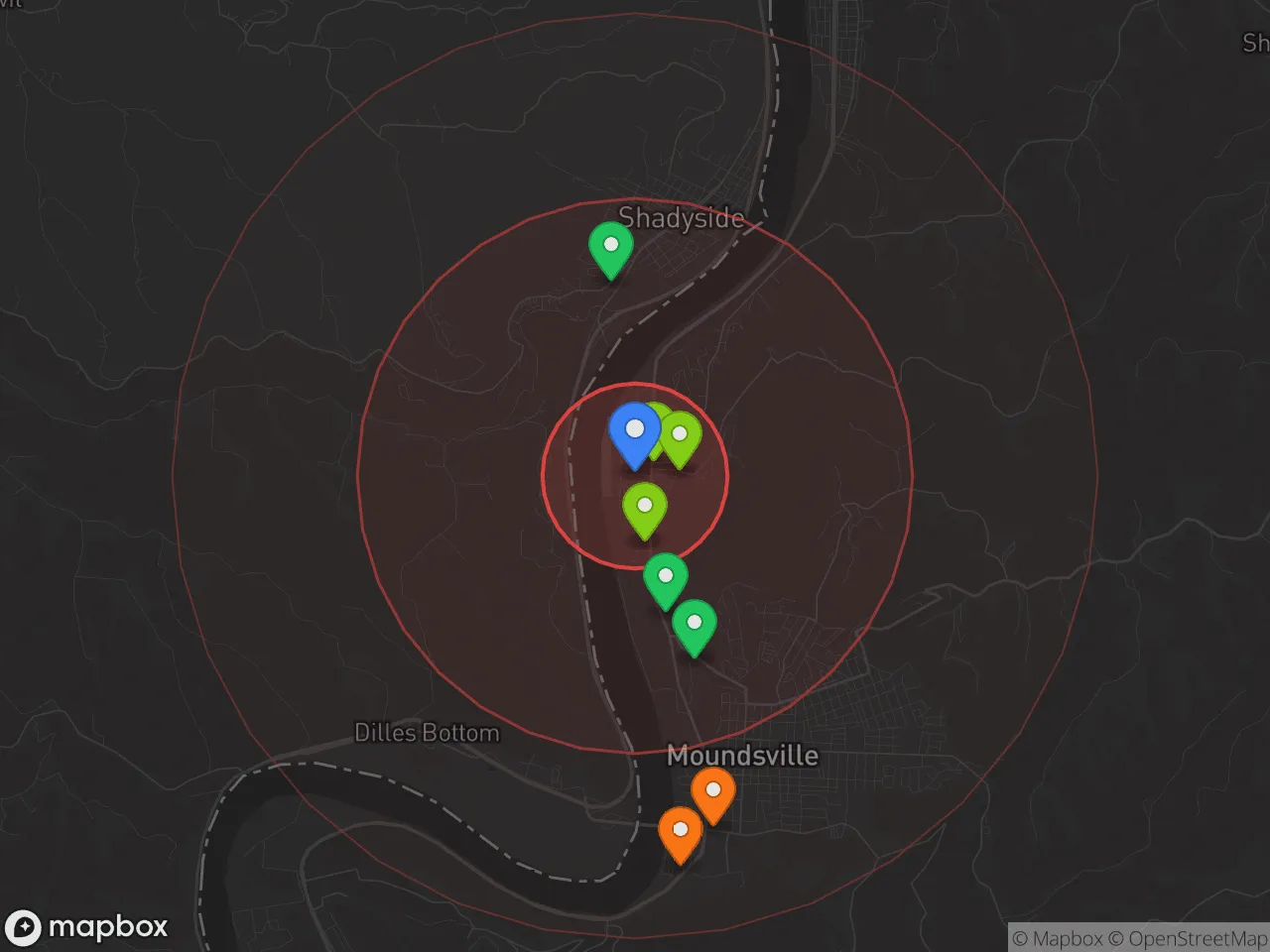
3 within 10 miles
Gas
17 within 10 miles
Hospital
7 within 20 miles
Airport
Pittsburgh International Airport
Post Office
USPS — Glen Dale, WV
Critical Amenities
Quality-of-Life Analysis
Glen Dale, West Virginia, presents a quality of life defined by small-town affluence and a quiet, family-oriented atmosphere, attracting professionals and retirees who prioritize space and community over urban convenience. With a cost of living index of 75—well below the national average of 100—the village offers a notably affordable lifestyle that contrasts sharply with the higher expenses found just across the Ohio River in Wheeling or in the Pittsburgh metro area. The population skews older and more settled, with a median age around 45, and the housing stock reflects this stability, featuring well-maintained single-family homes on tree-lined streets rather than new subdivisions.
Cost of living, housing affordability, and how Glen Dale compares to nearby areas
Glen Dale’s cost of living is a primary draw, with a composite index of 75 meaning residents spend roughly 25% less on everyday expenses than the typical American. The median home value of $200,500 is significantly lower than the national median of roughly $350,000 and undercuts neighboring Ohio County’s median of about $230,000, making homeownership accessible for middle-income buyers. Renters also benefit, with a median monthly rent of $907—well below the national figure of $1,200 and roughly $200 less than comparable rentals in Wheeling, just 10 minutes away. The average commute of just over 19 minutes is a standout advantage, far shorter than the national average of 26 minutes, allowing residents to work in Wheeling or Moundsville without enduring long drives. Property taxes in Marshall County are among the lowest in the region, typically around 0.5% of assessed value, which further reduces the annual cost of homeownership compared to nearby Pennsylvania or Ohio.
Local amenities, schools, and what daily life is like for families
Daily life in Glen Dale revolves around a compact, walkable core anchored by the Glen Dale Public Library and a handful of local businesses, though most shopping and dining require a short drive to Moundsville (3 miles) or Wheeling (10 miles). The Marshall County School District serves the area, with Glen Dale Elementary School feeding into John Marshall High School, both of which maintain student-teacher ratios near 14:1 and receive above-average state ratings for academic performance. For recreation, the nearby Grand Vue Park offers hiking, ziplining, and an 18-hole disc golf course, while the Ohio River provides opportunities for fishing and boating. Healthcare access is solid, with Reynolds Memorial Hospital in Glen Dale itself and WVU Medicine Wheeling Hospital 15 minutes away. The community’s rhythm is unhurried: residents know their neighbors, local events like the Marshall County Fair draw crowds, and the absence of heavy traffic or nightlife noise reinforces a peaceful, predictable routine suited to raising children or enjoying retirement.
Glen Dale is best suited for those who value affordability, short commutes, and a close-knit community over urban amenities or career density. Families will appreciate the low cost of entry for housing and the quality of local schools, while remote workers and retirees benefit from the quiet environment and proximity to healthcare. Professionals commuting to Wheeling or even Pittsburgh (about 90 minutes east) will find the trade-off of a longer drive for significantly lower living costs worthwhile. However, those seeking vibrant nightlife, diverse dining, or rapid career growth in specialized fields may find the village too limited. For the right buyer—someone content with a slower pace and a strong sense of place—Glen Dale offers a high quality of life at a fraction of the national price.

Crime in Glen Dale, WV
Lower crime rates than 78% of comparable U.S. locations.
Violent CrimeViolent Crime Analysis
Property CrimeProperty Crime Analysis
Crime Analysis
Glen Dale, West Virginia, presents a mixed safety profile that warrants careful consideration for potential residents. With a violent crime rate of 286.3 per 100,000 residents and a property crime rate of 1,145.3 per 100,000, the town's overall crime index sits above the national average. While not among the most dangerous communities in the state, these figures indicate that crime is a tangible concern, particularly when compared to safer rural enclaves in the Northern Panhandle.
Crime in context
Glen Dale's violent crime rate of 286.3 per 100,000 is notably higher than the West Virginia state average of roughly 280 per 100,000 and significantly exceeds the national average of approximately 230 per 100,000. The property crime rate of 1,145.3 per 100,000 is also elevated, surpassing both the state average (around 1,100) and the national figure (about 1,050). These numbers place Glen Dale in a higher-risk tier compared to many other small towns in the region. A critical factor for readers to understand is the proximity to larger metropolitan areas like Wheeling and the broader Ohio Valley. These areas, particularly those with liberal and progressive judges and district attorneys, often experience higher crime rates due to justice system policies that prioritize offender rehabilitation over public safety. Such progressive ideology, while sympathetic to offenders, can lead to more criminals on the street and negatively impact justice for victims and the public. Glen Dale, while not a large metro itself, is influenced by these regional dynamics.
What residents experience
For those living in Glen Dale, the elevated crime rates translate into a heightened sense of vigilance. Property crimes—including theft, burglary, and vehicle break-ins—are the most common offenses residents encounter. Residents are more likely to experience a property crime than a violent one, but the violent crime rate is not negligible. Assaults and robberies do occur, and the presence of drug-related activity, often linked to the opioid crisis that has deeply affected West Virginia, contributes to both property and violent crime. Daily life involves taking standard precautions: locking doors and vehicles, avoiding poorly lit areas at night, and being aware of one's surroundings. The town's small size means that many residents know their neighbors, which can foster a sense of community watchfulness, but it does not eliminate the underlying risks.
Neighborhood-level variation in Glen Dale is not extensively documented in public data, but general patterns can be inferred. Areas closer to the main thoroughfares and commercial zones may see higher property crime due to increased foot traffic and opportunity. Residential streets farther from the town center, particularly those with fewer rental properties and more long-term homeowners, tend to be quieter and safer. Prospective residents should drive through potential neighborhoods at different times of day and speak with local police or long-time residents to gauge specific block-level safety. As with any community, the best protection is informed choice and active neighborhood engagement.
* Values derived from national, state, county, city and local statistics and may differ in a specific area. Last updated: 2026-04-23T06:09:35.000Z
Narrative content on this page is AI-generated and may contain mistakes. Verify any details that matter before acting on them.
ReloMaps may earn a commission from affiliate links at no extra cost to you.

