Photo: Wikipedia
Political ClimatePolitical Climate in Glenarden, MD
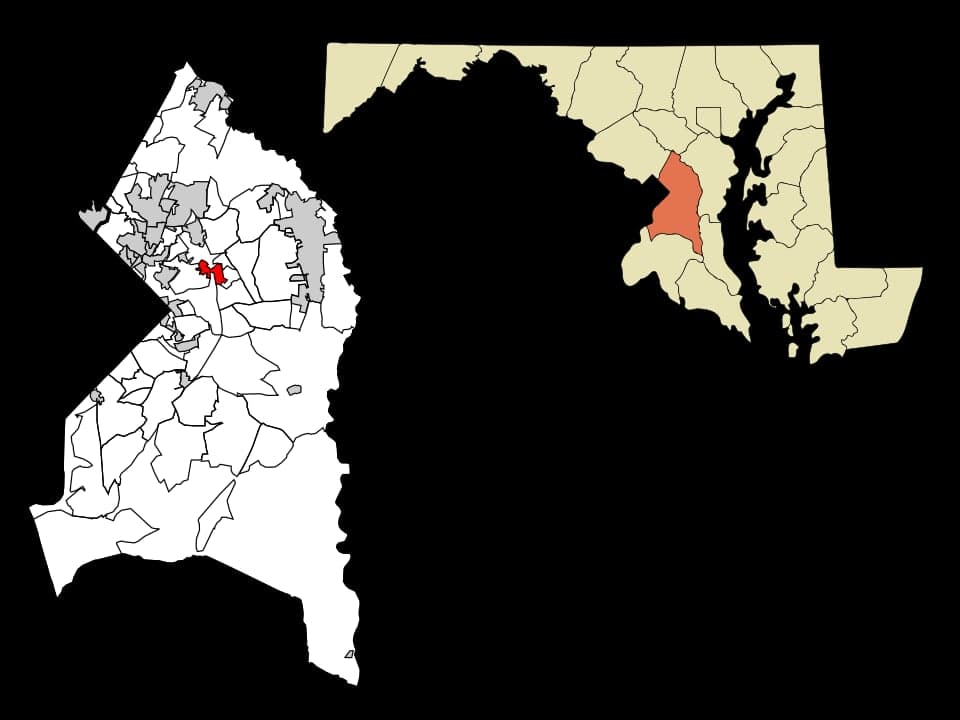
District shown is the primary district for this city’s centroid. Cities may span multiple districts.
Local Political AnalysisPolitical Analysis of Glenarden, MD
Look, I’ve lived in Glenarden my whole life, and I’ll tell you straight: this town leans hard left, and it’s been that way for decades. The Cook PVI clocks it at D+39, which means Democrats outnumber Republicans by a massive 39 points in federal elections. That’s not a swing—it’s a bedrock. You won’t see a single contested local race where a Republican cracks 30%. And it’s not just voting patterns; it’s the whole vibe. The county council, the school board, the planning commission—all blue, all the time. If you’re looking for a place where your conservative voice feels heard, this ain’t it. But if you’re already here, you know the drill: you keep your head down, vote your conscience in the primary, and hope the national tide doesn’t wash away what little local sanity remains.
How it compares
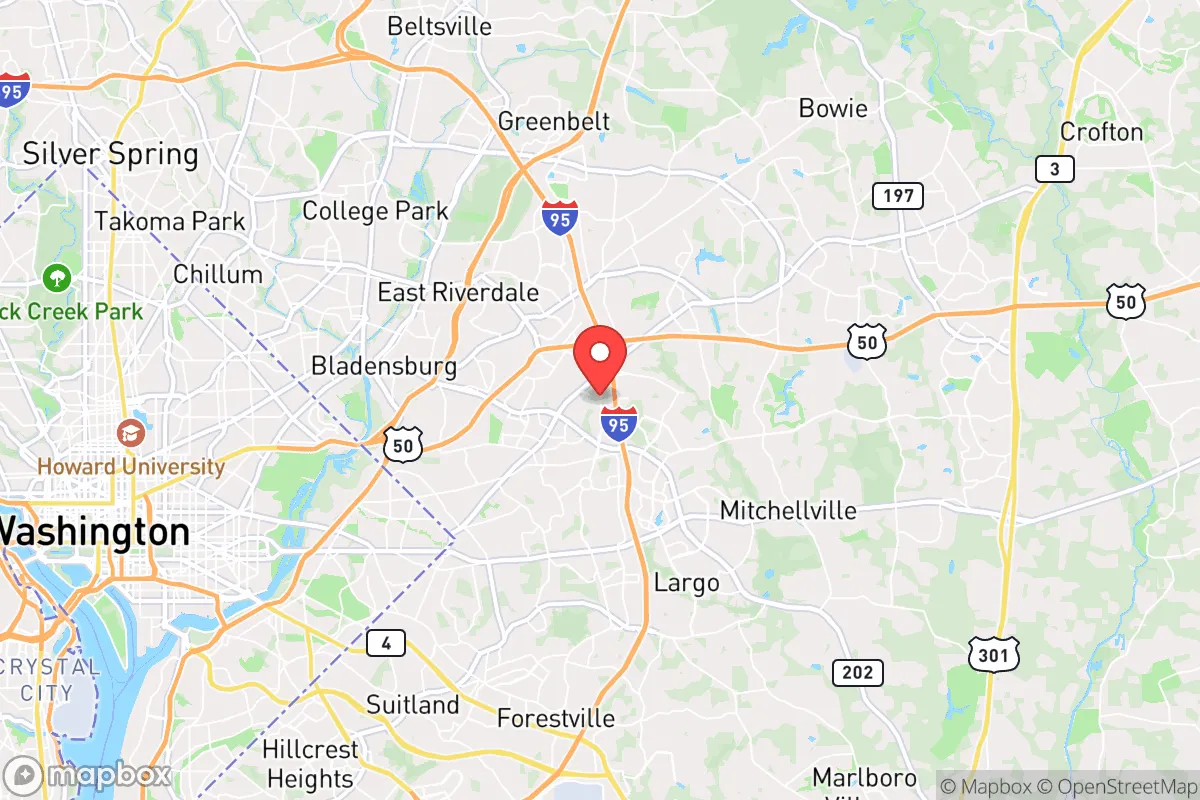
Drive ten minutes west to Bowie, and you’ll find a slightly more purple shade—still blue, but with a few more Republican yard signs and a school board that occasionally pushes back on progressive curriculum mandates. Head north to Laurel, and it’s a similar story: D+20 or so, but with a vocal minority that actually wins some zoning fights. Now go east to Annapolis or south to Waldorf, and you start seeing real contrast. Waldorf’s Charles County has pockets where conservatives can win a county commissioner seat. Glenarden? No chance. We’re surrounded by Prince George’s County’s deep-blue machine, where the party line is gospel. The contrast isn’t subtle—it’s like comparing a one-party state to a two-party town. And that one-party dominance means less debate, less pushback, and more rubber-stamping of policies that feel like they’re written in a D.C. think tank, not a living room in Glenarden.
What this means for residents
For folks who value personal freedom, the reality is sobering. The county’s progressive tilt means you’ll see more government overreach into things that used to be private: mask mandates that lasted longer than the science justified, business closures that hit small shops harder than big chains, and zoning rules that make it nearly impossible to run a home-based business without a dozen permits. Property taxes? They’re high, and they keep climbing to fund programs you might not agree with—like diversity, equity, and inclusion offices that cost six figures and produce nothing measurable. School choice is a joke here; the county fights charter schools tooth and nail. If you want to homeschool, you’ll face more paperwork than a federal contractor. The long-term trend is concerning: each election cycle, the Overton window shifts further left. What was unthinkable ten years ago—like defunding the police or removing school resource officers—is now debated seriously at council meetings. I’ve seen it happen. It’s not a conspiracy; it’s just the slow grind of a one-party system with no incentive to listen to the other side.
Culturally, Glenarden is a Black-majority suburb with deep roots in church and family—values that should align with conservative principles of self-reliance and community. But the local Democratic machine has co-opted that heritage, wrapping progressive policies in the language of social justice. You’ll see it in the street names and the annual Juneteenth parade, but you won’t see it in lower crime rates or better schools. The policy distinction that stings most? The county’s refusal to enforce immigration laws consistently, which strains local resources and makes some neighborhoods feel less safe. If you’re a conservative here, you learn to pick your battles. You support the local little league and the volunteer fire department, and you vote in the primary for the least bad Democrat. It’s not ideal, but it’s home. Just know what you’re signing up for before you move here.

State Political ClimatePolitical Climate in Maryland
State Political AnalysisPolitical Environment in the State
Maryland has long been a solidly blue state in presidential elections, but its political landscape is far more nuanced than the statewide numbers suggest. The Democratic stronghold is driven overwhelmingly by the Washington, D.C. suburbs and Baltimore City, while the rest of the state—particularly the Eastern Shore, Western Maryland, and much of Southern Maryland—votes reliably Republican. Over the past 10-20 years, the state has shifted leftward on cultural and economic issues, driven by rapid suburbanization and an influx of federal workers, but the rural-urban divide has actually widened, with conservative areas feeling increasingly alienated from Annapolis.
Urban vs. rural divide
The political map of Maryland is a tale of two states. The D.C. suburbs—Montgomery County and Prince George's County—are among the most reliably Democratic jurisdictions in the entire country, routinely delivering 70-80% of their votes to Democratic presidential candidates. Baltimore City is similarly deep blue. These three jurisdictions alone contain roughly 40% of the state's population, effectively deciding statewide elections. In contrast, the rural areas tell a different story. Garrett County in the far west, Carroll County north of Baltimore, and the Eastern Shore counties like Queen Anne's and Worcester vote Republican by margins of 20-30 points. Harford County and Anne Arundel County have become competitive swing areas, with Harford trending redder and Anne Arundel trending bluer as the D.C. exurbs creep north. The city of Frederick has become a progressive hub, while the surrounding Frederick County remains a battleground. The divide is not just political but cultural: rural residents feel their values on gun rights, school choice, and local control are under constant assault from the Annapolis legislature.
Policy environment
Maryland's policy environment is decidedly progressive, with a tax burden that consistently ranks among the top 5-10 states in the nation. The state has a graduated income tax that tops out at 5.75% for most earners, but counties add their own piggyback taxes, pushing the effective rate over 9% in places like Montgomery County. Property taxes are high, and the state has a death tax that kicks in at estates over $5 million. On education, Maryland has some of the best-funded public schools in the country, but the Blueprint for Maryland's Future—a massive education reform package passed in 2021—has driven up spending without clear accountability, and parental rights in education have become a flashpoint. The state has a strict gun control regime, including a ban on "assault weapons" and high-capacity magazines, a handgun permit system that was historically "may issue" but was forced to become "shall issue" after the Bruen decision. Election laws are among the most liberal in the country: no-excuse mail-in voting, same-day registration, and automatic voter registration are all in place. The state also has a sanctuary policy that limits cooperation between local law enforcement and federal immigration authorities.
Trajectory & freedom
Maryland is becoming less free by nearly any measure of personal liberty. The most concerning trend for conservatives is the erosion of parental rights. In 2023, the state passed the Trans Health Equity Act, which prohibits insurance companies from excluding coverage for gender transition procedures, including for minors, overriding parental consent concerns. The Maryland Child Victims Act eliminated the statute of limitations for child sexual abuse lawsuits, a move that has led to a flood of litigation against schools and churches. On gun rights, the state passed a law in 2023 banning firearms in "sensitive places" like hospitals and public transit, and the attorney general has aggressively defended these restrictions in court. Property rights have been weakened by the state's Smart Growth policies, which funnel development into designated areas and restrict building in rural zones. The state's Climate Solutions Now Act mandates a 60% reduction in greenhouse gas emissions by 2031, driving up energy costs and restricting land use. On the positive side for conservatives, the state has no income tax on Social Security benefits, and the Tax Reduction Act of 2024 modestly lowered the state's estate tax threshold. But the overall trajectory is toward more regulation, higher taxes, and less local control.
Civil unrest & political movements
Maryland has seen significant civil unrest, most notably the 2015 Baltimore riots following the death of Freddie Gray, which exposed deep racial and economic divides in the city. Since then, Baltimore has seen a rise in organized activist movements on the left, including groups pushing for police reform and defunding. On the right, the Maryland Shall Issue gun rights group has been highly active in litigation, and the Maryland Citizens Defense League has organized large rallies in Annapolis. Immigration politics are a flashpoint: the state's sanctuary policies have led to tensions between the state and the Trump administration, and the city of Baltimore has been a "sanctuary city" since 2012. Election integrity has been a major concern for conservatives, particularly after the 2020 election, when Maryland's mail-in ballot expansion was implemented without a corresponding cleanup of voter rolls. The state has seen a small but vocal "Free State" movement, with some rural counties like Garrett and Allegany passing resolutions asserting local control over Second Amendment rights. The most visible flashpoint for a new resident would be the constant tension between the state's progressive policies and the values of the rural and suburban communities that feel they have no voice in Annapolis.
Projection
Over the next 5-10 years, Maryland is likely to become more progressive, not less. The D.C. suburbs continue to grow, with Montgomery County and Prince George's County absorbing more federal workers and tech professionals who lean left. The exurbs are pushing into Frederick County and Howard County, turning once-purple areas blue. The rural population is aging and shrinking, meaning the Republican base will have less electoral power. The state's Democratic supermajority in the legislature is unlikely to be broken, and the governor's office will likely remain Democratic for the foreseeable future. A new resident moving in now should expect to see continued expansion of government programs, higher taxes, and more restrictions on gun ownership and property use. The one wild card is the potential for a federal policy shift: if the Trump administration or a future Republican Congress were to crack down on sanctuary cities or impose national reciprocity for concealed carry, it could create a legal showdown that might slow the state's leftward march. But barring that, Maryland will continue to be a state where personal freedom is increasingly circumscribed by Annapolis.
Bottom line for a new resident: If you value low taxes, gun rights, school choice, and local control, Maryland is a tough place to live. The state's progressive policies will affect your daily life—from higher costs to more regulations—and your vote will be largely irrelevant in statewide elections. However, if you can afford the cost of living and are willing to fight for your values at the local level, there are still conservative communities in places like Carroll County, Harford County, and the Eastern Shore where you can find like-minded neighbors. Just know that the political winds are blowing against you, and the state's trajectory is toward less freedom, not more.
* Values derived from national, state, county, city and local statistics and may differ in a specific area. Last updated: 2026-04-19T07:41:47.000Z
Narrative content on this page is AI-generated and may contain mistakes. Verify any details that matter before acting on them.
ReloMaps may earn a commission from affiliate links at no extra cost to you.

