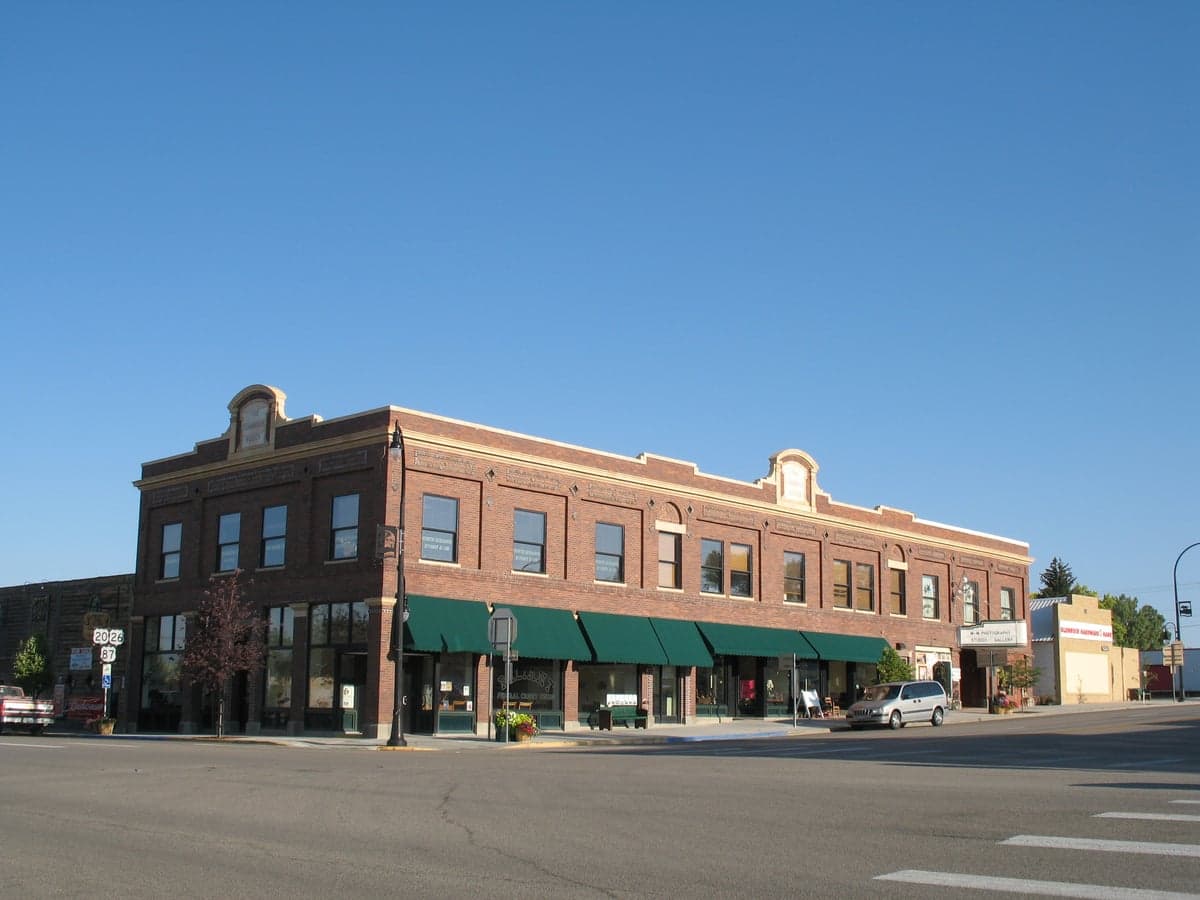
Photo: Wikipedia
Strategic Assessment of Glenrock, WY
Strong survivability profile. Good buffer from population centers, with manageable environmental and tactical risks.
What does the Strategic Assessment tell us?
Our Strategic Assessment grades tactical survivability of an area. Major population centers, military targets, fallout zones, natural disasters, and border exposure all drive risk — lower exposure means a more defensible position in a crisis.
This is heavily inspired by Joel Skousen's Strategic Relocation book. Highly recommended you checkout the book ($)What does this tell us?
Our Strategic Assessment grades tactical survivability of an area. Major population centers, military targets, fallout zones, natural disasters, and border exposure all drive risk — lower exposure means a more defensible position in a crisis.
This is heavily inspired by Joel Skousen's Strategic Relocation book. Highly recommended you checkout the book ($)Strategic Pillars

Key Distances
Regional Safe Places
Below is our recommended "safe zones" in Wyoming and the surrounding area based on our strategic heuristics. For most people, it's unrealistic to live in a “safe zone” full-time due to work, family or other personal reasons. They tend to be more rural. However, many of these areas are perfect for second homes and retreat properties that double as a vacation home or even a short-term rental.
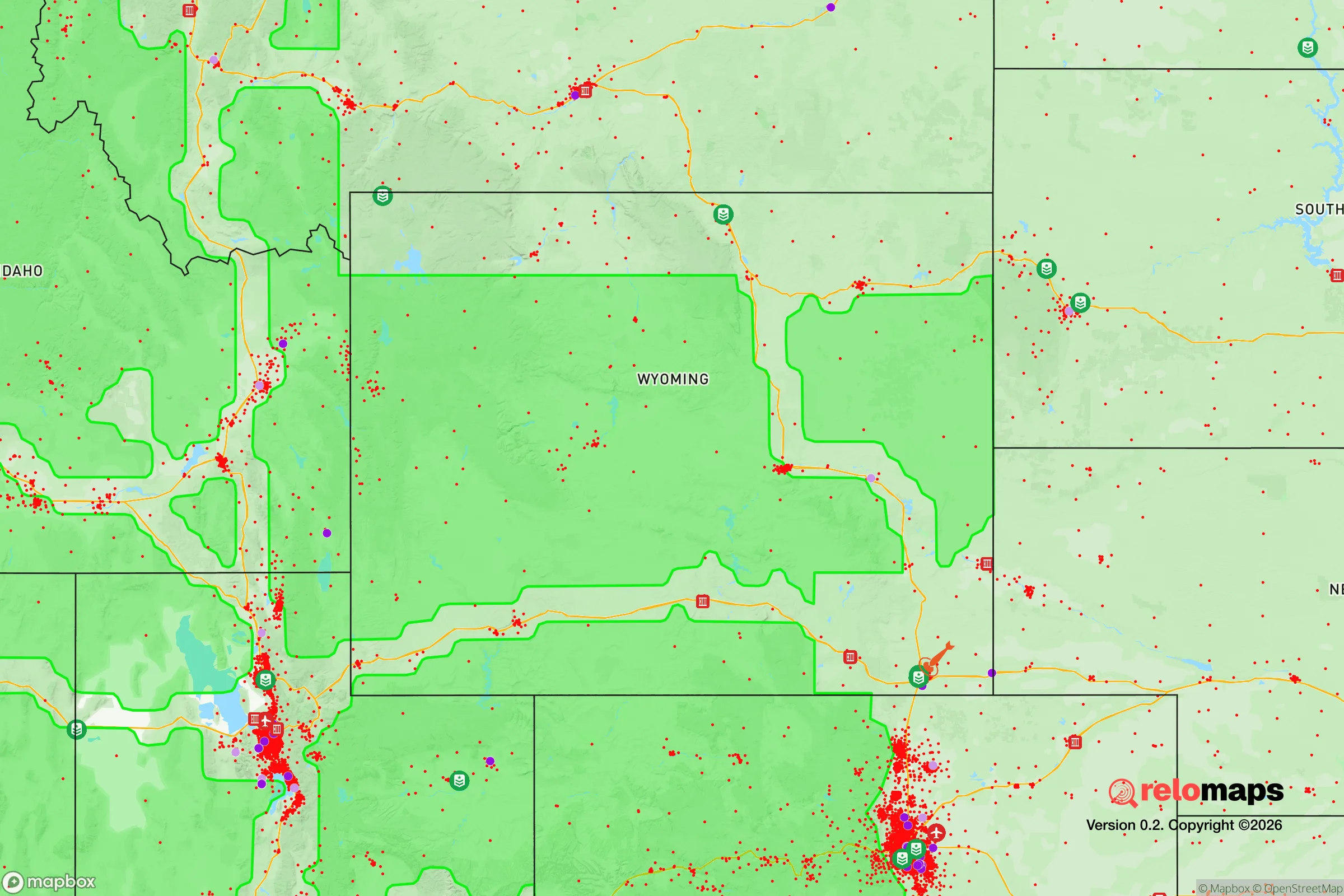
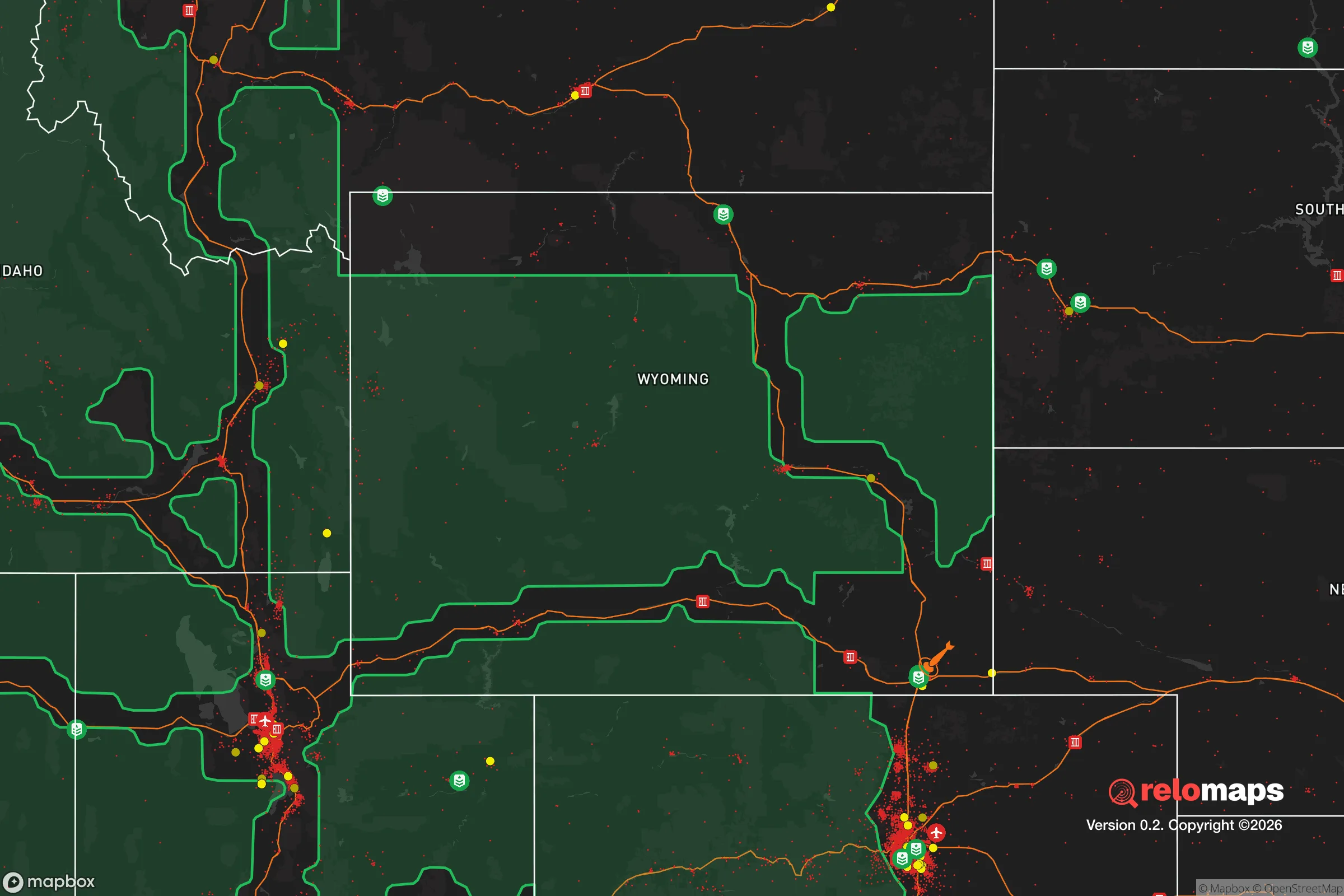


Important Note: For informational purposes only. This does not mean nothing bad ever happens in the green zones. Please use common sense. This is based on public data and modeled with AI. We tried to take a conservative approach but mistakes happen. We update this regularly as new information becomes available.
Solar Generator Recommendations
Backup power matters more here than in safer locations. We've picked three solar generators across budgets and capacity tiers — start with the budget unit if you only need a few essentials, or step up if you want to run a fridge and HVAC for days at a time.

Jackery Portable Power Station Explorer 300
Budget OptionPower on the Go: Weighing only 11 lbs, it's convenient to set up and store with book-sized foldable solar panels

BLUETTI Portable Power Station AC180
Designed for both indoor and outdoor scenarios, AC180 is highly capable as it has a robost capacity and continuous output power.

EF ECOFLOW DELTA Pro Ultra Power Station
Upgraded PickEcoFlow DELTA Pro Ultra is a whole-home energy system designed to grow with your family. Integrated with the Smart Home Panel 2, it scales to meet your evolving energy needs — keeping your home powered, intelligent, and secure through every stage of life.
We earn a commission, at no additional cost to you.
Strategic Assessment Analysis
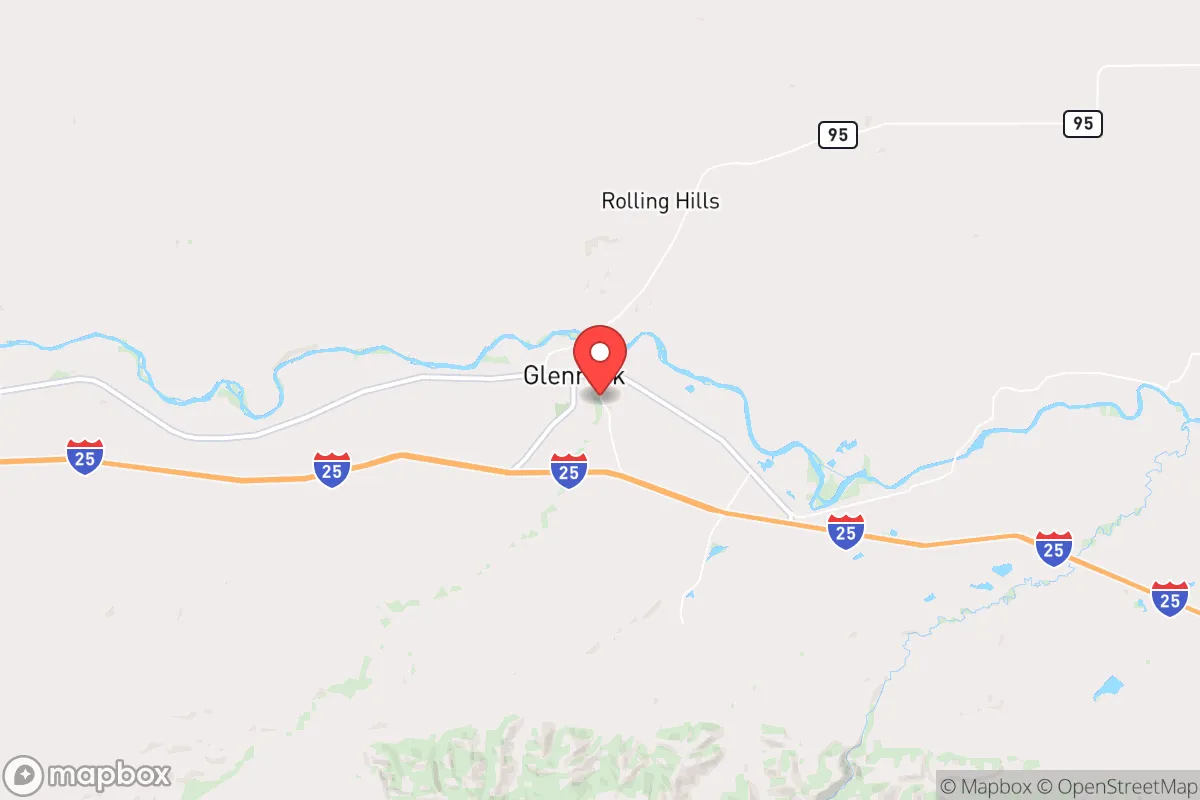
Glenrock, Wyoming, offers a strategic relocation option for those prioritizing resilience, offering a blend of geographic isolation and practical self-sufficiency that is increasingly rare in the Lower 48. Situated along the North Platte River and the I-25 corridor, this town of roughly 2,600 people sits about 20 miles east of Casper and 150 miles north of Denver, placing it far enough from major population centers to avoid the immediate fallout of urban collapse while remaining accessible for supply runs or medical emergencies. The area’s low population density, harsh winters, and limited economic activity have historically discouraged mass migration, which works in favor of those seeking to maintain a low profile and build a sustainable lifestyle away from the chaos of coastal and metropolitan regions.
Geographic position and natural advantages for long-term survival
Glenrock’s location in Converse County provides several natural advantages for a prepper or survivalist mindset. The town sits at the edge of the Wyoming Basin, with the Laramie Mountains to the south and the Thunder Basin National Grassland to the north, offering a mix of open rangeland, rugged hills, and limited tree cover that makes surveillance difficult for outsiders but provides ample hunting and foraging opportunities. The North Platte River runs through the town, providing a reliable surface water source that can be filtered or treated for drinking, irrigation, and livestock—a critical asset in a region where annual precipitation averages only 12-14 inches. The area’s elevation of 5,000 feet and semi-arid climate mean fewer pests and disease vectors compared to wetter, warmer regions, reducing the risk of crop failure or waterborne illness in a grid-down scenario. Additionally, the surrounding land is sparsely populated, with the nearest city of any size (Casper) being a 25-minute drive, meaning that in the event of civil unrest or a mass casualty event, Glenrock is unlikely to see the same refugee flows as towns closer to major highways or urban centers.
Risks, exposures, and proximity to fallout-relevant landmarks
While Glenrock’s isolation is a strength, it is not without strategic vulnerabilities. The town lies within 100 miles of the Wyoming Interstate 25 corridor, which connects Denver to the northern Rockies and could become a chokepoint for displaced populations or military movements during a national emergency. The nearby Casper-Natrona County International Airport (about 30 miles west) and the Transcontinental Railroad line running through Glenrock itself are potential targets for sabotage or logistical disruption, though their low strategic value compared to coastal infrastructure reduces the likelihood of direct attack. More concerning is the proximity to the Wyoming State Capitol in Cheyenne (about 100 miles south) and the F.E. Warren Air Force Base near Cheyenne, which houses intercontinental ballistic missiles—a potential target in a nuclear exchange. However, Glenrock’s distance from Cheyenne (over 100 miles) and its position east of the Laramie Mountains provide some shielding from blast effects and fallout, though prevailing winds from the west could carry radioactive particles toward the area in a worst-case scenario. The region also experiences occasional wildfires, particularly during dry summers, and severe winter storms that can cut off road access for days, making a well-stocked pantry and backup heating essential.
Practical resilience for a relocator: food, water, energy, and defensibility
For a relocator focused on self-sufficiency, Glenrock offers a workable foundation but requires significant preparation. The North Platte River provides a year-round water source, but it is also used for irrigation and livestock watering upstream, so a private well or rainwater catchment system is advisable for independence. The area’s short growing season (roughly 100-120 frost-free days) limits what can be cultivated, but cold-hardy crops like potatoes, carrots, kale, and squash can thrive with proper soil amendment and season extension techniques like hoop houses. Hunting is a viable protein source, with mule deer, pronghorn antelope, and elk common in the surrounding public lands (including the Thunder Basin National Grassland and Medicine Bow National Forest), though tags and regulations apply. For energy, the region has excellent wind resources—Wyoming is one of the top wind-producing states—and ample solar exposure (over 260 sunny days per year), making off-grid solar and small wind turbines practical for a homestead. Defensibility is moderate: the town’s layout along the river and railroad creates natural chokepoints, but the open terrain means a determined group could approach from multiple directions. A rural property with a clear line of sight to the main road and a defensible perimeter (e.g., a fenced acreage with a metal roof and storm cellar) would be ideal. The local community is small and tight-knit, with a strong ranching and energy-industry culture that values self-reliance and firearms ownership—a plus for those seeking like-minded neighbors, though newcomers should expect a period of proving themselves before gaining trust.
The overall strategic picture for Glenrock is one of cautious optimism for the prepared relocator. It is not a bug-out location for those expecting to ride out a short-term crisis—the harsh winters, limited medical facilities (the nearest hospital is in Casper), and lack of major infrastructure make it unsuitable for the unprepared. But for a single individual or family willing to invest in off-grid systems, stockpile supplies, and integrate into a rural community that values independence, Glenrock offers a defensible, low-profile base with access to water, game, and renewable energy. The key trade-off is isolation versus security: you are far from the chaos of cities, but also far from the support networks and resources that come with them. For those who view the current trajectory of the country with concern and want a place where they can control their own food, water, and safety, Glenrock is a solid, if austere, option worth serious consideration.

* Values derived from national, state, county, city and local statistics and may differ in a specific area. Last updated: 2026-04-21T11:37:05.000Z
Narrative content on this page is AI-generated and may contain mistakes. Verify any details that matter before acting on them.
ReloMaps may earn a commission from affiliate links at no extra cost to you.

