Photo: Made with AI
Demographics of Golf, FL
Affluence Level in Golf, FL
An elite concentration of wealth — high incomes, strong home values, advanced degrees, and minimal poverty signal a top-tier socioeconomic profile.
Census doesn't track above $250K
People of Golf, FL
Golf, Florida, is a small, affluent village of 244 residents with a strikingly homogeneous population: 97.5% White, 0.0% Black, and 1.2% Hispanic. Its character is defined by extreme wealth, with 74.2% of adults holding a college degree, and a quiet, insular atmosphere shaped by its origins as a private, gated golf-course community. The people of Golf today are overwhelmingly retirees and wealthy professionals who value seclusion, exclusivity, and proximity to Palm Beach’s amenities without its density.
How the city was settled and grew
Golf was not settled in the traditional sense—it was deliberately created as a planned, private enclave. Incorporated in 1958, the village was developed around the existing Golfview neighborhood and the Palm Beach Par 3 Golf Course, which had been a recreational draw for wealthy winter residents since the 1930s. The original population consisted almost entirely of affluent White families from the Northeast and Midwest who built second homes or permanent retirement residences along the fairways. There was no agricultural or industrial phase; the city was designed from the start as an exclusive residential retreat. The historic core, Fairway Estates, was the first cluster of homes, built in the late 1950s and still home to many of the village’s founding families. The Lakeview Circle area, bordering the course’s water features, attracted a slightly younger wave of professionals in the 1960s and 1970s.
Modern era (post-1965)
After the 1965 Hart-Cellar Act, Golf saw virtually no demographic change—its high property values and restrictive zoning effectively prevented the diversification that reshaped many South Florida communities. The village remained overwhelmingly White and wealthy, with the foreign-born share (9.8%) consisting almost entirely of European retirees, particularly from the United Kingdom and Germany, who purchased homes in the Palm Beach Par 3 Villas section during the 1980s and 1990s. The 0.4% Indian-subcontinent population is a very recent arrival, concentrated in a handful of homes along Golfview Road, likely professionals drawn by the area’s schools and security. No East/Southeast Asian or Black residents are recorded in the data, reflecting the village’s continued exclusivity. Domestic in-migration since 2000 has been almost entirely from other wealthy White enclaves in Palm Beach County and the Northeast, with new construction limited to the Fairway Ridge subdivision, a small gated pocket built in the early 2000s.
The future
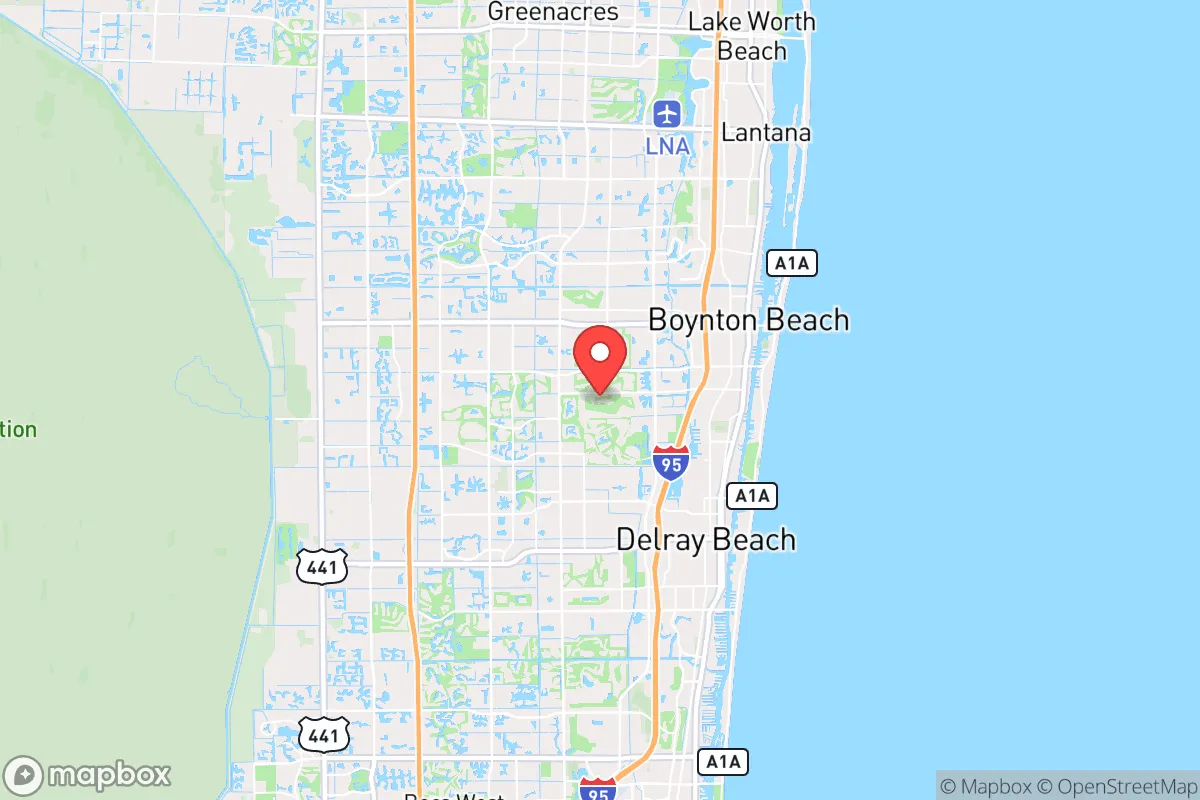
Golf’s population is likely to remain static or shrink slightly over the next 10–20 years. The village has no room for expansion—it is landlocked by the Intracoastal Waterway, the Palm Beach International Airport, and the city of Lake Worth Beach. The 244-person population has been stable for decades, and the aging resident base (median age is well above 60) suggests natural decrease unless younger families buy in. The foreign-born share may rise modestly as wealthy European and Canadian retirees continue to discover the village, but the Indian-subcontinent population is unlikely to grow beyond a few households due to the lack of employment hubs and the high cost of entry. The village is homogenizing further, not tribalizing—there are no distinct ethnic enclaves, only income-based ones. The Fairway Estates and Lakeview Circle neighborhoods remain the most established, while Palm Beach Par 3 Villas may see turnover as older residents pass on their homes to out-of-state buyers.
For someone moving in now, Golf is becoming an even more exclusive, age-restricted-style community—quiet, secure, and demographically static. It offers a predictable, low-crime environment for those who can afford it, but little diversity or dynamism. The population is not heading toward growth or change; it is heading toward preservation of the status quo, making it a stable but insular choice for relocation.

* Values derived from national, state, county, city and local statistics and may differ in a specific area. Last updated: 2026-05-14T01:53:13.000Z
Narrative content on this page is AI-generated and may contain mistakes. Verify any details that matter before acting on them.
ReloMaps may earn a commission from affiliate links at no extra cost to you.

