Photo: Wikipedia
Find The Best Places To Live in Palm Beach County
PRO TIP! You can paste a Zillow or Redfin link to get info on that property.
Best Places to Live in Palm Beach County
Cities & Towns in Palm Beach County
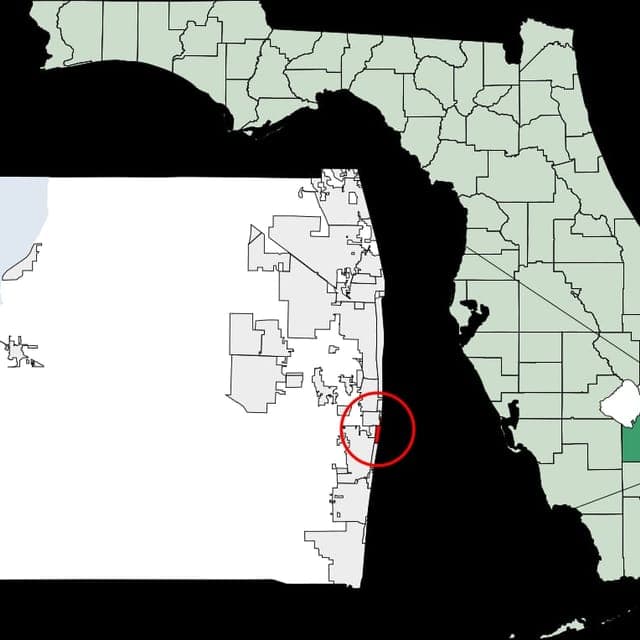
Cities in Palm Beach County
What It's Like Living in Palm Beach County, FL
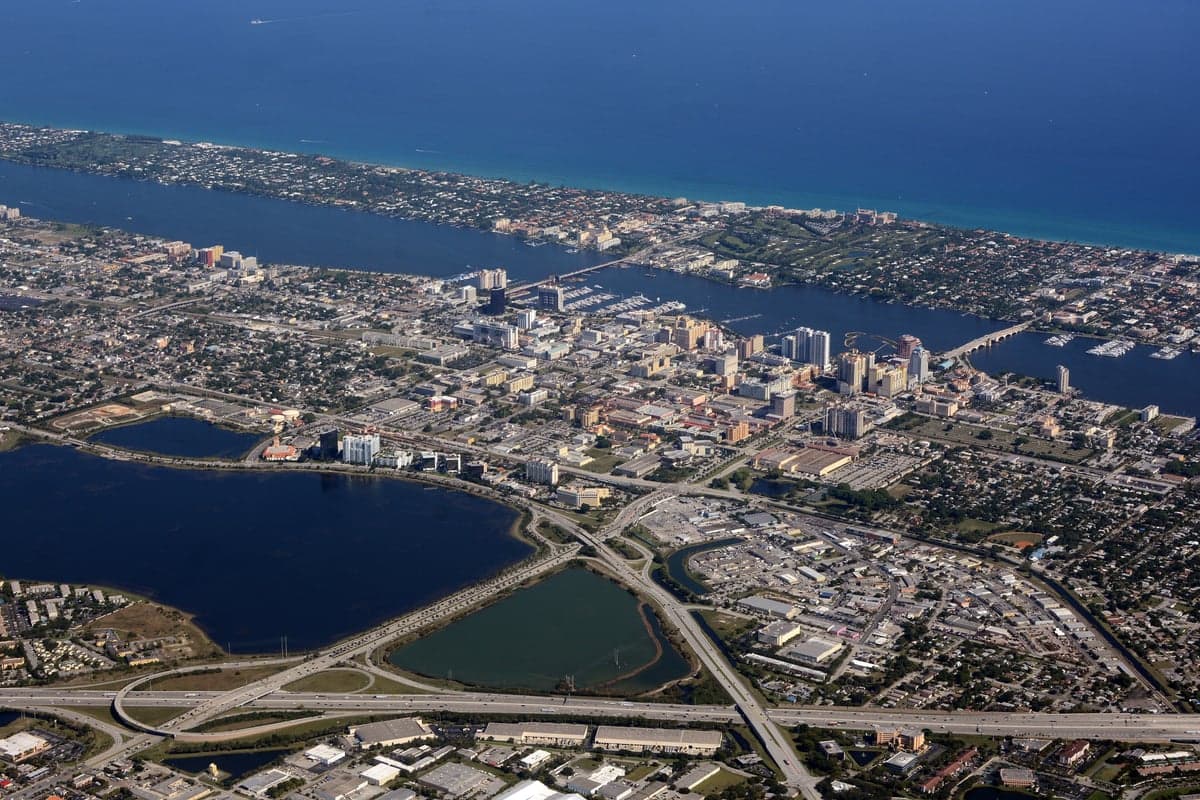
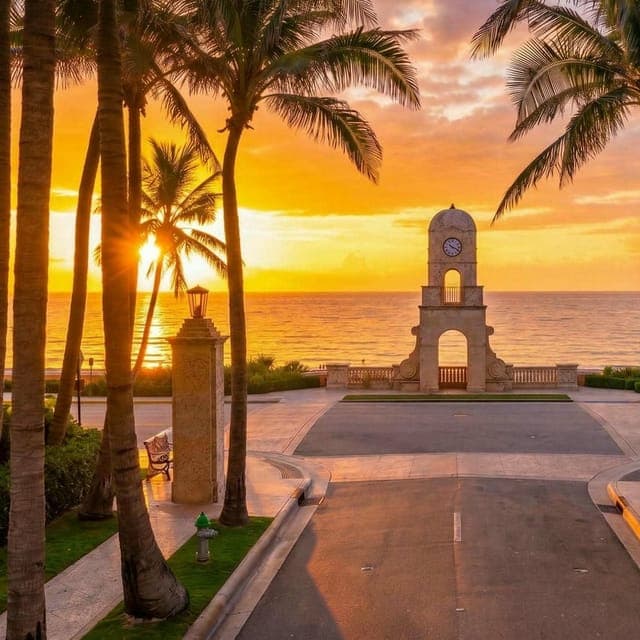
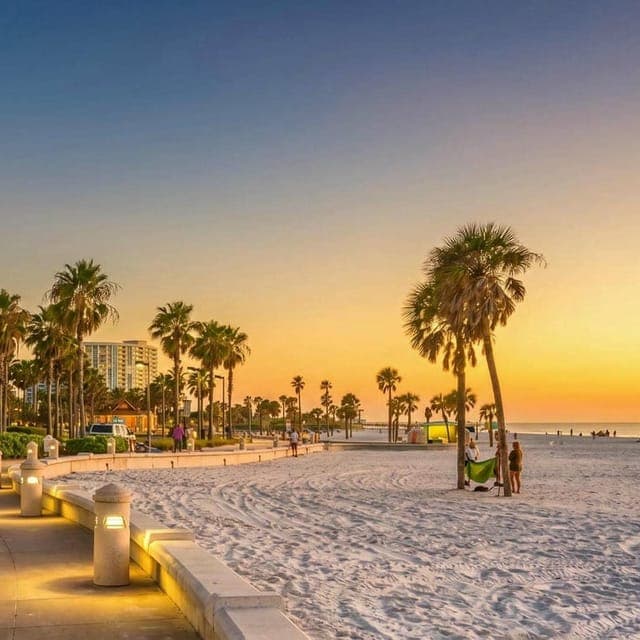
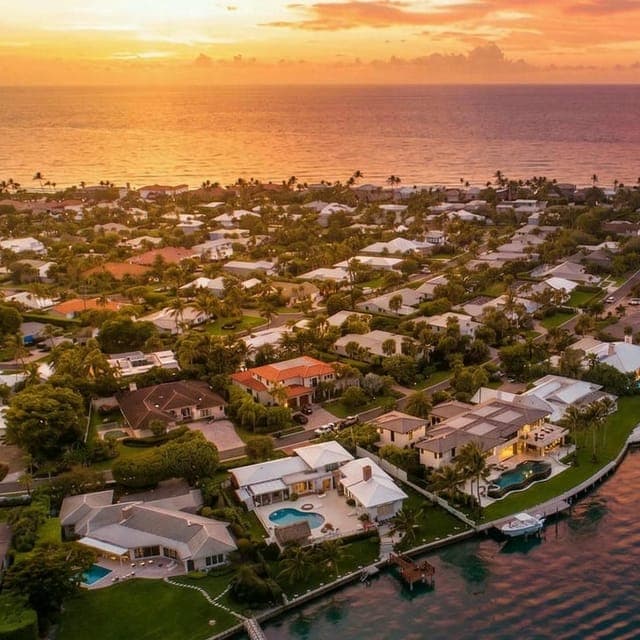
Palm Beach County is a place of contrasts—where the glitz of coastal enclaves like Boca Raton and Palm Beach meets the agricultural flatlands around Belle Glade, and where retirees, snowbirds, and young families all carve out their own rhythms. It leans conservative overall, with voters in most cities routinely backing Republican candidates, but the mix of transplants from the Northeast, Midwest, and Latin America gives it a pragmatic, live-and-let-live culture. You can live here for decades without ever visiting the yacht clubs, or you can throw yourself into the social season—the county offers both lanes.
The Day-to-Day: Traffic, Weather, and Where You Land
Most people’s daily life is defined by their commute and their immediate neighborhood. The average travel time to work is about 26 minutes, which sounds manageable until you’re sitting on I-95 or Florida’s Turnpike during snowbird season (roughly November through April). Cities like West Palm Beach, Delray Beach, and Boca Raton are connected by these arteries, and the farther south you go, the denser traffic gets. If you can live near where you work—say, in Jupiter or Palm Beach Gardens for those in healthcare or tech—you’ll dodge the worst of it. Summer afternoons bring near-daily thunderstorms around 3 or 4 p.m., a reliable rhythm that locals plan around. The schools, especially in wealthier suburbs like Wellington and Boca Raton, carry a lot of weight in the community: real estate listings trumpet school zones, and Friday-night football games at places like Atlantic Community High School in Delray Beach draw crowds that rival small-town turnout up north.
Sports, Festivals, and Weekend Rituals
Sports are a year-round affair here, but they don’t center on a single pro team. Instead, Palm Beach County is a spring-training hub: the Miami Marlins and St. Louis Cardinals share Roger Dean Stadium in Jupiter, and those February-March games are a major social draw for fans and families. High school football is genuinely big in communities like Glades Central High (Belle Glade) and Palm Beach Lakes (West Palm Beach), where local rivalries pack bleachers. For weekend entertainment, SunFest in West Palm Beach (April) brings national bands and a waterfront party, while the South Florida Fair (January) gives inland families a classic midway. Equestrian life is huge in Wellington, where the Winter Equestrian Festival runs from January through March and pulls in top riders from around the world—even if you don’t ride, the scene is a spectacle. Smaller towns like Boynton Beach host art festivals and seafood fests that feel more low-key. The county’s median age is 45.4, so the vibe leans slightly older, but there’s plenty for younger singles and parents if you’re willing to hunt for it: craft breweries in Lake Worth, coffee shops in Delray’s Pineapple Grove, and paddleboarding on the Intracoastal.
Who Thrives Here and Who Might Struggle
The county works best for people who have some financial cushion. The cost of living index sits at 152 (well above the national average), and the median home value is $407,300—that buys a decent but not luxurious 3-bedroom in many areas. The median household income of $81,115 covers the basics, but families in pricier towns like Boca Raton or Jupiter often need two decent incomes or remote work from a higher-wage area. Violent crime runs 206.6 per 100,000 residents, which is below the national average for a county this size; property crime is more of a nuisance in tourist-heavy spots. What longtime residents love: the weather (eight months of near-perfect winter), the lack of state income tax, and the fact that you can find both high-end shopping (The Gardens Mall in Palm Beach Gardens) and real down-home diners (try the smoked fish in Pahokee). What frustrates them: summer humidity that makes outdoor errands sweaty, seasonal traffic spikes, and the sense that county government can be slow to address affordable housing. About 39.6% of adults hold a college degree, so the workforce is educated but competitive—especially in finance, healthcare, and real estate.
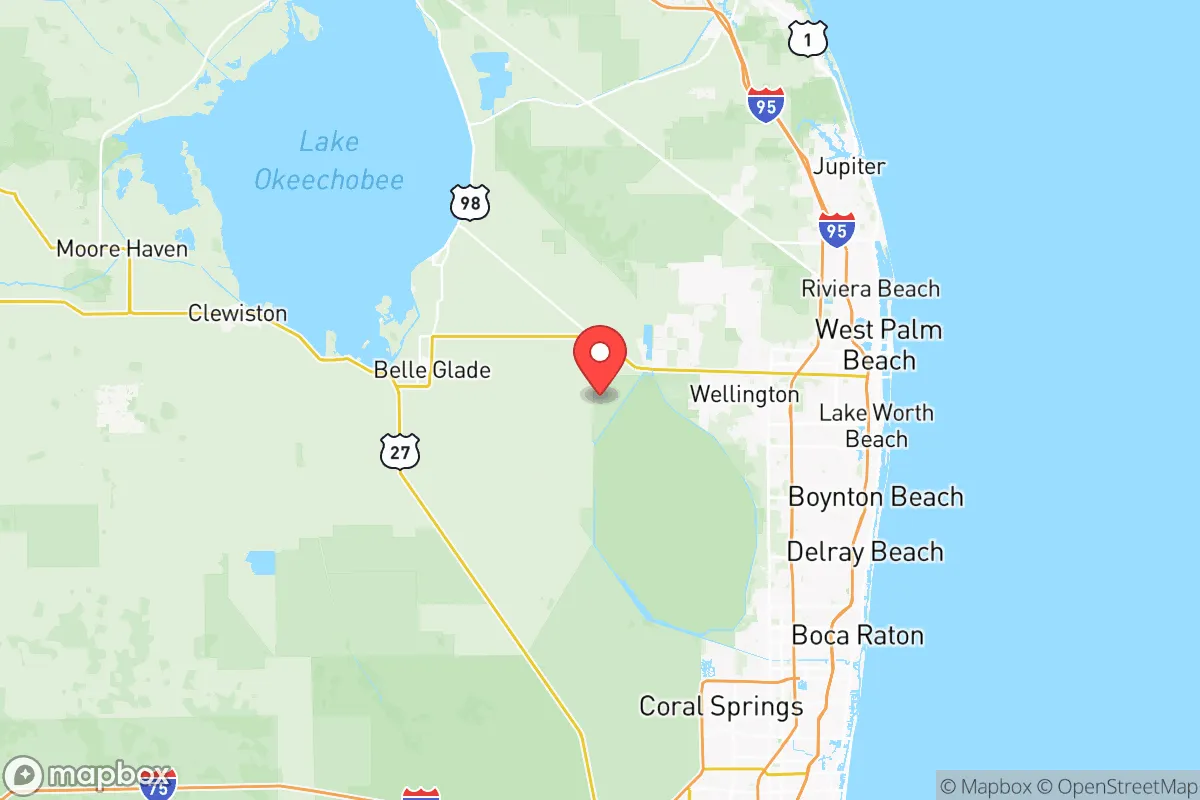
Palm Beach County’s character is split between the coastal strip and the inland farming communities. Belle Glade and South Bay feel like another world: working-class, agricultural, with a much lower cost of living and a pace that fights the coastal rat race. If you’re relocating here, pick the city that fits your job and your temperament. For a conservative-leaning audience, note that local politics in most incorporated cities tilt red, though town councils often focus on development and taxes rather than national culture wars. It’s a place where people mostly want to be left alone to enjoy the sunshine—and where you can find your crowd, whether that’s equestrians in Wellington, retirees in Delray, or young professionals in downtown West Palm’s newly revitalized Clematis Street nightlife.

* Values derived from national, state, county, city and local statistics and may differ in a specific area. Last updated: 2026-06-03T08:02:26.000Z
Narrative content on this page is AI-generated and may contain mistakes. Verify any details that matter before acting on them.
ReloMaps may earn a commission from affiliate links at no extra cost to you.

