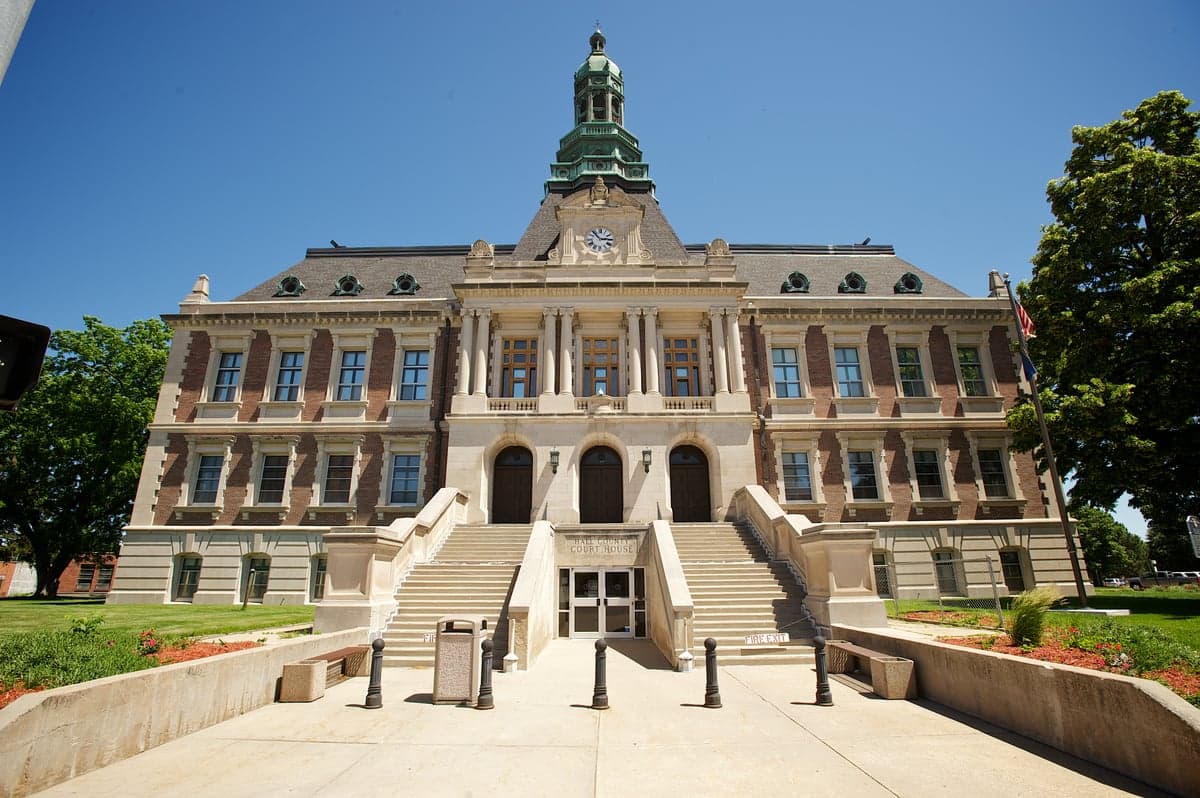
Photo: Wikipedia
Quality of Life in Grand Island, NE
A high quality of life with strong walkability, manageable living costs, healthy neighborhood signals, and solid amenity access.
What does Quality of Life tell us?
Quality of Life blends cost of living, nearby amenities, socioeconomic signals, and neighborhood character. City-level scores represent the whole municipality; individual neighborhoods can differ.
What does this tell us?
Quality of Life blends cost of living, nearby amenities, socioeconomic signals, and neighborhood character. City-level scores represent the whole municipality; individual neighborhoods can differ.
Cost of Living
24% below national average
The Real Cost of Living in Grand Island, NE for 2026
| Tier | Individual | Family (4) |
|---|---|---|
| Survival | $15k | $27k |
| Comfortable | $39k | $58k |
| Luxury | $113k+ | $175k+ |
| Elite (Top 5%) | $137k+ | $213k+ |
108%
The Area Signal
A metric tracking the socioeconomic signals of the area.


Hobbies
Explore the areaGroceries
5 within 10 miles
Gas
0 within 10 miles
Hospital
3 within 20 miles
Airport
MCI — Kansas City International
Post Office
USPS — Grand Island, NE
Critical Amenities
Quality-of-Life Analysis
Grand Island, Nebraska, offers a distinctly affordable quality of life that appeals to families, agricultural workers, and manufacturing professionals seeking a slower pace without sacrificing urban conveniences. With a cost of living index of 76 (24% below the U.S. average), the city provides a financial cushion that allows residents to own homes and save more than in many Midwestern peers. The population of roughly 53,000 is a mix of long-standing farming families, a growing Hispanic community (over 30% of residents), and newcomers drawn by jobs in meatpacking, logistics, and healthcare.
How housing costs and everyday expenses compare to nearby cities
Grand Island’s housing market is notably more accessible than in Lincoln (90 miles east) or Omaha (130 miles east). The median home value sits at $202,600, roughly $70,000 less than the Nebraska state median and about half the national figure. Median rent is $913, well below the $1,200+ averages seen in Lincoln’s newer complexes. Utilities and groceries also track below national averages, keeping monthly budgets lean. The average commute time is just 17 minutes, significantly shorter than the national average of 26 minutes, which translates to lower transportation costs and more time at home. For comparison, residents in Kearney (50 miles west) face similar housing prices but fewer rental options, while those in Hastings (25 miles south) see slightly lower home values but a smaller job base.
What daily life is like for families: schools, parks, and local amenities
Grand Island Public Schools serve roughly 10,000 students across 14 elementary schools, two middle schools, and two high schools, with a graduation rate near 90%. The district offers several magnet programs, including the Grand Island Senior High’s Academy of Engineering and Technology, which partners with local manufacturers. For recreation, the city maintains over 30 parks, the 80-acre Stolley Park with its swimming pool and disc golf course, and the Platte River Trail system for biking and walking. The Grand Island YMCA and the Eddy’s Toyota Center (a 4,500-seat arena) host youth sports leagues and concerts. Dining leans toward family-owned Mexican restaurants, steakhouses, and classic diners, with chains concentrated along Highway 281. The Nebraska State Fair, held annually in Grand Island, draws over 300,000 visitors and anchors the local event calendar. Healthcare is centered on CHI Health St. Francis, a 200-bed hospital with a Level II trauma center, supplemented by several urgent care clinics.
Families and professionals who prioritize affordability, short commutes, and a community-oriented lifestyle will find Grand Island a practical fit. The city works well for those employed in agriculture, meat processing (JBS, Smithfield), manufacturing (Chief Industries, Hornady Manufacturing), or healthcare, where wages stretch further due to low housing costs. Retirees on fixed incomes also benefit from the low cost of living, though those seeking vibrant nightlife or high-end retail may prefer Lincoln or Omaha. For anyone valuing financial breathing room and a slower daily rhythm, Grand Island delivers a stable, grounded quality of life.

Crime in Grand Island, NE
Generally safer than 60% of comparable U.S. locations.
Violent CrimeViolent Crime Analysis
Property CrimeProperty Crime Analysis
Crime Analysis
Grand Island, Nebraska, reports a violent crime rate of 380.8 incidents per 100,000 residents and a property crime rate of 1,716.5 per 100,000, placing it above both state and national averages for overall crime. While not among the most dangerous cities in the state, these figures indicate that residents face a notably higher risk of victimization compared to the typical Nebraska community. The city’s safety profile is shaped by its status as a regional economic hub and the associated challenges of a growing population, including property theft and occasional violent offenses.
Crime in context
Grand Island’s violent crime rate of 380.8 per 100,000 is roughly 10% higher than the national average and significantly exceeds Nebraska’s statewide rate of approximately 280 per 100,000. Property crime, at 1,716.5 per 100,000, is about 20% above the national average and nearly double the Nebraska state average of roughly 1,400 per 100,000. These numbers place Grand Island in a higher-risk tier among Nebraska cities, comparable to Lincoln but below Omaha’s rates. The elevated property crime figure is driven largely by larceny-theft and motor vehicle theft, which are common in communities with a mix of residential, commercial, and industrial zones.
What residents experience
Residents report that property crime—particularly theft from vehicles, burglary, and shoplifting—is the most frequent safety concern in daily life. Violent crime, while less common, includes aggravated assault as the dominant category, with robbery and rape occurring at lower frequencies. The presence of a progressive judicial philosophy in Hall County’s court system is a factor that local observers cite as contributing to higher recidivism and a perception of leniency. Prosecutorial and sentencing policies that prioritize rehabilitation over incarceration can result in offenders returning to the community more quickly, which some residents believe undermines public safety and victim justice. This dynamic is especially relevant in a city where property crime rates are already elevated, as repeat offenders may drive a cycle of theft and vandalism.
Neighborhood-level variation in Grand Island is notable. Areas near the downtown core and along the South Locust Street corridor tend to report higher concentrations of both property and violent crime, while newer subdivisions on the city’s north and west sides generally experience lower incident rates. The South Central neighborhood, near the former Union Pacific rail yards, has historically seen more police calls for service. Residents in lower-crime areas still benefit from community policing efforts and neighborhood watch programs, but the overall citywide data suggests that vigilance is warranted regardless of location. For those considering relocation, focusing on the northwest and far west quadrants offers the most favorable safety profile within Grand Island’s city limits.
* Values derived from national, state, county, city and local statistics and may differ in a specific area. Last updated: 2026-04-19T12:33:05.000Z
Narrative content on this page is AI-generated and may contain mistakes. Verify any details that matter before acting on them.
ReloMaps may earn a commission from affiliate links at no extra cost to you.

