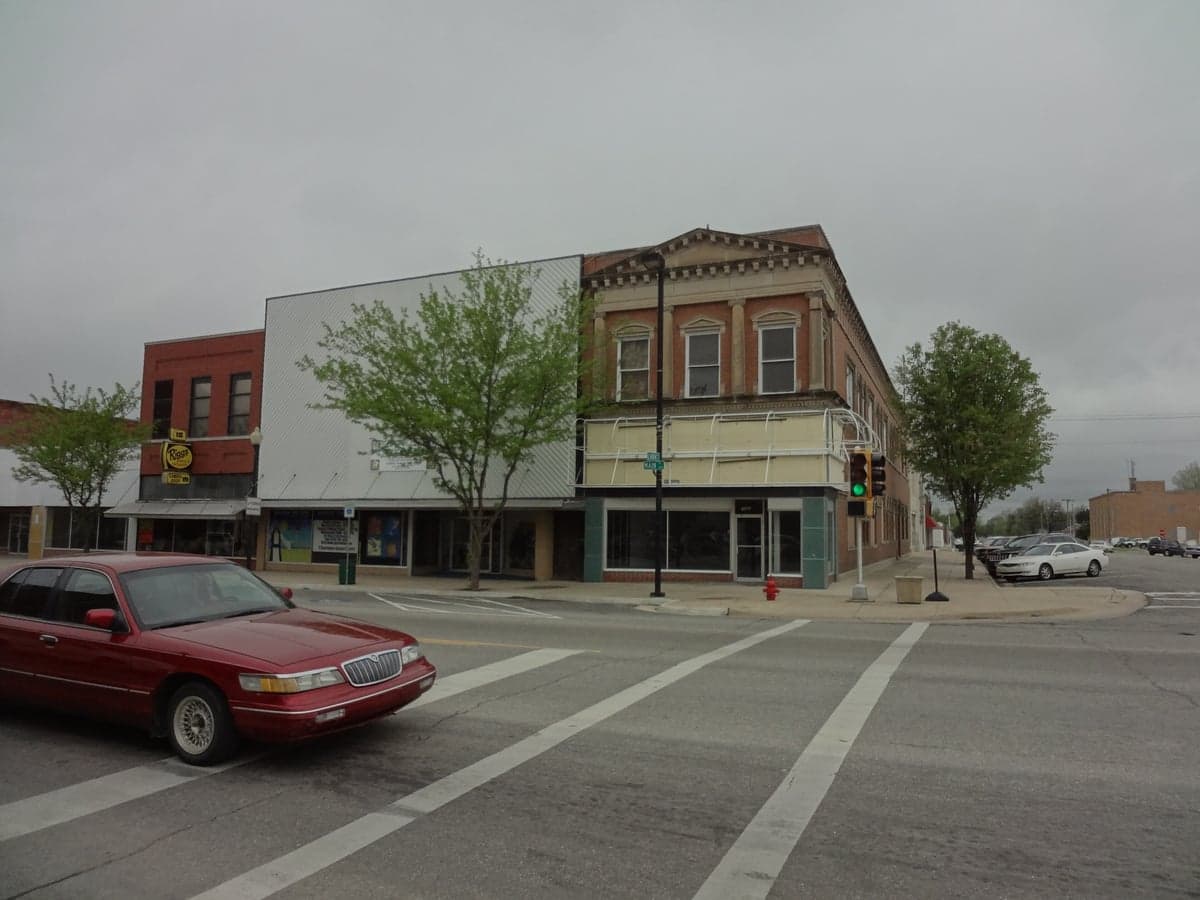
Photo: Wikipedia
Quality of Life in Great Bend, KS
A high quality of life with strong walkability, manageable living costs, healthy neighborhood signals, and solid amenity access.
What does Quality of Life tell us?
Quality of Life blends cost of living, nearby amenities, socioeconomic signals, and neighborhood character. City-level scores represent the whole municipality; individual neighborhoods can differ.
What does this tell us?
Quality of Life blends cost of living, nearby amenities, socioeconomic signals, and neighborhood character. City-level scores represent the whole municipality; individual neighborhoods can differ.
Cost of Living
45% below national average
The Real Cost of Living in Great Bend, KS for 2026
| Tier | Individual | Family (4) |
|---|---|---|
| Survival | $12k | $22k |
| Comfortable | $23k | $34k |
| Luxury | $88k+ | $137k+ |
| Elite (Top 5%) | $104k+ | $161k+ |
157%
The Area Signal
A metric tracking the socioeconomic signals of the area.
Hobbies
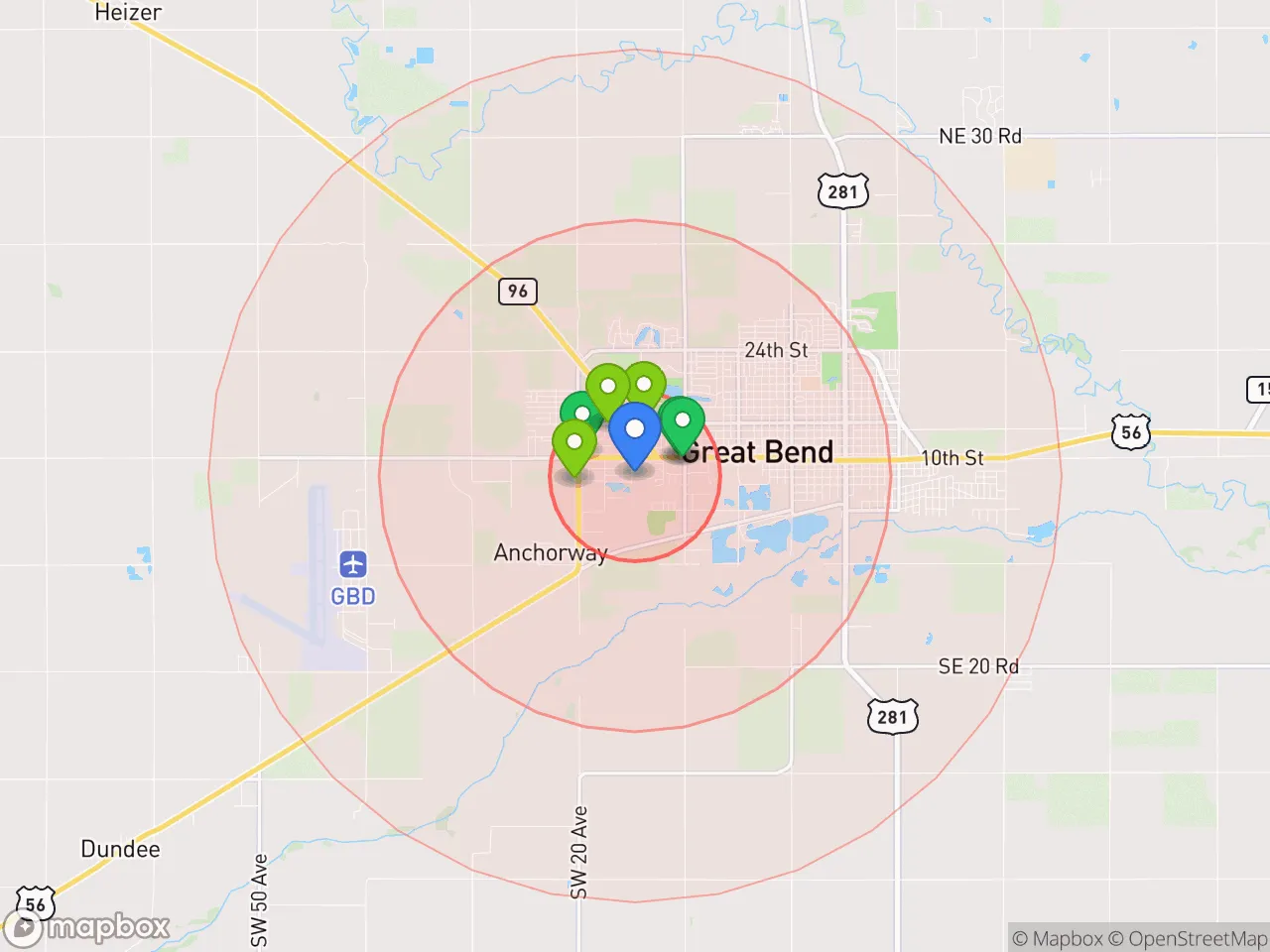
Explore the areaGroceries
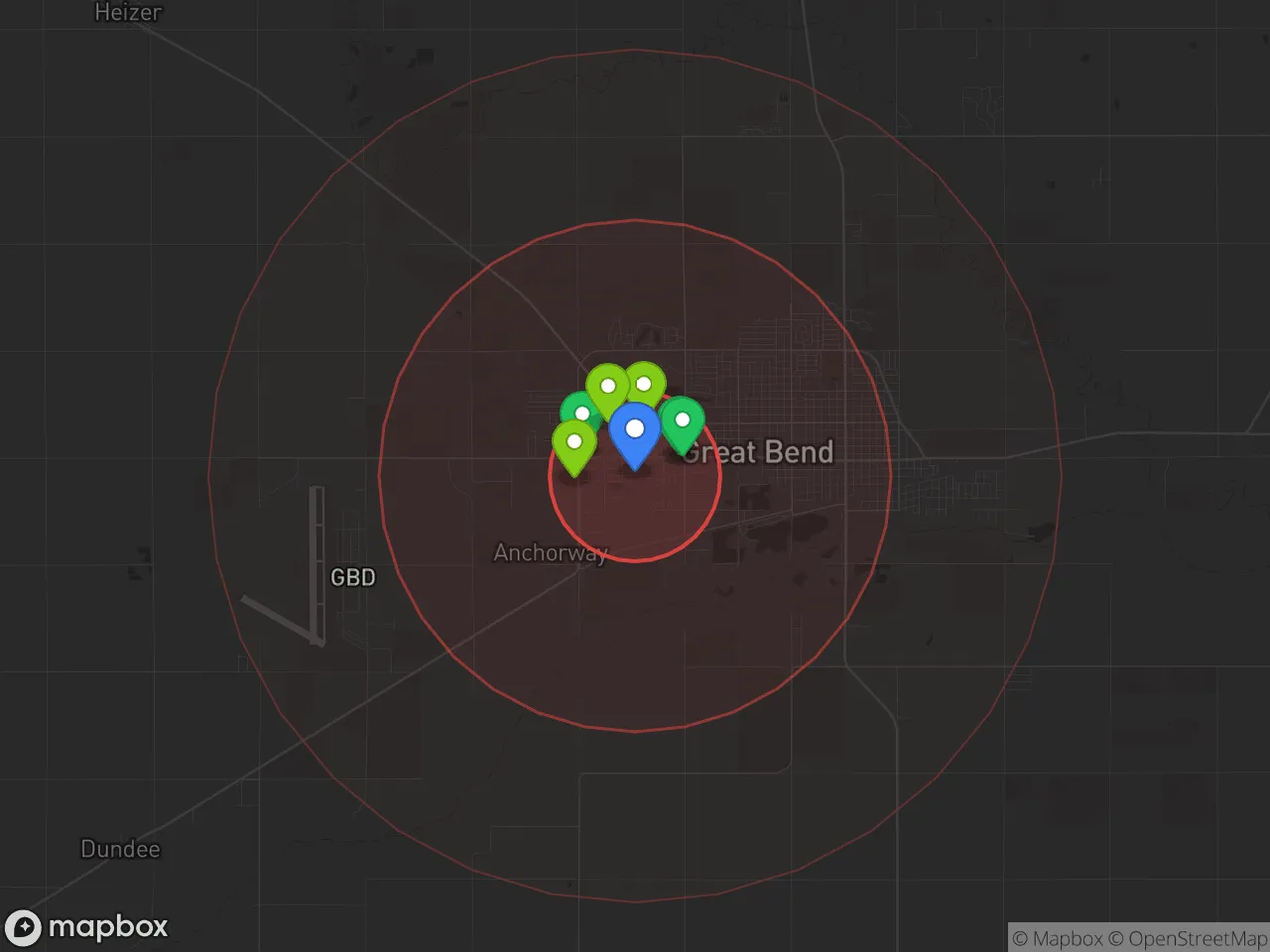
2 within 10 miles
Gas
7 within 10 miles
Hospital
3 within 20 miles
Airport
MCI — Kansas City International
Post Office
USPS — Great Bend, KS
Critical Amenities
Quality-of-Life Analysis
Great Bend, Kansas, offers a quality of life defined by exceptional affordability and a slower, family-oriented pace, attracting a mix of retirees, young families, and workers in agriculture and healthcare. With a cost of living index of 55 (45% below the U.S. average), the area is one of the most budget-friendly communities in central Kansas, drawing residents who prioritize financial stability and space over urban amenities. The population skews slightly older and more settled, with a median age around 38, reflecting a community where long-term roots and neighborly connections are the norm.
How affordable is Great Bend compared to nearby towns like Hays or Dodge City?
Great Bend’s housing market is a standout driver of its low cost of living. The median home value sits at $118,700, roughly half the national median and significantly cheaper than in Hays (where homes average around $200,000) or Dodge City (around $150,000). Median rent is just $744, making it a viable option for renters seeking space without a high income. The average commute of 13.96 minutes is among the shortest in the state, meaning residents save both time and fuel—a practical advantage for workers at major employers like the Great Bend Regional Hospital or the local school district. Property taxes remain low relative to Kansas averages, and utilities are generally below national norms, further stretching household budgets.
What daily life is like for families: schools, amenities, and local rhythm
Daily life in Great Bend centers on a compact, walkable downtown and a network of parks and community events. The Great Bend USD 428 school district serves the area, with Great Bend High School offering a range of extracurriculars and a graduation rate near 90%. For families, the Barton County Historical Society Museum and the Great Bend Zoo provide low-cost weekend outings, while the Arkansas River offers fishing and kayaking opportunities. The city’s retail and dining options are modest—anchored by a Walmart Supercenter and local diners—but residents drive 30–40 minutes to Hays for larger shopping or specialty healthcare. The community calendar is filled with events like the Great Bend AirFest and the Barton County Fair, which reinforce a tight-knit social fabric. Healthcare access is solid for a town of 15,000, with the Great Bend Regional Hospital providing emergency and specialty care, though complex cases require a trip to Wichita (about 90 minutes south).
Great Bend is best suited for those who value low stress, low costs, and a predictable routine over cultural diversity or career variety. Retirees on fixed incomes, remote workers seeking a quiet base, and families who want a safe, affordable environment for raising children will find the most satisfaction here. Professionals in agriculture, healthcare, or education will also fit naturally, as these sectors dominate the local economy. However, singles or young professionals seeking nightlife, high-end dining, or rapid career advancement may find the pace too slow and the options too limited. For anyone prioritizing financial breathing room and community connection over urban excitement, Great Bend delivers a stable, grounded quality of life.

Crime in Great Bend, KS
Generally safer than 74% of comparable U.S. locations.
Violent CrimeViolent Crime Analysis
Property CrimeProperty Crime Analysis
Crime Analysis
Great Bend, Kansas, reports a violent crime rate of 323.7 incidents per 100,000 residents and a property crime rate of 1,252.6 per 100,000, placing it above the national average for both categories. While not among the most dangerous cities in the state, these figures indicate a community where residents face a tangible risk of theft, burglary, and assault. The local criminal justice system, operating under Kansas state law rather than the progressive prosecutorial policies common in large coastal metros, generally applies standard sentencing guidelines, which can influence public perception of safety and accountability.
Crime in context
Great Bend’s violent crime rate is roughly 15% higher than the national average of approximately 280 per 100,000, while its property crime rate exceeds the national figure by about 25%. Compared to the state of Kansas, which reported a violent crime rate near 320 per 100,000 in recent years, Great Bend is slightly above the statewide mark. Property crime in the city is notably higher than the Kansas average of roughly 1,100 per 100,000. This disparity suggests that property offenses—particularly larceny and vehicle theft—are a more pressing concern for residents than violent incidents. The city’s location along Highway 281 and proximity to Interstate 70 may contribute to transient crime, as travelers and truck traffic pass through the area.
What residents experience
Daily life in Great Bend involves a moderate level of caution, especially regarding vehicle and home security. Property crimes, including burglary and theft from vehicles, are the most commonly reported offenses. Violent crimes, while less frequent, do occur and are often concentrated in specific circumstances, such as domestic disputes or incidents involving known individuals. The Barton County Sheriff’s Office and Great Bend Police Department maintain a visible presence, and community policing efforts are active. Unlike jurisdictions with progressive district attorneys who deprioritize certain charges or reduce bail, Great Bend’s legal environment follows traditional Kansas statutes, meaning offenders are more likely to face prosecution and detention. This can provide a sense of procedural justice for victims, though it does not eliminate the underlying crime risks.
Neighborhood-level variation in Great Bend is modest but noticeable. Areas near the downtown core and along major commercial corridors like 10th Street and Main Street see higher foot traffic and associated property crime. Residential neighborhoods on the city’s east and south sides generally report lower incident rates, while areas closer to the Arkansas River and industrial zones may experience occasional theft or vandalism. Prospective residents should consult local crime mapping tools and consider specific block-level data when choosing a home, as even within a small city, safety can vary significantly from one street to the next.
* Values derived from national, state, county, city and local statistics and may differ in a specific area. Last updated: 2026-04-29T18:44:47.000Z
Narrative content on this page is AI-generated and may contain mistakes. Verify any details that matter before acting on them.
ReloMaps may earn a commission from affiliate links at no extra cost to you.

