Strategic Assessment of Great Falls, VA
Meaningful friction. Expect exposure to either population pressure, blast zones, or natural disaster risk. Consider buying a retreat property.
What does the Strategic Assessment tell us?
Our Strategic Assessment grades tactical survivability of an area. Major population centers, military targets, fallout zones, natural disasters, and border exposure all drive risk — lower exposure means a more defensible position in a crisis.
This is heavily inspired by Joel Skousen's Strategic Relocation book. Highly recommended you checkout the book ($)What does this tell us?
Our Strategic Assessment grades tactical survivability of an area. Major population centers, military targets, fallout zones, natural disasters, and border exposure all drive risk — lower exposure means a more defensible position in a crisis.
This is heavily inspired by Joel Skousen's Strategic Relocation book. Highly recommended you checkout the book ($)Strategic Pillars

Key Distances
Regional Safe Places
Below is our recommended "safe zones" in Virginia and the surrounding area based on our strategic heuristics. For most people, it's unrealistic to live in a “safe zone” full-time due to work, family or other personal reasons. They tend to be more rural. However, many of these areas are perfect for second homes and retreat properties that double as a vacation home or even a short-term rental.
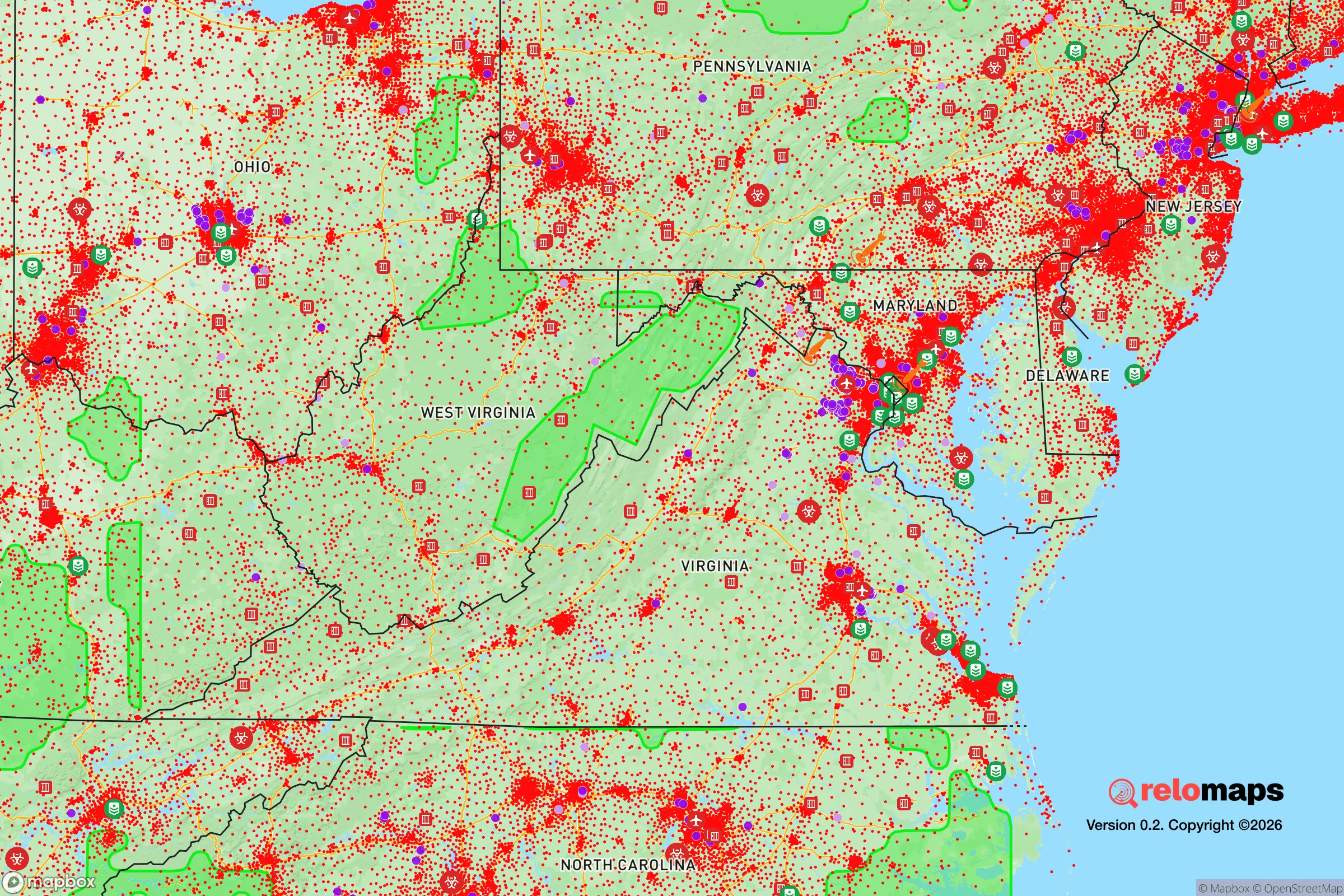
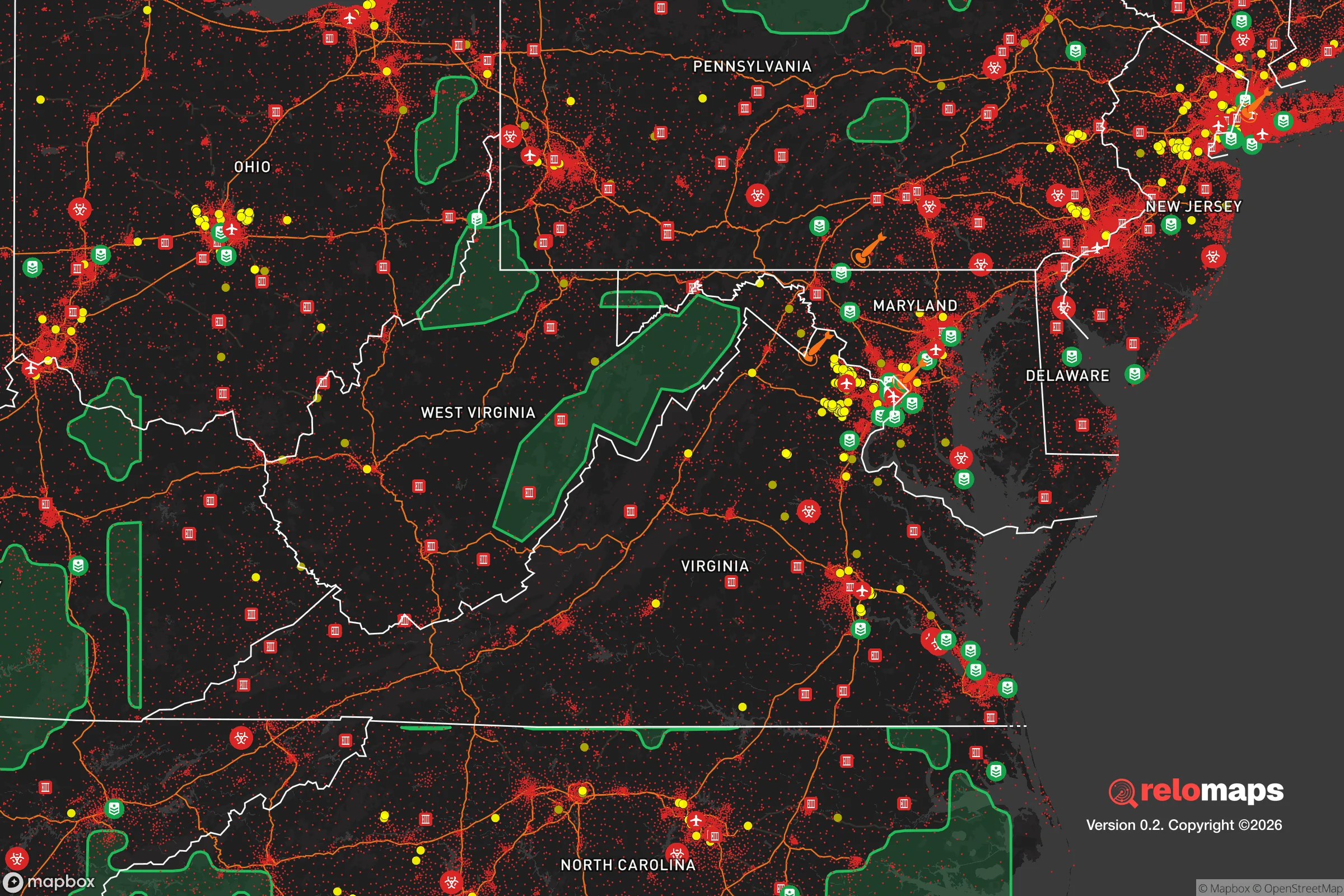


Important Note: For informational purposes only. This does not mean nothing bad ever happens in the green zones. Please use common sense. This is based on public data and modeled with AI. We tried to take a conservative approach but mistakes happen. We update this regularly as new information becomes available.
Solar Generator Recommendations
Backup power matters more here than in safer locations. We've picked three solar generators across budgets and capacity tiers — start with the budget unit if you only need a few essentials, or step up if you want to run a fridge and HVAC for days at a time.

Jackery Portable Power Station Explorer 300
Budget OptionPower on the Go: Weighing only 11 lbs, it's convenient to set up and store with book-sized foldable solar panels

BLUETTI Portable Power Station AC180
Designed for both indoor and outdoor scenarios, AC180 is highly capable as it has a robost capacity and continuous output power.

EF ECOFLOW DELTA Pro Ultra Power Station
Upgraded PickEcoFlow DELTA Pro Ultra is a whole-home energy system designed to grow with your family. Integrated with the Smart Home Panel 2, it scales to meet your evolving energy needs — keeping your home powered, intelligent, and secure through every stage of life.
We earn a commission, at no additional cost to you.
Strategic Assessment Analysis
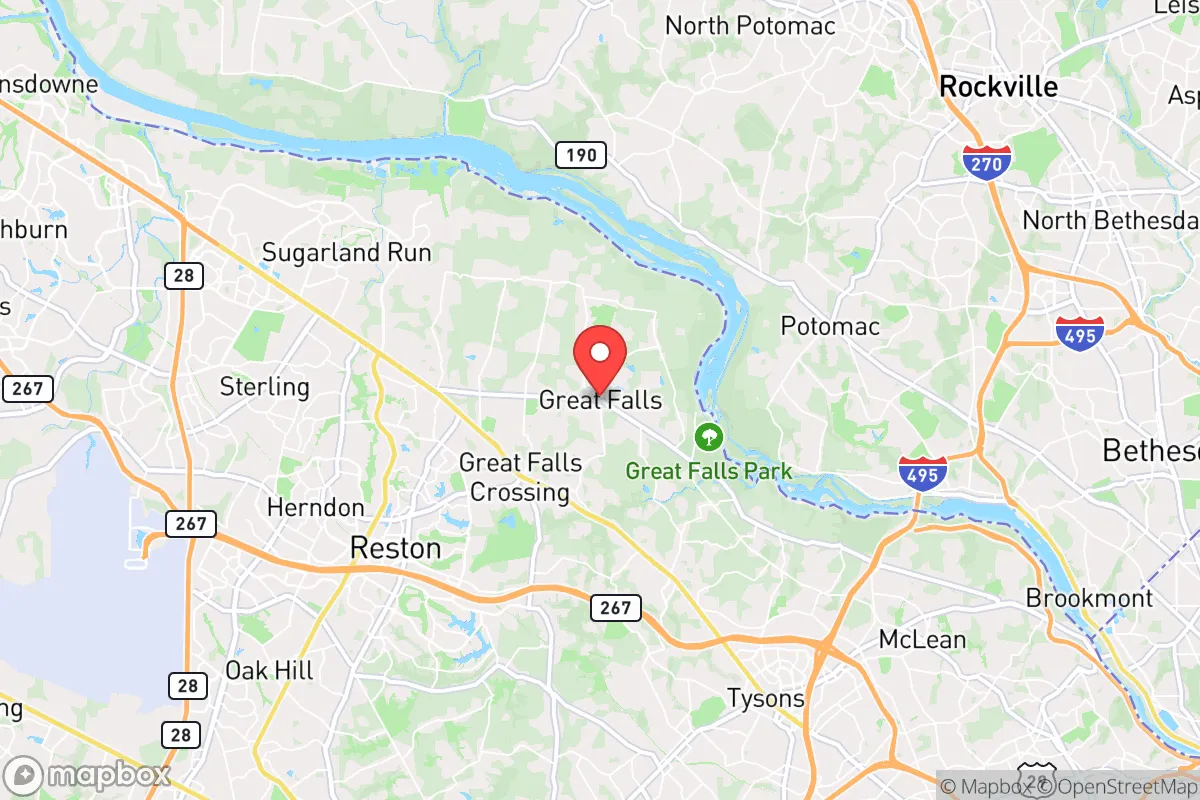
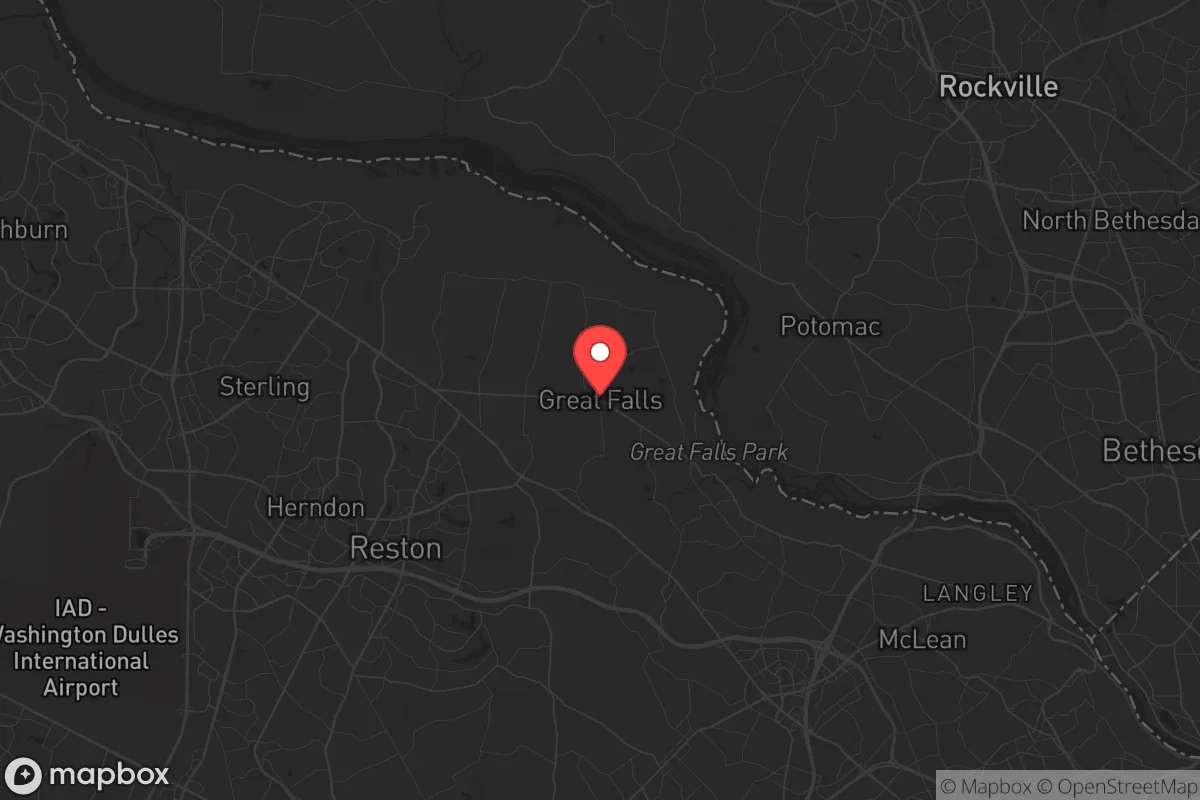
Great Falls, Virginia offers a rare combination of strategic depth and proximity to power that makes it a serious candidate for a relocation base in an era of increasing uncertainty. Its position along the Potomac River, just inside the outer ring of the Washington D.C. metro area, provides a buffer from the immediate chaos of a major urban collapse while still allowing access to critical infrastructure and supply lines. For the conservative prepper or survivalist, this is not a retreat into the wilderness—it is a calculated forward position, one that balances defensibility with the ability to monitor and respond to events unfolding in the nation’s capital.
Geographic position and natural advantages for long-term security
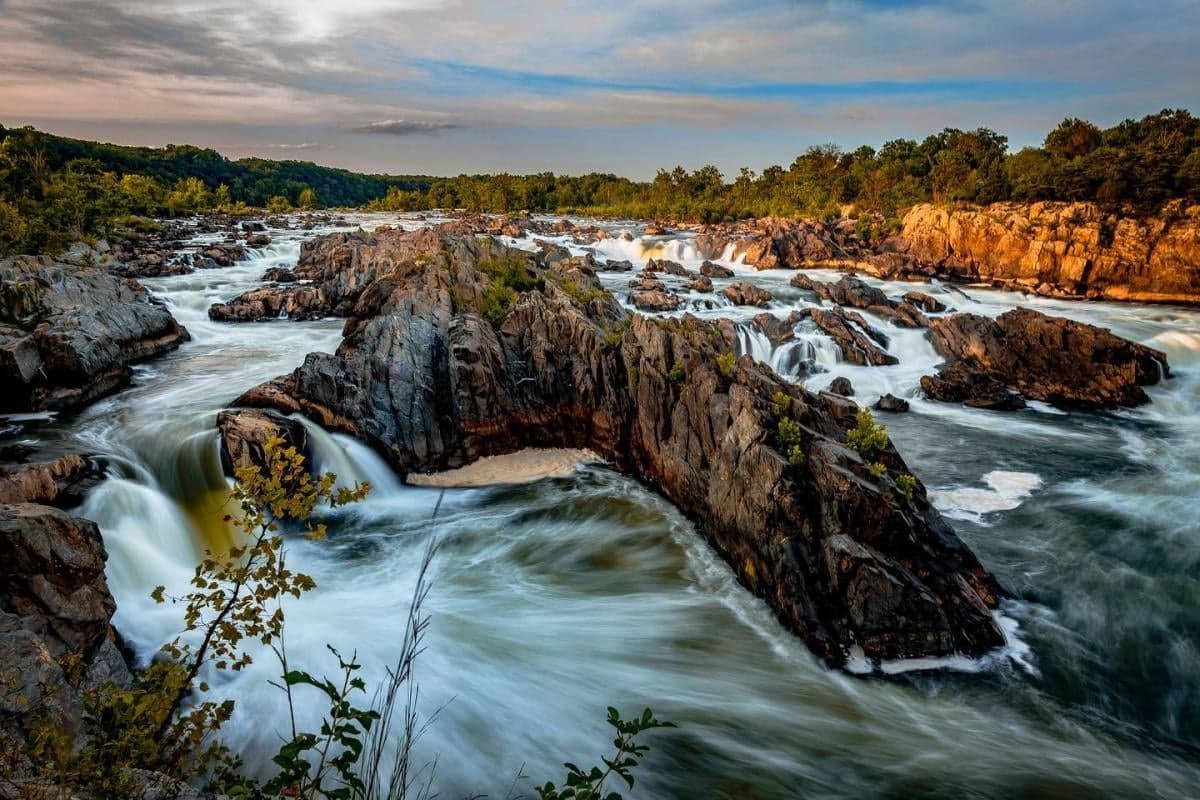
Great Falls sits on a high bluff overlooking the Potomac River, a natural defensive feature that has been recognized since colonial times. The area’s topography—steep ravines, dense hardwood forests, and limited road access—creates natural chokepoints that would slow any large-scale movement into the neighborhood. The river itself is a double-edged asset: it provides a reliable water source and a potential barrier to approach from the east, but it also concentrates traffic onto a handful of bridges and crossings that could become contested in a crisis. The surrounding countryside, including the nearby Bull Run Mountains and the vast tracts of parkland like Great Falls Park and Riverbend Park, offers multiple egress routes on foot or by vehicle if primary roads become impassable. For a relocator, the key advantage is that Great Falls is not a suburban sprawl—it is a low-density enclave of large lots, many with mature tree cover, that provide natural concealment and reduce the risk of being caught in a mass evacuation gridlock.
Risks, exposures, and proximity to fallout-relevant landmarks
No strategic analysis of Great Falls is complete without acknowledging its proximity to high-value targets. The area lies roughly 15 miles northwest of the White House and the National Mall, placing it within the blast and fallout radius of a nuclear detonation in D.C. The CIA headquarters in Langley, the Pentagon in Arlington, and the numerous military installations along the I-95 corridor are all within a 20- to 30-mile radius. In a major conflict or terrorist event, Great Falls would be downwind of any strike on the capital, and the prevailing winds from the southwest would carry fallout directly over the area. Additionally, the nearby Dulles International Airport is a major logistical hub that could become a target or a source of mass chaos during an evacuation. The risk of civil unrest is also elevated: Great Falls is a wealthy, politically connected community, and in a societal breakdown, it could become a target for looting or forced requisition by desperate populations from less affluent areas. The relocator must plan for the possibility that the very assets that make Great Falls attractive—its wealth, its proximity to power, its infrastructure—could also make it a magnet for trouble.
Practical resilience for a relocator: food, water, energy, and defensibility
For the individual or family looking to establish a resilient homestead, Great Falls presents a mixed picture. The area’s large lots—typically 1 to 5 acres—allow for private wells, septic systems, and substantial gardening space, but the local water table is deep and well drilling can be expensive. Most homes are on municipal water from Fairfax Water, which is vulnerable to contamination or disruption if the treatment plants lose power. A serious prepper should budget for a backup well or a rainwater catchment system with at least 1,000 gallons of storage. The electrical grid is reliable under normal conditions, but the area is prone to storm-related outages from nor’easters and occasional hurricanes; a whole-house generator with a buried propane tank is standard among long-term residents. Solar panels are viable, though tree cover limits their effectiveness on many properties. Food security is a challenge: Great Falls has no significant agricultural base, and the nearest major grocery stores are 10 to 15 minutes away by car. A relocator should plan for at least a 90-day supply of non-perishable food, plus the skills to hunt, fish, and forage in the surrounding parklands. Defensibility is strong if you own a property with a long driveway, natural barriers, and a clear line of sight to approach routes. The community is tight-knit and politically conservative, which means neighbors are more likely to cooperate than compete in a crisis—but that also means you need to establish relationships before the emergency hits.
The overall strategic picture for Great Falls is one of calculated risk. It is not a bug-out location for a total collapse scenario—the proximity to D.C. and the concentration of high-value targets make it a dangerous place to be during a nuclear exchange or a major terrorist attack. However, for the relocator who wants to stay engaged with the world, maintain access to medical care, supply chains, and information networks, and still have a defensible home base, Great Falls is one of the best options within the D.C. orbit. The key is to treat it as a forward operating base, not a final redoubt. Have a secondary location farther out—perhaps in the Shenandoah Valley or West Virginia—and a plan to move there if the situation deteriorates beyond local control. In the meantime, Great Falls offers a lifestyle of quiet preparedness, where you can build your resilience while still being close enough to know what is really happening in the corridors of power. It is a place for the serious strategist, not the escapist.

* Values derived from national, state, county, city and local statistics and may differ in a specific area. Last updated: 2026-04-16T00:22:01.000Z
Narrative content on this page is AI-generated and may contain mistakes. Verify any details that matter before acting on them.
ReloMaps may earn a commission from affiliate links at no extra cost to you.

