Photo: Wikipedia
Find The Best Places To Live
in Greenbelt
PRO TIP! You can paste a Zillow or Redfin link to get info on that property.
What It's Like Living in Greenbelt, MD
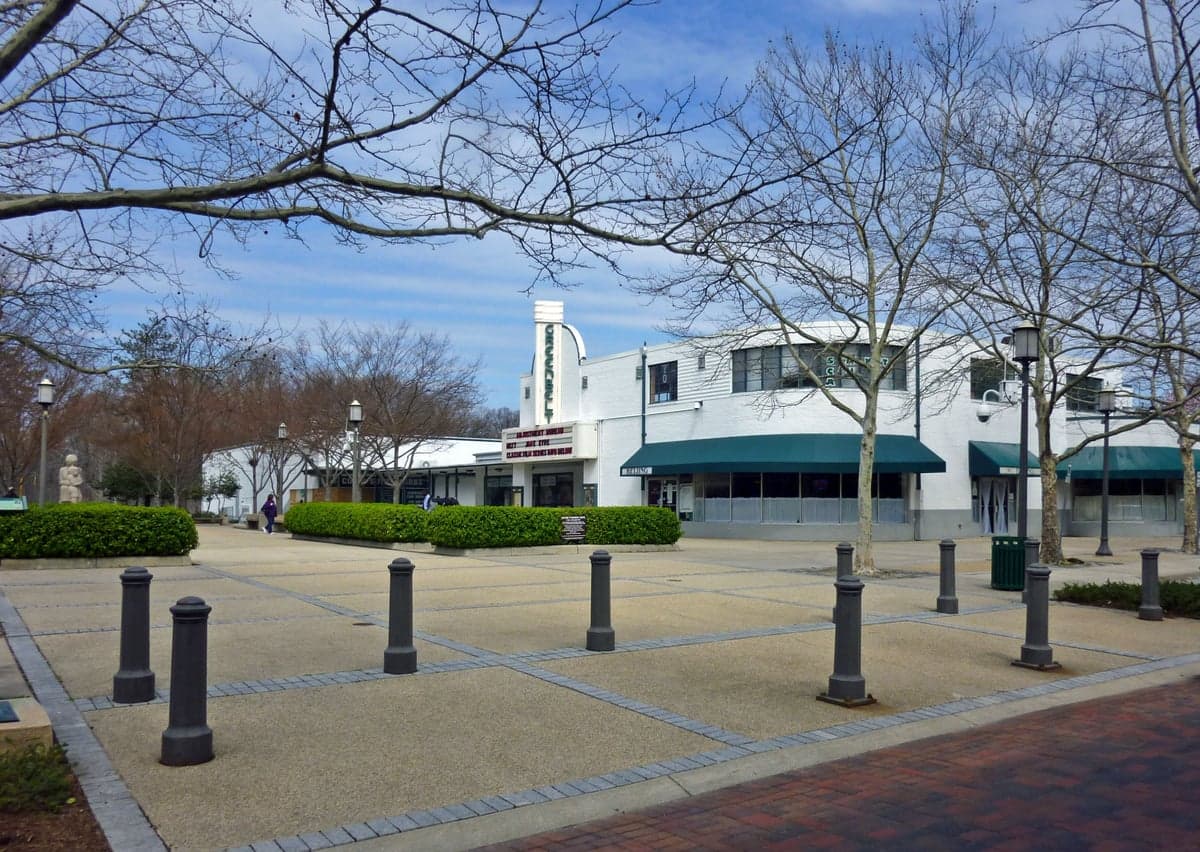
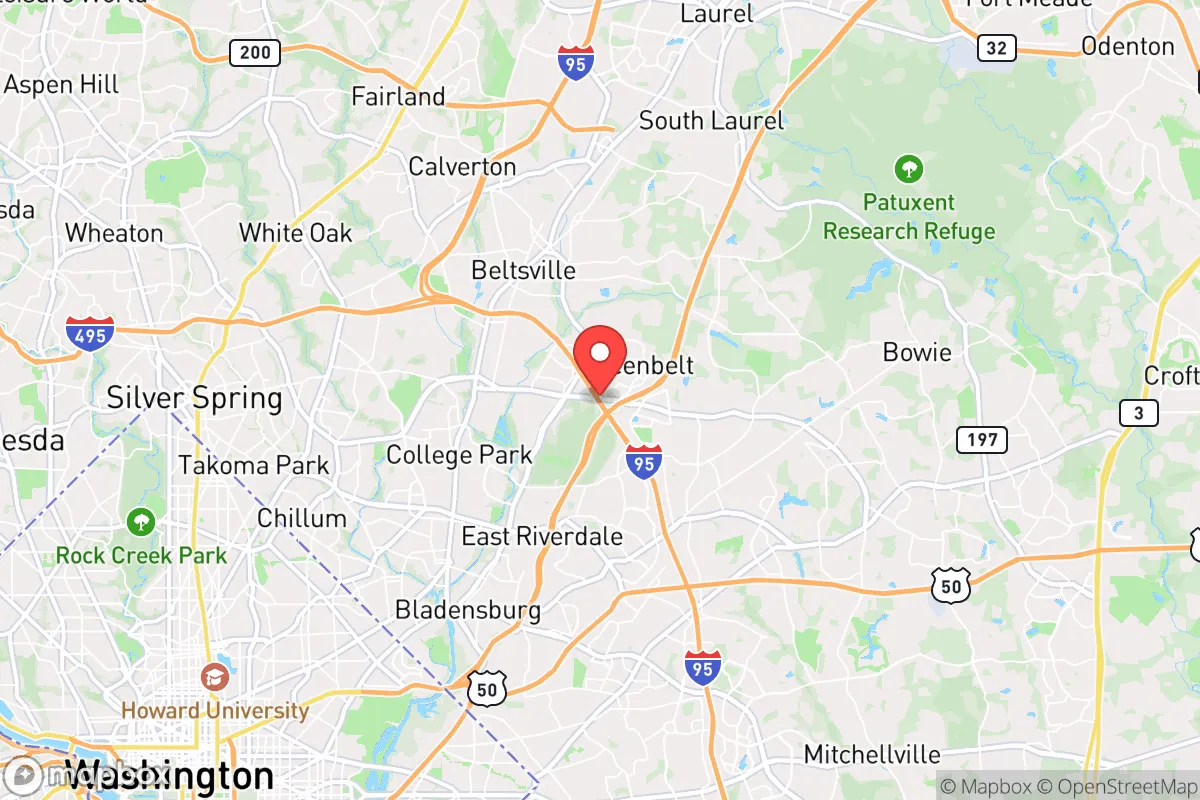
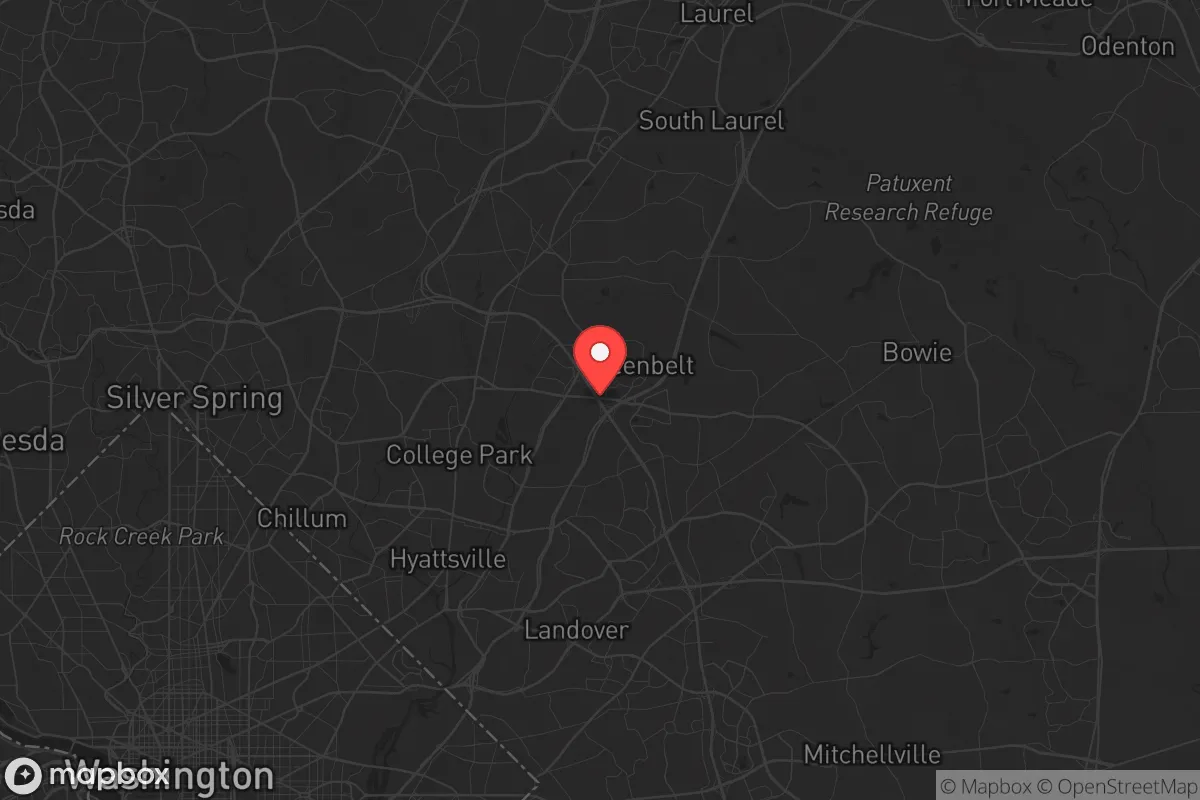
Greenbelt, Maryland, is one of those places that feels like a small town but sits right in the thick of the D.C. metro area. It was built as a planned community in the 1930s, and that original cooperative spirit still shows up in the way neighbors know each other’s names and the local co-op grocery store has been running for decades. You get a mix of old brick homes with shared green spaces, newer townhouses, and apartment complexes, all within a 20-minute drive of the nation’s capital — though that drive can stretch to 45 minutes during rush hour.
Daily Rhythm and Who Fits In
Most people in Greenbelt spend their weekdays commuting — the average commute clocks in at about 33 minutes, which is standard for the region. You’ll see a lot of federal employees, contractors, and folks who work at the nearby NASA Goddard Space Flight Center or the University of Maryland in College Park. The median age here is 37.2, and with a median household income of $86,352, it’s a solidly middle-class community. That income goes a bit further than in pricier D.C. suburbs like Bethesda or Arlington, thanks to a median home value of $258,600 — a relative bargain for the area. The cost of living index sits at 130 (30% above the national average), so while housing is more affordable than in many nearby spots, groceries and utilities still carry a metro-area premium.
Weekends often mean hitting the Greenbelt Farmers Market (year-round, indoors in winter), grabbing a coffee at the New Deal Cafe — a local institution with live music and open mic nights — or walking the trails at Buddy Attick Park. The kind of person who fits in here is someone who values community over flash: you’re not here for a nightlife scene, but you’ll find a solid group of neighbors who organize block parties, volunteer at the community center, and actually know the names of the kids on their street. It’s a good fit for families, early-career professionals, and retirees who want access to D.C. without the D.C. price tag.
Sports, Festivals, and What There Is to Do
Sports aren’t a huge deal in Greenbelt itself, but the proximity to D.C. means you’re a short drive from the Washington Commanders (NFL), Nationals (MLB), and Capitals (NHL). High school sports at Eleanor Roosevelt High School draw decent crowds for football and basketball games, and the local youth leagues are active. For entertainment, the Greenbelt Arts Center puts on community theater productions, and the annual Greenbelt Labor Day Festival — a three-day event with carnival rides, live music, and a parade — is the social highlight of the year. The city also hosts a Fourth of July celebration with fireworks at the Greenbelt Lake.
Outdoor life revolves around the 240-acre Greenbelt Park (part of the National Park Service), which has hiking trails, campgrounds, and a lake for fishing. The nearby Patuxent River offers kayaking and paddleboarding. For dining, you’ll find a mix of Ethiopian, Salvadoran, and American spots — places like the Old Maryland Grill (upscale pub food) and the aforementioned New Deal Cafe are local favorites. There’s no major music venue in town, but the 9:30 Club in D.C. is a 25-minute Metro ride away.
Pros and Cons of Living Here
What longtime residents love:
- Affordable housing for the D.C. area: The median home value of $258,600 is roughly half of what you’d pay in Bethesda or Arlington, making homeownership attainable for many.
- Strong sense of community: The planned-city layout with shared green spaces and a historic co-op grocery store (Greenbelt Co-op) fosters neighborly interaction that’s rare in modern suburbs.
- Access to D.C. and jobs: The Greenbelt Metro station on the Green Line puts downtown D.C. within 30 minutes, and major employers like NASA and the University of Maryland are a short drive away.
What frustrates residents:
- Crime concerns: The violent crime rate is 591.8 per 100,000 — roughly double the national average. Most incidents are concentrated in specific apartment complexes near the Metro station, but it’s a real concern that shows up in neighborhood forums and local news.
- Traffic and commute: The 33-minute average commute masks the reality that the Beltway (I-495) and Baltimore-Washington Parkway can turn a 20-mile trip into an hour during peak hours. There’s no easy way out of Greenbelt during rush hour.
- Limited nightlife and dining variety: If you want a vibrant bar scene or high-end restaurants, you’re driving to D.C., College Park, or Silver Spring. Greenbelt’s options are solid but limited.
Cultural Quirks and Local Identity
Greenbelt has a distinct identity as one of the first federally planned communities in the U.S., and that history is baked into the architecture and the culture. The original “Old Greenbelt” section has brick rowhouses with shared courtyards and pedestrian paths — no front yards, but plenty of common space. There’s a cooperative grocery store that’s been member-owned since 1937, and the city still operates a community-owned electric utility (Greenbelt Municipal Electric System), which keeps rates lower than the surrounding Pepco territory. The local schools — Greenbelt Elementary and Eleanor Roosevelt High — are community anchors, with parent involvement that’s higher than in many neighboring districts. The weather follows the typical Mid-Atlantic pattern: hot, humid summers (90°F+ in July), mild springs and falls, and winters that are cold but rarely brutal, with a few snow days that shut down the city for a day or two.
The biggest cultural quirk is the “Greenbelt bubble” — residents tend to stay local for errands, socializing, and recreation, and newcomers sometimes find it takes a while to break into established social circles. But once you’re in, you’re in. It’s not a place for people who want anonymity or a fast-paced social scene; it’s a place for people who want to know their mail carrier’s name and see the same faces at the farmers market every Saturday.

Similar towns to Greenbelt
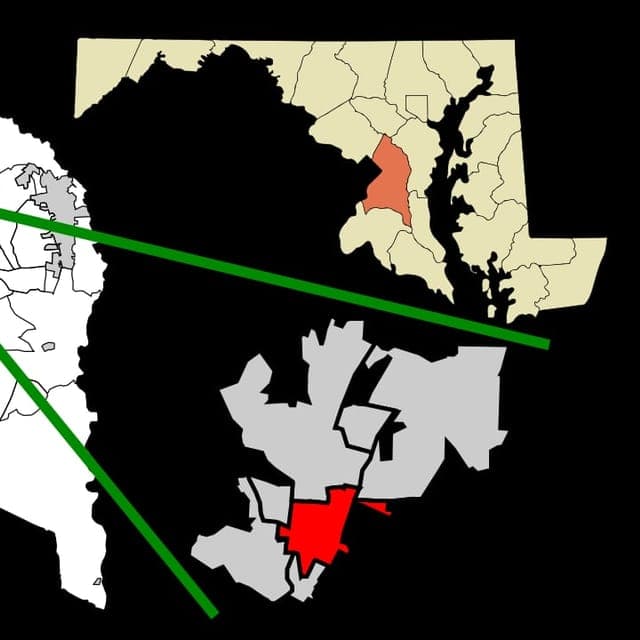
* Values derived from national, state, county, city and local statistics and may differ in a specific area. Last updated: 2026-04-22T01:16:10.000Z
Narrative content on this page is AI-generated and may contain mistakes. Verify any details that matter before acting on them.
ReloMaps may earn a commission from affiliate links at no extra cost to you.

