Photo: Wikipedia
Find The Best Places To Live in Prince Georges County
PRO TIP! You can paste a Zillow or Redfin link to get info on that property.
Best Places to Live in Prince Georges County
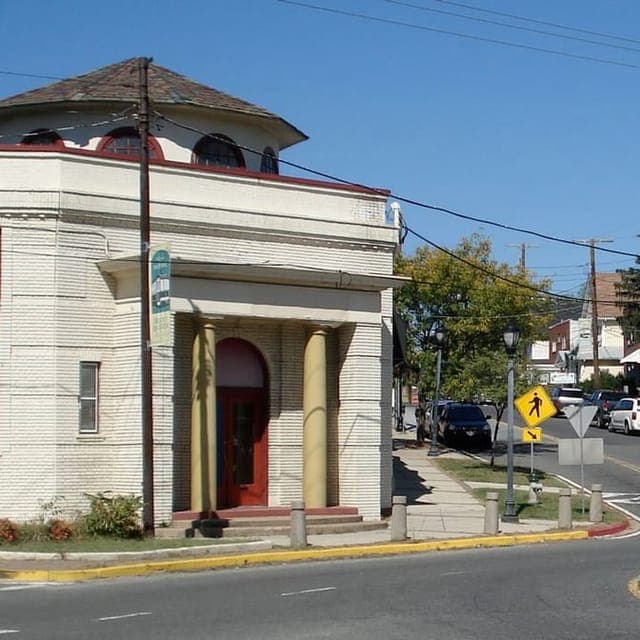
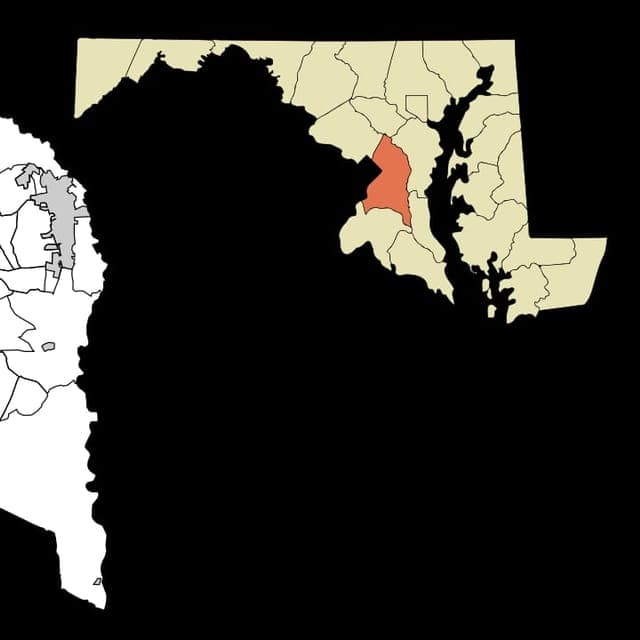
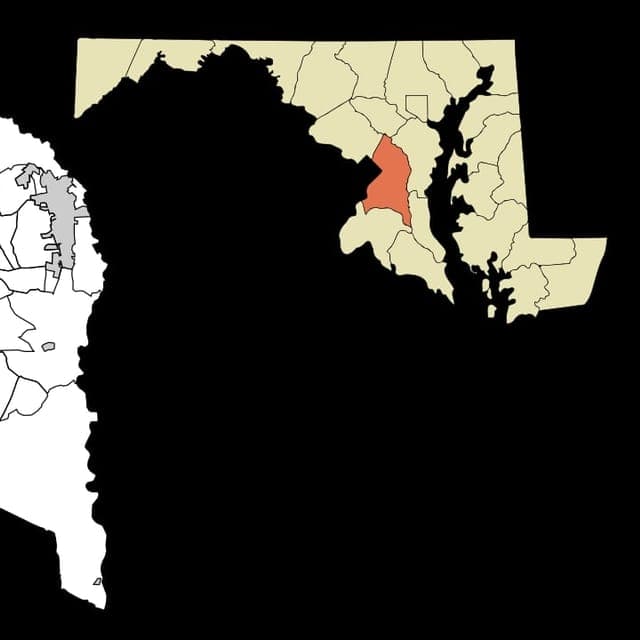
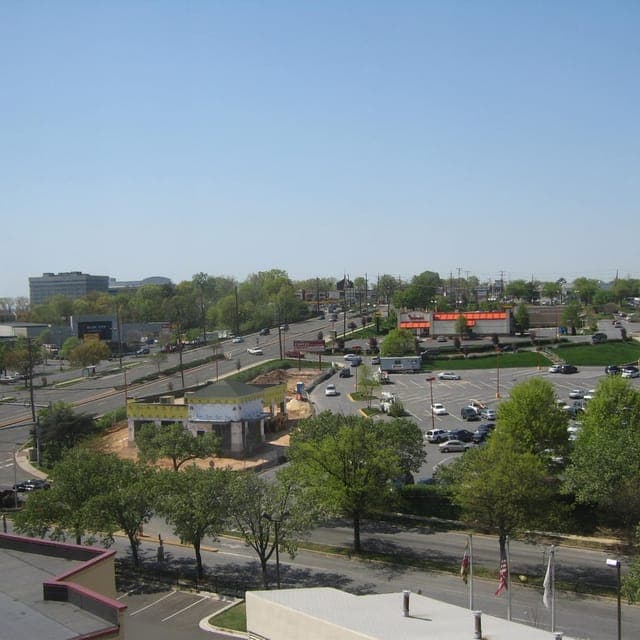
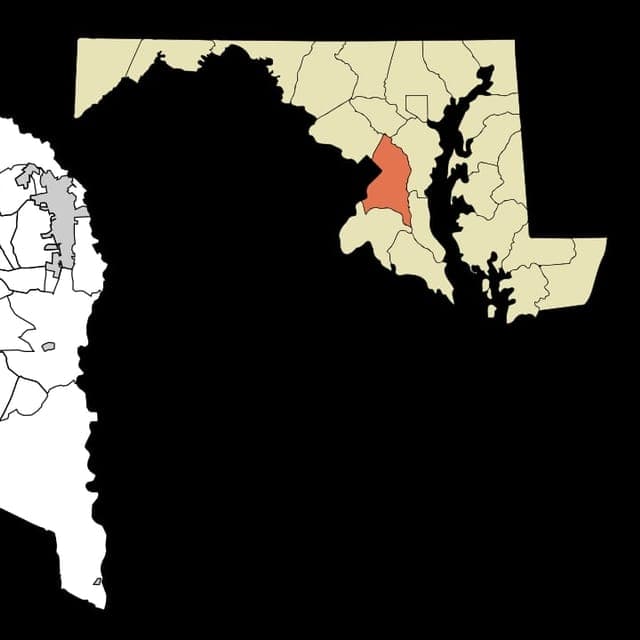
Cities & Towns in Prince Georges County
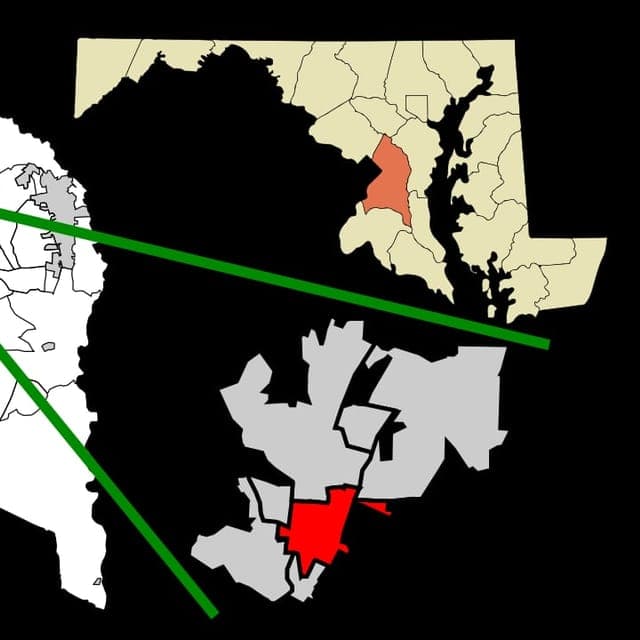
Cities in Prince Georges County
What It's Like Living in Prince Georges County, MD
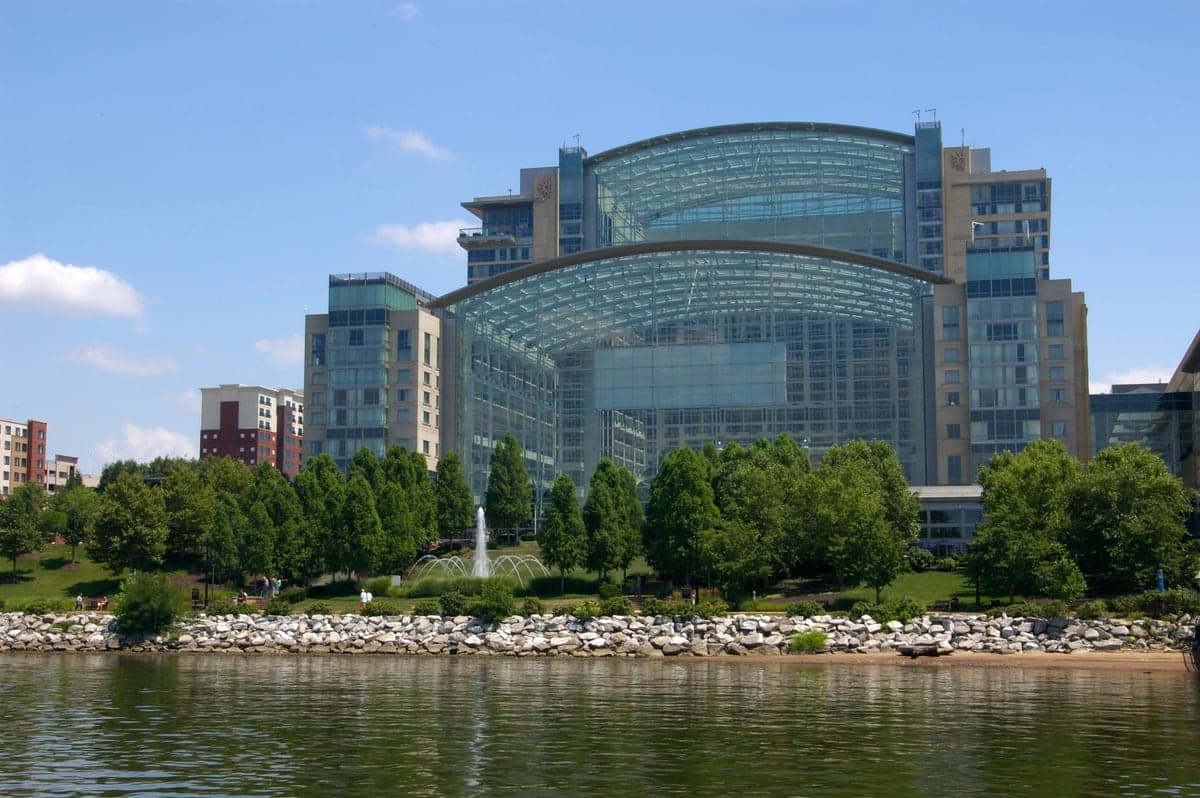
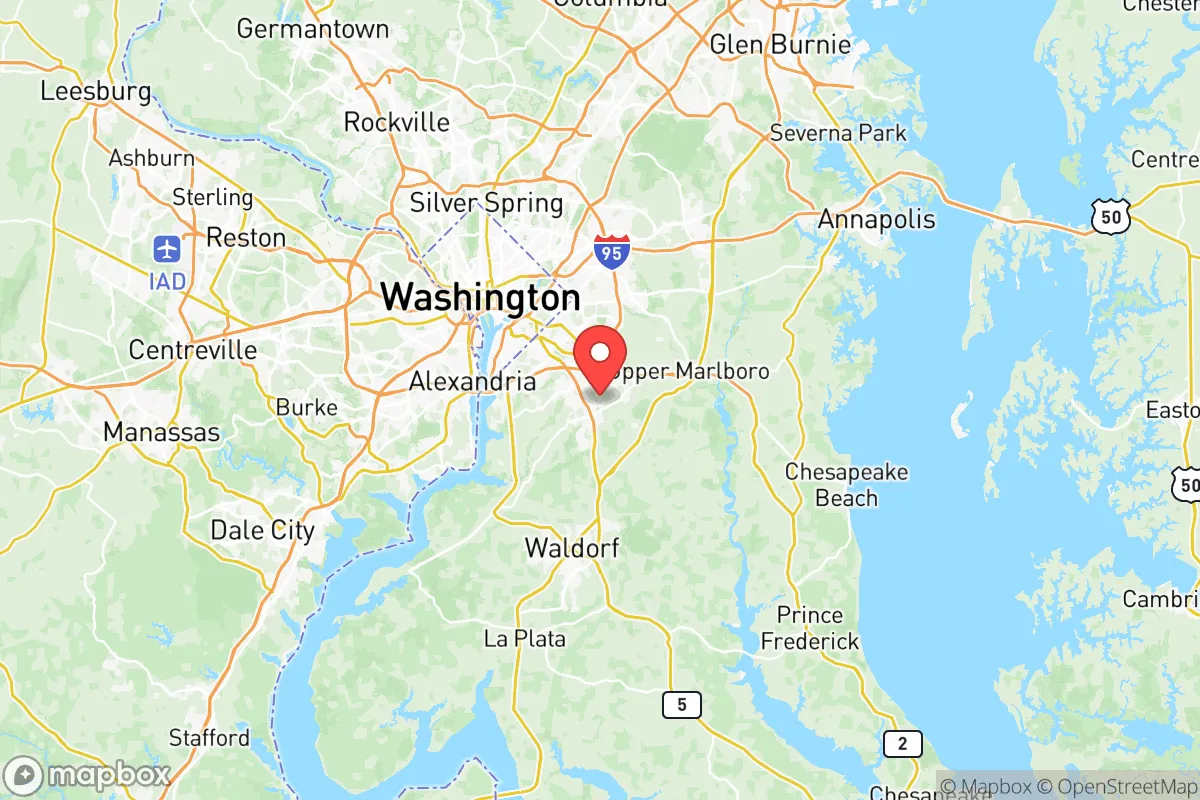
Prince George’s County is a sprawling, diverse patchwork of suburbs, historic towns, and rural stretches just east of Washington, D.C., where the pace of life varies block by block. It’s a place where you can live in a quiet Bowie cul-de-sac, grab crabs in a College Park dive bar, or watch the sun set over tobacco fields in Upper Marlboro—all within the same county. For the conservative-leaning single or parent looking for affordable space near the capital, this county offers a trade-off: lower home prices than D.C. or Montgomery County, but a commute that tests your patience and a crime reputation that demands you know your neighborhood.
Daily Rhythm: Commutes, Crab Houses, and County Pride
Most mornings in Prince George’s start early. The average commute clocks in at just over 35 minutes, and for many that means a slog down the Beltway (I-495) or Route 50 into D.C. or toward the defense contractors in Greenbelt and Lanham. Locals know the back roads—Central Avenue through Seat Pleasant, or Ritchie Marlboro Road past the horse farms—to shave off a few minutes. After work, life centers on family and food. The county’s identity is built around its iconic crab houses: places like Jerry’s Seafood in Lanham (famous for its crab bomb) or the no-frills Captain White’s in Oxon Hill. On weekends, you’ll find families at the National Harbor waterfront in Oxon Hill, walking the pier or catching a show at the MGM National Harbor casino—a major entertainment draw that also brings traffic and controversy.
The kind of person who fits here is often a mid-career professional or a parent who values square footage over walkability. With a median income of $100,708, the county attracts government employees, military families from Joint Base Andrews in Camp Springs, and entrepreneurs priced out of Arlington. The median home value sits at $404,300—a bargain compared to D.C.’s $700K-plus—but the cost of living index of 148 means groceries and utilities still sting. Singles might find the social scene quieter than the city, but the trade-off is a backyard and a garage.
Sports, Schools, and Saturday Afternoons
Sports run deep here, but not in the Friday-night-light Texas way. The big draw is the University of Maryland Terrapins in College Park, where basketball and football games turn the area into a sea of red and black on fall Saturdays. High school sports are a genuine community anchor in places like Bowie and Laurel—Friday night football at Bowie High School draws crowds that rival some small-college games. For pro sports, residents are split between Washington teams (Commanders, Nationals, Capitals) and Baltimore loyalists, with FedExField in Landover hosting Commanders games that bring both excitement and legendary traffic jams.
Schools are a mixed bag that families discuss openly. Some magnet programs and charters in Bowie and Greenbelt are excellent, but the county’s public school system has struggled with funding and consistency. Many conservative parents opt for private or parochial options, especially in the Hyattsville and College Park areas. The county’s median age of 38.5 reflects a population that’s settled—people are here to raise kids or build careers, not to party.
What’s There to Do: Festivals, Parks, and Hidden Corners
Entertainment is more about local flavor than big-city glitz. The Prince George’s County Fair in Upper Marlboro every September is a genuine country fair with livestock, midway rides, and funnel cakes—a holdover from the county’s agricultural roots. Outdoorsy types head to Patuxent River Park in Croom for kayaking and hiking, or to Watkins Regional Park in Largo for the miniature train and old-fashioned carousel. The county’s cultural quirks include a strong Black middle-class identity, visible in the historic Black-owned businesses along Route 1 in Hyattsville and the annual Kwanzaa celebration at the Publick Playhouse in Cheverly.
For nightlife, it’s thin outside of College Park’s college bars (Cornerstone Grill & Loft) and National Harbor’s polished restaurants. Locals often drive into D.C. for concerts or dining, then come home to the quiet. The National Harbor’s Capital Wheel—a giant Ferris wheel—is a date-night staple, but the real weekend rhythm is backyard barbecues, church on Sunday, and kids’ soccer games in Glenn Dale.
Pros and Cons: The Honest Trade-Offs
- Pro: Affordable housing near D.C. — A $400K median home value buys a townhouse or small single-family in Bowie or Laurel, impossible closer in.
- Con: Crime is uneven — The violent crime rate of 351.4 per 100,000 is higher than the national average, concentrated in parts of Landover, Suitland, and Langley Park. Longtime residents say it’s block-by-block, not countywide.
- Pro: Diverse, family-oriented communities — You’ll find strong civic groups, active PTAs, and a real sense of neighborliness in places like Mitchellville and Fort Washington.
- Con: Traffic is relentless — The 35-minute average commute hides the reality that a 10-mile trip can take an hour during rush hour, especially on the Beltway and Route 50.
- Pro: Access to outdoor space — The county has more parkland than any other in Maryland, including the 1,000-acre Rosaryville State Park in Upper Marlboro.
- Con: Limited walkability and nightlife — Most errands require a car, and the restaurant scene is heavy on chains and carryouts outside of Hyattsville’s Arts District.
What frustrates locals most is the perception problem—Prince George’s is often painted as dangerous or poorly managed, but residents in Bowie or Accokeek will tell you they’ve never felt unsafe. What they love is the space: a house with a yard, a commute that’s manageable if you time it right, and a county that feels like a real community rather than a transient suburb. The seasonal rhythm is classic Mid-Atlantic—hot, humid summers spent at community pools, crisp falls with apple picking in nearby orchards, and mild winters that rarely cancel plans. For the conservative single or parent who wants D.C. proximity without D.C. prices, Prince George’s is a pragmatic, underrated choice—if you pick your spot carefully.

* Values derived from national, state, county, city and local statistics and may differ in a specific area. Last updated: 2026-05-12T13:50:00.000Z
Narrative content on this page is AI-generated and may contain mistakes. Verify any details that matter before acting on them.
ReloMaps may earn a commission from affiliate links at no extra cost to you.

