 Popular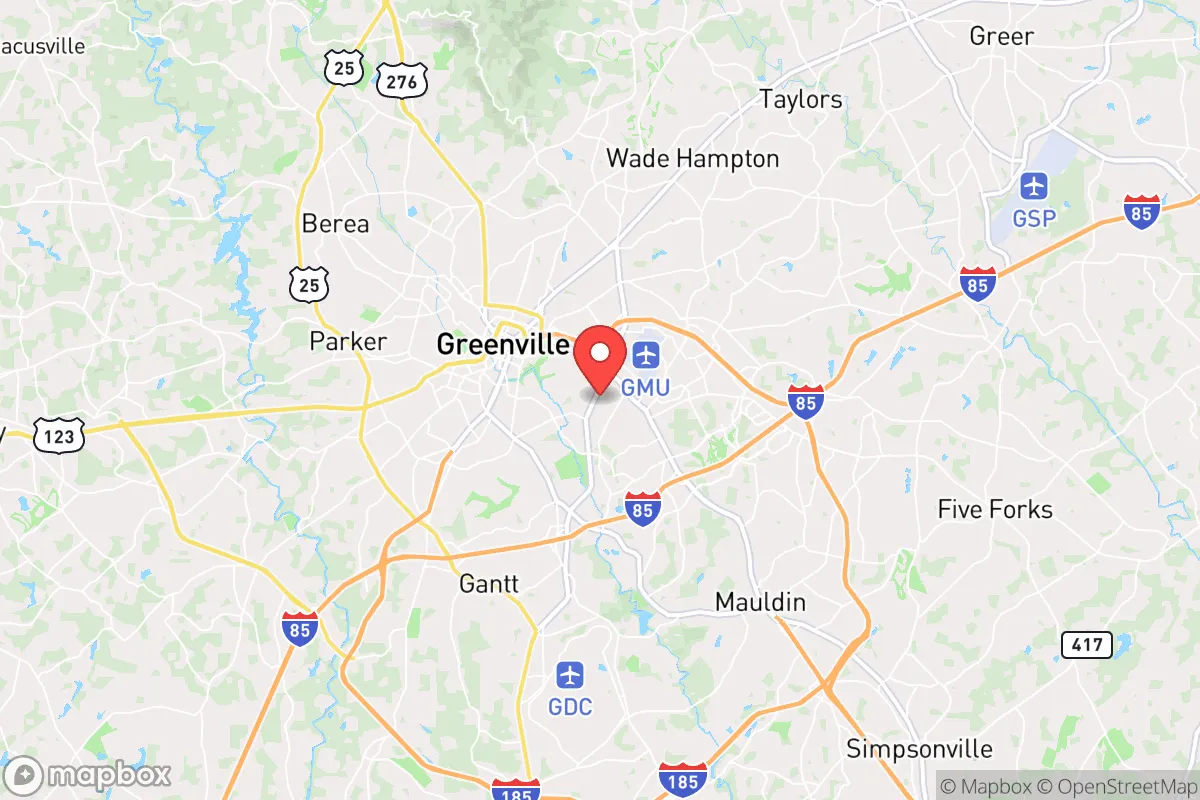
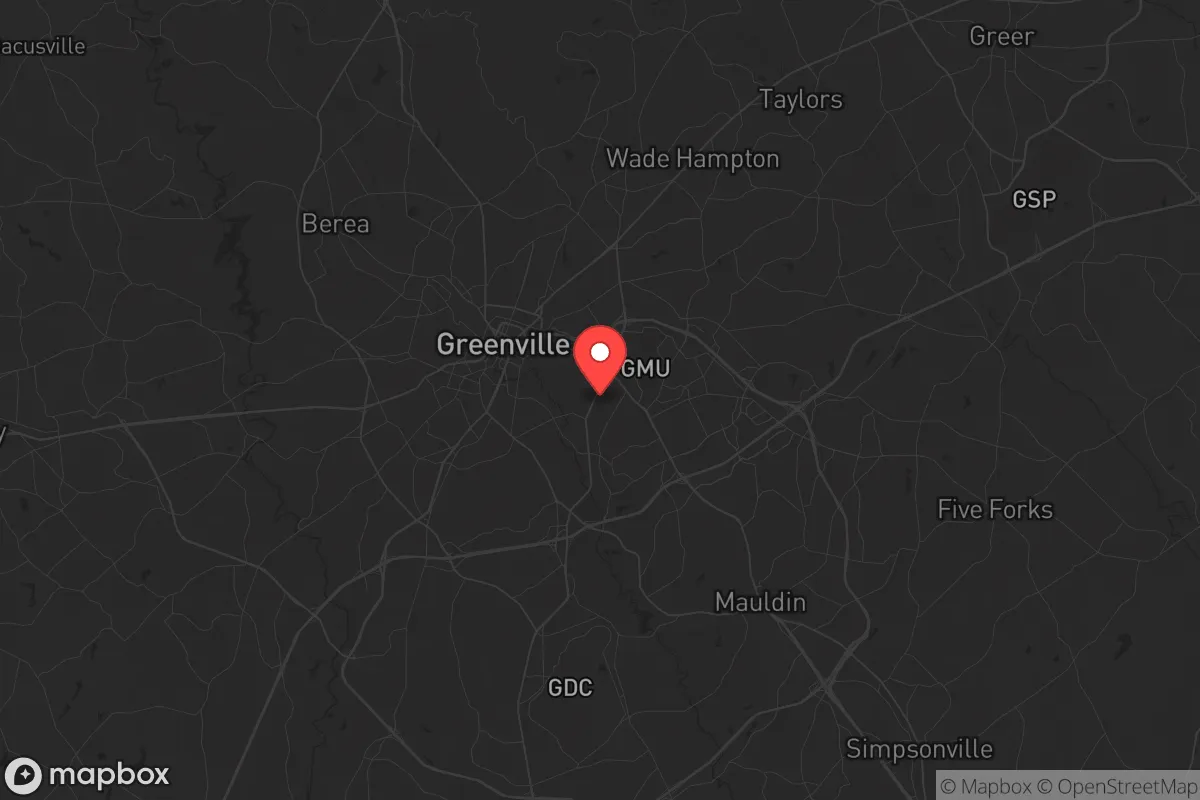
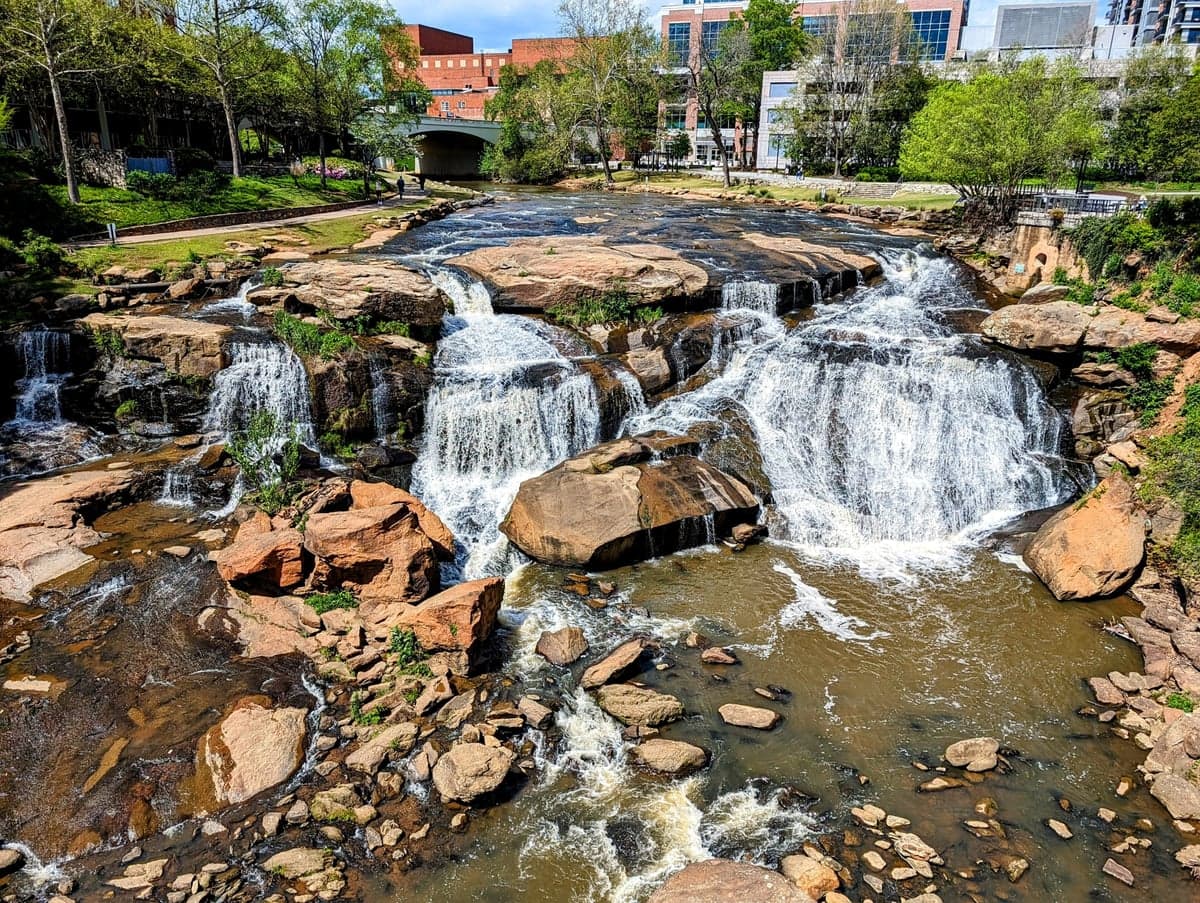
Photo: Wikipedia
Strategic Assessment of Greenville, SC
Meaningful friction. Expect exposure to either population pressure, blast zones, or natural disaster risk. Consider buying a retreat property.
What does the Strategic Assessment tell us?
Our Strategic Assessment grades tactical survivability of an area. Major population centers, military targets, fallout zones, natural disasters, and border exposure all drive risk — lower exposure means a more defensible position in a crisis.
This is heavily inspired by Joel Skousen's Strategic Relocation book. Highly recommended you checkout the book ($)What does this tell us?
Our Strategic Assessment grades tactical survivability of an area. Major population centers, military targets, fallout zones, natural disasters, and border exposure all drive risk — lower exposure means a more defensible position in a crisis.
This is heavily inspired by Joel Skousen's Strategic Relocation book. Highly recommended you checkout the book ($)Strategic Pillars

Key Distances
Regional Safe Places
Below is our recommended "safe zones" in South Carolina and the surrounding area based on our strategic heuristics. For most people, it's unrealistic to live in a “safe zone” full-time due to work, family or other personal reasons. They tend to be more rural. However, many of these areas are perfect for second homes and retreat properties that double as a vacation home or even a short-term rental.
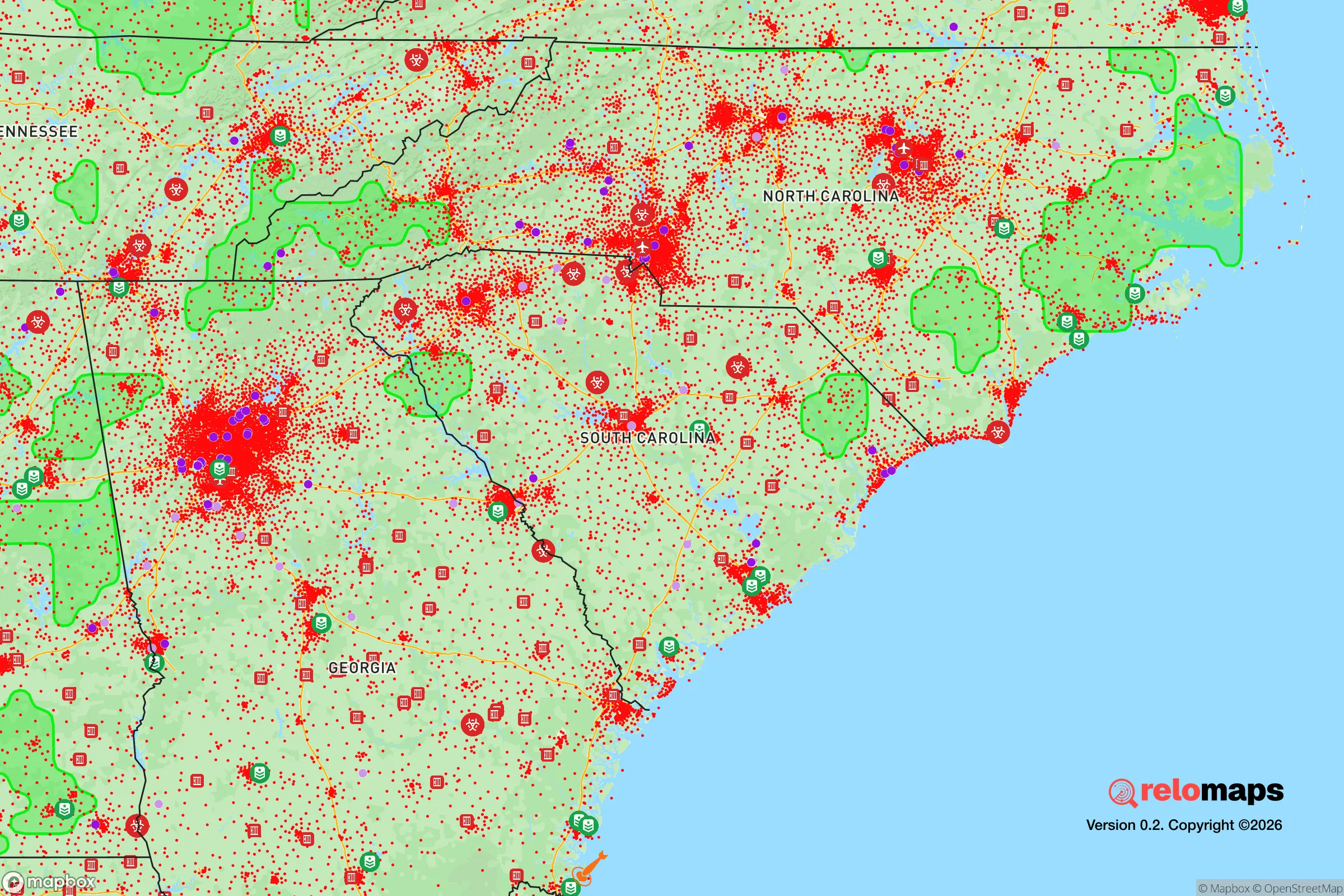
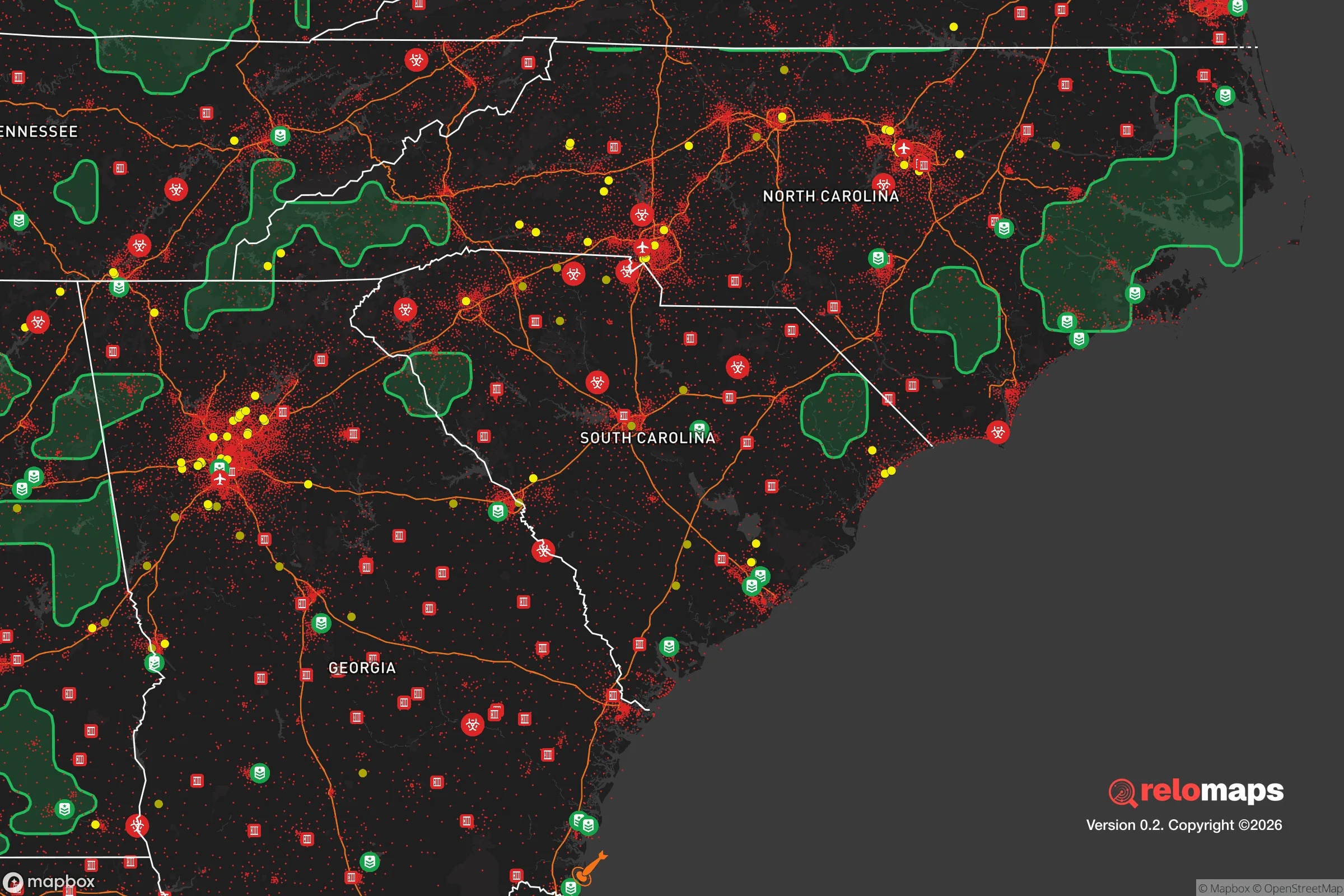


Important Note: For informational purposes only. This does not mean nothing bad ever happens in the green zones. Please use common sense. This is based on public data and modeled with AI. We tried to take a conservative approach but mistakes happen. We update this regularly as new information becomes available.
Solar Generator Recommendations
Backup power matters more here than in safer locations. We've picked three solar generators across budgets and capacity tiers — start with the budget unit if you only need a few essentials, or step up if you want to run a fridge and HVAC for days at a time.

Jackery Portable Power Station Explorer 300
Budget OptionPower on the Go: Weighing only 11 lbs, it's convenient to set up and store with book-sized foldable solar panels

BLUETTI Portable Power Station AC180
Designed for both indoor and outdoor scenarios, AC180 is highly capable as it has a robost capacity and continuous output power.

EF ECOFLOW DELTA Pro Ultra Power Station
Upgraded PickEcoFlow DELTA Pro Ultra is a whole-home energy system designed to grow with your family. Integrated with the Smart Home Panel 2, it scales to meet your evolving energy needs — keeping your home powered, intelligent, and secure through every stage of life.
We earn a commission, at no additional cost to you.
Strategic Assessment Analysis
Greenville, South Carolina, sits in a strategic sweet spot that few relocators fully appreciate until they map out the concentric rings of risk and resource. Nestled in the foothills of the Blue Ridge Mountains, roughly halfway between Atlanta and Charlotte, the city offers a blend of economic momentum and geographic insulation that makes it a serious contender for anyone thinking long-term about stability, self-sufficiency, and distance from the most obvious flashpoints. The area has been growing fast for a reason, but that growth also brings trade-offs that a survival-minded individual or family needs to weigh carefully before committing.
Geographic position and natural advantages for long-term stability
Greenville’s location is its strongest card. The city sits at the southern end of the Appalachian chain, which provides natural barriers against the worst of hurricane storm surge and the flatland flooding that plagues coastal Georgia and the Carolinas. The elevation ranges from roughly 800 to 1,200 feet above sea level, which puts it above the worst of the heat-island effect and gives it a four-season climate that supports year-round gardening and livestock operations. The proximity to the mountains means reliable rainfall—averaging around 50 inches annually—and multiple watersheds, including the Saluda and Reedy Rivers, that can sustain a population even during drought years. For a relocator thinking about water security, that’s a tangible advantage over much of the arid West or the over-pumped aquifers of the Southeast coastal plain. The terrain also offers natural defensibility: the rolling hills and forested ridges provide cover and chokepoints that would make any large-scale movement through the area slow and predictable. From a prepper perspective, this is not flat, open country where you’re exposed for miles. It’s broken ground that favors the prepared.
Risks, exposures, and proximity to fallout-relevant landmarks
No location is without vulnerabilities, and Greenville has a few that deserve honest attention. The most obvious is its proximity to Interstate 85, the major corridor connecting Atlanta to Charlotte. In a scenario involving civil unrest, mass evacuation, or supply chain collapse, that highway becomes a liability. I-85 runs just west of downtown, and any disruption there would funnel traffic through Greenville’s surface streets, creating choke points and drawing transient populations through the area. The city is also within 100 miles of the Savannah River Site, a nuclear weapons facility and waste storage complex near Aiken, South Carolina. While the risk of a catastrophic release is low, it’s not zero, and the prevailing winds in this region generally blow from the southwest, meaning fallout from a Savannah River incident could drift toward Greenville. Similarly, the Oconee Nuclear Station, about 30 miles west of the city near Seneca, is close enough that a major event there would require evacuation or shelter-in-place protocols. For a relocator who wants to avoid being downwind of critical infrastructure, these are real considerations. On the natural disaster front, the area is not immune to tornadoes—the 2020 Easter tornado outbreak produced an EF-3 that hit nearby Seneca—and the occasional ice storm can knock out power for days. But the risk profile is moderate compared to hurricane zones, earthquake faults, or wildfire corridors. The bigger concern is human-caused disruption tied to the region’s growth: as more people move in, the strain on infrastructure, water treatment, and local food supply chains increases, and that strain becomes a vulnerability in a crisis.
Practical resilience for a relocator: food, water, energy, and defensibility
For someone serious about self-reliance, Greenville offers a workable base. The growing season runs from mid-April to late October, long enough for two crop cycles in many vegetables, and the soil in the surrounding counties—Pickens, Anderson, and Laurens—is generally fertile and well-drained. There are active farmers’ markets, a strong local food movement, and a number of small-scale farms within a 30-minute drive that sell direct to consumers. That’s a network worth plugging into before a crisis hits. Water is less of a concern here than in many parts of the country: the city draws from the Saluda River and Lake Greenwood, and the water table in the foothills is high enough that a properly sited well can yield 10 to 20 gallons per minute. For a relocator buying land, a well and septic system are standard outside city limits, and the county health departments are straightforward about permitting. Energy resilience is more mixed. Duke Energy dominates the grid, and outages during storms are common enough that a backup generator is a wise investment. Solar potential is decent—the region gets about 4.5 peak sun hours per day—but the tree cover in many residential areas limits rooftop production. A ground-mounted array on a cleared lot is the better bet. Defensibility comes down to property selection. The areas north and west of Greenville, toward Travelers Rest and the mountains, offer more seclusion, better sightlines, and fewer through roads. The suburbs to the east and south, like Simpsonville and Mauldin, are more densely populated and would be harder to secure in a breakdown scenario. For a family, the ideal setup is a few acres in a rural pocket within 20 minutes of town, with a well, a garden, and a neighbor who shares your outlook. That kind of arrangement is still affordable here, though prices have climbed sharply since 2020.
The overall strategic picture for Greenville is cautiously favorable. It is not a bug-out location in the remote wilderness sense, but it is a functioning mid-sized city with enough economic gravity to keep services running during moderate disruptions, while still offering access to the kind of land and resources that matter when things go sideways. The growth is a double-edged sword: it brings amenities and a tax base, but it also brings density and dependency. A relocator who chooses Greenville should do so with eyes open, buying property with water and food production in mind, building community with like-minded neighbors, and keeping a low profile. The area’s real strength is that it sits far enough from the major coastal targets and the worst of the hurricane belt, yet close enough to the mountains to provide options. In a world where the safe zones are shrinking, that’s a meaningful advantage.

* Values derived from national, state, county, city and local statistics and may differ in a specific area. Last updated: 2026-05-01T19:57:53.000Z
Narrative content on this page is AI-generated and may contain mistakes. Verify any details that matter before acting on them.
ReloMaps may earn a commission from affiliate links at no extra cost to you.

