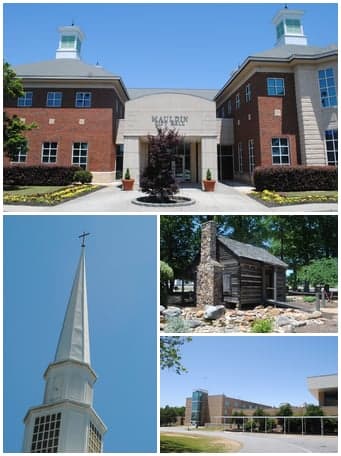
Photo: Wikipedia
Find The Best Places To Live
in Mauldin
PRO TIP! You can paste a Zillow or Redfin link to get info on that property.
What It's Like Living in Mauldin, SC
Mauldin, South Carolina, is one of those places that feels like a small town even though it’s sitting right in the middle of the Greenville-Spartanburg corridor. With just under 26,000 residents, it has a quiet, family-first energy that’s distinct from the busier downtown Greenville scene, but close enough that you can get there in 15 minutes. People here tend to be settled—median age is 40.8—and the median household income of $81,027 reflects a solidly middle-to-upper-middle-class community where most folks are raising kids, working in manufacturing or healthcare, and spending weekends at soccer games or backyard cookouts.
Daily Rhythm and the Kind of Person Who Fits Here
Life in Mauldin moves at a deliberate, unhurried pace. The average commute is just over 21 minutes, which is a genuine perk in a region where traffic on I-85 can test your patience. Most residents work in nearby Greenville or Simpsonville, with major employers like GE Gas Power, Prisma Health, and Michelin drawing a lot of the professional workforce. You’ll see a mix of engineers, nurses, and remote white-collar workers who chose Mauldin for the schools and the relative affordability—median home values sit around $242,100, which is still reasonable compared to Greenville proper.
The kind of person who fits here is someone who values predictability and community over nightlife and constant stimulation. It’s a place for people in their 30s and 40s with school-age kids, or for empty-nesters who want a quieter base with easy access to the city. Singles without children might find it a bit sleepy, though the proximity to Greenville’s dining and entertainment scene offsets that for many. The cost of living index is 107—slightly above the national average—but that’s driven mostly by housing demand in the Upstate, not by inflated grocery or utility costs.
Sports, Community, and What People Actually Do
High school sports are a genuine cultural anchor here. Mauldin High School football games on Friday nights draw a crowd that includes not just parents but longtime residents with no kids in the system. The Mavericks have a loyal following, and the rivalry with Hillcrest and Woodmont is taken seriously. Beyond high school, most sports enthusiasm flows toward Clemson University (about 45 minutes away) and the Greenville Swamp Rabbits hockey team. There’s no major pro team in town, but the passion for college football—especially Clemson and South Carolina—is as strong as anywhere in the Upstate.
Weekends revolve around a few reliable rhythms. The Mauldin Farmers Market runs from May through October and is a genuine gathering spot, not just a place to buy produce. Families spend afternoons at Mauldin Sports Park, which has baseball fields, walking trails, and a playground that’s always busy. For dining, locals gravitate toward Lazy Goat for Mediterranean, Sidewall Pizza in nearby Simpsonville, and Bacon Bros. Public House in Greenville for a night out. The bar scene is thin inside city limits—there’s no real “downtown strip”—so most evening socializing happens at chain restaurants or at private gatherings.
The biggest annual event is Mauldin’s Oktoberfest, held in September, which brings live music, a car show, and a beer garden to the city’s cultural center. It’s well-attended but not overwhelming—think 5,000 people, not 50,000. There’s also the Mauldin Christmas Parade, which is a big deal for families with young kids. For more substantial entertainment, residents drive 10-15 minutes to Greenville’s Peace Center for concerts and Broadway tours, or to Fluor Field for Greenville Drive minor league baseball.
Honest Pros and Cons of Living in Mauldin
What longtime residents love:
- The schools. Mauldin’s public schools are part of Greenville County Schools, one of the state’s strongest districts. Mauldin Elementary and Mauldin High both have solid reputations, and schools are a central part of community identity.
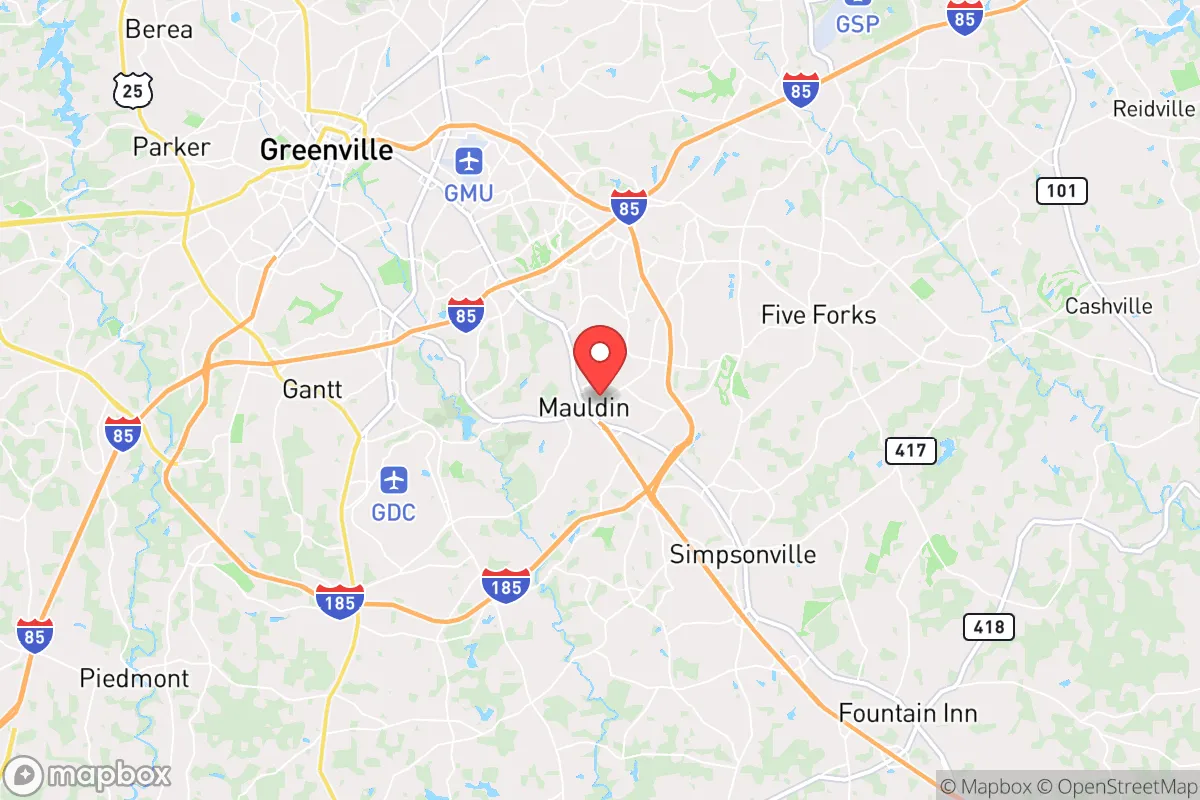
- Location. You’re 15 minutes from downtown Greenville, 30 minutes from the Blue Ridge Mountains, and 45 minutes from the GSP airport. It’s a practical base for exploring the Upstate.
- Safety. The violent crime rate is 160.6 per 100,000—well below the national average of roughly 380. Property crime is more of a concern, but most neighborhoods feel very secure.
- Predictability. The weather is four-season without extremes: hot, humid summers (July highs around 90°F), mild winters (January lows around 30°F), and a long, beautiful spring and fall.
What frustrates people:
- Traffic on Main Street. SC-14 (Main Street) is the main artery, and it gets congested during rush hour. There’s no bypass, so you’re stuck in it if you’re heading to I-85.
- Limited local dining and nightlife. If you want variety beyond chains and a few local spots, you’re driving to Greenville or Simpsonville. Mauldin itself doesn’t have a walkable downtown with bars and boutiques.
- Housing competition. The median home value has climbed significantly in the last five years, and inventory is tight. First-time buyers often get priced out or end up in older homes that need work.
- No real city center. Mauldin is more of a collection of subdivisions and strip malls than a traditional town with a square. Some residents wish it had more of a defined “downtown” identity.
A notable cultural quirk: Mauldin is proud of its “City of Lights” nickname, which comes from the holiday light display at the Mauldin Cultural Center. It’s a small thing, but residents mention it often—it’s the kind of tradition that binds a community that otherwise lacks a historic downtown. The city is also 37.5% college-educated, which is slightly above the national average, and that shows in the number of book clubs, youth sports leagues, and neighborhood social groups that organize informally.
Overall, Mauldin works best for people who want a safe, school-focused community with easy access to a larger city’s amenities. It’s not a destination in itself, but it’s a solid, comfortable place to land—especially if you’re raising kids and don’t mind driving 15 minutes for a really good dinner.

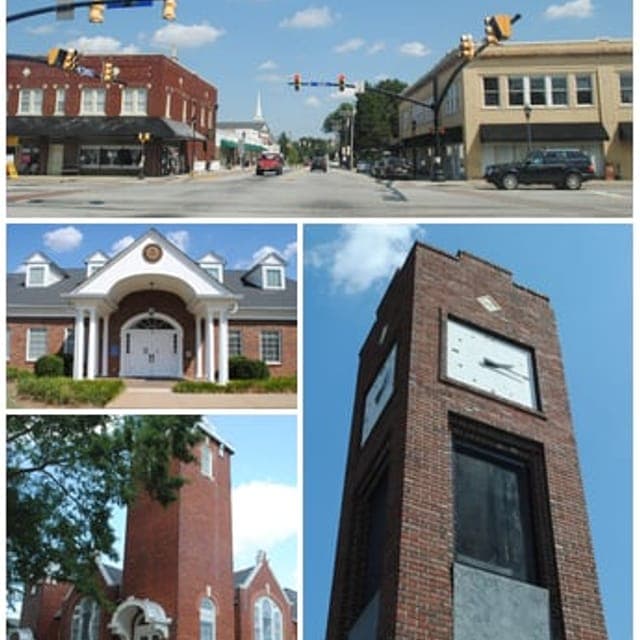
Similar towns to Mauldin
* Values derived from national, state, county, city and local statistics and may differ in a specific area. Last updated: 2026-04-30T02:47:21.000Z
Narrative content on this page is AI-generated and may contain mistakes. Verify any details that matter before acting on them.
ReloMaps may earn a commission from affiliate links at no extra cost to you.

