 Popular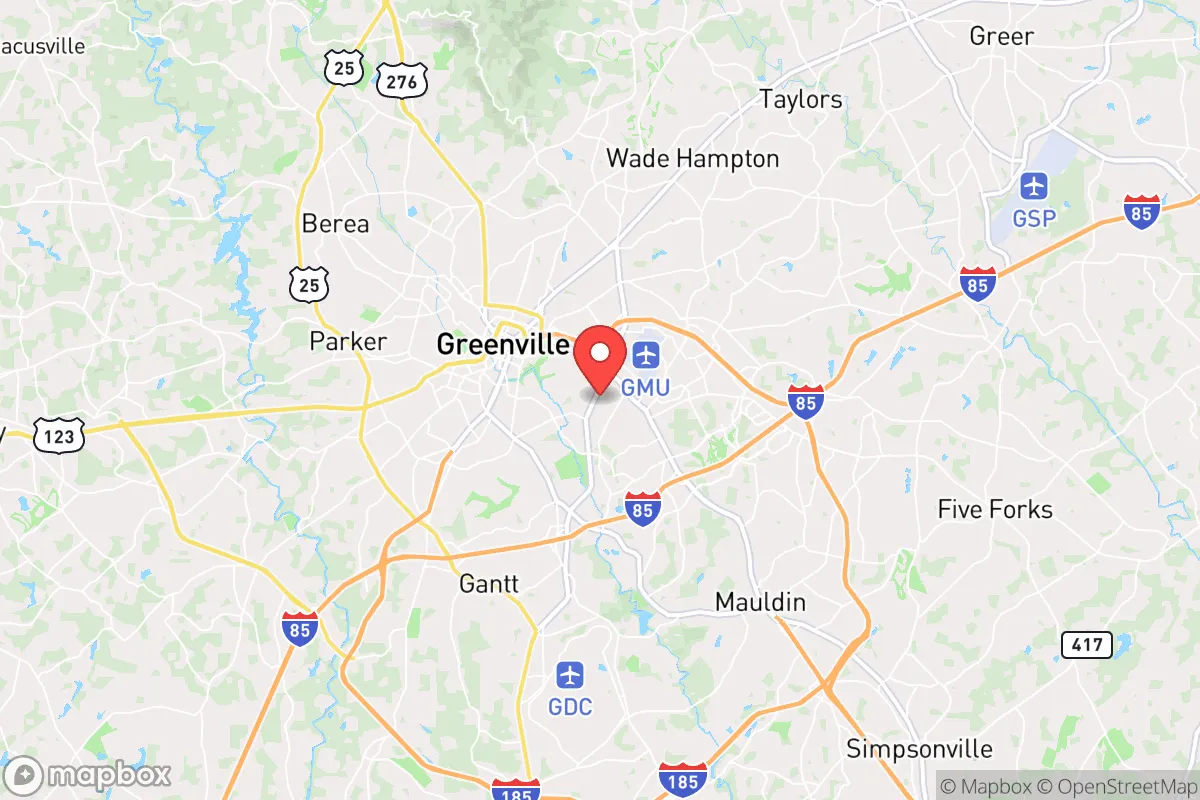
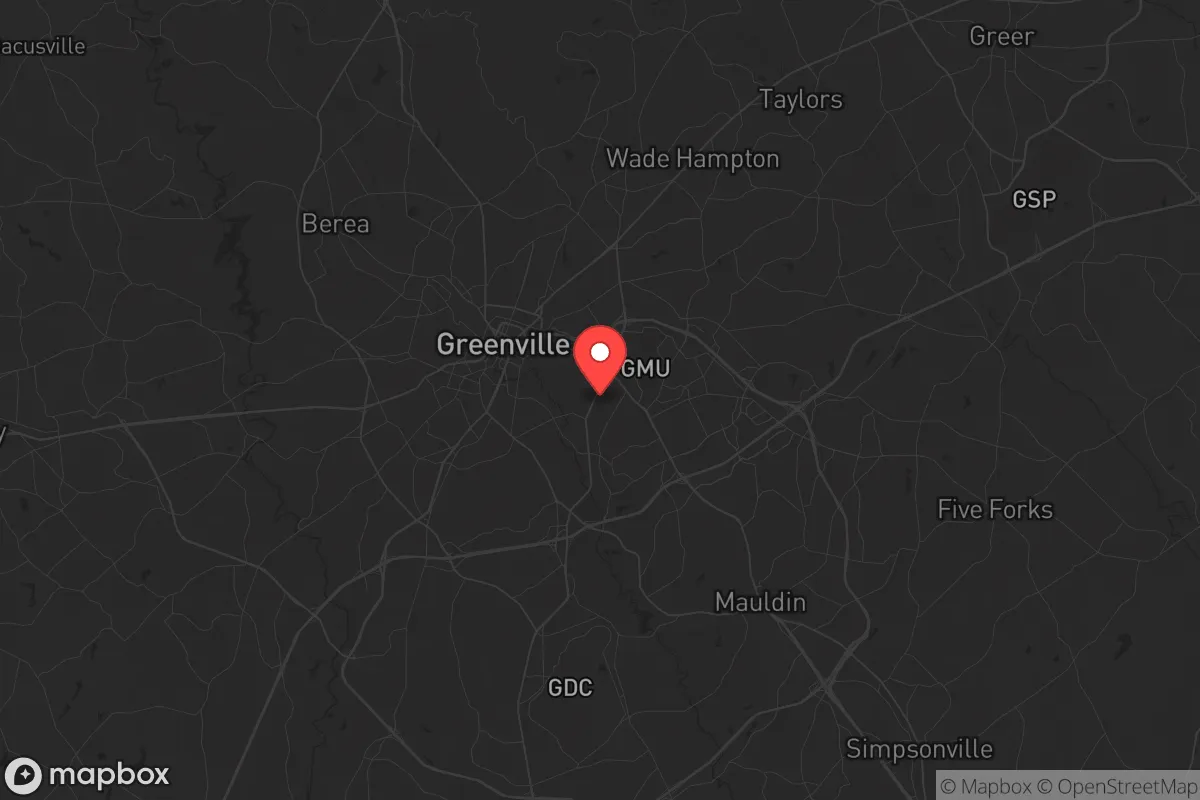
Photo: Wikipedia
Quality of Life in Greenville, SC
Above-average quality of iife. The area offers a reasonable cost of living, decent mobility, and a mix of neighborhood amenities.
What does Quality of Life tell us?
Quality of Life blends cost of living, nearby amenities, socioeconomic signals, and neighborhood character. City-level scores represent the whole municipality; individual neighborhoods can differ.
What does this tell us?
Quality of Life blends cost of living, nearby amenities, socioeconomic signals, and neighborhood character. City-level scores represent the whole municipality; individual neighborhoods can differ.
Cost of Living
29% above national average
The Real Cost of Living in Greenville, SC for 2026
| Tier | Individual | Family (4) |
|---|---|---|
| Survival | $20k | $37k |
| Comfortable | $88k | $129k |
| Luxury | $124k+ | $192k+ |
| Elite (Top 5%) | $221k+ | $343k+ |
53%
The Area Signal
A metric tracking the socioeconomic signals of the area.
Hobbies
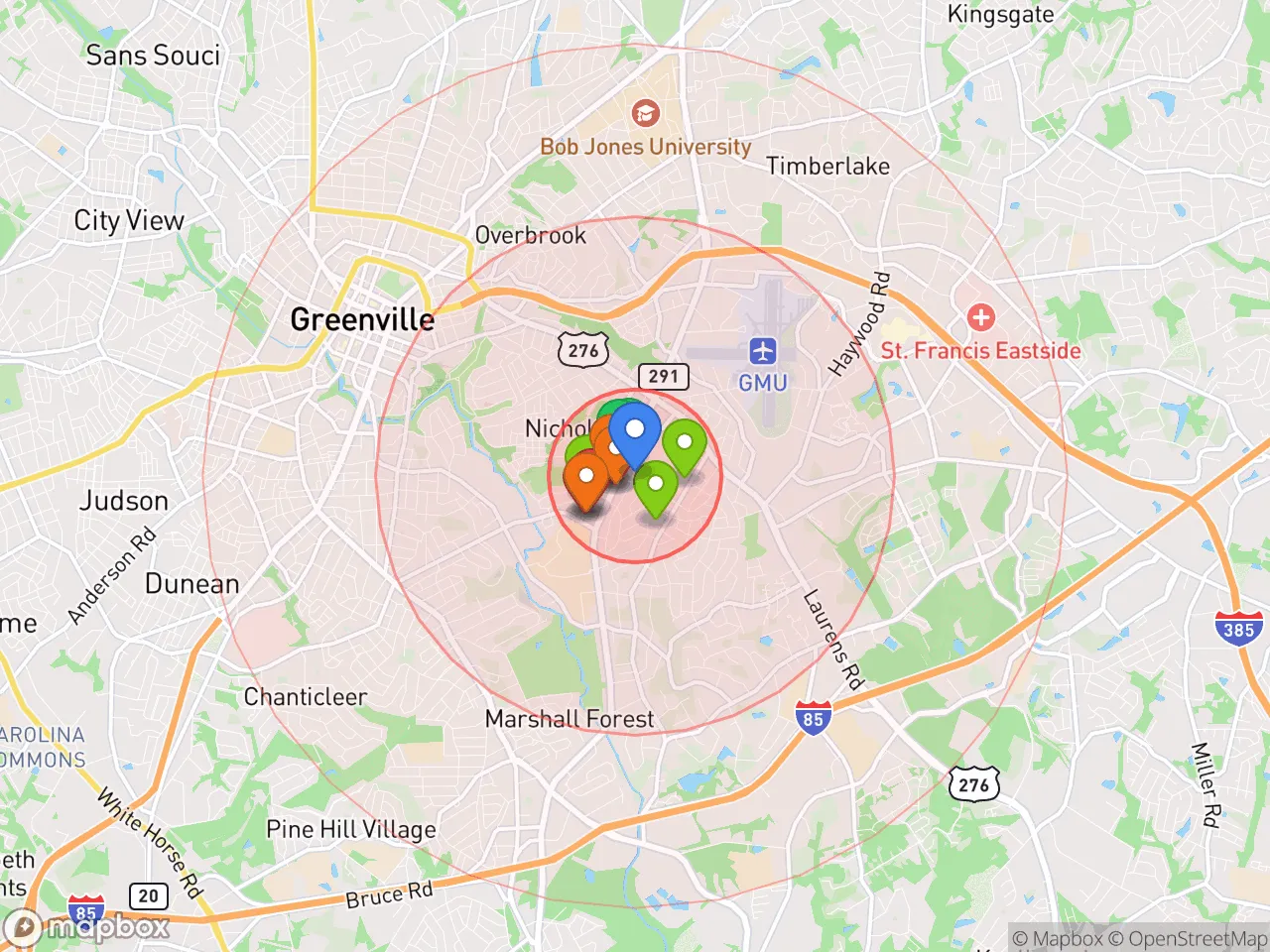
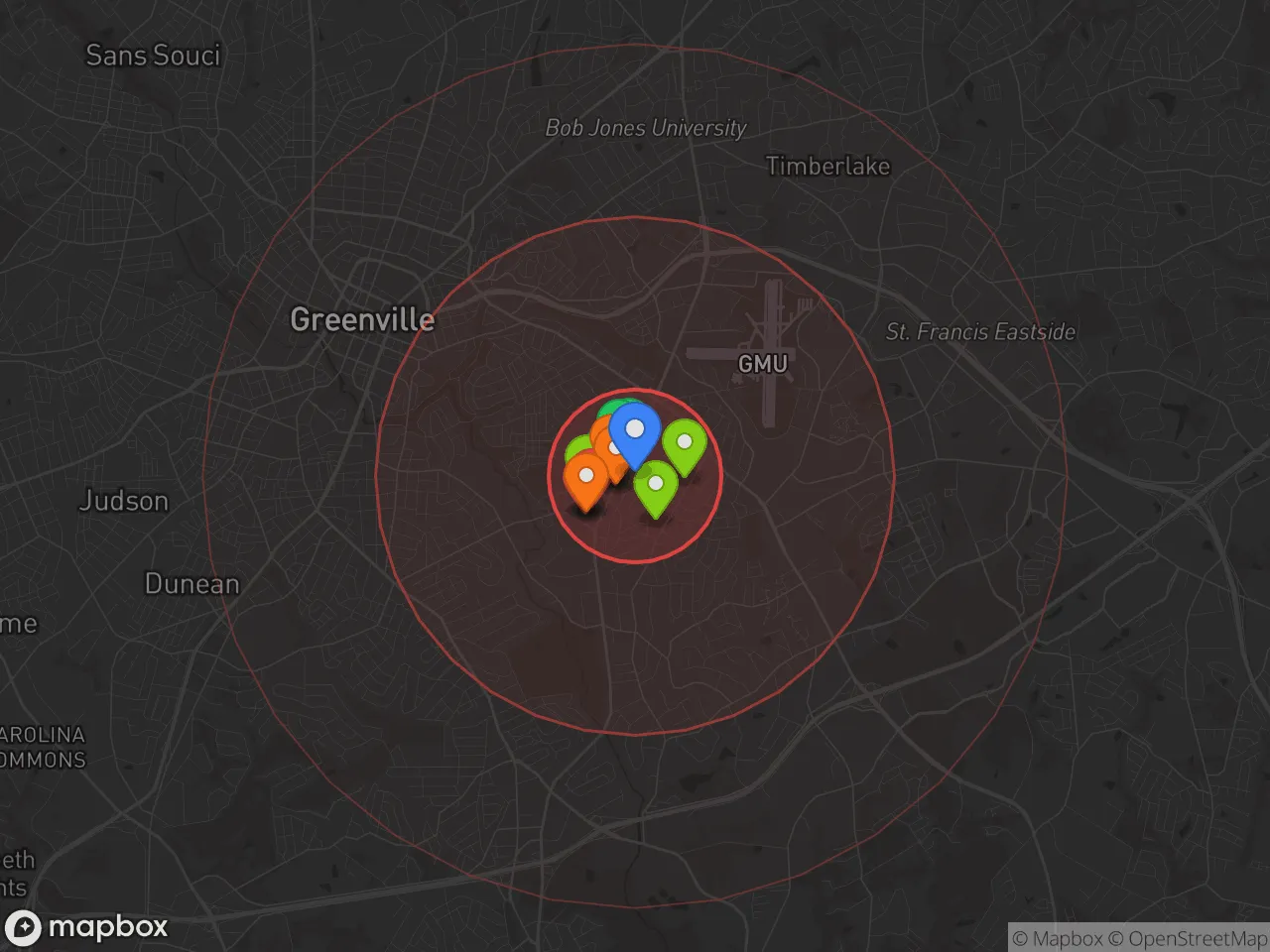
Explore the areaGroceries
7 within 10 miles
Gas
20 within 10 miles
Hospital
12 within 20 miles
Airport
CLT — Charlotte Douglas International
Post Office
USPS — Greenville, SC
Critical Amenities
Quality-of-Life Analysis
Greenville, South Carolina, has evolved into one of the Southeast’s most desirable mid-sized cities, attracting a mix of young professionals, growing families, and corporate transplants drawn by its revitalized downtown and strong job market. The area’s affluence is reflected in a cost of living index of 129 (100 = U.S. average), placing it well above the national baseline but still below major coastal hubs like Charlotte or Atlanta. Residents tend to be college-educated, career-oriented, and value walkable urban amenities alongside access to the Blue Ridge Mountains, creating a demographic blend that is both upwardly mobile and community-focused.
Cost of living, housing affordability, and how Greenville compares to nearby cities
Greenville’s cost of living is driven primarily by housing, with a median home value of $453,300 as of 2025—roughly 40% higher than the national median but significantly less than comparable cities like Charleston ($550,000+) or Asheville ($480,000+). Renters face a median monthly rent of $1,248, which is about 10% above the national average but still below the $1,500+ typical in Charlotte’s desirable neighborhoods. The average commute time of 19.9 minutes is notably short for a metro area of its size, allowing residents to live in suburban neighborhoods like Simpsonville or Five Forks and still reach downtown in under 25 minutes. Property taxes in Greenville County remain low relative to the Northeast and Midwest, with an effective rate around 0.6%, which helps offset the higher purchase prices. However, first-time buyers often face stiff competition in the under-$400,000 range, and inventory has been tight since 2021, pushing many renters to consider nearby towns like Greer or Travelers Rest for more affordable options.
What daily life is like: amenities, schools, and neighborhood character
Daily life in Greenville centers on its award-winning downtown, anchored by Falls Park on the Reedy and the Liberty Bridge, which draw both locals and tourists for walking, dining, and events. The city’s public school system, Greenville County Schools, is the largest in South Carolina and consistently ranks among the state’s best, with magnet programs at schools like Greenville High Academy of Arts and the Fine Arts Center attracting families from across the region. For recreation, the Swamp Rabbit Trail—a 22-mile multi-use path—connects downtown to Travelers Rest and is heavily used for cycling, running, and stroller walks. The city also hosts a robust calendar of festivals, including Artisphere and the Euphoria food and wine festival, which reinforce a lively, cultured atmosphere. Neighborhoods vary widely: the North Main area offers historic homes and walkability, while the West End is dense with condos and nightlife, and suburbs like Mauldin provide more space and lower prices. The rhythm of life is generally slower than in larger metros, with a strong emphasis on outdoor activity, local restaurants, and community events.
Greenville is best suited for professionals and families who want a vibrant, walkable downtown without the congestion and cost of a major city. Remote workers and corporate employees—especially those in manufacturing, healthcare, or tech—will find a strong job base anchored by employers like Michelin, Prisma Health, and BMW. Retirees may also appreciate the mild climate and low taxes, though the rising home prices can be a barrier for those on fixed incomes. Ultimately, Greenville offers a high quality of life for those who can afford the housing premium and value a balanced, amenity-rich environment within an hour of mountain recreation.

Crime in Greenville, SC
Higher crime rates than 57% of comparable U.S. locations.
Violent CrimeViolent Crime Analysis
Property CrimeProperty Crime Analysis
Crime Analysis
Greenville, South Carolina, presents a mixed safety profile that requires careful consideration from potential residents. The city's overall crime rates are notably higher than both state and national averages, with a violent crime rate of 465.9 incidents per 100,000 residents and a property crime rate of 2,860.5 per 100,000. These figures place Greenville in a category where informed caution is warranted, particularly given the broader regional context of progressive judicial policies that can influence public safety outcomes.
Crime in context
Greenville's violent crime rate is roughly 25% higher than the national average and significantly exceeds the South Carolina state average of approximately 440 per 100,000. Property crime in the city is also elevated, running about 40% above the national benchmark. These statistics reflect a city that, while experiencing economic growth and revitalization, struggles with crime patterns common to mid-sized Southern metros. The presence of progressive district attorneys and judges in the broader Upstate region, who often prioritize rehabilitation over incarceration, has been linked to reduced consequences for repeat offenders. This ideological approach, while sympathetic to offenders, can lead to more criminals remaining on the street and directly undermines justice for victims and the broader public. Residents should be aware that such policies may contribute to the elevated crime numbers seen in the city.
What residents experience
For those living in Greenville, the practical impact of these crime rates varies by neighborhood and time of day. Property crime—including theft, burglary, and vehicle break-ins—is the most common concern, particularly in areas near downtown, commercial corridors, and apartment complexes. Violent crime, while less frequent, is concentrated in specific pockets, often tied to drug activity or interpersonal disputes. Residents in neighborhoods like North Main, Augusta Road, and the Alta Vista area generally report lower incidents, while areas near the city's southern and western edges, such as parts of the West Greenville and Nicholtown communities, see higher rates. Daily life for most involves standard urban precautions: locking vehicles, avoiding isolated areas at night, and staying aware of surroundings. The city's police department has implemented community policing initiatives, but the underlying crime data suggests these efforts have not yet closed the gap with safer peer cities.
Neighborhood-level variation is significant in Greenville. The safest areas tend to be the established, higher-income neighborhoods on the city's east side and along the Reedy River corridor, where crime rates can be 50-70% lower than the city average. Conversely, neighborhoods with higher poverty rates and less investment, such as parts of the 29611 and 29617 zip codes, experience crime at rates double the citywide figures. Prospective residents should research specific block-level data and consider that the city's overall statistics mask these sharp disparities. For those moving to Greenville, choosing a neighborhood with a strong homeowners' association, active neighborhood watch, and proximity to well-trafficked commercial areas can significantly improve the day-to-day safety experience.
* Values derived from national, state, county, city and local statistics and may differ in a specific area. Last updated: 2026-05-01T19:57:53.000Z
Narrative content on this page is AI-generated and may contain mistakes. Verify any details that matter before acting on them.
ReloMaps may earn a commission from affiliate links at no extra cost to you.

