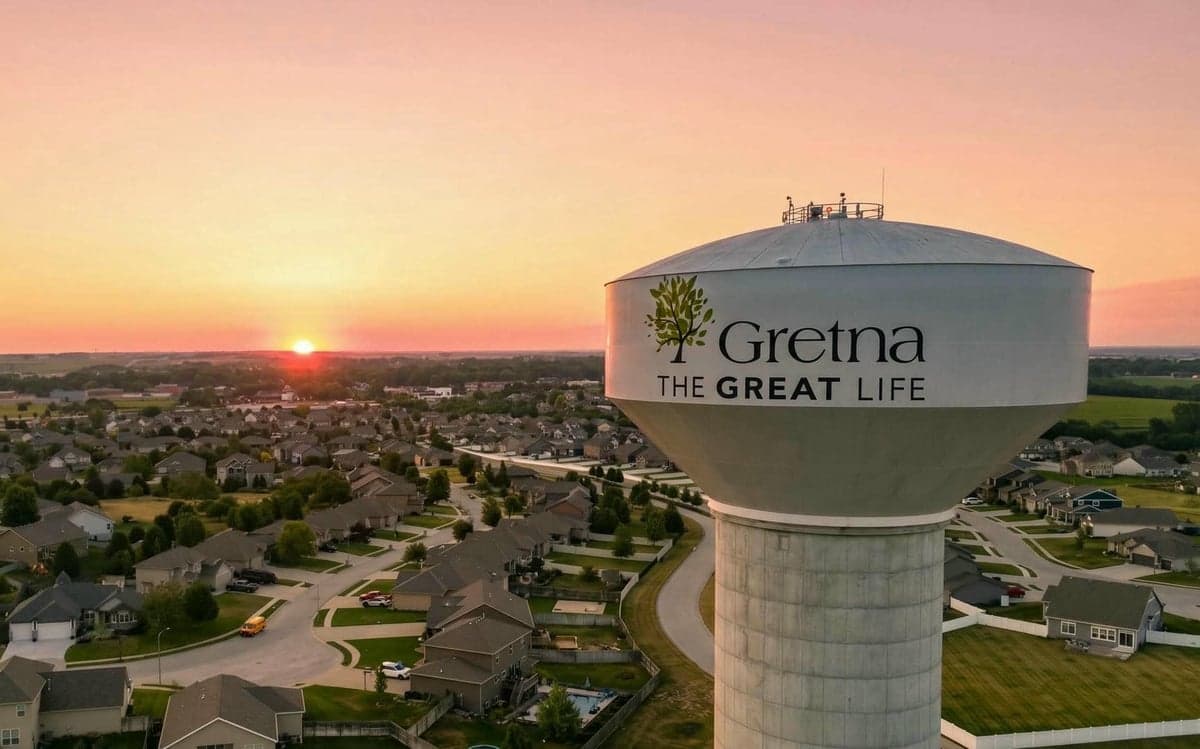
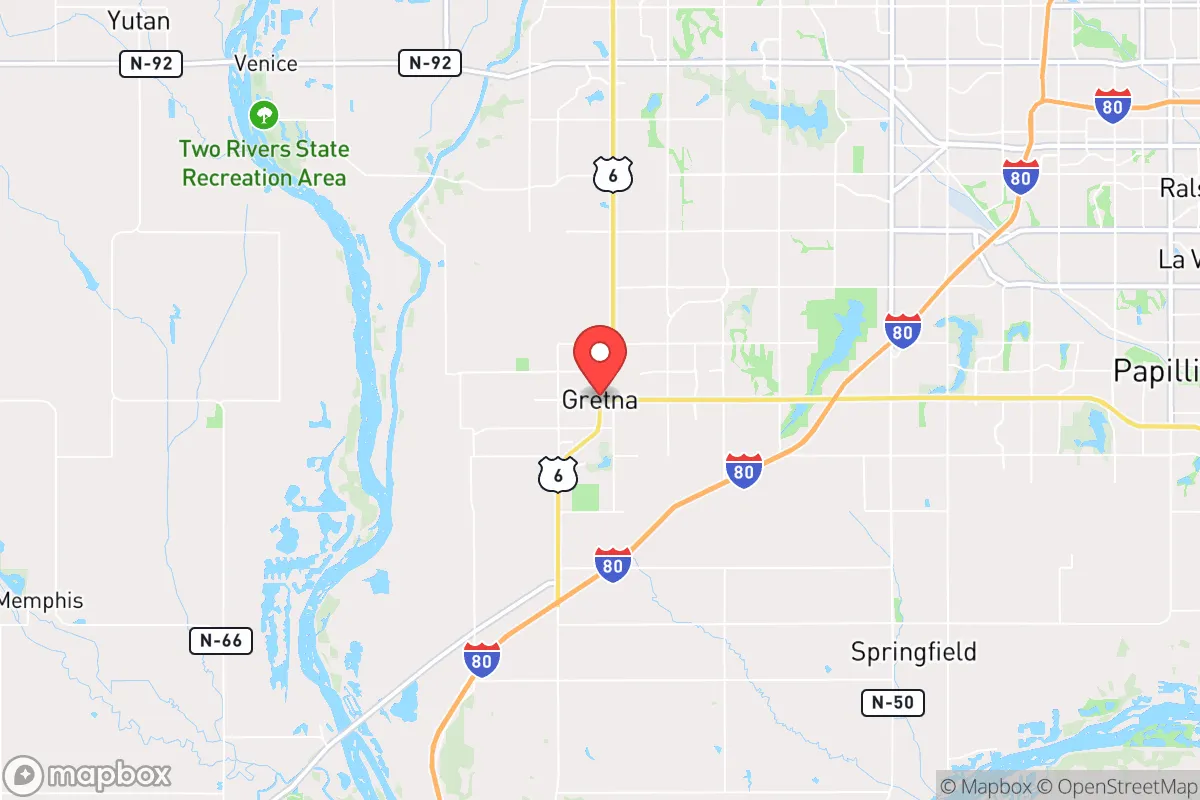
Quality of Life in Gretna, NE
A high quality of life with strong walkability, manageable living costs, healthy neighborhood signals, and solid amenity access.
What does Quality of Life tell us?
Quality of Life blends cost of living, nearby amenities, socioeconomic signals, and neighborhood character. City-level scores represent the whole municipality; individual neighborhoods can differ.
What does this tell us?
Quality of Life blends cost of living, nearby amenities, socioeconomic signals, and neighborhood character. City-level scores represent the whole municipality; individual neighborhoods can differ.
Cost of Living
22% above national average
The Real Cost of Living in Gretna, NE for 2026
| Tier | Individual | Family (4) |
|---|---|---|
| Survival | $23k | $44k |
| Comfortable | $63k | $93k |
| Luxury | $143k+ | $222k+ |
| Elite (Top 5%) | $169k+ | $262k+ |
128%
The Area Signal
A metric tracking the socioeconomic signals of the area.
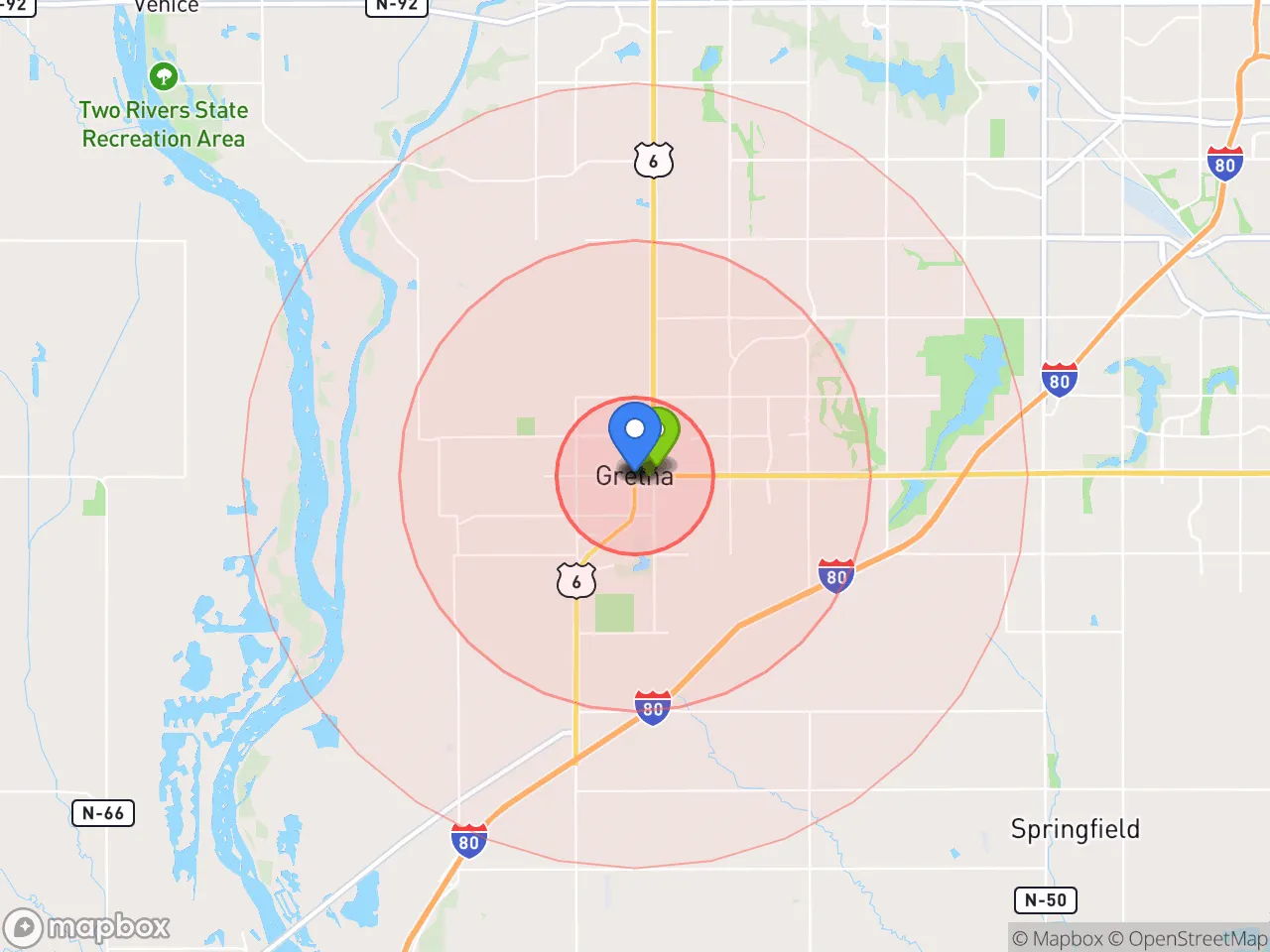
Hobbies
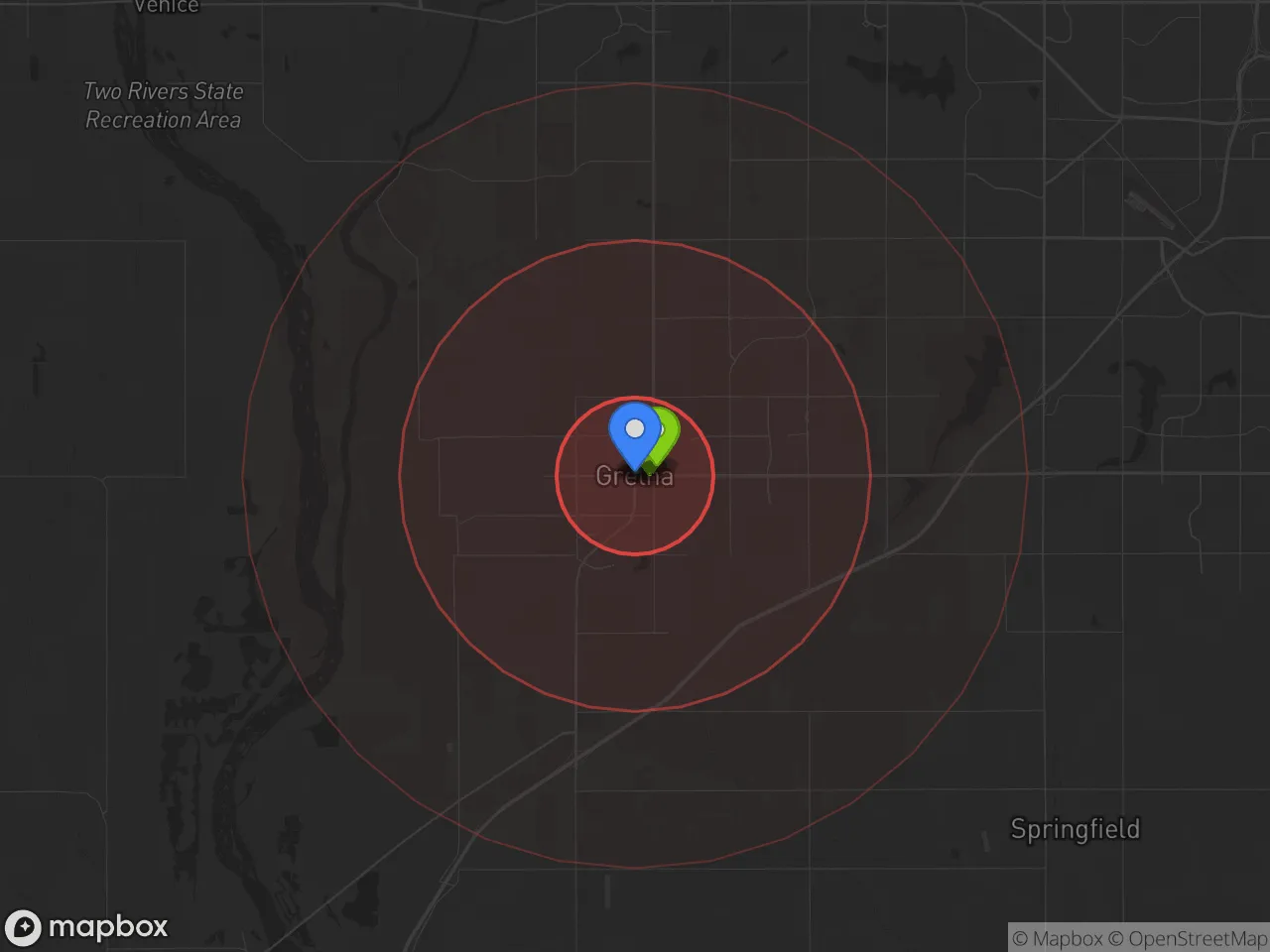
Explore the areaGroceries
7 within 10 miles
Gas
20 within 10 miles
Hospital
20 within 20 miles
Airport
MCI — Kansas City International
Post Office
USPS — Gretna, NE
Critical Amenities
Quality-of-Life Analysis
Gretna, Nebraska, is an affluent Omaha suburb where the cost of living index sits at 122—22 percent above the national average—reflecting a community of professionals, families, and commuters who prioritize space, safety, and strong schools over urban proximity. With a median home value of $326,000 and median rent of $1,467, the city attracts buyers and renters who can afford a premium for newer construction, larger lots, and a slower pace than central Omaha. The average commute of just over 22 minutes underscores its role as a bedroom community where residents trade a short drive for suburban tranquility.
Cost of living, housing prices, and how Gretna compares to Omaha and surrounding suburbs
Gretna’s housing market sits notably above Nebraska’s statewide median home value of roughly $235,000, but remains competitive with other fast-growing Sarpy County suburbs like Papillion and La Vista. The median home value of $326,000 buys a newer single-family home—often built after 2000—on a quarter-acre or larger lot, a contrast to Omaha’s older housing stock where the median hovers near $210,000. Renters face a median of $1,467 per month, which is about $200 more than the Omaha metro average, reflecting limited apartment inventory and strong demand for rental homes near the new Gretna Crossing development. Property taxes in Sarpy County run around 1.8 percent of assessed value, slightly higher than Douglas County (Omaha), but residents gain access to the highly rated Gretna Public Schools system. For buyers, the trade-off is clear: pay a 22 percent COL premium for newer housing, lower crime rates, and a commute that is 8–10 minutes shorter than far-west Omaha exurbs like Elkhorn.
What daily life is like for families: schools, shopping, and recreation in Gretna
Daily life in Gretna revolves around the Gretna Public Schools district, which serves roughly 4,500 students across six elementary schools, one middle school, and one high school—all rated above the state average on Nebraska’s accountability system. The district’s 2024 graduation rate of 96 percent and a student-teacher ratio of 15:1 are key draws for families moving from Omaha’s older neighborhoods. For shopping and dining, residents rely on the Gretna Crossing retail corridor along Highway 370, anchored by a Super Target, Kohl’s, and national chains, while local spots like The Fat Toad and Crescent Moon Coffee provide gathering spaces. Outdoor recreation centers on the 2.5-mile paved Gretna Trail system, the nearby Platte River State Park (15 minutes south), and the 18-hole Gretna Golf Course. The city’s annual Gretna Days festival in August and the weekly farmers market (May–October) reinforce a small-town feel, even as the population has doubled since 2010 to roughly 6,500. Commuters heading to Omaha’s downtown or the University of Nebraska Medical Center (UNMC) campus face a consistent 22-minute drive via Highway 370 and I-80, with minimal traffic compared to similar suburbs in the metro.
Gretna is best suited for families and professionals who value top-rated schools, newer housing, and a quiet suburban routine over urban nightlife or walkability. Empty-nesters downsizing from rural acreages also find appeal in the city’s maintenance-free patio homes and proximity to Omaha’s medical facilities. Singles or young renters may find the social scene limited and the rental stock expensive relative to downtown Omaha, but for those prioritizing safety, school quality, and a short commute, Gretna delivers a consistent, predictable quality of life that justifies its above-average cost of living.

Crime in Gretna, NE
Generally safer than 65% of comparable U.S. locations.
Violent CrimeViolent Crime Analysis
Property CrimeProperty Crime Analysis
Crime Analysis
Gretna, Nebraska, reports a violent crime rate of 215.2 incidents per 100,000 residents and a property crime rate of 1,378.5 per 100,000, placing it in a moderate safety tier for a suburb of the Omaha-Council Bluffs metropolitan area. While these figures are lower than the national average for violent crime, the property crime rate is a notable concern, particularly given the city’s proximity to a large metro area where progressive judicial policies can influence regional crime trends. Residents should weigh these statistics against the reality that Sarpy County’s justice system, while not as lenient as some urban counterparts, still operates within a state framework that has seen debates over sentencing reform and offender rehabilitation.
Crime in context
Gretna’s violent crime rate of 215.2 per 100,000 is roughly 40% lower than the national average of 380 per 100,000, but it is slightly above the Nebraska state average of 210 per 100,000. Property crime, at 1,378.5 per 100,000, sits 25% below the national average of 1,954 per 100,000 but is elevated compared to the Nebraska state average of 1,200 per 100,000. This pattern is typical for a growing suburb near a major metro area like Omaha, where property crime—especially theft and vehicle break-ins—can spill over from the urban core. The presence of progressive district attorneys in Douglas County (Omaha) has been linked to lower prosecution rates for non-violent property offenses, a factor that may indirectly affect Gretna as offenders cross county lines.
What residents experience
Residents of Gretna commonly report that violent crime is rare, with most incidents involving domestic disputes or isolated assaults rather than random street violence. The primary day-to-day safety concern is property crime, particularly theft from vehicles and package theft, which spikes near retail corridors like Highway 370 and the Gretna Crossing shopping center. Neighborhood watch programs are active in subdivisions such as South Ridge and Tara Hills, and the Sarpy County Sheriff’s Office maintains a visible patrol presence. However, the city’s rapid population growth—up 30% since 2020—has strained local law enforcement resources, leading to longer response times for non-emergency property calls.
Neighborhood-level variation in Gretna is modest but worth noting. Older, established areas near downtown Gretna (e.g., along McKelvie Road) see slightly lower property crime rates due to tighter community networks, while newer developments on the city’s eastern edge, closer to Omaha’s city limits, report more theft incidents. The Gretna Public Schools district is a strong draw for families, and school resource officers help maintain a safe environment on campus. For those considering relocation, the trade-off is clear: Gretna offers a safer alternative to Omaha’s core neighborhoods, but residents must remain vigilant against property crime, especially if the metro area’s progressive judicial trends continue to deprioritize low-level offenses.
* Values derived from national, state, county, city and local statistics and may differ in a specific area. Last updated: 2026-05-03T20:29:47.000Z
Narrative content on this page is AI-generated and may contain mistakes. Verify any details that matter before acting on them.
ReloMaps may earn a commission from affiliate links at no extra cost to you.

