
Demographics of Groton Long Point, CT
Affluence Level in Groton Long Point, CT
A wealthy area with high-earning, well-educated households. Incomes, home values, and educational attainment meaningfully outpace national averages.
People of Groton Long Point, CT
Groton Long Point, Connecticut, is a small, tightly-knit coastal community of 511 residents that remains overwhelmingly white (94.3%) and highly educated (78.3% college-educated), with a foreign-born population of just 1.8%. The community functions as a seasonal and year-round enclave defined by its historic summer cottage culture, low population density, and strong property-owner association governance. Its residents are predominantly older, affluent, and deeply connected to the area's maritime and recreational identity, with little racial or ethnic diversity and no significant Black, Asian, or Indian subcontinent populations.
How the city was settled and grew
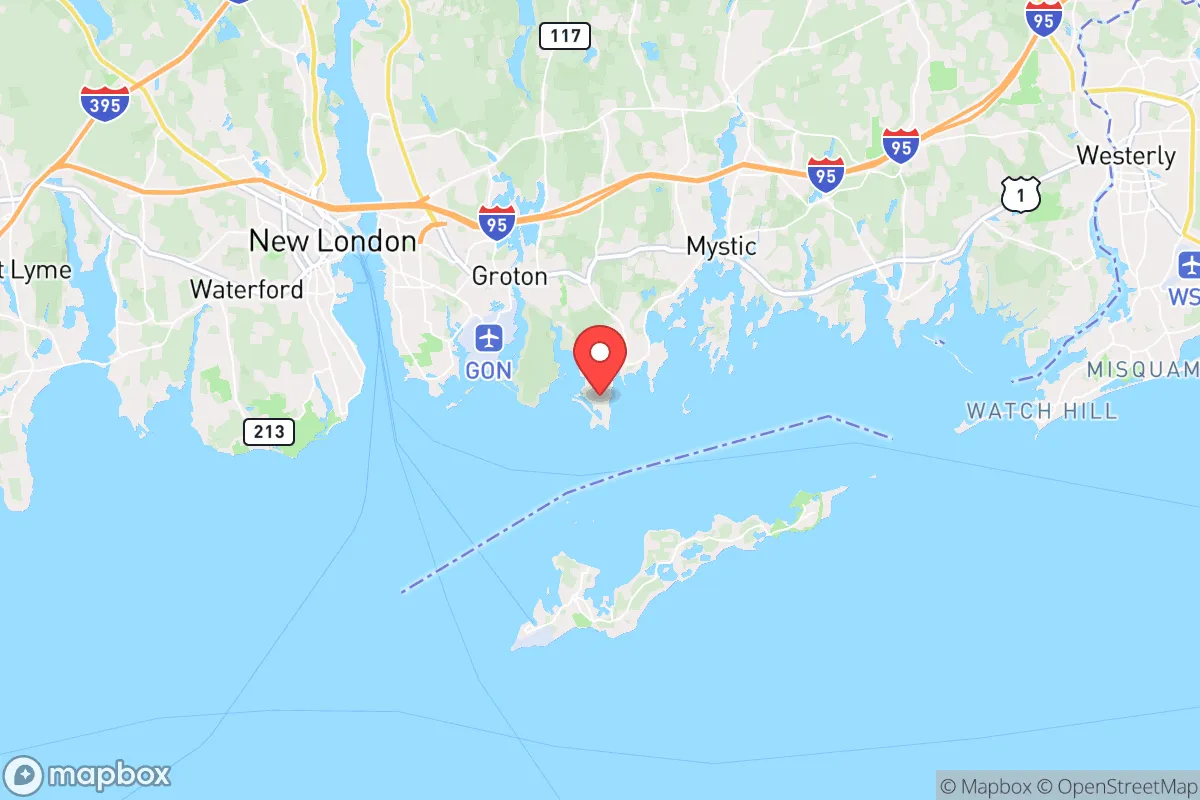
Groton Long Point was not settled as a traditional New England farming village but rather developed as a planned summer resort community in the late 19th and early 20th centuries. The land, a narrow peninsula jutting into Long Island Sound, was originally part of the larger Groton area, inhabited by the Pequot people before English colonists arrived in the 1600s. However, the Point itself remained largely undeveloped until the 1880s, when a group of investors from New London and Norwich formed the Groton Long Point Association in 1881. They purchased the peninsula and laid out a grid of streets and lots specifically for summer cottages, targeting middle-class and upper-middle-class families from inland Connecticut and New York seeking oceanfront respite. The original settlers were almost exclusively white, Protestant, and of English or Scottish descent, drawn by the promise of clean air, beaches, and a quiet family retreat. The Association Beach and Point Park areas became the social and recreational hubs, while the West End and East End neighborhoods filled with modest clapboard cottages built by the same families who returned each summer for generations. By the mid-20th century, the community had solidified its character as a seasonal enclave, with year-round residents remaining a small minority.
Modern era (post-1965)
After the 1965 Hart-Cellar Act, Groton Long Point experienced virtually no demographic change, as its high property values, limited housing stock, and insular association governance discouraged new development and in-migration. The community remained overwhelmingly white, with the 1.8% Hispanic population and 1.8% foreign-born share representing only a handful of individuals, likely seasonal workers or spouses of longtime residents. The Mumford Cove area, a small neighborhood on the mainland side of the peninsula, absorbed most of the few new year-round households, while the Gates School district (serving the Point) saw minimal enrollment growth. The post-1965 era was defined not by diversification but by preservation: the Groton Long Point Association tightened zoning and building restrictions, effectively freezing the community's physical and demographic character. The Pequot Avenue corridor, lined with historic cottages, remained the symbolic heart of the community, with most homes still passed down through families rather than sold on the open market. The 0.0% Black, 0.0% East/Southeast Asian, and 0.0% Indian subcontinent populations reflect the Point's lack of appeal to younger, more diverse households, who are priced out or drawn to more affordable, diverse areas in New London County.
The future
Groton Long Point's population is heading toward further homogenization and gradual decline. The community's median age is likely rising, as younger families are priced out by high coastal property values and restrictive building codes, while older retirees age in place. The 78.3% college-educated rate suggests a professional-class population that is not reproducing itself locally, and the 1.8% foreign-born share is unlikely to grow given the lack of rental housing, employment base, or immigrant-serving institutions. The Long Point Road neighborhood, which contains the few year-round homes, may see slow turnover as elderly residents pass away, but new buyers will almost certainly mirror the existing demographic profile—white, affluent, and drawn to the area's exclusivity and natural beauty. No significant immigrant or minority community is emerging, and the Point is not tribalizing into distinct enclaves; rather, it is consolidating as a single, homogeneous enclave. The next 10-20 years will likely see a slight population decline, with more homes converting to seasonal use or being purchased as second homes by out-of-state buyers, further reducing the year-round tax base and community vitality.
For someone moving in now, Groton Long Point offers a stable, predictable, and insular community with virtually no demographic change on the horizon. It is a place for those who value privacy, tradition, and coastal living over diversity, economic opportunity, or urban amenities. The population is not growing, diversifying, or rejuvenating—it is preserving itself, and that preservation is the community's defining feature. A new resident should expect to join a small, aging, and highly educated white enclave where social life revolves around the association, the beach, and longstanding family networks.

* Values derived from national, state, county, city and local statistics and may differ in a specific area. Last updated: 2026-05-03T20:21:56.000Z
Narrative content on this page is AI-generated and may contain mistakes. Verify any details that matter before acting on them.
ReloMaps may earn a commission from affiliate links at no extra cost to you.

