
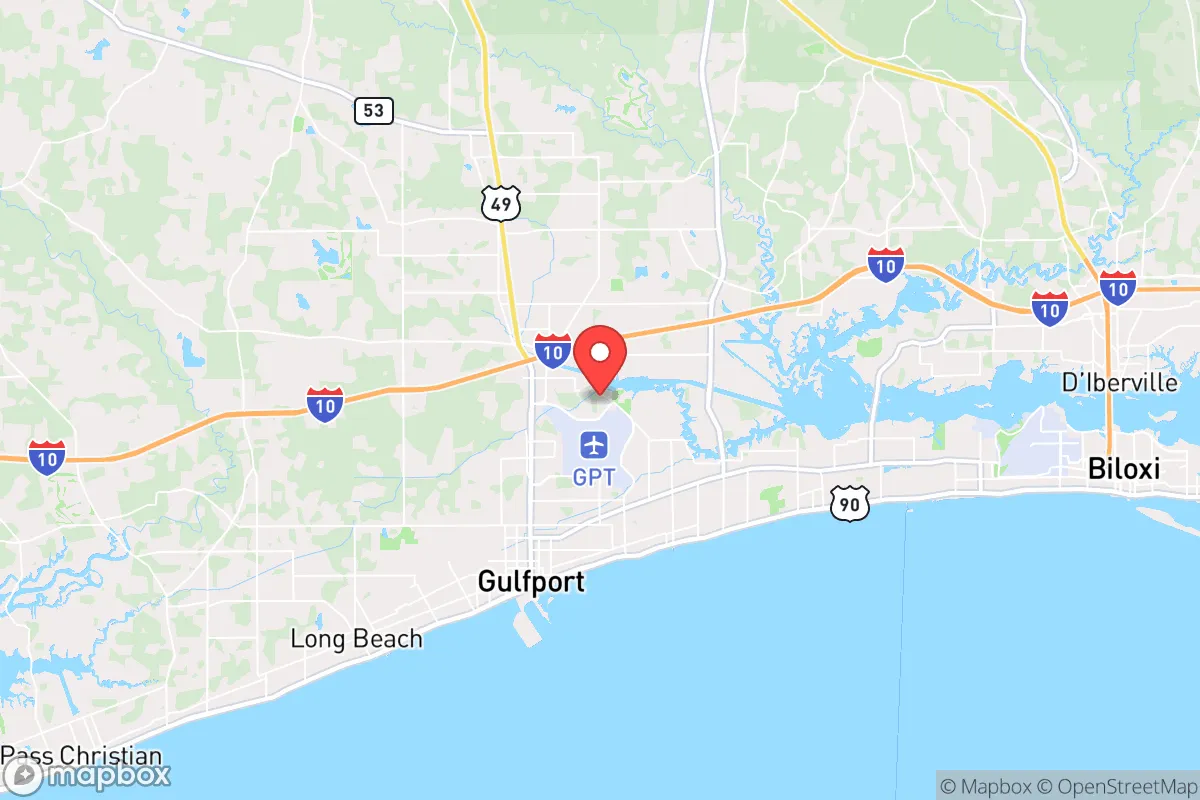
Photo: Wikipedia
Quality of Life in Gulfport, MS
A high quality of life with strong walkability, manageable living costs, healthy neighborhood signals, and solid amenity access.
What does Quality of Life tell us?
Quality of Life blends cost of living, nearby amenities, socioeconomic signals, and neighborhood character. City-level scores represent the whole municipality; individual neighborhoods can differ.
What does this tell us?
Quality of Life blends cost of living, nearby amenities, socioeconomic signals, and neighborhood character. City-level scores represent the whole municipality; individual neighborhoods can differ.
Cost of Living
23% below national average
The Real Cost of Living in Gulfport, MS for 2026
| Tier | Individual | Family (4) |
|---|---|---|
| Survival | $16k | $31k |
| Comfortable | $32k | $48k |
| Luxury | $83k+ | $129k+ |
| Elite (Top 5%) | $111k+ | $172k+ |
96%
The Area Signal
A metric tracking the socioeconomic signals of the area.
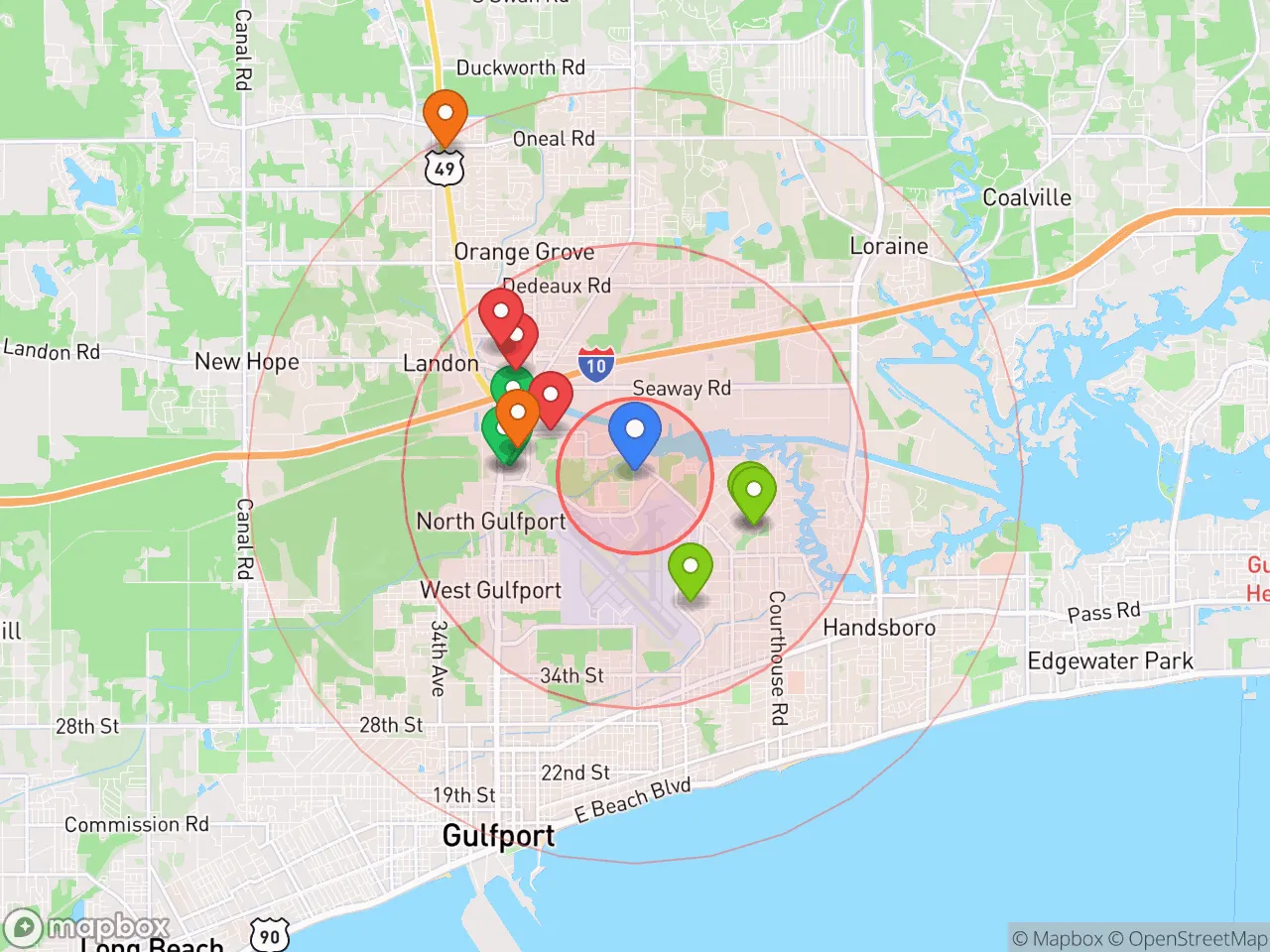
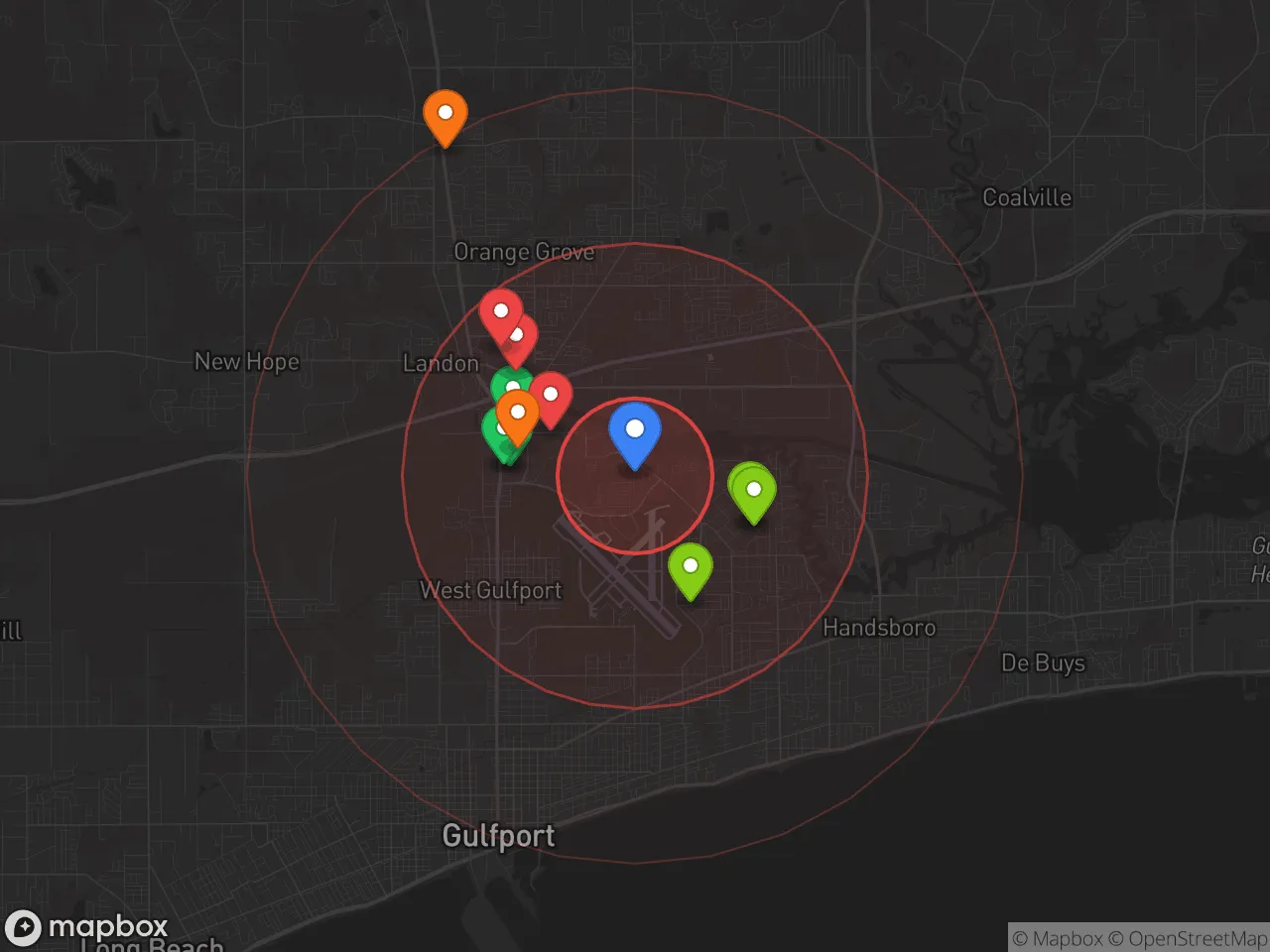
Hobbies
Explore the areaGroceries
3 within 10 miles
Gas
20 within 10 miles
Hospital
9 within 20 miles
Airport
ATL — Hartsfield–Jackson Atlanta International
Post Office
USPS — Gulfport, MS
Critical Amenities
Quality-of-Life Analysis
Gulfport, Mississippi, offers a notably lower cost of living than the national average, making it an attractive destination for retirees, remote workers, and families seeking more disposable income. With a cost-of-living index of 77 (where 100 equals the U.S. average), the city provides a distinctly affordable lifestyle compared to coastal peers like Pensacola, Florida, or Mobile, Alabama. The population skews middle-income and older, with a significant number of residents employed in the healthcare, casino, and military sectors tied to Keesler Air Force Base.
How housing costs and affordability compare to nearby coastal cities
Housing is the primary driver of Gulfport's affordability. The median home value sits at $167,100, roughly half the national median and significantly lower than in neighboring Biloxi ($195,000) or Ocean Springs ($220,000). Median rent is $1,030, which is about $300 less per month than the U.S. average and undercuts rents in Gulf Shores, Alabama, by nearly $400. The average commute time is 21.8 minutes, well below the national average of 26 minutes, meaning residents spend less on gas and vehicle wear. Property taxes in Harrison County are among the lowest in the Gulf Coast region, typically around 0.6% of assessed value, further stretching household budgets. However, wages in the area also lag the national average, so the affordability advantage is most pronounced for those bringing in outside income or working in the higher-paying casino or defense sectors.
What daily life is like for families and retirees in Gulfport
Daily life in Gulfport revolves around outdoor recreation and a relaxed coastal pace. The city boasts over 10 miles of public beaches along the Mississippi Sound, with Jones Park and the Gulfport Harbor offering fishing piers, playgrounds, and seasonal farmers markets. The Gulfport School District serves roughly 6,400 students and includes Gulfport High School, which offers an International Baccalaureate program. For healthcare, the 445-bed Memorial Hospital at Gulfport is the region's largest provider, and the nearby Singing River Health System adds specialty care. Dining leans heavily toward casual seafood spots—like the Half Shell Oyster House and Shaggy's—with a growing number of craft breweries and coffee shops along Highway 90. The city's entertainment anchor is the Island View Casino Resort, which draws visitors but also provides steady employment. The rhythm is slower than in New Orleans (90 minutes west) or Mobile (60 minutes east), with fewer high-end retail options and a quieter nightlife scene.
Gulfport is best suited for people who prioritize affordability and outdoor access over urban density and career variety. Retirees on fixed incomes benefit from the low housing costs and mild winters, while military families stationed at Keesler Air Force Base find the commute and school options convenient. Remote workers and early retirees from higher-cost states like California or New York can stretch their savings considerably here. Those seeking vibrant cultural amenities, high-end dining, or fast-paced professional growth may find the city limiting. For budget-conscious buyers and laid-back coastal living, Gulfport delivers a quality of life that is hard to match elsewhere on the Gulf Coast at this price point.

Crime in Gulfport, MS
Higher crime rates than 71% of comparable U.S. locations.
Violent CrimeViolent Crime Analysis
Property CrimeProperty Crime Analysis
Crime Analysis
Gulfport, Mississippi, reports a violent crime rate of 782 incidents per 100,000 residents and a property crime rate of 3,371.6 per 100,000, placing it well above both state and national averages. While the city offers coastal amenities and a growing economy, these crime statistics signal a safety environment that requires careful consideration, particularly for families and professionals evaluating relocation. The data reflects a community where property crime is the more prevalent concern, though violent offenses occur at a frequency that warrants attention.
Crime in context
Gulfport’s violent crime rate is roughly 2.2 times the national average of about 380 per 100,000, while its property crime rate exceeds the U.S. norm by approximately 80%. Compared to Mississippi’s statewide violent crime rate of roughly 280 per 100,000, Gulfport is significantly higher. The city’s position within the broader Gulfport-Biloxi metro area means it shares regional crime patterns with neighboring cities like Biloxi and Long Beach, though Gulfport itself consistently reports higher per-capita rates. Readers should note that Harrison County, which includes Gulfport, has seen progressive prosecutorial policies in recent years, including diversion programs and reduced sentencing for certain nonviolent offenses. While intended to reduce incarceration, such approaches can result in more offenders remaining on the street, potentially contributing to repeat property crimes and a diminished deterrent effect for violent acts.
What residents experience
Property crime dominates daily safety concerns in Gulfport. Theft, burglary, and motor vehicle theft are the most common offenses, with residents frequently reporting package theft, vehicle break-ins, and home burglaries in both residential and commercial areas. Violent crime, while less frequent, includes aggravated assault as the most common category, followed by robbery and, less often, homicide. Many incidents are concentrated in specific corridors, such as parts of U.S. 49 and the downtown area near the port. Residents often cite the need for home security systems, neighborhood watch participation, and vigilance when parking or walking after dark. The presence of progressive district attorneys in the region has been linked to higher recidivism rates for property offenders, as plea deals and reduced charges allow repeat criminals to cycle back into neighborhoods quickly.
Neighborhood-level variation is notable. Areas west of Highway 49, including the historic Handsboro district and parts of the Orange Grove community, tend to report lower crime rates than the central urban core and east-side neighborhoods near the industrial port. Suburban communities like Lyman and Saucier, while technically outside Gulfport city limits, offer significantly lower crime rates and are popular with families seeking proximity to the coast without the associated safety risks. Prospective residents should examine block-level crime maps and consider visiting potential neighborhoods at different times of day to assess real-world conditions.
* Values derived from national, state, county, city and local statistics and may differ in a specific area. Last updated: 2026-04-29T18:49:47.000Z
Narrative content on this page is AI-generated and may contain mistakes. Verify any details that matter before acting on them.
ReloMaps may earn a commission from affiliate links at no extra cost to you.

