Photo: Wikipedia
Demographics of Hardin, MT
Affluence Level in Hardin, MT
A below-average socioeconomic profile. Incomes, home values, and educational attainment trail the U.S., with higher poverty and unemployment.
People of Hardin, MT
Hardin, Montana, is a small, predominantly Native American and white community of 3,766 residents, where the Crow Nation’s historical and contemporary presence defines the city’s character more than any other single factor. With a foreign-born population of just 0.3%, it is one of the least ethnically diverse cities in the state by immigration, yet its racial composition—41.7% white, 11.2% Hispanic, and a significant Native American population—reflects a deep, often contested history of settlement, displacement, and adaptation. The city’s identity is rooted in its role as a border town between the Crow Reservation and non-reservation land, creating a distinctive blend of rural conservatism, tribal sovereignty, and working-class resilience.
How the city was settled and grew
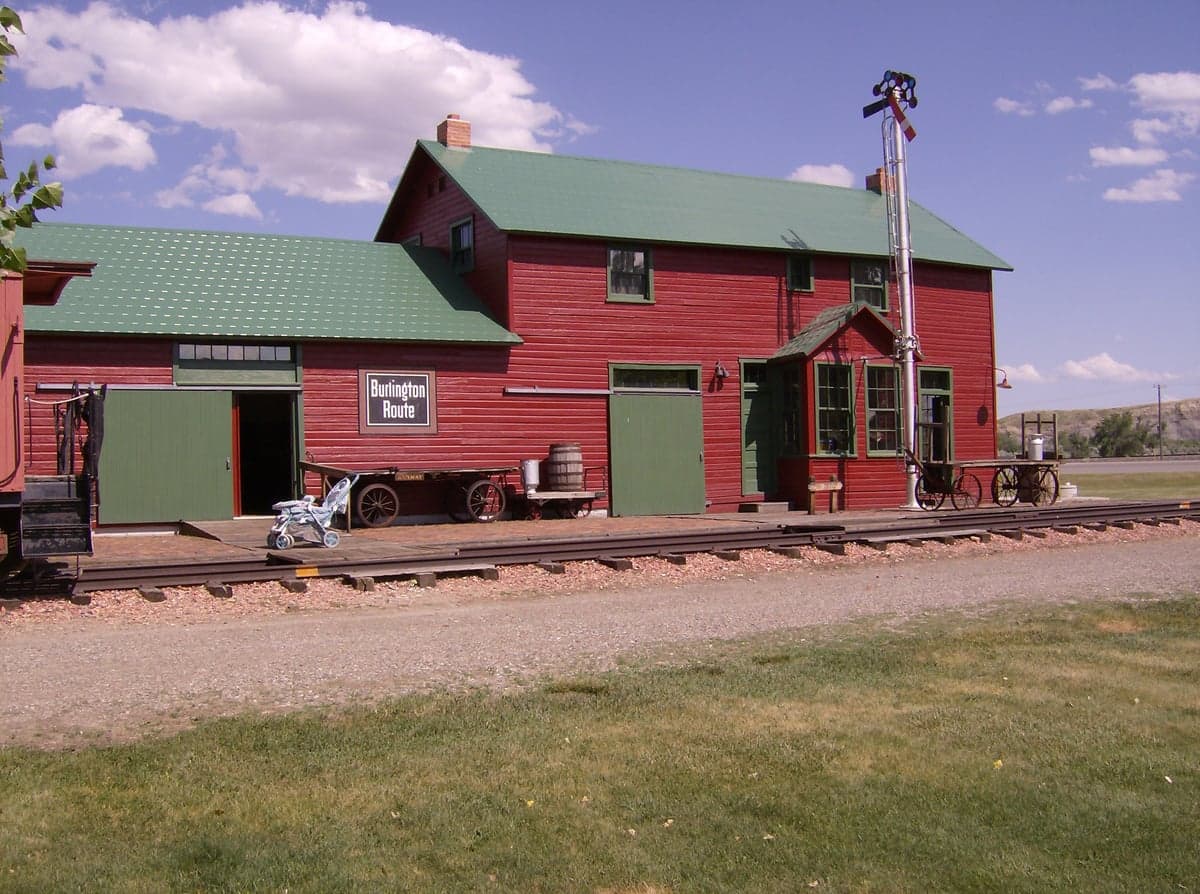
Hardin was founded in 1906 as a railroad town on the former Crow Indian Reservation, after the U.S. government opened the land to non-Native homesteaders through the 1904 Crow Allotment Act. The original white settlers—mostly farmers and ranchers of Northern European descent—arrived via the Chicago, Burlington and Quincy Railroad, establishing the city as an agricultural service hub. The historic Downtown Hardin district, centered on North Center Avenue, was built by these early homesteaders and remains the commercial core, with brick storefronts dating to the 1910s. A second wave of white settlers came during the 1930s Dust Bowl, when displaced farmers from the Great Plains moved into the area, settling in the South Hardin neighborhood, a grid of modest single-family homes south of the railroad tracks. The Crow people, who had been confined to the reservation after the 1880s, were largely excluded from the city itself during this period, living instead in rural communities like Lodge Grass and Crow Agency (just 12 miles south), though some worked as laborers in Hardin’s grain elevators and stockyards. By 1950, Hardin’s population was nearly all white, with Native Americans making up less than 5% of residents, reflecting the segregationist policies of the era.
Modern era (post-1965)
The post-1965 period brought two major demographic shifts. First, the Indian Self-Determination Act of 1975 and the rise of tribal governance on the Crow Reservation led to a gradual increase in Native American residents moving into Hardin proper, particularly into the West Hardin neighborhood, a lower-income area west of the BNSF Railway tracks where housing was more affordable. By 2020, Native Americans (including those identifying as multiracial) likely comprised over 40% of the city’s population, though the Census’s 41.7% white figure indicates a near-even split. Second, the Hispanic population grew from near zero in 1990 to 11.2% today, driven by Mexican and Central American immigrants who came to work in the region’s sugar beet fields and meatpacking plants. These families settled primarily in the East Hardin neighborhood, east of the Big Horn River, where mobile home parks and rental duplexes house a growing working-class community. The Asian population remains negligible at 0.5%, and the Black population is 0.0%, making Hardin a biracial (white-Native) city with a small Hispanic minority. The Hardin High School district reflects this shift: the student body is now majority Native American, with a growing Hispanic cohort, while white families have increasingly enrolled in private or homeschool options.
The future
Hardin’s population is likely to remain stable or decline slightly over the next decade, as the city’s economic base—agriculture, the nearby Yellowstone River coal mines, and the Crow Tribe’s casino—offers limited growth. The Native American population is expected to grow as a share, driven by higher birth rates and a return of tribal members from urban areas seeking lower costs and cultural connection. The Hispanic community is plateauing, as immigration from Mexico slows and second-generation families assimilate into the broader white or Native cultural spheres. The white population is aging and slowly shrinking, with younger white adults leaving for Billings (45 miles west) or out of state. The city is not tribalizing into distinct enclaves—neighborhoods remain mixed by income and race—but social divisions persist along cultural lines, with the Hardin Civic Center and Big Horn County Fairgrounds hosting separate events for Native and non-Native communities. The Pryor Creek area, a rural fringe north of town, is seeing new subdivision development aimed at white families seeking acreage, while the Crow Reservation border remains a symbolic and practical dividing line.
For a conservative-leaning newcomer, Hardin offers a low-cost, low-crime environment with strong hunting and outdoor recreation, but the social fabric is defined by the ongoing negotiation between Crow sovereignty and non-Native property rights. The city is becoming more Native American in identity and governance, not less, and anyone moving in should expect a community where tribal politics and rural conservatism coexist uneasily. It is a place for those who value self-reliance and are comfortable with a bicultural reality—not for those seeking ethnic diversity or rapid economic change.

* Values derived from national, state, county, city and local statistics and may differ in a specific area. Last updated: 2026-04-23T17:39:58.000Z
Narrative content on this page is AI-generated and may contain mistakes. Verify any details that matter before acting on them.
ReloMaps may earn a commission from affiliate links at no extra cost to you.

