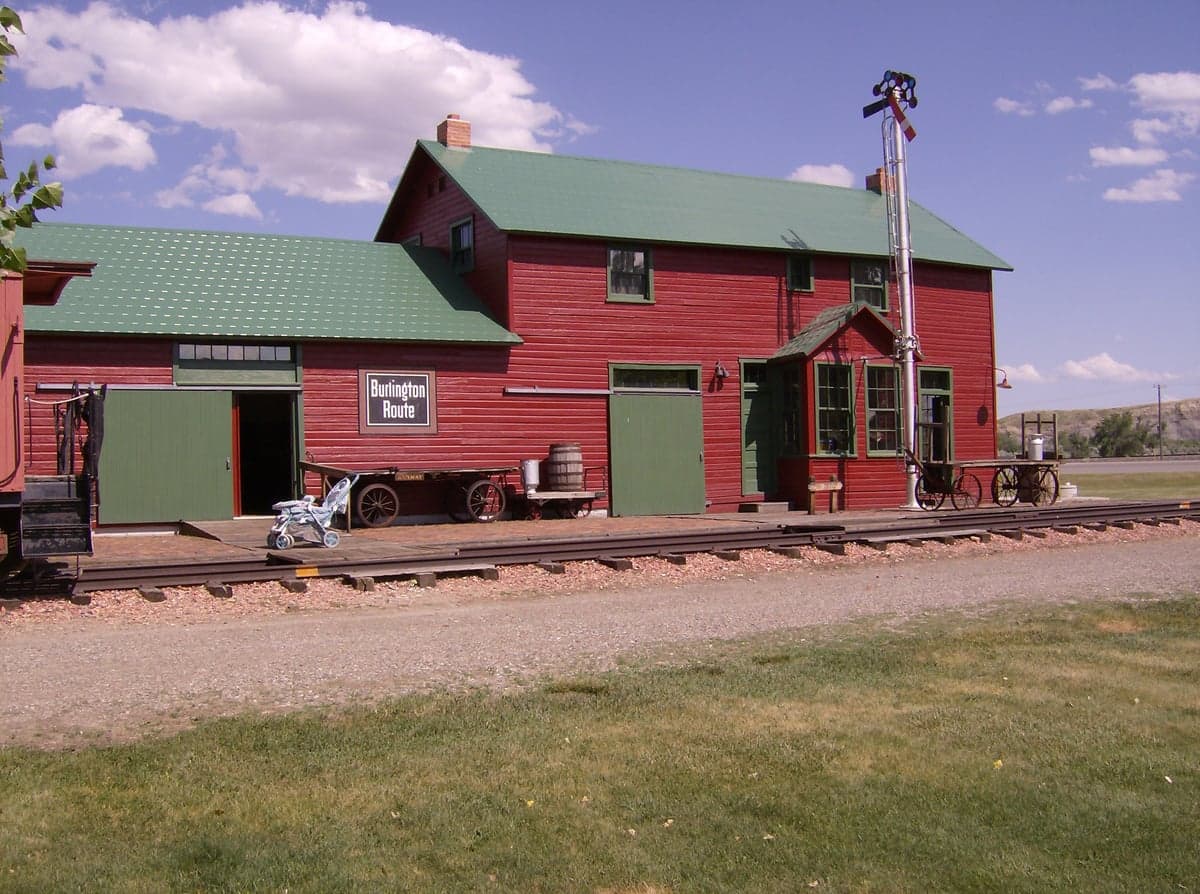
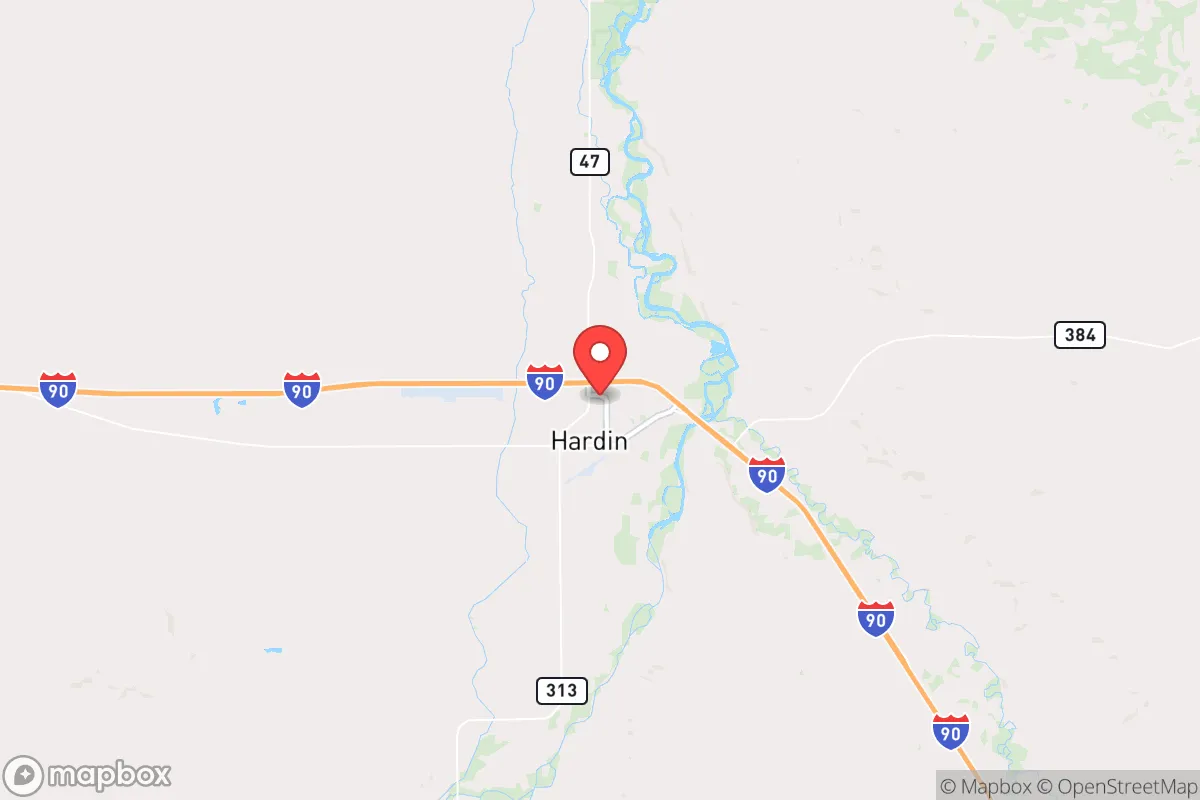
Photo: Wikipedia
Quality of Life in Hardin, MT
A high quality of life with strong walkability, manageable living costs, healthy neighborhood signals, and solid amenity access.
What does Quality of Life tell us?
Quality of Life blends cost of living, nearby amenities, socioeconomic signals, and neighborhood character. City-level scores represent the whole municipality; individual neighborhoods can differ.
What does this tell us?
Quality of Life blends cost of living, nearby amenities, socioeconomic signals, and neighborhood character. City-level scores represent the whole municipality; individual neighborhoods can differ.
Cost of Living
42% below national average
The Real Cost of Living in Hardin, MT for 2026
| Tier | Individual | Family (4) |
|---|---|---|
| Survival | $12k | $22k |
| Comfortable | $28k | $41k |
| Luxury | $82k+ | $127k+ |
| Elite (Top 5%) | $97k+ | $150k+ |
148%
The Area Signal
A metric tracking the socioeconomic signals of the area.
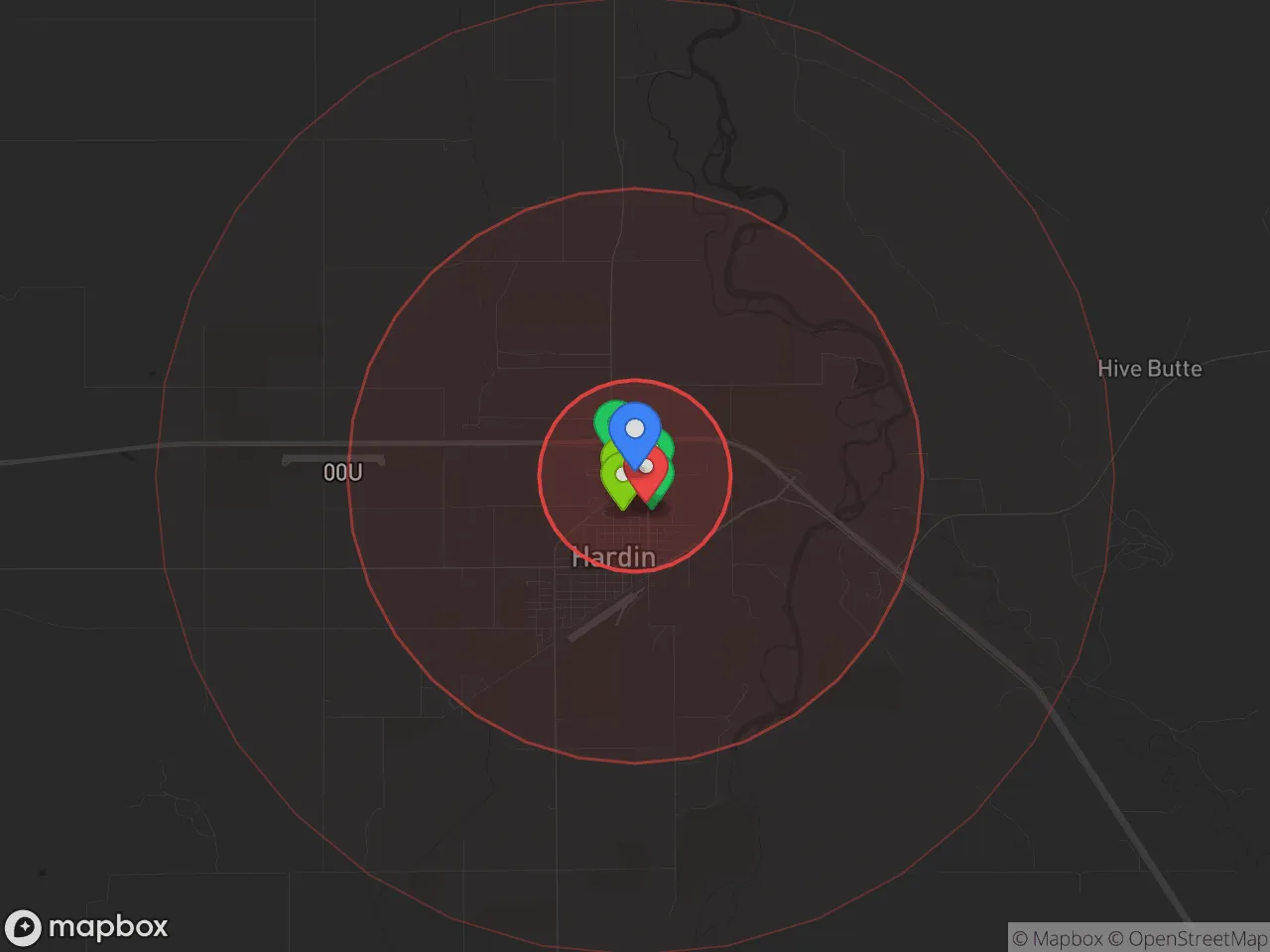
Hobbies
Explore the areaGroceries
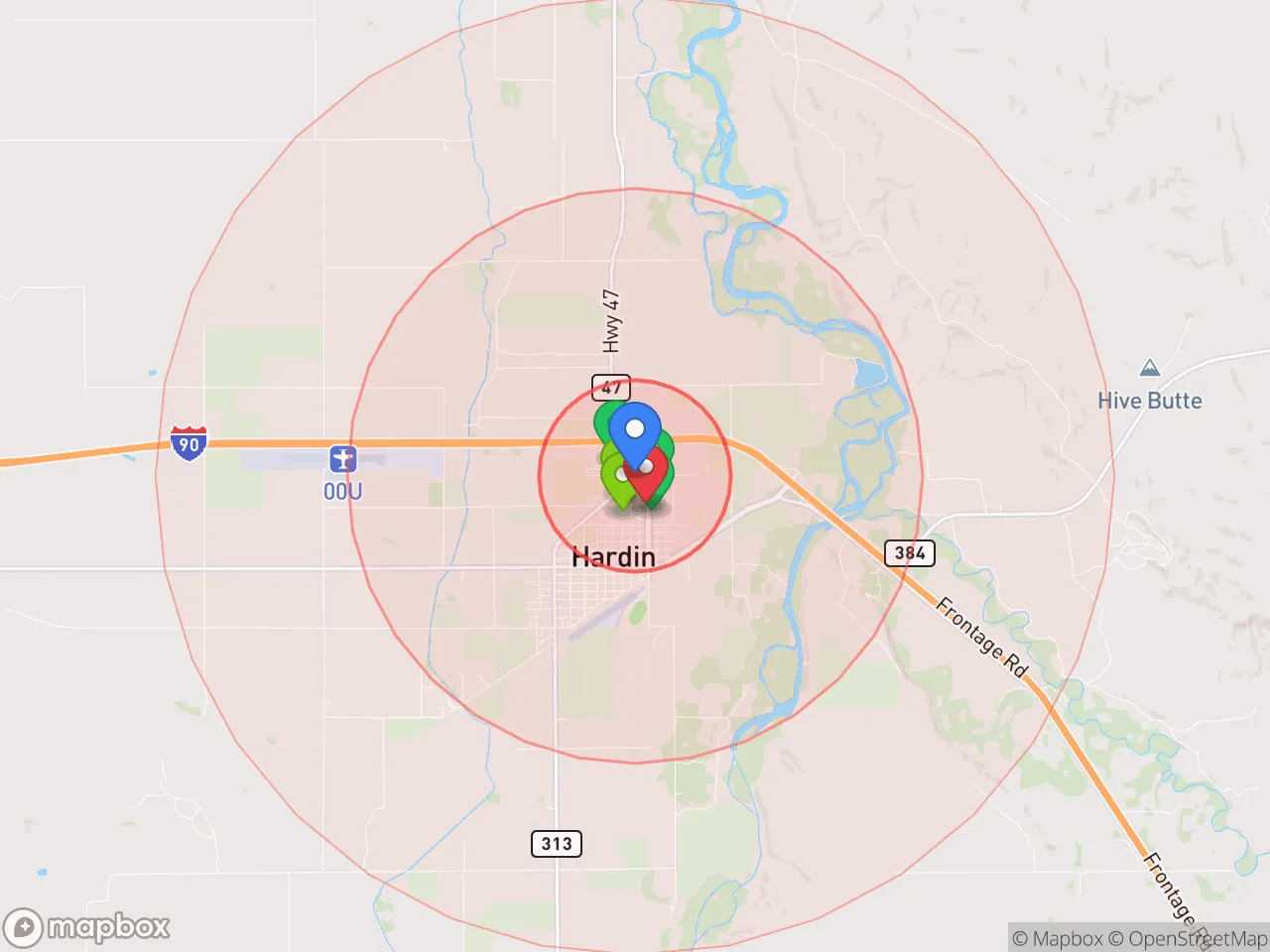
0 within 10 miles
Gas
3 within 10 miles
Hospital
2 within 20 miles
Airport
SLC — Salt Lake City International
Post Office
USPS — Hardin, MT
Critical Amenities
Quality-of-Life Analysis
Hardin, Montana, offers a notably low cost of living that attracts a mix of agricultural workers, energy-sector employees, and retirees seeking a quiet, affordable lifestyle in the Big Horn River Valley. With a cost-of-living index of 58—42% below the U.S. average—the area provides a financial cushion that is increasingly rare in the Mountain West. The population of roughly 3,800 is predominantly employed in farming, ranching, healthcare, and the nearby coal and rail industries, creating a community rooted in practical, hands-on work and a slower daily pace.
Cost of living and housing affordability compared to Billings and the Crow Reservation
Hardin’s housing market is a primary draw for budget-conscious movers. The median home value sits at $142,800, and the median rent is $726 per month—both dramatically lower than in Billings, 45 miles west, where the median home value exceeds $300,000. This price gap means a family can often buy a three-bedroom home in Hardin for what a one-bedroom apartment costs in Billings. The average commute of 16.7 minutes is short and predictable, with most residents working within town or commuting to jobs at the Crow Tribe’s administrative offices, the Hardin School District, or the coal-fired power plants south of town. Property taxes in Big Horn County are moderate, and the absence of a state sales tax in Montana further stretches household budgets. However, the trade-off is a limited rental market and an older housing stock; many homes were built before 1970 and may require updates.
What daily life is like for families, retirees, and outdoor enthusiasts
Daily life in Hardin revolves around a compact downtown, the Big Horn River, and a handful of essential services. The Hardin Public Schools district serves roughly 1,400 students across three schools, with a student-teacher ratio of about 14:1—smaller than the state average. For healthcare, the Big Horn County Memorial Hospital provides emergency and primary care, though specialists require a drive to Billings. Groceries and basic shopping are available locally, but residents typically make a weekly trip to Billings for big-box retailers and entertainment. Outdoor life is the main amenity: the Big Horn River offers excellent fishing for walleye and catfish, and the nearby Big Horn Canyon National Recreation Area provides hiking, boating, and camping within 30 minutes. The town’s annual Big Horn County Fair and the Hardin Farmers Market are social anchors, while the Little Bighorn Battlefield National Monument, 15 miles east, draws history-focused visitors year-round.
Hardin is best suited for people who prioritize affordability and quiet over urban convenience. Retirees on fixed incomes, remote workers who can tolerate limited high-speed internet options, and families who want a low-stress, low-cost environment will find the most value here. Those who thrive are self-sufficient, comfortable with a 45-minute drive for major shopping or medical specialists, and appreciate a community where neighbors know each other and the pace of life follows the seasons. It is not a place for nightlife, career diversity, or cultural amenities—but for the right person, it offers a stable, affordable foundation that is increasingly hard to find elsewhere in Montana.

Crime in Hardin, MT
Generally safer than 65% of comparable U.S. locations.
Violent CrimeViolent Crime Analysis
Property CrimeProperty Crime Analysis
Crime Analysis
Hardin, Montana, reports a violent crime rate of 432.7 per 100,000 residents and a property crime rate of 1,325 per 100,000, placing it above both state and national averages for a community of its size. These figures indicate that while Hardin is not a high-crime urban center, residents face a notably elevated risk compared to the typical Montana town. The data suggests that safety in Hardin requires more vigilance than in many other Big Horn County communities.
Crime in context
Hardin's violent crime rate of 432.7 per 100,000 is roughly 24% higher than the national average and significantly exceeds Montana's statewide rate of approximately 380 per 100,000. Property crime in Hardin, at 1,325 per 100,000, is also elevated—about 10% above the national average and well above the Montana average of roughly 1,100 per 100,000. These numbers place Hardin among the less safe small cities in the state, though the absolute number of incidents remains low due to the town's population of roughly 3,800. For context, a community of this size would typically see about 16 violent crimes and 50 property crimes annually at these rates.
What residents experience
Residents report that property crimes—particularly theft from vehicles and burglary—are the most common safety concerns, often concentrated near the downtown core and along the I-90 corridor. Violent incidents, while less frequent, include aggravated assault and robbery, with a notable share linked to domestic disputes or alcohol-related altercations. The local justice system, operating under Montana's broader judicial framework, has not adopted the progressive prosecutorial policies seen in some larger metro areas; however, repeat property offenders cycling through the system remain a frustration for many residents. Law enforcement presence is limited, with the Hardin Police Department and Big Horn County Sheriff's Office covering a large geographic area, which can delay response times in outlying neighborhoods.
Neighborhood-level variation
Safety in Hardin varies noticeably by area. The newer subdivisions south of the BNSF railway tracks and near the Hardin High School tend to see lower crime rates, while older blocks north of Center Avenue and along the riverfront experience higher incident counts. The Hardin Middle School area and the commercial strip on Highway 47 also report more frequent property crimes. Rural properties just outside city limits face elevated risk of theft and vandalism due to isolation and limited patrol coverage. Prospective residents should research specific blocks and consider proximity to the police station when choosing a home, as neighborhood-level differences can be stark within this small community.
* Values derived from national, state, county, city and local statistics and may differ in a specific area. Last updated: 2026-04-23T17:39:58.000Z
Narrative content on this page is AI-generated and may contain mistakes. Verify any details that matter before acting on them.
ReloMaps may earn a commission from affiliate links at no extra cost to you.

