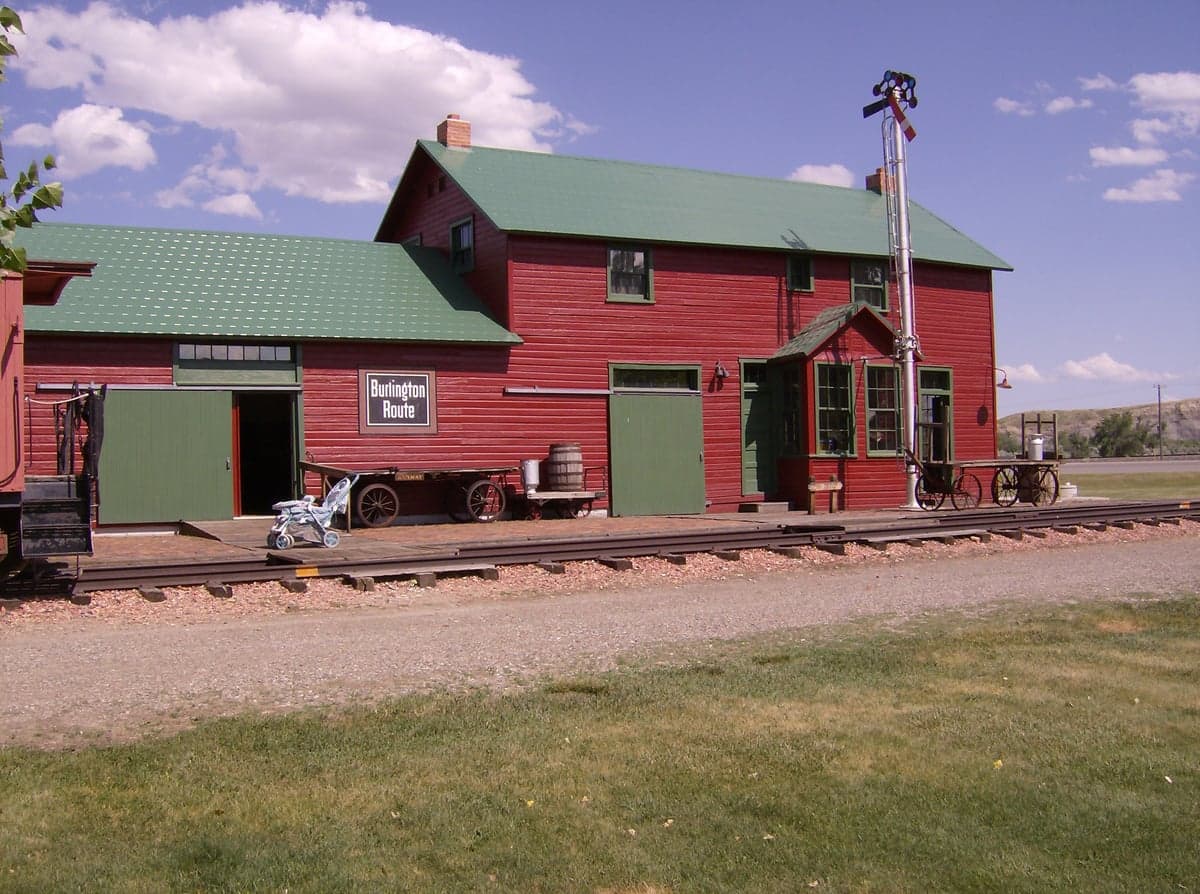
Photo: Wikipedia
Personal Sovereignty in Hardin, MT
Viable for self-reliance. Generally workable, though some barriers may limit total independence.
What does Personal Sovereignty tell us?
Personal Sovereignty measures your capacity for self-reliance and independence with minimal government friction. Higher scores mean fewer barriers between you and the way you want to live... but it assumes you have the space you need and good neighbors.
What does this tell us?
Personal Sovereignty measures your capacity for self-reliance and independence with minimal government friction. Higher scores mean fewer barriers between you and the way you want to live... but it assumes you have the space you need and good neighbors.
State Policy
Energy independence: Net exporter (120% of energy produced in-state)
Personal Liberty
Homesteading

Personal Liberty Analysis
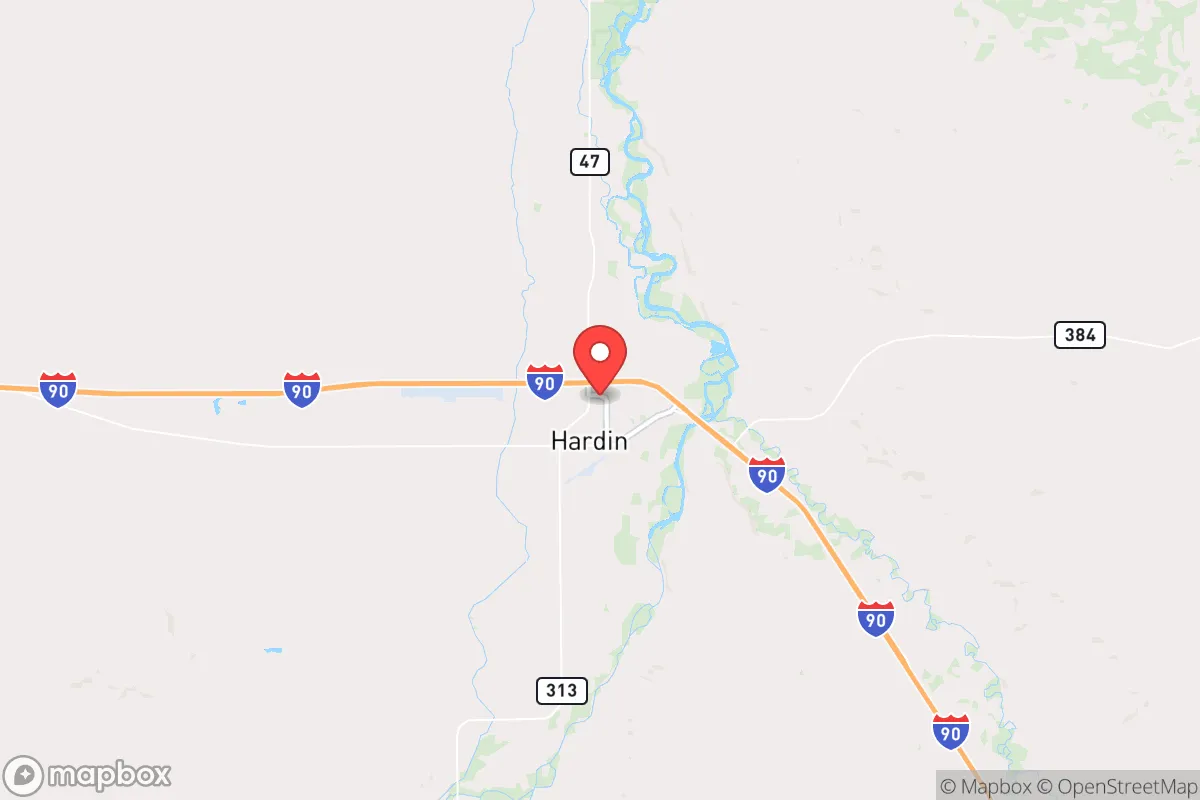
Hardin, Montana, offers one of the strongest personal sovereignty environments in the northern Plains, largely because Montana’s state-level legal framework actively limits government reach into daily life. For a survivalist or prepper, this means fewer layers of bureaucracy between you and your decisions on property, self-defense, and family matters. The town sits in Big Horn County, a rural area where local enforcement tends to be hands-off, and the nearest significant population center (Billings, about 50 miles west) is far enough to keep state-level overreach at a distance. If you’re looking for a place where the default answer from government is “yes” rather than “no,” Hardin deserves a hard look.
Tax burden and regulatory posture: How Montana’s low-tax framework protects your resources
Montana’s tax structure is a major draw for anyone concerned about government confiscation of earnings. There is no state sales tax, which means every dollar you earn stays in your pocket unless you spend it on specific local levies. The state income tax is a flat 6.75% — not the lowest in the country, but predictable and without the progressive brackets that punish higher earners. Property taxes in Big Horn County run about 0.72% of assessed value, which is below the national average and significantly lower than states like Texas or Illinois. For a prepper looking to hold land and assets, this matters: the state doesn’t aggressively reassess or layer on special districts. Regulatory posture is equally light. Montana has no statewide building code for most rural areas, and Hardin’s local zoning is minimal — you won’t face the kind of permit battles common in coastal or even Front Range counties. The state’s right-to-farm laws protect agricultural activities from nuisance lawsuits, which is critical if you plan to keep livestock or run equipment. Overall, the tax and regulatory climate here treats your resources as yours, not the government’s.
Self-defense and gun law specifics: Constitutional carry and castle doctrine in practice
Montana is a constitutional carry state — no permit required to carry a concealed firearm, whether you’re a resident or a visitor. This is not a recent compromise; it’s been the law since 2021, and the state legislature has consistently resisted federal overreach on firearms. Hardin itself is in a county where sheriff’s deputies are few and response times can be long, so the ability to defend yourself without bureaucratic hurdles is not theoretical. Castle doctrine is fully codified: you have no duty to retreat in your home, vehicle, or place of business, and the law presumes you acted reasonably if an intruder forces entry. Stand-your-ground applies outside the home as well. There are no magazine capacity limits, no firearm roster, and no waiting periods for purchase. The only notable restriction is that you must be 18 for long guns and 21 for handguns from a dealer, but private sales between adults have no paperwork requirement. For a prepper, this means your defensive capabilities are limited only by your budget and training, not by state interference. The local gun culture is strong — you’ll find regular shooting events and a general expectation that adults are armed.
Self-reliance and homesteading viability: Lot sizes, zoning, and off-grid feasibility in Hardin
Hardin’s rural character makes it a prime location for self-reliant living. Within the town limits, standard residential lots are typically 0.25 to 0.5 acres, but just outside town, you can find parcels from 1 to 40 acres at prices that would shock someone from the coasts — often under $2,000 per acre for raw land. Zoning is minimal: Big Horn County has no county-wide zoning ordinance, and Hardin’s municipal code is focused on basic health and safety rather than aesthetic or lifestyle mandates. Off-grid living is entirely feasible. Montana law does not require connection to municipal water or sewer if you have a well and septic system, and the state’s net metering policy allows you to install solar panels and sell excess power back to the grid at retail rates. There are no state-level bans on rainwater collection, and the county does not enforce building codes for owner-built structures on rural land. For a prepper, this means you can dig a well, put up solar, build a workshop, and store supplies without a parade of inspectors. The growing season is short (about 120 days), but cold-hardy crops and greenhouse techniques work well. Livestock — chickens, goats, even cattle — are common and legally protected under right-to-farm statutes.
Personal liberties: Parental rights, medical autonomy, speech, and property protections
Montana has become a battleground for personal liberties, and the state’s courts and legislature have generally sided with individual freedom. Parental rights are explicitly protected under state law: parents have the authority to direct their children’s education, medical care, and upbringing without state interference unless there is clear evidence of abuse. Homeschooling is straightforward — you file a simple notification with the county superintendent, and there are no curriculum mandates, testing requirements, or teacher qualifications. Medical autonomy is similarly strong. Montana has no state-level vaccine mandate for adults or children, and the legislature has passed laws prohibiting discrimination against the unvaccinated. The Montana Medical Marijuana Act allows for personal cultivation and use with a state card, and there is no law against growing your own food or using herbal remedies. Free speech is robust: Montana has no hate speech laws that criminalize expression, and the state constitution explicitly protects the right to speak anonymously. Property rights are among the strongest in the nation, thanks to the Montana Property Rights Act, which requires the government to compensate landowners for any regulatory taking that reduces property value by 30% or more. This effectively deters overzealous zoning or environmental restrictions. For a prepper, this means you can speak your mind, raise your kids your way, and use your land as you see fit — without the creeping hand of government telling you otherwise.
Compared to other relocation destinations in the West, Hardin offers a sovereignty profile that rivals rural Idaho or Wyoming but with lower land prices and less tourist pressure. The state’s legal framework consistently prioritizes individual choice over collective mandates, and the local culture reinforces that independence. If your primary concern is preserving your autonomy against a backdrop of increasing federal and state overreach elsewhere, Hardin provides a solid foundation — not perfect, but about as close as you’ll find in the lower 48 without moving to Alaska.

* Values derived from national, state, county, city and local statistics and may differ in a specific area. Last updated: 2026-04-23T17:39:58.000Z
Narrative content on this page is AI-generated and may contain mistakes. Verify any details that matter before acting on them.
ReloMaps may earn a commission from affiliate links at no extra cost to you.

