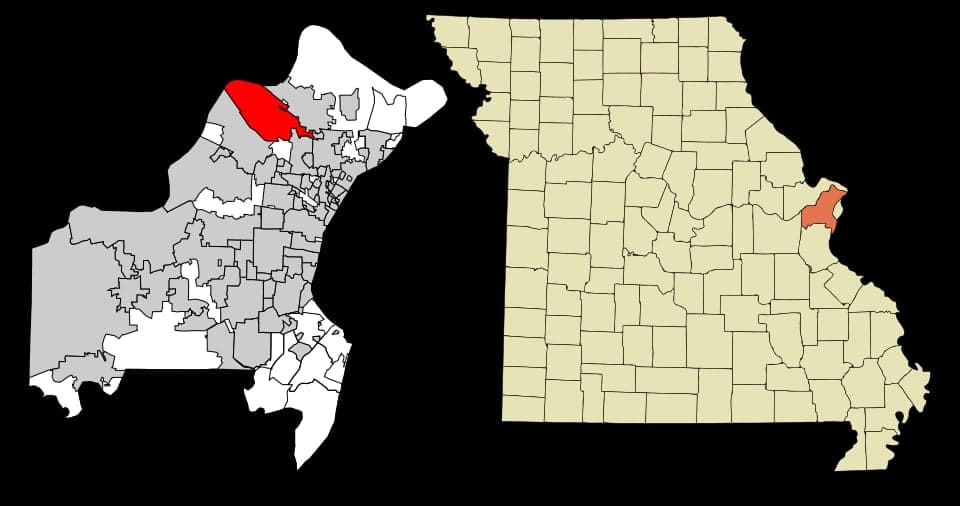
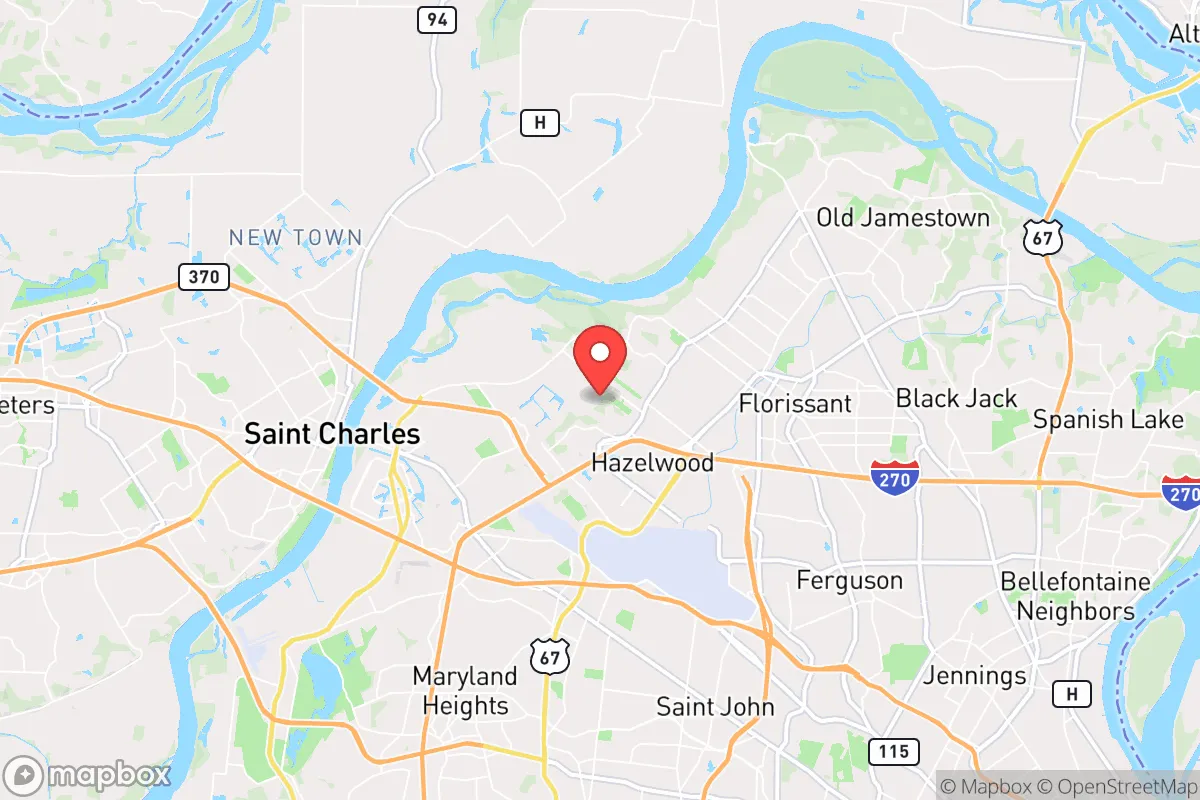
Photo: Wikipedia
Quality of Life in Hazelwood, MO
A high quality of life with strong walkability, manageable living costs, healthy neighborhood signals, and solid amenity access.
What does Quality of Life tell us?
Quality of Life blends cost of living, nearby amenities, socioeconomic signals, and neighborhood character. City-level scores represent the whole municipality; individual neighborhoods can differ.
What does this tell us?
Quality of Life blends cost of living, nearby amenities, socioeconomic signals, and neighborhood character. City-level scores represent the whole municipality; individual neighborhoods can differ.
Cost of Living
29% below national average
The Real Cost of Living in Hazelwood, MO for 2026
| Tier | Individual | Family (4) |
|---|---|---|
| Survival | $15k | $29k |
| Comfortable | $30k | $44k |
| Luxury | $83k+ | $129k+ |
| Elite (Top 5%) | $98k+ | $151k+ |
126%
The Area Signal
A metric tracking the socioeconomic signals of the area.
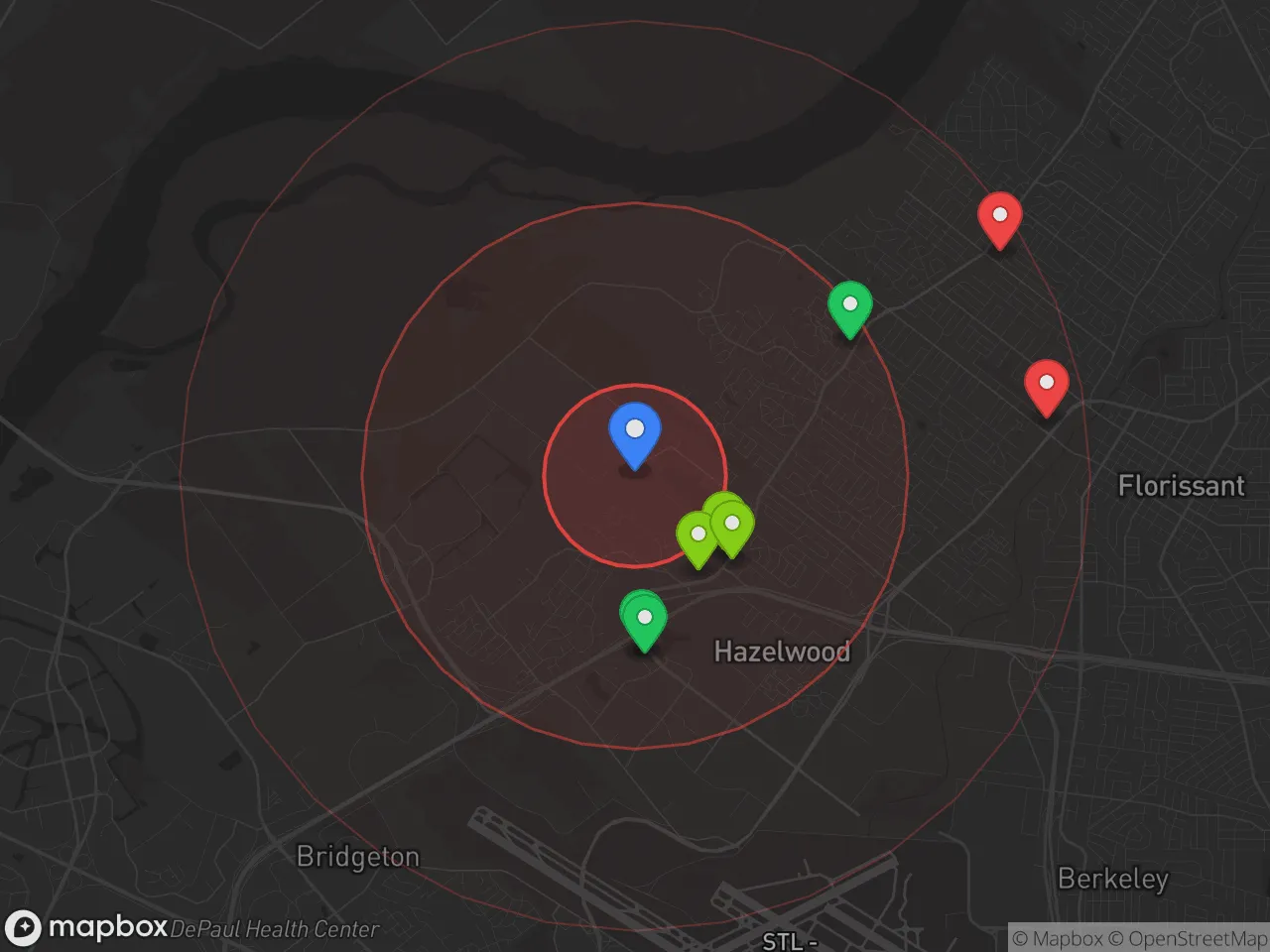
Hobbies
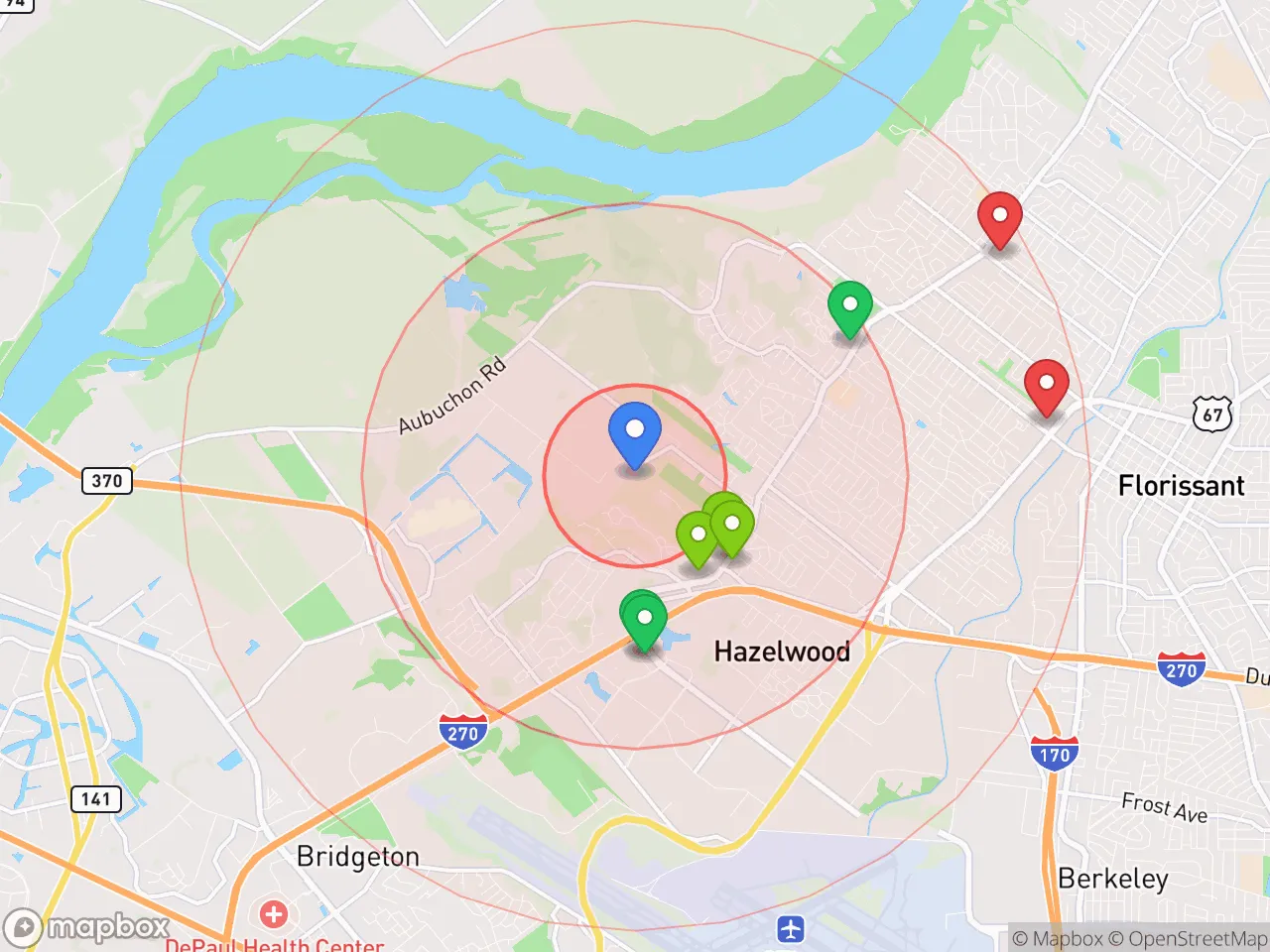
Explore the areaGroceries
5 within 10 miles
Gas
20 within 10 miles
Hospital
20 within 20 miles
Airport
Indianapolis International Airport
Post Office
USPS — Hazelwood, MO
Critical Amenities
Quality-of-Life Analysis
Hazelwood, Missouri, offers a notably affordable quality of life that attracts a mix of working families, first-time homebuyers, and long-term residents seeking suburban stability near St. Louis. With a cost-of-living index of 71—well below the national average of 100—the city provides a lower financial barrier to homeownership and daily expenses compared to many metro-area communities. The population skews middle-income and family-oriented, with a median age around 38 and a significant share of households with children, reflecting a community rooted in practicality rather than affluence.
How housing costs and affordability compare to nearby St. Louis suburbs
Hazelwood’s housing market is among the most accessible in the St. Louis region. The median home value sits at $154,900, roughly half the national median and significantly below neighboring suburbs like Florissant ($175,000) or St. Charles ($280,000). Median rent is $956 per month, undercutting the metro average by about 15%. This affordability stems from a housing stock dominated by post-war ranches and split-levels, with many homes built between 1950 and 1980. While property taxes in St. Louis County average around 1.1% of assessed value, Hazelwood’s rates are in line with county norms, keeping total monthly housing costs low. The trade-off is that home appreciation has been modest—values rose roughly 4% annually over the past five years, slower than fast-growing exurbs like O’Fallon. For renters, the market offers a wide range of apartments and duplexes, with vacancy rates around 5%, giving tenants negotiating leverage.
What daily life is like for families: schools, parks, and commute realities
Daily life in Hazelwood centers on its public school system, Hazelwood School District, which serves over 17,000 students across 20 elementary, middle, and high schools. The district’s graduation rate is 87%, slightly below the state average of 90%, but it offers specialized programs like the Hazelwood School District’s Career Academy and dual-credit courses through St. Louis Community College. For recreation, residents rely on White Birch Park (with sports fields and a walking trail) and the nearby St. Louis County-owned Creve Coeur Lake Memorial Park, a 2,000-acre preserve with a 320-acre lake for kayaking and fishing. The average commute is 25.5 minutes, shorter than the national average of 27 minutes, thanks to direct access to Interstate 270 and Highway 370. Many residents work in manufacturing, logistics, and healthcare—major employers include Boeing’s Hazelwood campus (aerospace engineering) and SSM Health DePaul Hospital in nearby Bridgeton. The city lacks a dense downtown core; instead, daily errands cluster along Lindbergh Boulevard and North Lindbergh Road, where big-box retailers and chain restaurants dominate. For nightlife or cultural events, most residents drive 20 minutes into St. Louis city for attractions like the Delmar Loop or Forest Park.
Hazelwood is best suited for budget-conscious families, retirees on fixed incomes, and workers in the aerospace or healthcare sectors who prioritize short commutes and low housing costs over urban amenities. The city’s affordability and central location within St. Louis County make it a practical choice for those who value financial breathing room and suburban quiet, though those seeking high-end shopping, walkable neighborhoods, or top-tier school rankings may find neighboring communities like Clayton or Kirkwood more aligned with their preferences.

Crime in Hazelwood, MO
Higher crime rates than 68% of comparable U.S. locations.
Violent CrimeViolent Crime Analysis
Property CrimeProperty Crime Analysis
Crime Analysis
Hazelwood, Missouri, reports a violent crime rate of 620 incidents per 100,000 residents and a property crime rate of 1,872.2 per 100,000, figures that place it above both the national average and the state average for Missouri. While the city benefits from its own dedicated police department, the broader St. Louis metropolitan context—including the influence of progressive prosecutorial policies in St. Louis County—introduces significant public safety concerns for residents and prospective movers.
Crime in context
Hazelwood’s violent crime rate is roughly 1.7 times the national average (approximately 370 per 100K) and notably higher than the Missouri state average of about 540 per 100K. Property crime, while closer to the national norm, still exceeds the typical suburban benchmark. These numbers place Hazelwood in a challenging position: safer than some north St. Louis County municipalities but riskier than many outer-ring suburbs. The city’s proximity to major highways (I-270 and I-170) contributes to transient crime, including vehicle thefts and burglaries, which inflate the property crime figure.
What residents experience
Daily life in Hazelwood involves a heightened awareness of personal and property security. Residents commonly report concerns about car break-ins, package thefts, and occasional armed robberies at gas stations and strip malls along Lindbergh Boulevard and Dunn Road. The city’s police department maintains a visible presence, but the effectiveness of enforcement is tempered by the broader St. Louis County justice system. St. Louis County’s elected prosecutor, Wesley Bell, has implemented policies such as declining to prosecute certain low-level drug and property offenses and emphasizing diversion programs over incarceration. While intended to reduce jail populations, these progressive approaches have been criticized for creating a cycle where repeat offenders face minimal consequences, directly undermining deterrence and increasing the likelihood of recidivism. For Hazelwood residents, this means that even when police make arrests, offenders may quickly return to the streets, eroding trust in the justice system and leaving victims feeling underserved.
Neighborhood-level variation is notable. Areas east of I-170, particularly near the St. Louis Lambert International Airport flight path, tend to see higher crime concentrations due to older housing stock and lower median incomes. In contrast, the western sections of Hazelwood—such as the neighborhoods around Howdershell Road and the Hazelwood School District’s central campus—report fewer incidents. Gated apartment complexes and newer subdivisions along McDonnell Boulevard offer a relative buffer, but no area is immune to the spillover effects of regional crime trends. Prospective residents should prioritize properties with private parking, good lighting, and proximity to the police substation on Elm Grove Lane.
* Values derived from national, state, county, city and local statistics and may differ in a specific area. Last updated: 2026-05-01T05:55:07.000Z
Narrative content on this page is AI-generated and may contain mistakes. Verify any details that matter before acting on them.
ReloMaps may earn a commission from affiliate links at no extra cost to you.

