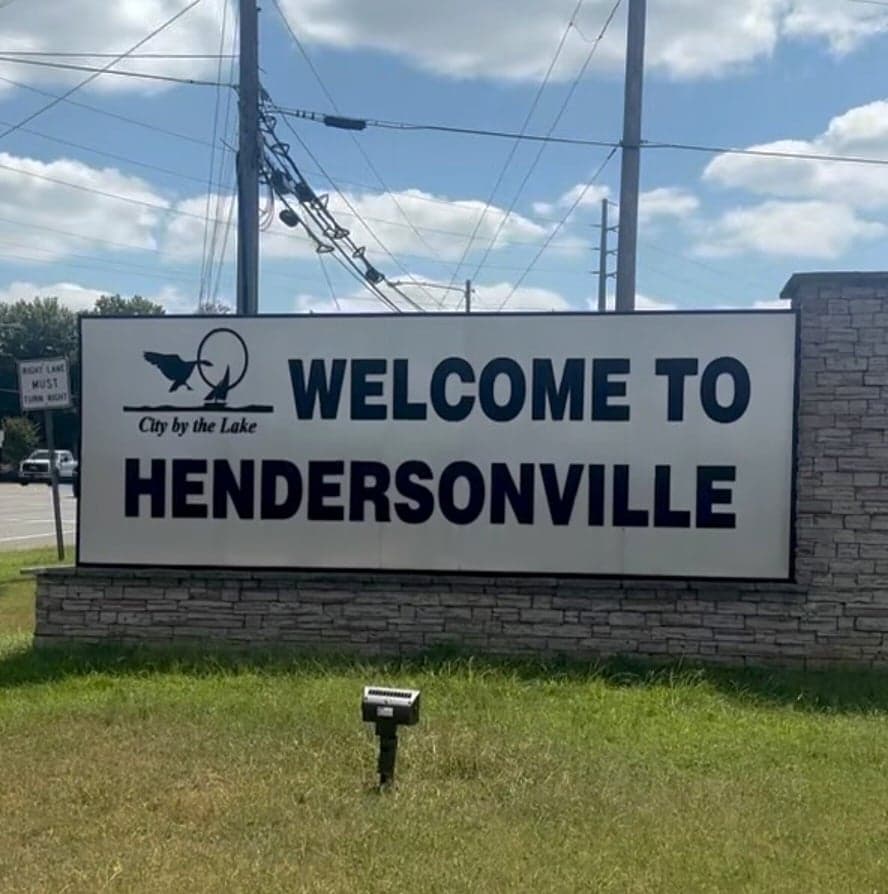
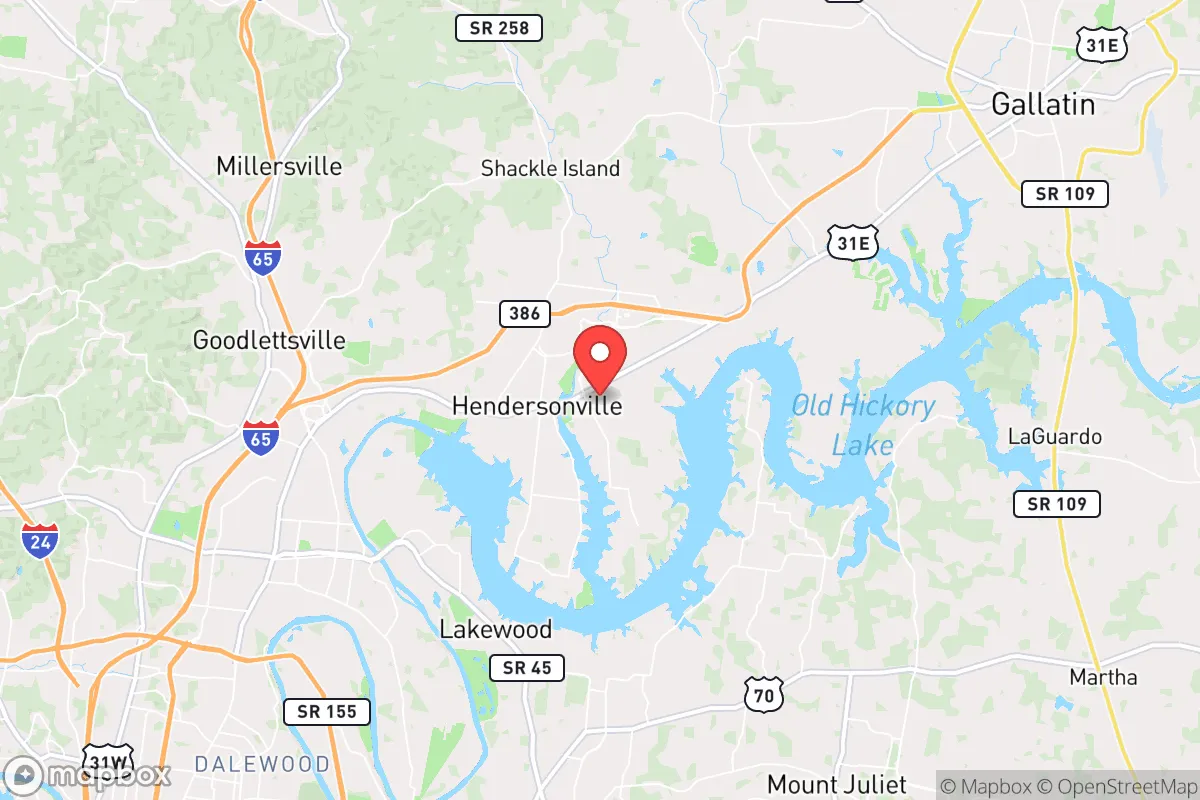
Photo: Wikipedia
Demographics of Hendersonville, TN
Affluence Level in Hendersonville, TN
An upper-middle-class area. Household wealth, education levels, and homeownership run ahead of national benchmarks.
People of Hendersonville, TN
The people of Hendersonville, Tennessee, in 2026 form a predominantly white, family-oriented suburban community of 62,390 residents, characterized by a high college attainment rate of 43.6% and a notably low foreign-born population of just 2.2%. The city’s identity is rooted in its role as a lakeside bedroom community for Nashville, with a population that is 81.6% White, 8.4% Black, 5.7% Hispanic, 1.3% East/Southeast Asian, and 1.1% Indian (subcontinent). This demographic profile reflects a history of steady, primarily domestic in-migration, creating a stable, middle-to-upper-middle-class environment that values local schools and a slower pace of life than its metropolitan neighbor.
How the city was settled and grew
Hendersonville’s human history begins with its strategic location on the Cumberland River. Originally part of a land grant to Daniel Smith in the 1780s, the area was settled by Scots-Irish and English farmers who established plantations and river trade routes. The town itself was formally incorporated in 1901, but its population remained sparse through the early 20th century, centered around the historic Old Town district near the river. The first major growth wave came after World War II, when returning veterans and their families sought affordable land and a rural lifestyle within commuting distance of Nashville. This era saw the development of neighborhoods like Bluegrass Downs and Rockland, which were built on former farmland and attracted a largely white, middle-class population of skilled tradesmen and small business owners. The completion of Vietnam Veterans Boulevard (State Route 386) in the 1970s was the catalyst that transformed Hendersonville from a quiet river town into a full-fledged suburb.
Modern era (post-1965)
The post-1965 period, driven by the expansion of the interstate highway system and Nashville’s economic boom, reshaped Hendersonville’s population. The city became a prime destination for white families relocating from Nashville’s urban core, a trend that accelerated through the 1980s and 1990s. This domestic in-migration was the dominant demographic force, with new subdivisions like Indian Lake and Saundersville sprouting to accommodate the influx. The Black population, which had a historic presence in the area dating back to the plantation era, saw its share decline relative to the rapid white suburban growth, settling today at 8.4%. The Hispanic population, at 5.7%, began to grow noticeably in the 2000s, with families moving into neighborhoods like Fairvue and the areas around Main Street, often drawn by construction and service industry jobs. The East/Southeast Asian community (1.3%) and the Indian subcontinent community (1.1%) are smaller but established, with residents typically employed in Nashville’s healthcare and technology sectors, and they tend to settle in newer developments near the city’s southern edge for proximity to the interstate.
The future
Looking ahead, Hendersonville’s population is trending toward continued homogenization rather than tribalization into distinct ethnic enclaves. The city’s low foreign-born rate (2.2%) and high homeownership costs are limiting the growth of new immigrant communities. The Hispanic and Black populations are expected to grow slowly, primarily through natural increase and domestic relocation from other parts of Sumner County, rather than through international migration. The East/Southeast Asian and Indian communities are likely to remain small and highly assimilated, concentrated in professional fields. The most significant demographic shift will be the aging of the existing white population, as the large cohort of families who moved in during the 1980s and 1990s enters retirement. This will create pressure for more senior-focused housing and services, potentially slowing the influx of young families unless new, more affordable housing stock is developed. The city is not expected to become significantly more diverse in the next decade; it will remain a predominantly white, college-educated suburb.
For someone moving to Hendersonville today, the city offers a stable, low-diversity environment with strong schools and a clear suburban identity. The population is largely settled, with growth driven by domestic relocation from within Tennessee and the broader Southeast. It is a place where the past—a white, middle-class, river-town heritage—continues to shape the present, and where the future looks much like the present, only older and more established.

* Values derived from national, state, county, city and local statistics and may differ in a specific area. Last updated: 2026-05-02T20:28:51.000Z
Narrative content on this page is AI-generated and may contain mistakes. Verify any details that matter before acting on them.
ReloMaps may earn a commission from affiliate links at no extra cost to you.

