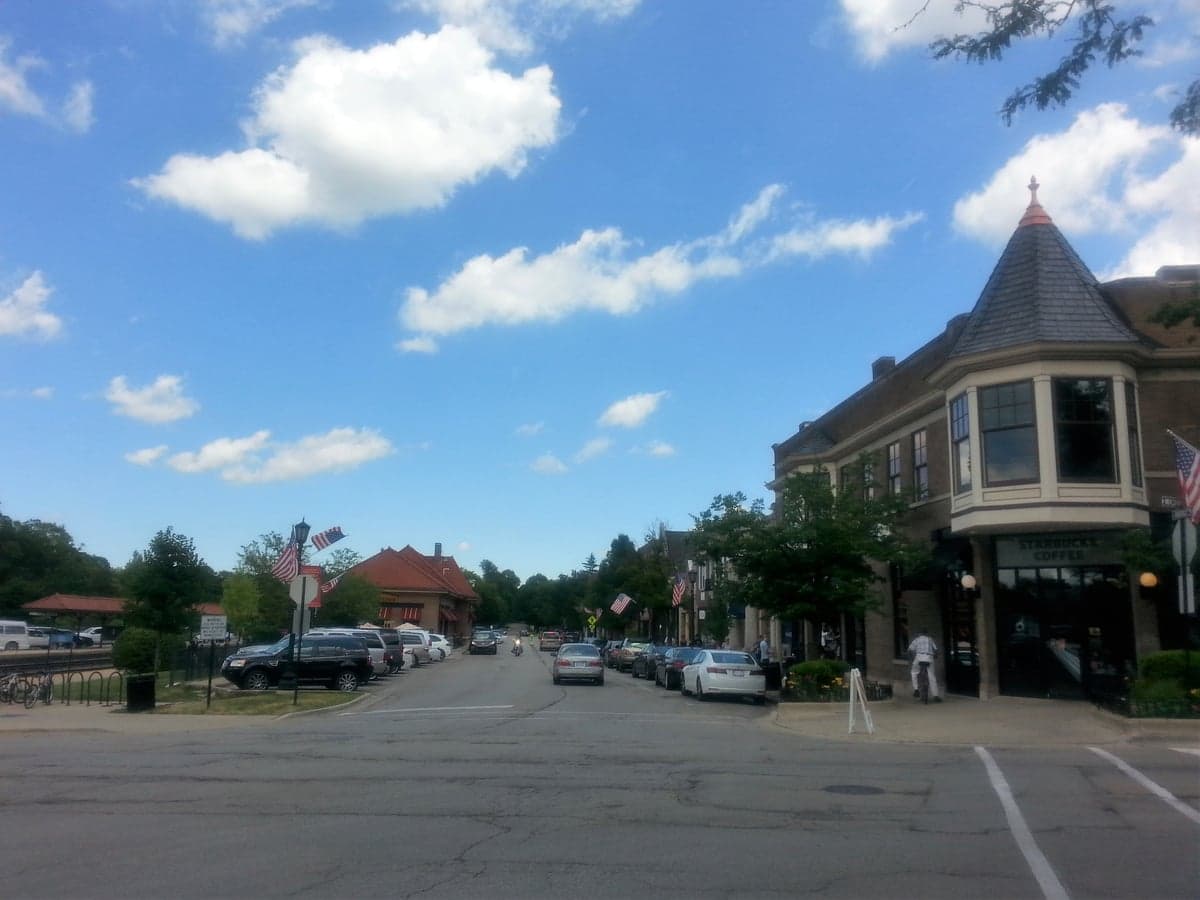
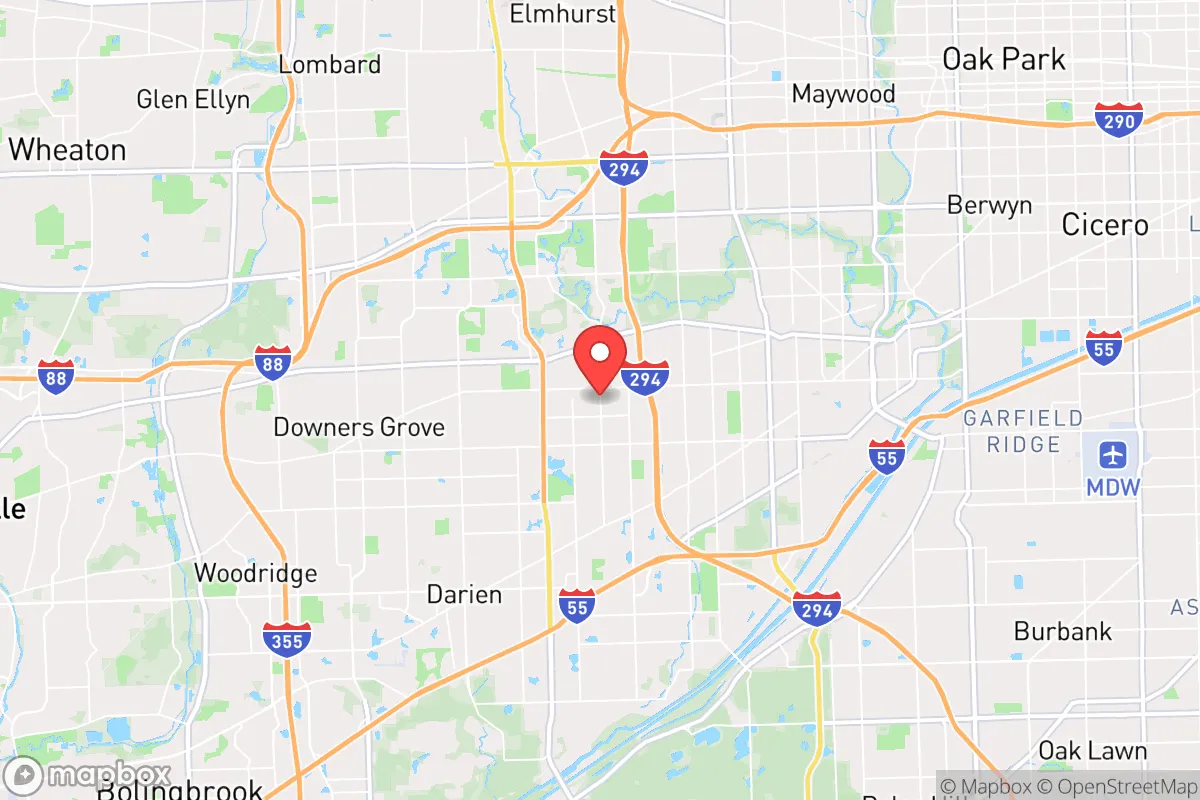
Photo: Wikipedia
Demographics of Hinsdale, IL
Affluence Level in Hinsdale, IL
A wealthy area with high-earning, well-educated households. Incomes, home values, and educational attainment meaningfully outpace national averages.
Census doesn't track above $250K
People of Hinsdale, IL
Hinsdale, Illinois, is a densely settled, affluent western suburb of Chicago with a population of 17,155, characterized by a highly educated populace (81.3% college-educated) and a distinctive identity as a historic, family-oriented enclave. The city is predominantly White (72.5%), with significant and growing East/Southeast Asian (9.5%) and Indian subcontinent (5.6%) communities, while Hispanic (5.7%) and Black (1.4%) populations remain small. Its residents are known for a strong commitment to top-tier public schools, historic preservation, and a quiet, village-oriented lifestyle that attracts professionals and executives from across the Chicago region.
How the city was settled and grew
Hinsdale’s settlement began in earnest after the Chicago, Burlington & Quincy Railroad laid tracks through the area in the 1860s, transforming a sparsely populated farming district into a commuter suburb. The original wave of settlers were largely Anglo-Saxon Protestants of English, Irish, and German descent, drawn by the promise of a rural escape from Chicago’s crowding and industry. The Village of Hinsdale was officially incorporated in 1873, and the earliest neighborhoods—such as the Downtown Historic District around Washington Street and the South Side near the train station—were built by these families, who constructed the grand Victorian and Queen Anne homes that still define the city’s character. A second wave arrived in the early 20th century, fueled by the expansion of the railroad and the rise of Chicago’s corporate economy, bringing more professionals and merchants into the North Hinsdale area, where smaller bungalows and Craftsman homes were built. By mid-century, Hinsdale had solidified its reputation as an exclusive, predominantly White, Protestant suburb, with restrictive covenants that effectively barred non-White families from purchasing homes in many neighborhoods until the 1960s.
Modern era (post-1965)
The post-1965 era brought gradual demographic diversification, driven by the Immigration and Nationality Act and the broader suburbanization of Chicago’s professional class. The most notable shift has been the arrival of East/Southeast Asian and Indian subcontinent families, who now make up a combined 15.1% of the population. These groups have concentrated in the newer, larger homes of the Briargate and Woodlands subdivisions, built in the 1980s and 1990s on the city’s western and northern edges, where spacious lots and proximity to top-rated schools like Hinsdale Central High School are major draws. The Indian subcontinent community, in particular, has grown steadily, with many families moving directly from the Chicago suburbs or from other U.S. metro areas for professional opportunities in finance, medicine, and technology. The Hispanic population, at 5.7%, is smaller and more dispersed, with some families in the older South Hinsdale area near the Burlington Northern tracks, while the Black population remains very low at 1.4%, reflecting the city’s persistent lack of affordable housing and its historic exclusionary patterns. The White population, while still the majority, has declined from over 90% in 1980 to 72.5% today, as younger White families have been partially replaced by Asian and Indian newcomers in the city’s most desirable neighborhoods.
The future
Hinsdale’s population is heading toward continued diversification, but within a framework of high socioeconomic homogeneity. The East/Southeast Asian and Indian subcontinent communities are likely to grow further, as the city’s school system and low crime rates remain powerful attractors for professional families, but these groups are assimilating into the existing social fabric rather than forming distinct enclaves. The White population is expected to continue a slow decline, though it will remain the majority for the foreseeable future. The Hispanic and Black populations are projected to plateau or grow only marginally, constrained by Hinsdale’s high home prices (median over $800,000) and limited rental stock. The city is not tribalizing into separate ethnic neighborhoods; instead, it is homogenizing around a shared identity of affluence and educational achievement, with newcomers of all backgrounds integrating into the same schools, civic organizations, and community events. The next 10-20 years will likely see Hinsdale become slightly more Asian and Indian, but remain a predominantly White, upper-income suburb where demographic change is gradual and largely invisible to the casual observer.
For a conservative-leaning individual or parent considering a move, Hinsdale is becoming a more diverse but still culturally stable community, where the core values of family, education, and property stewardship remain unchanged. The city’s demographic trajectory points toward a future that is less ethnically monolithic but equally affluent and socially cohesive, making it a reliable choice for those seeking a high-quality suburban environment with a proven track record.

* Values derived from national, state, county, city and local statistics and may differ in a specific area. Last updated: 2026-04-27T14:16:42.000Z
Narrative content on this page is AI-generated and may contain mistakes. Verify any details that matter before acting on them.
ReloMaps may earn a commission from affiliate links at no extra cost to you.

