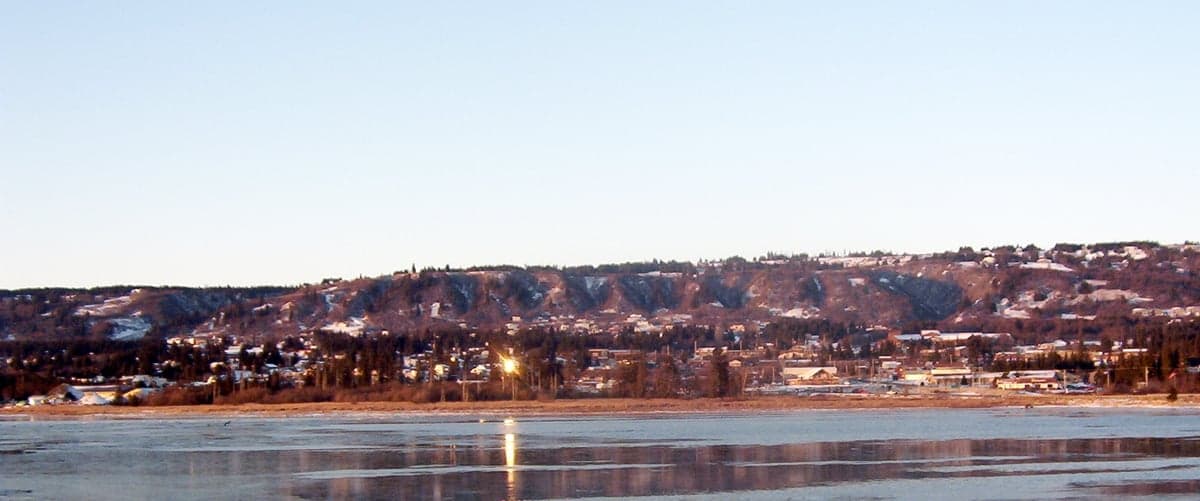
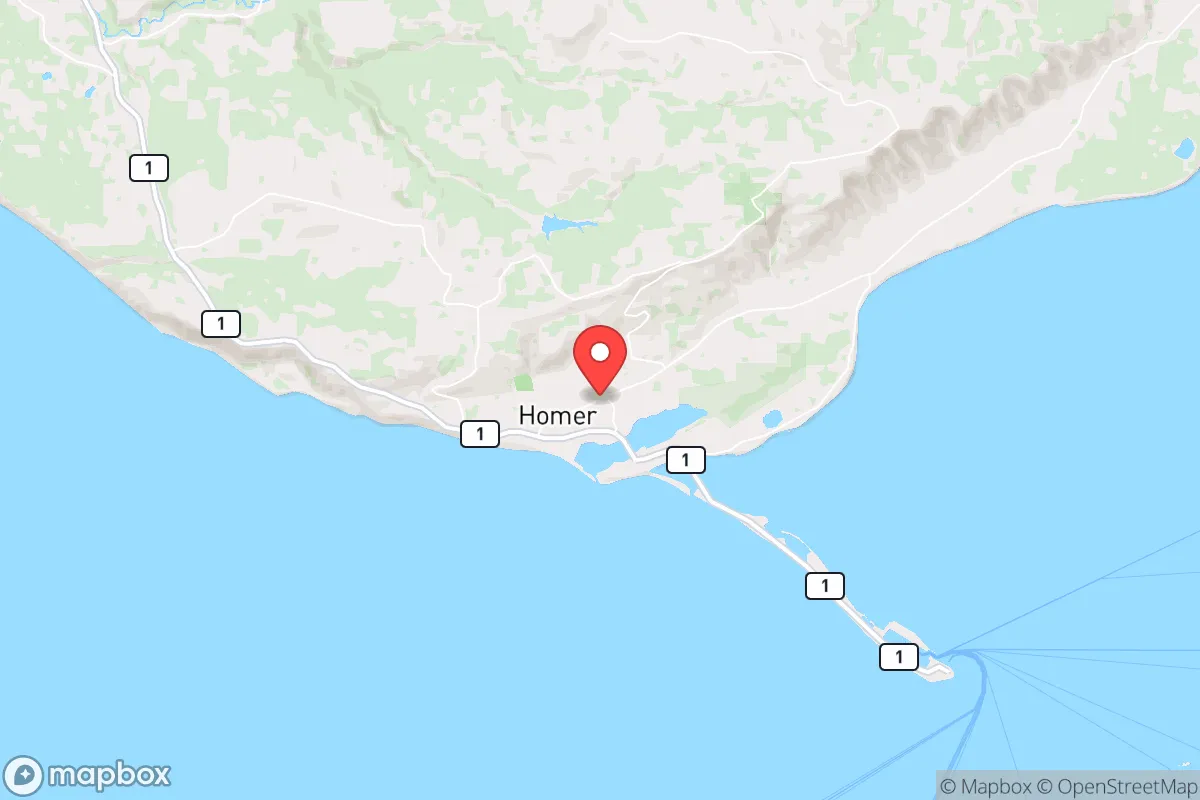
Photo: Wikipedia
Quality of Life in Homer, AK
A high quality of life with strong walkability, manageable living costs, healthy neighborhood signals, and solid amenity access.
What does Quality of Life tell us?
Quality of Life blends cost of living, nearby amenities, socioeconomic signals, and neighborhood character. City-level scores represent the whole municipality; individual neighborhoods can differ.
What does this tell us?
Quality of Life blends cost of living, nearby amenities, socioeconomic signals, and neighborhood character. City-level scores represent the whole municipality; individual neighborhoods can differ.
Cost of Living
15% above national average
The Real Cost of Living in Homer, AK for 2026
| Tier | Individual | Family (4) |
|---|---|---|
| Survival | $20k | $37k |
| Comfortable | $71k | $104k |
| Luxury | $132k+ | $205k+ |
| Elite (Top 5%) | $155k+ | $241k+ |
71%
The Area Signal
A metric tracking the socioeconomic signals of the area.


Hobbies
Explore the areaGroceries
3 within 10 miles
Gas
0 within 10 miles
Hospital
3 within 20 miles
Airport
Alaska Bear Safaris
Post Office
USPS — Homer, AK
Critical Amenities
Quality-of-Life Analysis
Homer, Alaska, presents a quality of life defined by its remote coastal beauty and a notably higher cost of living, with a composite index of 115 (where 100 equals the U.S. average). The population skews toward a mix of commercial fishermen, artists, retirees, and remote workers who prioritize access to Kachemak Bay and the Kenai Mountains over urban convenience. Median household incomes here tend to lag behind the state average, yet the community’s affluence is measured more in natural capital—private beach access, boat ownership, and land—than in financial wealth.
Cost of living, housing affordability, and how Homer compares to nearby towns
Housing is the primary driver of the area’s elevated cost of living. The median home value sits at $363,700, roughly 30% higher than the Alaska state median and significantly above nearby Soldotna ($310,000) or Kenai ($295,000). Renters face a median monthly rent of $1,230, which is comparable to Anchorage but offers fewer units and tighter availability. For context, a one-bedroom apartment in Homer often rents for $1,000–$1,400, while a modest three-bedroom home can exceed $2,000 per month. Groceries and utilities also run 15–20% above national averages due to shipping costs, though local seafood and produce from the Homer Farmers Market can offset some expenses. The average commute is a remarkably short 12.3 minutes, which is less than half the national average and a major quality-of-life advantage—residents save both time and fuel costs compared to commuters in Anchorage (25 minutes) or the Mat-Su Valley (35 minutes).
Schools, amenities, and what daily life feels like in Homer
Daily life in Homer revolves around the Homer Spit, the Sterling Highway corridor, and the small downtown core. The Kenai Peninsula Borough School District operates Homer High School (enrollment ~500) and Homer Middle School, both with solid test scores slightly above the state average, though advanced coursework options are limited compared to Anchorage. The South Peninsula Hospital provides emergency and primary care, but specialists require a 4.5-hour drive or a flight to Anchorage. Amenities include the Pratt Museum, the Alaska Islands and Ocean Visitor Center, and the annual Winter King Salmon Tournament. Grocery shopping is concentrated at Safeway and the Homer Farmers Market (May–September), while dining leans heavily toward seafood—try the Fresh Catch Cafe or the Salty Dawg Saloon for local character. Internet access is improving, with GCI and ACS offering fiber in town, but rural pockets still rely on satellite. The rhythm is slow: residents spend weekends fishing for halibut, hiking the Grewingk Glacier Trail, or attending readings at the Homer Bookstore. Winter brings darkness (6 hours of daylight in December) and a quieter social scene, with many seasonal businesses closing from October to April.
Homer is best suited for self-sufficient individuals who value outdoor recreation, small-town community, and are willing to pay a premium for isolation. Retirees with fixed incomes may struggle with housing costs unless they bought before 2020. Remote workers with stable internet and a tolerance for long, dark winters will find a tight-knit, creative culture. Families should weigh the limited school options and lack of pediatric specialists against the safe streets and low crime rates. Those seeking career growth, nightlife, or affordable housing will likely find Homer too expensive and too remote—but for the right person, the trade-off of a 12-minute commute and a backyard on Kachemak Bay is worth every dollar.

Crime in Homer, AK
Lower crime rates than 83% of comparable U.S. locations.
Violent CrimeViolent Crime Analysis
Property CrimeProperty Crime Analysis
Crime Analysis
Homer, Alaska, presents a mixed safety profile that is notably safer than the national average for violent crime but significantly more challenging when it comes to property crime. With a violent crime rate of 190.7 incidents per 100,000 residents, Homer is well below the U.S. average of roughly 380 per 100,000, making it a relatively safe place for personal security. However, the property crime rate of 1,255.6 per 100,000 exceeds the national average of approximately 1,950 per 100,000, meaning residents face a moderate risk of theft, burglary, and vehicle break-ins.
Crime in context
When compared to the rest of Alaska, Homer’s violent crime rate is substantially lower than the state average of about 800 per 100,000, reflecting the town’s small size and tight-knit community. Property crime in Homer, while higher than the national average, is still below the Alaska state average of roughly 2,300 per 100,000. The Kenai Peninsula Borough, which includes Homer, has a property crime rate around 1,800 per 100,000, placing Homer in a relatively favorable position within the region. These figures suggest that while Homer is not immune to crime, it avoids the extreme rates seen in larger Alaskan cities like Anchorage or Fairbanks.
What residents experience
Residents of Homer report that violent crime—such as assault, robbery, and rape—is rare and often isolated to specific circumstances, such as domestic disputes or incidents involving transient populations. The most common complaints involve theft from vehicles, burglary of unoccupied homes, and occasional vandalism, particularly in areas near the Homer Spit during the busy tourist season. The Homer Police Department maintains a visible presence, and community policing efforts are generally well-regarded. However, the town’s remote location and limited law enforcement resources can lead to slower response times for property crimes, which are often treated as lower priority. It is important to note that Alaska’s justice system, influenced by progressive policies in some jurisdictions, has been criticized for lenient sentencing and early release programs that can contribute to recidivism. While Homer itself does not have a liberal district attorney, the broader state-level trends toward rehabilitation over incarceration can result in repeat property offenders cycling through the system, frustrating residents who seek stricter accountability.
Neighborhood-level variation in Homer is modest but noticeable. The downtown core and the Homer Spit see higher rates of petty theft and vehicle break-ins, especially during summer months when tourist traffic peaks. Residential areas like East End Road and the Kachemak City area are generally quieter, with lower reported crime. The outlying subdivisions, such as Diamond Ridge and Anchor Point, experience very low crime rates, though they are more vulnerable to isolated burglaries due to their remoteness. Overall, Homer is a safe place to live for those who take standard precautions—locking doors, securing vehicles, and avoiding leaving valuables in plain sight—but the property crime rate warrants attention, particularly for newcomers accustomed to lower theft risks.
* Values derived from national, state, county, city and local statistics and may differ in a specific area. Last updated: 2026-04-19T19:20:39.000Z
Narrative content on this page is AI-generated and may contain mistakes. Verify any details that matter before acting on them.
ReloMaps may earn a commission from affiliate links at no extra cost to you.

