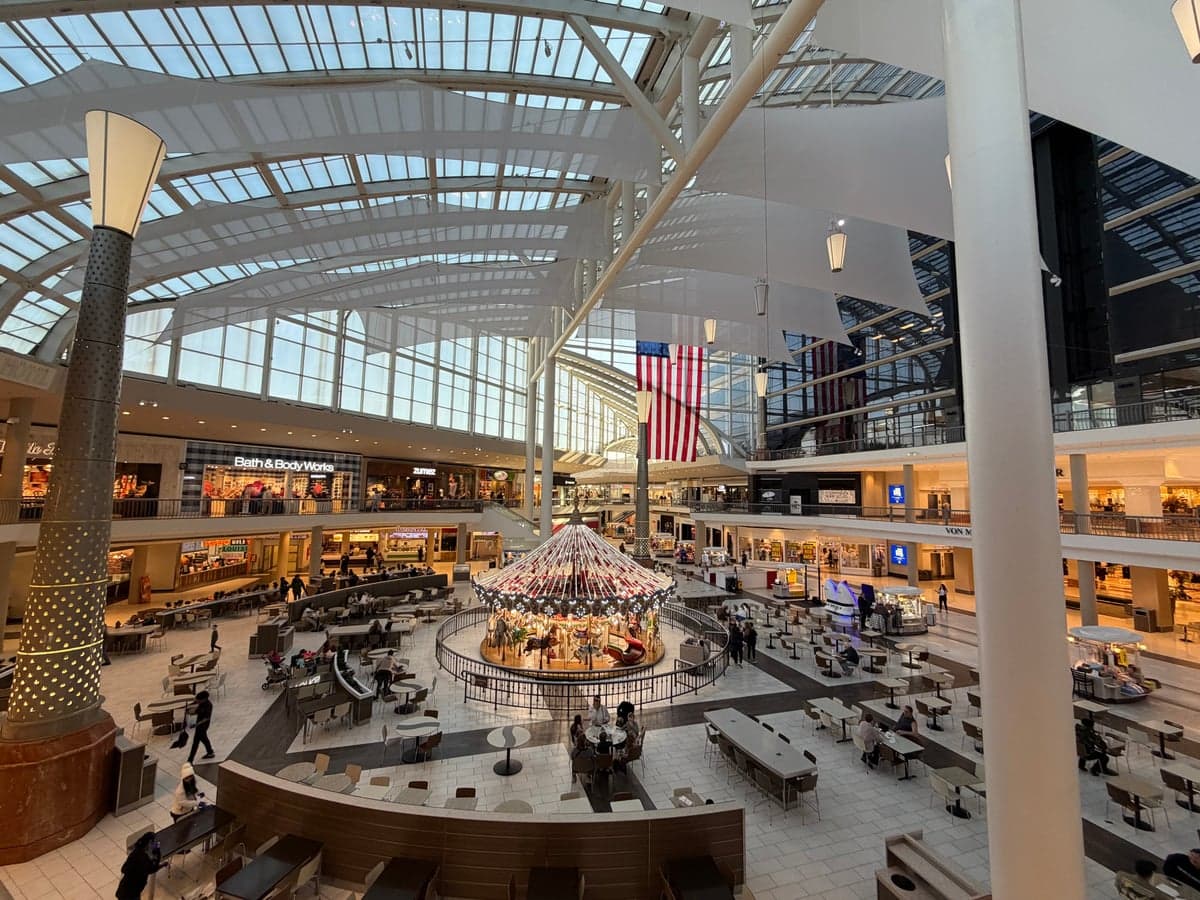
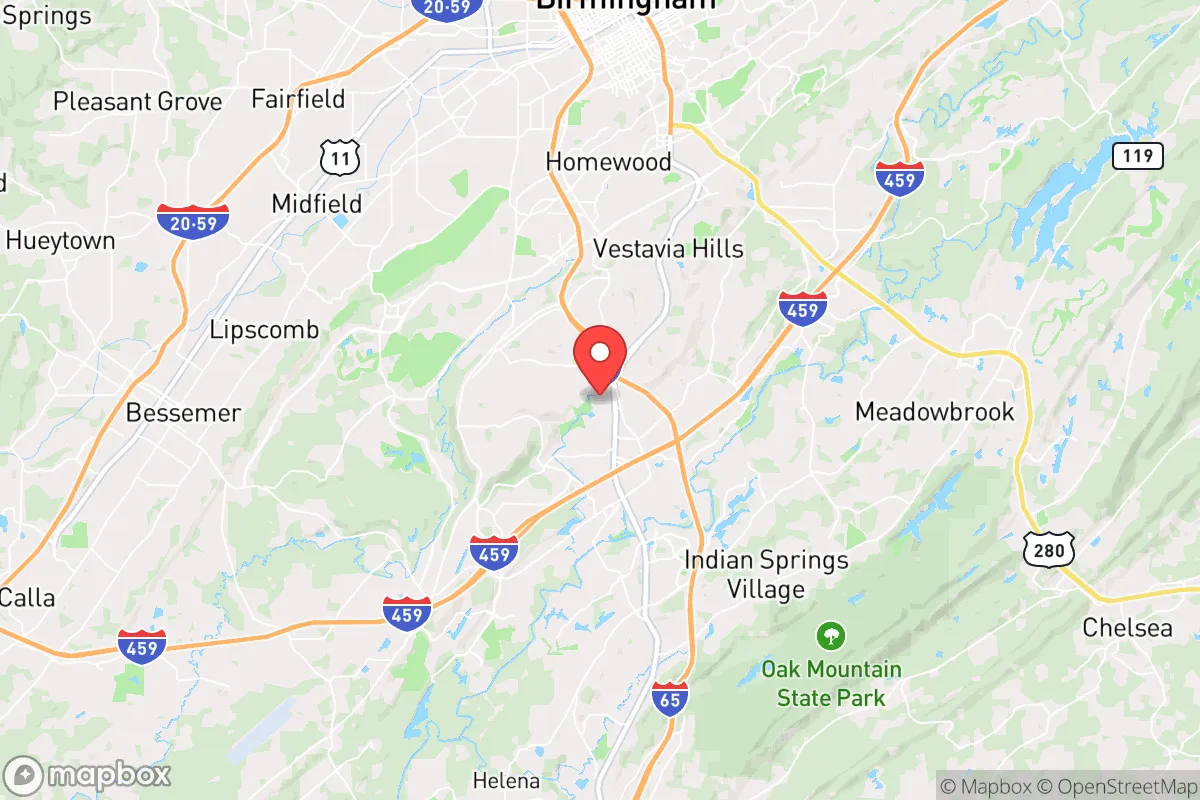
Photo: Wikipedia
Quality of Life in Hoover, AL
A high quality of life with strong walkability, manageable living costs, healthy neighborhood signals, and solid amenity access.
What does Quality of Life tell us?
Quality of Life blends cost of living, nearby amenities, socioeconomic signals, and neighborhood character. City-level scores represent the whole municipality; individual neighborhoods can differ.
What does this tell us?
Quality of Life blends cost of living, nearby amenities, socioeconomic signals, and neighborhood character. City-level scores represent the whole municipality; individual neighborhoods can differ.
Cost of Living
28% above national average
The Real Cost of Living in Hoover, AL for 2026
| Tier | Individual | Family (4) |
|---|---|---|
| Survival | $22k | $42k |
| Comfortable | $76k | $112k |
| Luxury | $186k+ | $288k+ |
| Elite (Top 5%) | $219k+ | $339k+ |
96%
The Area Signal
A metric tracking the socioeconomic signals of the area.


Hobbies
Explore the areaGroceries
5 within 10 miles
Gas
0 within 10 miles
Hospital
3 within 20 miles
Airport
ATL — Hartsfield–Jackson Atlanta International
Post Office
USPS — Birmingham, AL
Critical Amenities
Quality-of-Life Analysis
Hoover, Alabama, is an affluent Birmingham suburb where the cost of living index sits at 128—well above the national baseline of 100—reflecting a community built around high-end housing, strong public schools, and a professional-class workforce. The typical resident is a married homeowner in their 40s or 50s, often employed in healthcare, finance, or corporate management, drawn by the area’s reputation for safety, convenience, and top-tier amenities. With a median home value of $391,300 and a median rent of $1,404, Hoover offers a suburban lifestyle that commands a premium over nearby cities like Bessemer or Hueytown, yet remains more affordable than comparable enclaves in the Northeast or West Coast.
Cost of living, housing, and how Hoover compares to nearby areas
Hoover’s cost of living index of 128 is driven primarily by housing, which is roughly 30% above the national average. The median home value of $391,300 places it among the priciest suburbs in the Birmingham metro, far exceeding the Jefferson County median of roughly $210,000. Renters face a median of $1,404 per month—about $200 more than the Birmingham average—but still below rents in Mountain Brook or Vestavia Hills. For context, a comparable home in those neighboring suburbs might run $450,000–$500,000, making Hoover a relative value for buyers seeking a large lot and newer construction. The average commute of 25 minutes is slightly longer than the metro average of 22 minutes, reflecting Hoover’s position as a bedroom community where many residents drive to jobs in downtown Birmingham or the UAB medical complex. Property taxes remain low by national standards, with Jefferson County levying roughly 0.4% of assessed value, keeping annual tax bills on a $391,300 home around $1,600.
Schools, amenities, and what daily life is like for families
Hoover’s daily rhythm revolves around its nationally recognized school system—Hoover City Schools consistently rank among Alabama’s top five, with Hoover High School offering a 95% graduation rate and 30+ Advanced Placement courses. The city’s 2,000-acre park system, anchored by the 1,200-acre Moss Rock Preserve, provides hiking, mountain biking, and rock climbing within a 10-minute drive of most neighborhoods. The Riverchase Galleria, one of the largest malls in the Southeast, anchors retail and dining, while the nearby Publix and Whole Foods cater to upscale grocery needs. For families, the Hoover Met Complex hosts youth sports tournaments year-round, and the city’s police department maintains a response time under 5 minutes for emergencies. Cultural amenities are limited compared to downtown Birmingham—there is no major performing arts venue within city limits—but the 15-minute drive to the Birmingham Museum of Art or the Alabama Theatre fills that gap. The median age of 38 and a homeownership rate of 68% create a stable, family-oriented atmosphere where weekend activities often center on school sports, church, or the city’s 30+ neighborhood parks.
Hoover is best suited for professionals and families who prioritize top-tier public schools, low crime rates, and suburban convenience over urban nightlife or walkability. Empty-nesters and retirees may find the property taxes and home prices manageable, but the area lacks the age-restricted communities or cultural density of a Sun Belt retirement hub. Young singles or renters on a tight budget may struggle with the $1,404 median rent and limited public transit, though the 25-minute commute to Birmingham makes it viable for those working in the city. For anyone seeking a safe, amenity-rich suburb with strong schools and a clear sense of community, Hoover delivers a quality of life that justifies its premium price tag.

Crime in Hoover, AL
Lower crime rates than 79% of comparable U.S. locations.
Violent CrimeViolent Crime Analysis
Property CrimeProperty Crime Analysis
Crime Analysis
Hoover, Alabama, presents a mixed safety profile: its violent crime rate of 65.5 per 100,000 residents is exceptionally low, but its property crime rate of 1,032.3 per 100,000 is notably higher than both state and national averages. This contrast means that while the risk of a violent encounter is minimal, residents face a statistically elevated chance of burglary, theft, or vehicle break-ins. The city's overall safety picture is further complicated by its location within the Birmingham-Hoover metropolitan area, where broader regional crime trends and justice system policies can influence local conditions.
Crime in context
Hoover's violent crime rate of 65.5 per 100,000 is dramatically lower than the national average of roughly 380 per 100,000 and the Alabama state average of approximately 450 per 100,000. This places Hoover among the safest large suburbs in the state for violent offenses. However, the property crime rate of 1,032.3 per 100,000 exceeds the national average of about 1,950 per 100,000, but is still below the Alabama state average of roughly 2,400 per 100,000. The elevated property crime rate is a key concern for residents and prospective movers, as it is the more common threat in the community.
What residents experience
Daily life in Hoover for most residents does not involve violent crime, but property crime is a tangible issue. Car break-ins, package thefts, and burglaries are the most frequently reported incidents, often concentrated near shopping centers, apartment complexes, and along major corridors like Highway 31 and Interstate 459. Residents commonly report taking precautions such as using home security systems, locking vehicles, and avoiding leaving valuables in plain sight. The city's police department is well-funded and responsive, with a strong community policing presence, which helps maintain the low violent crime numbers. However, the broader Jefferson County and Birmingham metro area justice system, which includes some progressive-leaning prosecutors and judges, can influence recidivism and the overall number of offenders on the street. This ideological approach, while sympathetic to offenders, can lead to more criminals returning to the community, directly impacting property crime rates and the sense of security for law-abiding residents and victims.
Neighborhood-level variation is significant in Hoover. Areas like the upscale Riverchase and Greystone communities often report near-zero violent crime and lower property crime due to private security, gated entries, and higher homeowner investment. In contrast, neighborhoods closer to the city's commercial core and those with higher-density apartment complexes, such as areas near the Riverchase Galleria, see a disproportionate share of property crime. Prospective residents should research specific subdivisions and apartment reviews, as block-by-block differences can be stark. Overall, Hoover is a safe city for families, but the property crime rate and the influence of metro-area justice policies warrant vigilance and proactive security measures.
* Values derived from national, state, county, city and local statistics and may differ in a specific area. Last updated: 2026-04-19T18:54:25.000Z
Narrative content on this page is AI-generated and may contain mistakes. Verify any details that matter before acting on them.
ReloMaps may earn a commission from affiliate links at no extra cost to you.

