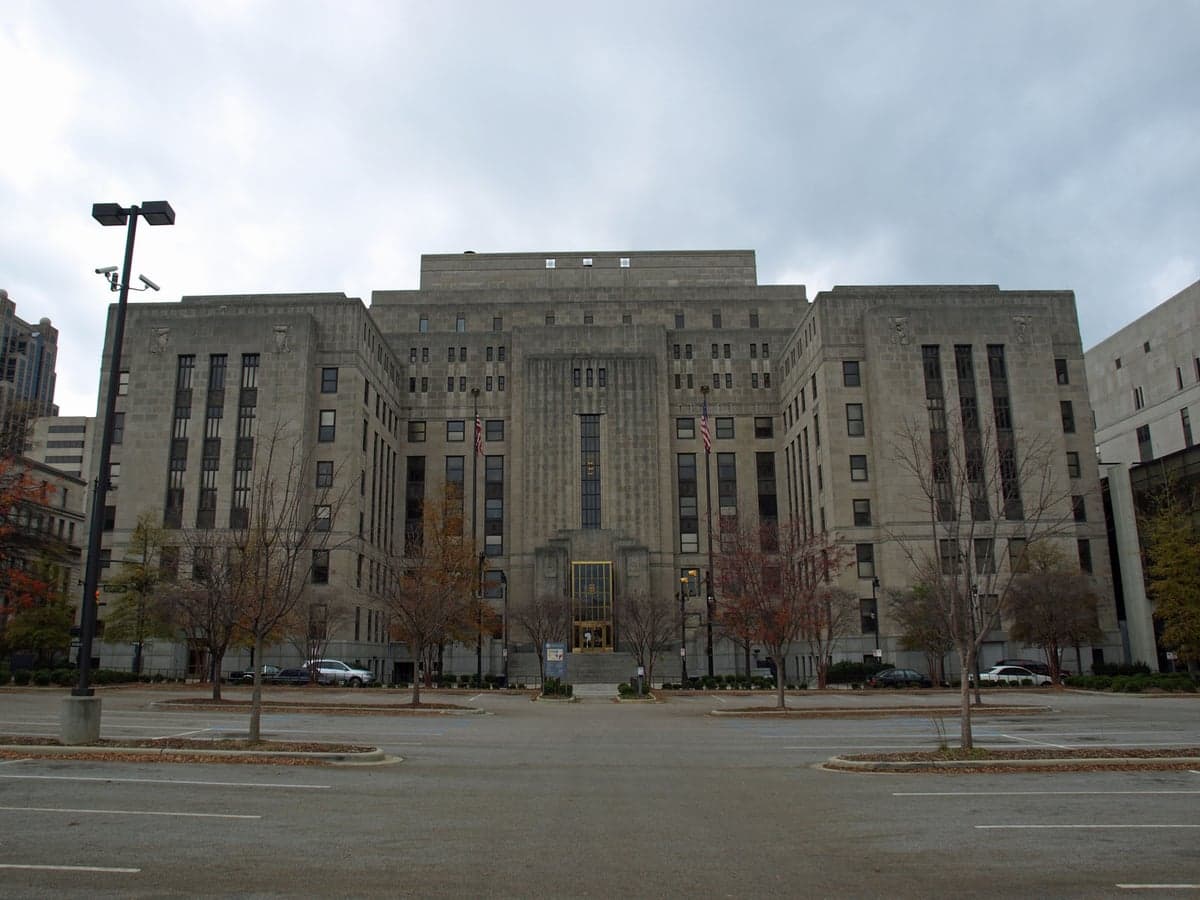
Photo: Wikipedia
Find The Best Places To Live in Jefferson County
PRO TIP! You can paste a Zillow or Redfin link to get info on that property.
Best Places to Live in Jefferson County
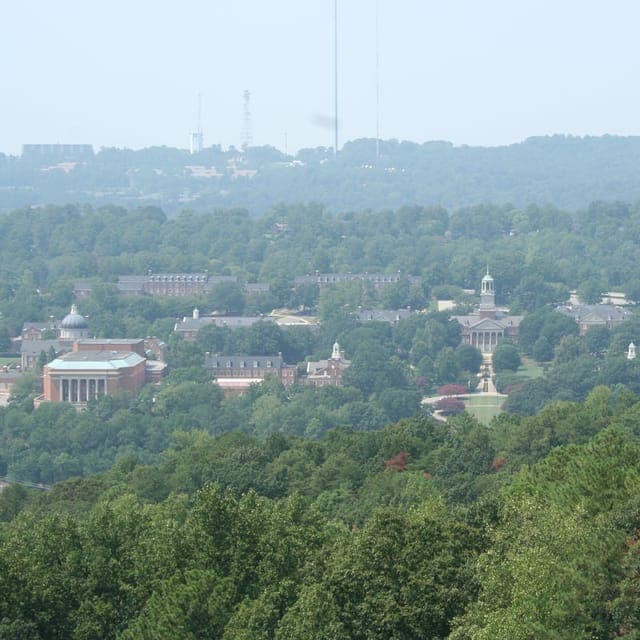
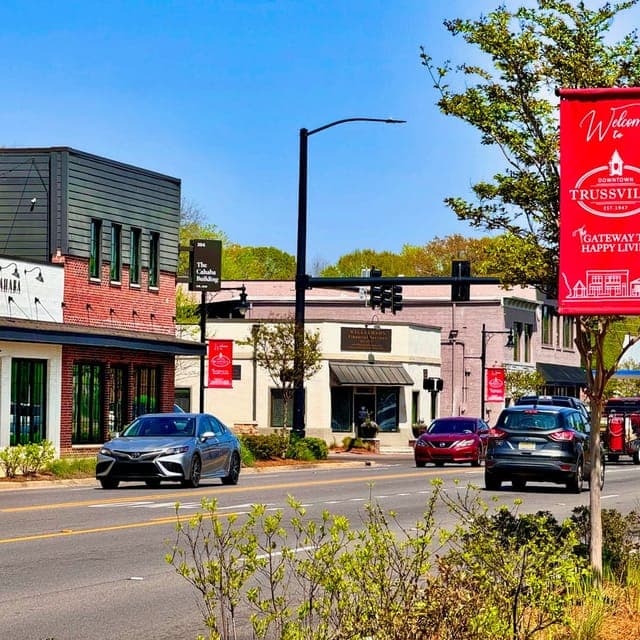
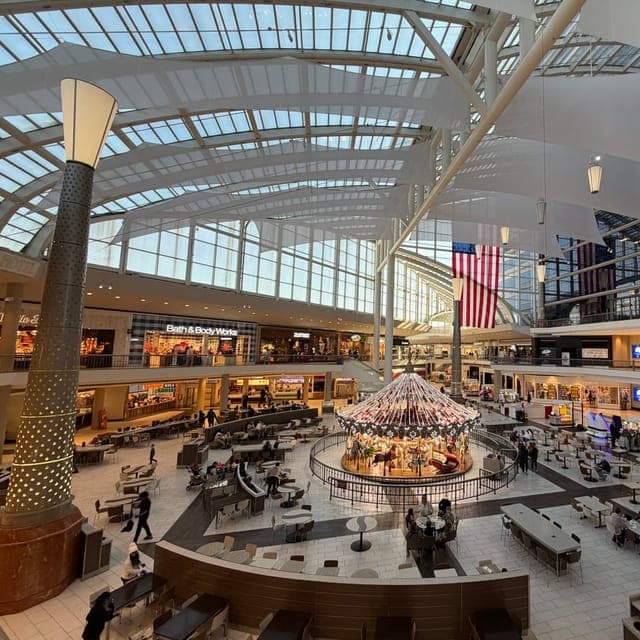
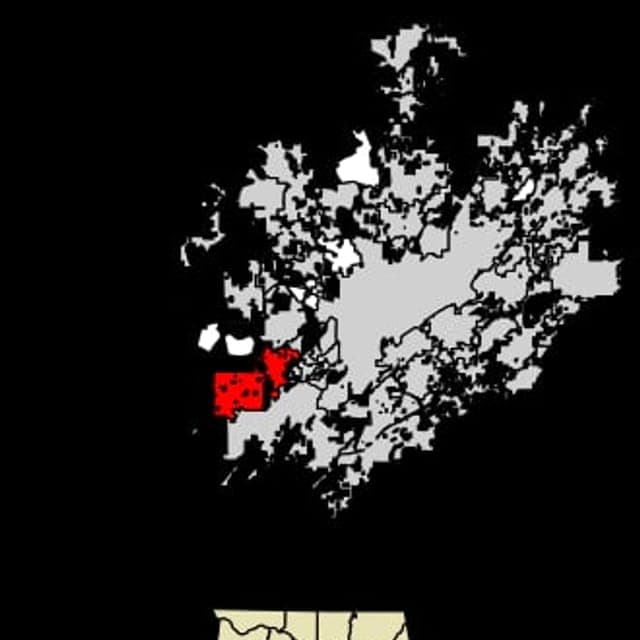
Cities & Towns in Jefferson County
Cities in Jefferson County
What It's Like Living in Jefferson County, AL
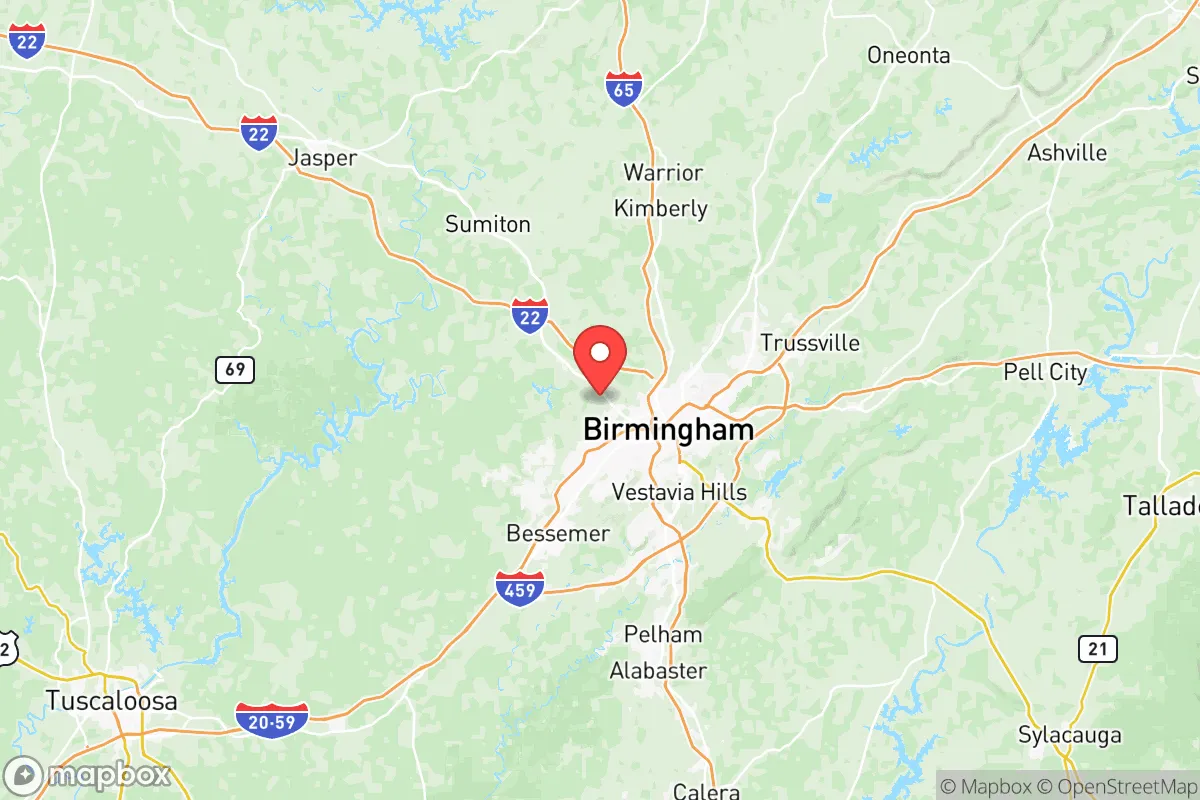
Living in Jefferson County, Alabama, feels like straddling two worlds at once. You’ve got the urban energy of Birmingham—with its craft breweries, UAB medical complex, and Friday-night traffic on I-65—and then, twenty minutes south in places like Pelham or Alabaster, you’re in a slower, family-oriented suburb where the biggest weekly event is the local farmers market. For a single professional or a parent weighing a move, the county offers a rare mix: big-city amenities without the big-city price tag, and small-town pockets where everyone still waves from their porch.
Daily Rhythm: From Downtown Lofts to Suburban Soccer Fields
Your daily life in Jefferson County depends heavily on which of its 34 municipalities you call home. In downtown Birmingham, a 28-year-old software developer might walk to a coffee shop at Red Cat Coffeehouse before a short commute to a tech incubator in the Pepper Place district. Meanwhile, a family in Hoover—the county’south of the city—starts the day with a school drop-off at Hoover High School, known for its nationally ranked football program, then heads to a job at Regions Bank or the nearby Amazon fulfillment center. The average commute across the county is about 24 minutes, which is manageable by metro standards, though the I-65 corridor between Hoover and Birmingham can turn a 15-minute drive into a 40-minute crawl during rush hour.
Shopping and errands are hyper-local. In Vestavia Hills, you’ll find upscale strip centers with boutique gyms and organic grocers; in the more rural northern parts of the county, like Warrior or Morris, residents drive to Gardendale’s Walmart Supercenter for bulk shopping. The cost of living index sits at 90—ten points below the national average—which means a median income of $64,589 stretches further here than in comparable metros. That said, the median home value of $224,900 means first-time buyers can still find a starter home in places like Trussville or Center Point without needing a six-figure salary.
Sports & Community: Where Friday Night Lights Matter
If you move to Jefferson County, you’ll quickly learn that high school football isn’t just a pastime—it’s a community anchor. Hoover High School’s Bucs have won multiple state championships, and their games at the Hoover Met draw crowds of 10,000 on fall Fridays. For college fans, the University of Alabama at Birmingham (UAB) Blazers play at Protective Stadium downtown, offering a more intimate game-day experience than the massive SEC stadiums in Tuscaloosa or Auburn. Pro sports are limited—the Birmingham Barons (Double-A baseball) are the biggest draw—but the Birmingham Legion FC (USL soccer) has a growing fanbase. But the real local identity marker is the World Games legacy: Birmingham hosted in 2022, and the city’s parks and venues still reflect that investment.
Beyond sports, the county’s cultural quirks run deep. The Magic City Classic—the annual football game between Alabama A&M and Alabama State—is a weekend-long celebration that fills downtown hotels and restaurants. Locals also take pride in the city’s civil rights history; the Birmingham Civil Rights Institute and Kelly Ingram Park are not just tourist stops but sites where residents bring out-of-town guests to explain the city’s transformation. A common frustration among longtime residents is that Birmingham’s national reputation still lags behind its reality—many outsiders picture a gritty industrial town, not the green, revitalized city with a growing food scene and a median age of 37.8.
What’s There to Do: Outdoor and Indoor Fun
For outdoor enthusiasts, Jefferson County punches above its weight. Oak Mountain State Park in Pelham offers 50 miles of hiking and mountain biking trails, plus a lake for paddleboarding—all within a 20-minute drive from downtown Birmingham. The Red Mountain Expressway cuts through a ridge, and locals often hike the Red Mountain Park trails for skyline views. On a hot summer Saturday, families cool off at the Alabama Splash Adventure water park in Bessemer, while singles might grab a beer at the Avondale Brewing Company’s beer garden, where live bluegrass bands play on the patio.
Entertainment options are clustered in a few key spots. The Uptown district near the BJCC hosts concerts and the annual Sidewalk Film Festival, which draws indie filmmakers from across the South. For a quieter night, the Magic City’s theater scene includes the historic Alabama Theatre, which screens classic films and hosts the Alabama Symphony Orchestra. A common complaint among residents is that nightlife options thin out after 10 p.m.—Birmingham is not a late-night city, and many bars close by midnight. That said, the restaurant scene has exploded in the last decade: spots like Helen (for wood-fired seafood) and Saw’s Soul Kitchen (for barbecue) are local institutions that visitors drive from Nashville to try.
Pros and Cons of Living Here
- Pro: Affordability with access. A median home value of $224,900 means you can buy a three-bedroom in Trussville or Irondale for what a one-bedroom apartment costs in Atlanta or Nashville. The cost of living index of 90 makes everyday expenses feel lighter.
- Con: Crime concentration. The county’s violent crime rate of 347.5 per 100,000 is above the national average, though it’s heavily concentrated in specific Birmingham neighborhoods. Suburbs like Hoover, Vestavia Hills, and Alabaster have rates well below-average crime rates and are popular with families for that reason.
- Pro: Strong school options. Hoover City Schools and Vestavia Hills City Schools are consistently ranked among Alabama’s best, and they anchor real estate decisions for parents. The county also has several well-regarded private schools, including Altamont School and the Indian Springs School.
- Con: Limited public transit. The Birmingham-Jefferson County Transit Authority (BJCTA) runs bus routes, but service is sparse outside the city core. If you live in Gardendale or Leeds, a car is non-negotiable.
- Pro: Four-season weather without extremes. Summers are hot and humid (July averages 90°F), but winters are mild—rarely below freezing—and spring and fall offer weeks of perfect 70-degree days for outdoor festivals like the Magic City Art Connection.
The kind of person who fits in here is someone who values a slower pace but still wants urban amenities but isn’t willing to pay coastal prices. It’s a place where a single professional can buy a house in Homewood and walk to a Saturday farmers market, and where a parent can raise kids in a place like Chelsea or Clay-Kimberly where neighbors still bring casseroles after a birth. The trade-off is that you’ll need to drive most places, and you’ll occasionally hear locals grumble about the city’s “small-town mentality” in a metro of 670,000 people. But for most who land here, the balance of cost, community, and convenience is exactly what they were looking for.

* Values derived from national, state, county, city and local statistics and may differ in a specific area. Last updated: 2026-05-19T05:48:49.000Z
Narrative content on this page is AI-generated and may contain mistakes. Verify any details that matter before acting on them.
ReloMaps may earn a commission from affiliate links at no extra cost to you.

