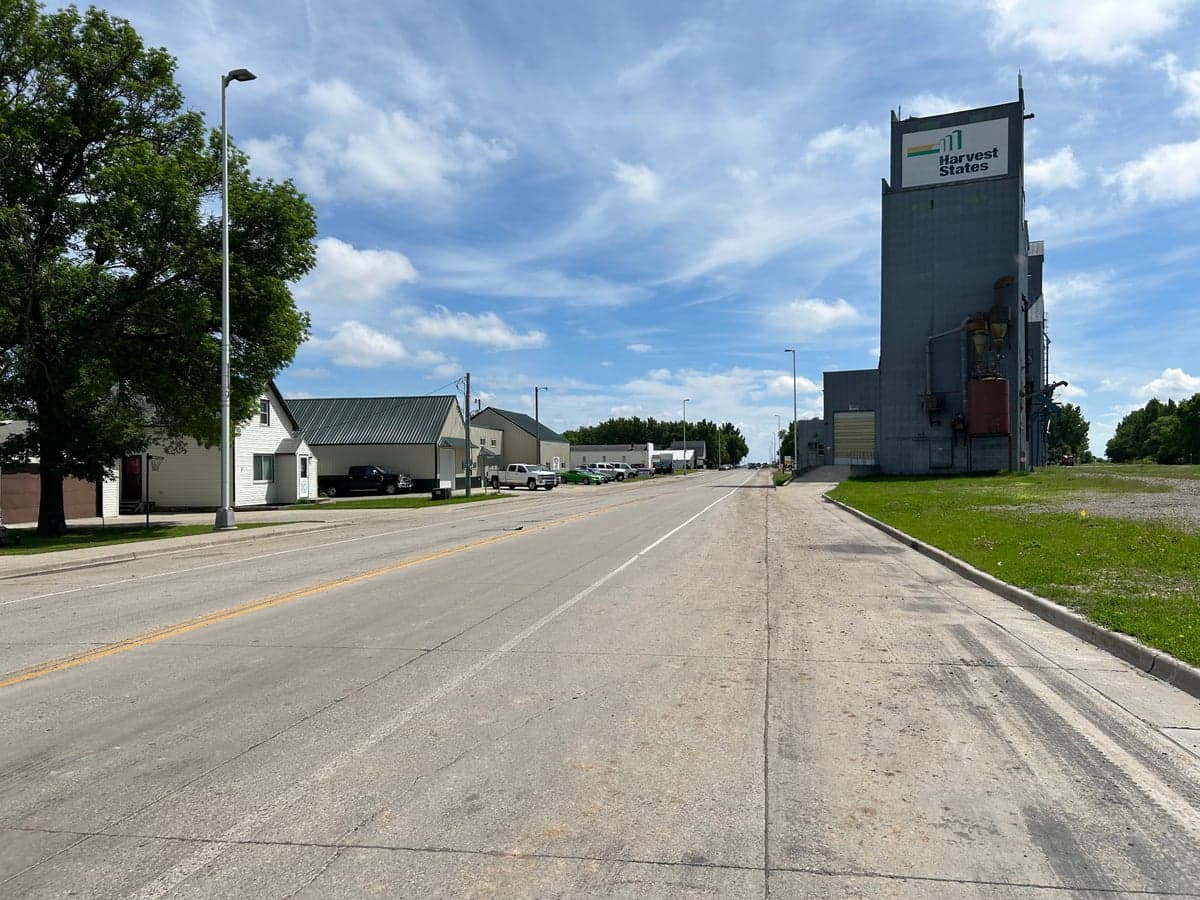
Photo: Wikipedia
Find The Best Places To Live
in Horace
PRO TIP! You can paste a Zillow or Redfin link to get info on that property.
What It's Like Living in Horace, ND
Horace, North Dakota, feels less like a small town and more like a quiet, well-kept secret that’s been discovered by families and professionals who want a slower pace without giving up proximity to a city. It’s the kind of place where you wave to neighbors at the post office, kids still ride bikes in the street, and the biggest decision of the week might be whether to grill burgers or grab pizza from the local spot. With a population just shy of 4,000, Horace has managed to grow steadily without losing its small-town character, and that balance is exactly what draws people here.
The Daily Rhythm: Work, Commute, and Weekend Life
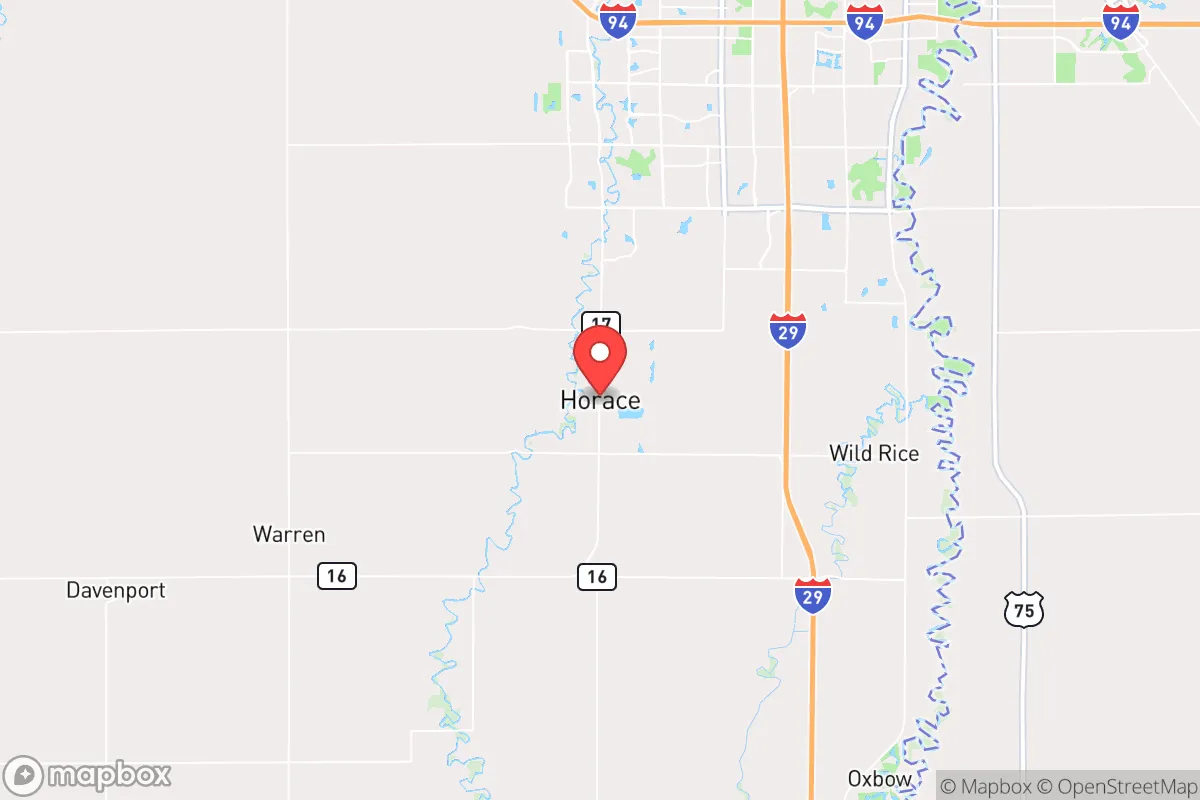
Most residents work in Fargo or West Fargo, which means the average commute clocks in at about 31 minutes each way. That’s a bit longer than you’d expect for a town this size, but it’s a straight shot down I-29 or Highway 81, and traffic is rarely a headache. People here trade a longer drive for more space and a quieter home base. During the week, mornings are for getting kids to school and heading out, evenings are for youth sports or a quick dinner at JL Beers in Fargo or the local Horace Pizza Ranch. Weekends often involve yard work, a trip to the Horace City Park for a little league game, or a drive into Fargo for shopping at the West Acres Mall or catching a movie. There’s no major nightlife in Horace itself, but the city’s proximity to Fargo means you’re never more than 15 minutes from a decent bar or live music venue.
Who Fits In: The Horace Demographic
The median age here is 34, and the median household income is a striking $145,801 — well above both state and national averages. That income level, combined with a median home value of $444,600, tells you this is a community of established professionals, many in healthcare, tech, or trades. Over 43% of adults hold a college degree. The cost of living index sits at 113, meaning it’s about 13% pricier than the national average, but that’s largely driven by housing costs. If you’re a young family or a professional couple looking for good schools and a safe environment, Horace fits. Single people might find the social scene a bit quiet, but Fargo’s dating pool and entertainment options are close enough to compensate.
Sports, Community, and Local Hangouts
High school sports are a big deal here. The Horace High School teams — the Hornets — draw solid crowds for football and basketball games, and the community rallies around them. There’s no college or pro team in town, but the Fargo Force (USHL hockey) and North Dakota State Bison football are popular allegiances, with many residents making the short drive to Fargo for games. The town’s biggest annual event is the Horace Days festival in late summer, featuring a parade, live music, a car show, and a fireworks display. It’s the kind of event where you run into everyone you know. For outdoor recreation, the Sheyenne River Valley offers hiking and biking trails, and the nearby Lindenwood Park in Fargo has a disc golf course and a dog park. The local bar scene is modest — The Horace Bar is a no-frills spot where locals grab a beer after work, and Duffy’s Tavern in nearby West Fargo is a popular alternative.
Pros and Cons of Living in Horace
- Pros: Excellent schools (Horace Elementary and High School are highly rated), very low crime overall (the violent crime rate of 223.3 per 100K is below the national average of about 380), strong sense of community, and easy access to Fargo’s jobs and amenities. The housing stock is relatively new, with many homes built in the last 15 years.
- Cons: Limited dining and shopping options within town — you’ll drive to Fargo for most errands. The commute adds up, especially in winter when snow and ice can stretch a 30-minute drive to 45. Property taxes are on the higher side due to the area’s growth, and the cost of living can feel steep for a town of this size. Winters are long and cold, with January highs around 18°F and snow on the ground from November through March.
Cultural Quirks and Practical Realities
Horace has a distinctly “newer” feel compared to older Red River Valley towns. Many subdivisions are still being built out, and the town’s identity is still forming. Locals take pride in the fact that Horace was originally a railroad stop and has transformed into a bedroom community without losing its independence. The school system is the social hub — everything from fundraisers to holiday events happens there. Traffic is negligible except during school drop-off and pickup, and the biggest frustration for residents is the lack of a grocery store in town; the nearest full-service supermarket is in West Fargo. Weather dictates the rhythm of life: summers are warm and humid, perfect for the annual Horace Days celebration, while winters require a reliable vehicle and a tolerance for cold. If you value space, safety, and a strong school system, and you don’t mind driving for a night out, Horace offers a solid, unpretentious quality of life.

Similar small towns to Horace
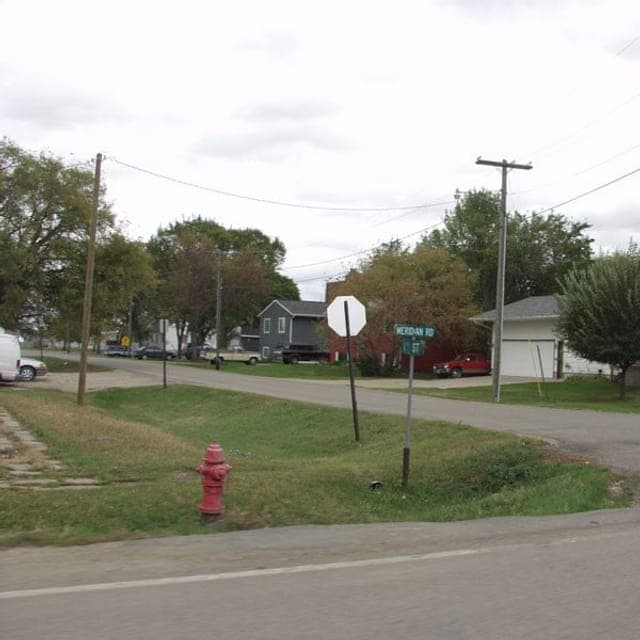
* Values derived from national, state, county, city and local statistics and may differ in a specific area. Last updated: 2026-04-19T05:14:30.000Z
Narrative content on this page is AI-generated and may contain mistakes. Verify any details that matter before acting on them.
ReloMaps may earn a commission from affiliate links at no extra cost to you.

