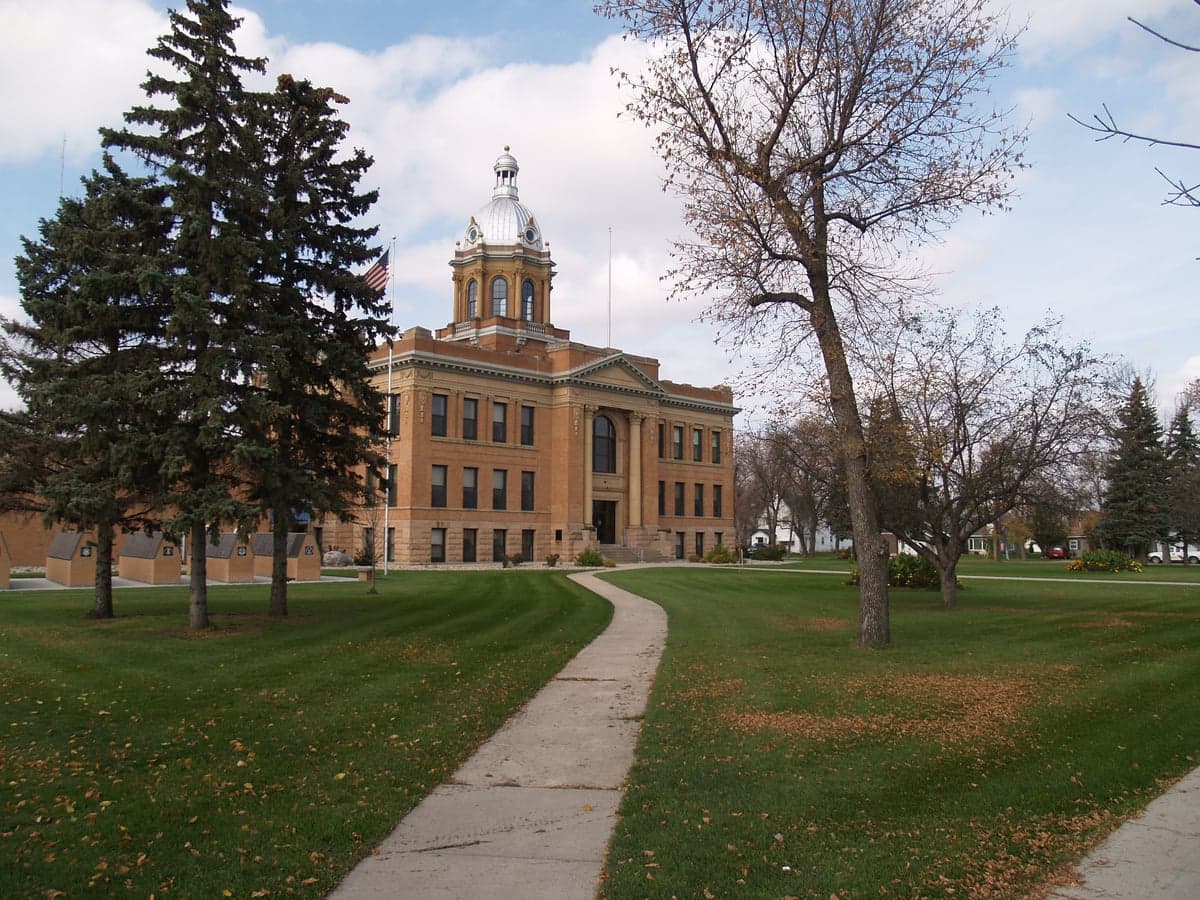
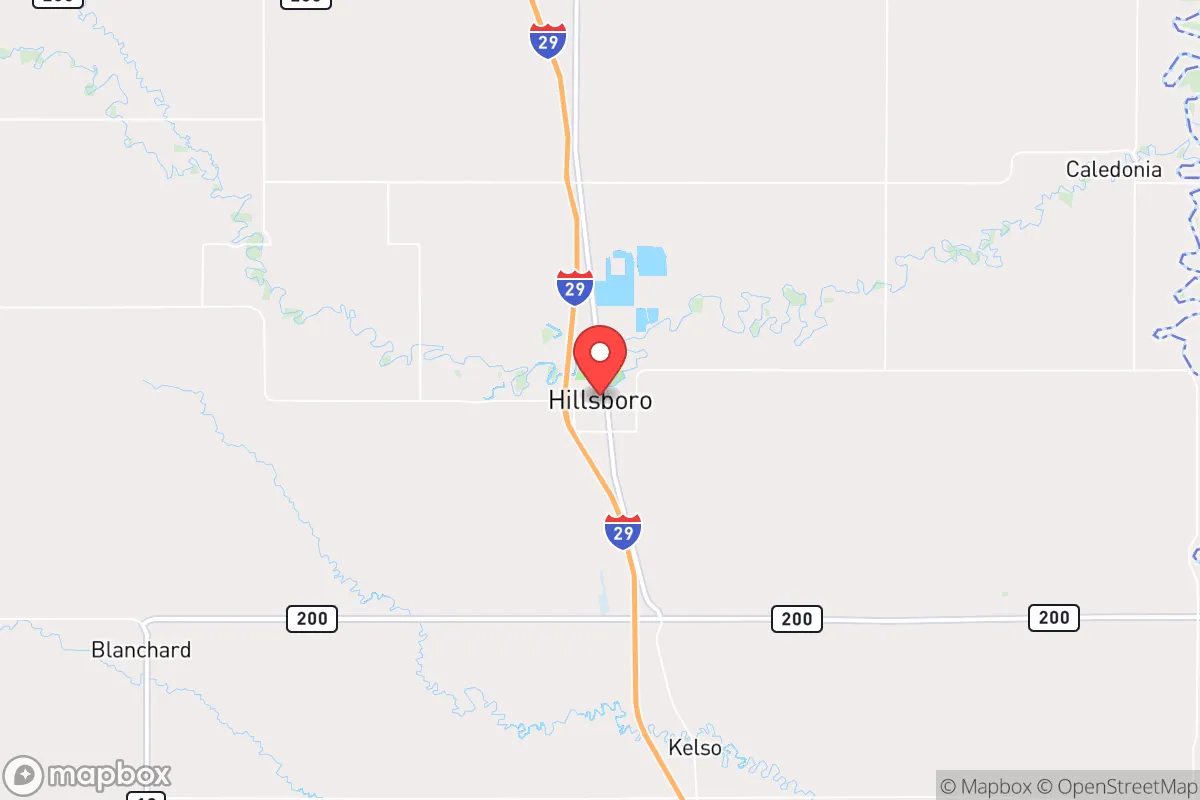
Photo: Wikipedia
Find The Best Places To Live
in Hillsboro
PRO TIP! You can paste a Zillow or Redfin link to get info on that property.
What It's Like Living in Hillsboro, ND
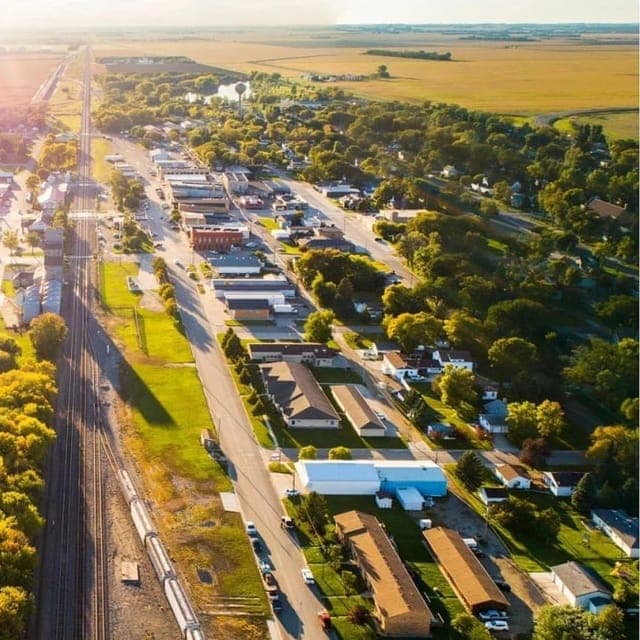
Hillsboro, North Dakota, is the kind of place where the high school football game on a Friday night is the biggest event in town, and the guy selling you a coffee at the local shop probably knows your name. With just over 1,600 people, it’s a tight-knit agricultural community where life moves at a deliberate, neighborly pace. If you’re looking for a quiet, affordable place to raise a family or settle into a slower rhythm, Hillsboro offers a genuine slice of small-town prairie life.
Daily Rhythm and Who Fits In
Daily life in Hillsboro revolves around work, family, and community. The median age here is 40.1, and the median household income sits at a solid $77,844, well above the national average for a town this size. That income goes a long way, too, with a cost of living index of just 59—meaning your dollar stretches about 40% further than the U.S. average. Most people commute an average of 18 minutes, often to jobs in agriculture, local manufacturing, or healthcare. The kind of person who fits in here values self-reliance, knows their neighbors, and doesn’t mind a quiet evening. It’s a place for families, early retirees, or anyone who finds peace in open skies and a predictable schedule. You won’t find a nightclub scene, but you will find a community that shows up for each other.
Sports, Community, and What People Actually Do
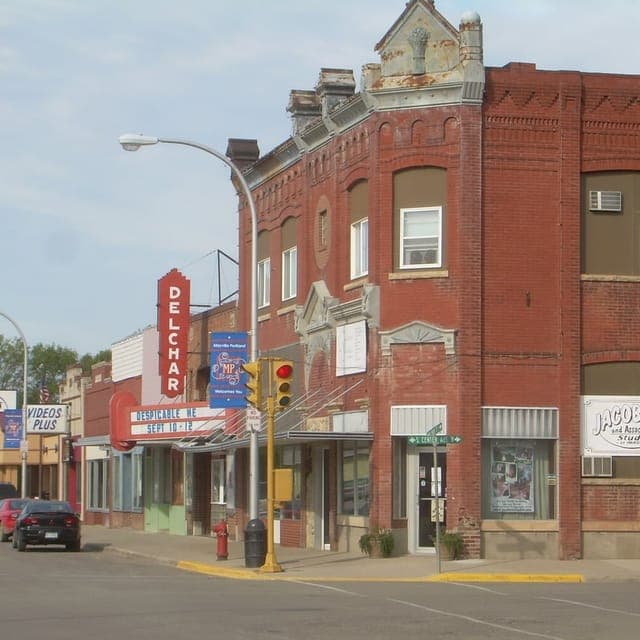
High school sports are the heartbeat of Hillsboro. The Hillsboro-Central Valley Burros are a big deal—football and basketball games draw a crowd that includes everyone from grandparents to local business owners. There’s no pro or college team within an hour, so the Burros are the main event. Beyond sports, weekends are spent at the local park, grabbing a burger at the Burro Bar & Grill, or catching up over coffee at a Main Street spot. The annual Hillsboro Potato Show is a genuine local tradition, celebrating the area’s agricultural roots with a parade, craft fair, and plenty of food. For outdoor recreation, the nearby Goose River offers decent fishing and canoeing, and the town’s small golf course is a summer staple. The local library and community center host everything from book clubs to holiday dinners.
Pros and Cons of Living Here
Let’s be honest about the trade-offs. The biggest pro is affordability: the median home value is $180,800, and with that low cost of living, a middle-class income buys a comfortable life. The schools are a central part of the community, and the violent crime rate of 223.3 per 100,000 is slightly above the national average, but property crime is generally low and most residents feel safe. The weather is a genuine challenge—winters are long, cold, and windy, with snow piling up from November through March. Summers are short but pleasant, with warm days perfect for the Potato Show or a round of golf. The biggest frustration for many is the lack of variety in shopping and dining; you’ll drive 45 minutes to Fargo for a mall or a chain restaurant. But for those who value quiet, space, and knowing their neighbors, that trade-off is worth it.
Cultural Quirks and Practical Realities
One notable quirk is the town’s deep connection to the potato—it’s not just a crop, it’s an identity. The Potato Show isn’t kitschy; it’s a genuine celebration of the area’s agricultural economy. Another is the way the school serves as the social hub; if you don’t have kids, you might feel a bit left out of the main social currents. Traffic is nonexistent—you’ll never sit in a jam. The seasonal rhythm is stark: summer is for outdoor work and festivals, winter is for hunkering down and community events indoors. About 37.3% of adults hold a college degree, which is respectable for a rural town, and the local economy is stable, anchored by farming and a few light industrial employers. If you’re a single person in your 20s, you might find the social scene limited. But if you’re a parent wanting a safe, affordable place where your kids can play outside without worry, or someone who values a slower, more connected life, Hillsboro delivers exactly what it promises.

Similar small towns to Hillsboro
* Values derived from national, state, county, city and local statistics and may differ in a specific area. Last updated: 2026-04-19T09:08:39.000Z
Narrative content on this page is AI-generated and may contain mistakes. Verify any details that matter before acting on them.
ReloMaps may earn a commission from affiliate links at no extra cost to you.

