Photo: Wikipedia
Find The Best Places To Live
in Hot Springs
PRO TIP! You can paste a Zillow or Redfin link to get info on that property.
What It's Like Living in Hot Springs, SD
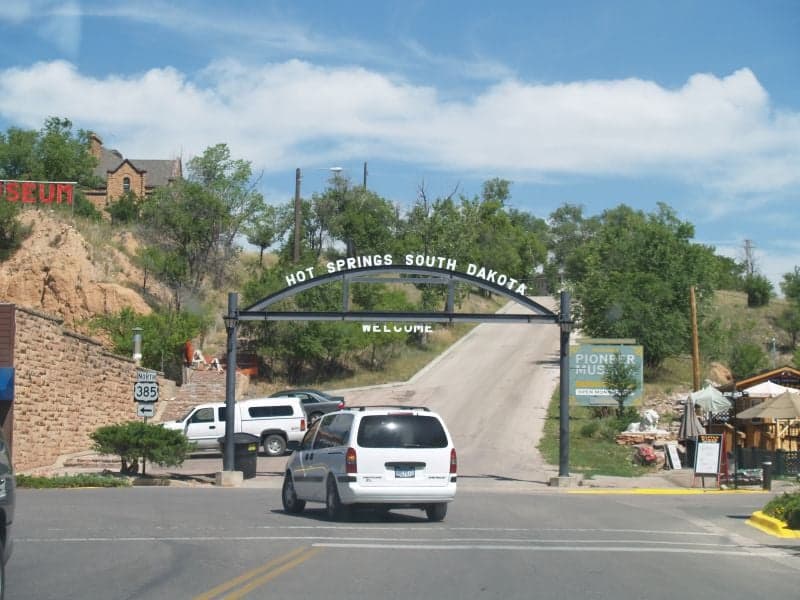
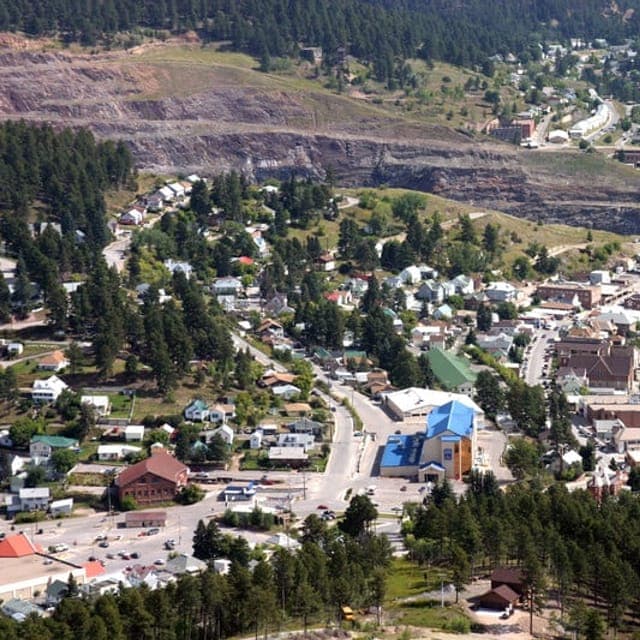
Hot Springs, South Dakota, has the feel of a small town that time hasn’t forgotten, but in a good way. With a population just over 3,500, it’s the kind of place where you’ll get a wave from a pickup truck you don’t recognize and the pharmacist knows your name by your second visit. The town sits in the southern Black Hills, surrounded by red rock canyons and natural warm springs that give the place its name, and it attracts a specific kind of person: someone who values quiet, low costs, and a slower pace over career hustle and nightlife.
Daily Rhythm and Who Fits In
Life here moves at a deliberate, unhurried pace. The median age is 59.3, which tells you a lot about the demographic mix—this is a town heavy on retirees, second-home owners, and people who’ve chosen to slow down. The median household income sits at $49,688, and the cost of living index is 68 (well below the national average of 100), meaning a modest salary goes a long way. You’ll find most folks working in healthcare, tourism, or local government, with the VA Black Hills Health Care System being a major employer. The average commute is just over 17 minutes, so you’re never far from home, work, or the grocery store. For a single person or a family who values space and quiet, Hot Springs works. For someone chasing career growth or a vibrant social scene, it will feel confining.
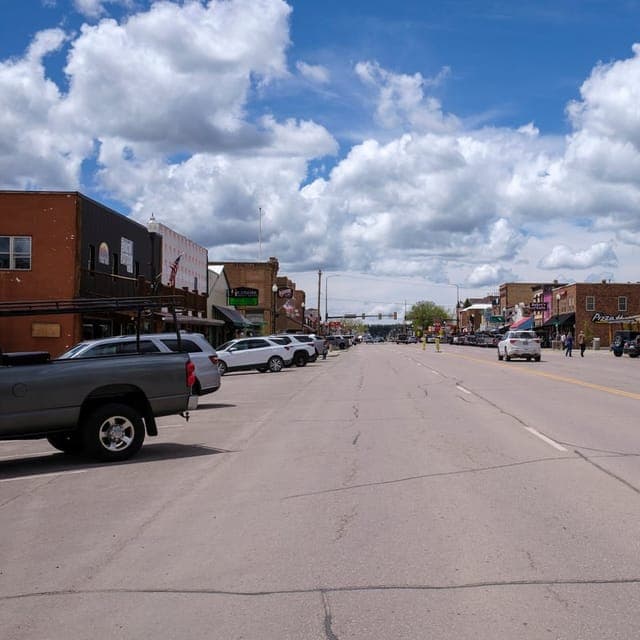
Weekends are spent outdoors or at local events. People hike the trails at Cascade Falls, fish the Fall River, or drive the 20 minutes to Wind Cave National Park. The town’s natural hot springs—the Evans Plunge mineral pool—is a year-round draw, especially in winter when the steam rises off the 87-degree water. There’s no mall, no movie theater, and only a handful of chain restaurants. The social hubs are the local diners, the VFW, and the bars along Main Street, like the Bumpin’ Buffalo or Red Garter Saloon, where you’ll hear more talk about hunting season and local politics than anything else.
Sports, Schools, and Community Identity
High school sports are a big deal here, as they are in most small South Dakota towns. The Hot Springs Bison football and basketball games draw a good crowd on Friday nights, and the whole town turns out for homecoming. There’s no college or pro team within an hour’s drive—Rapid City is the closest for any larger-scale entertainment—so the local teams are the main event. The schools themselves are small but tight-knit, and they serve as a community anchor. For parents, the schools are a known quantity: class sizes are small, teachers are approachable, and the kids grow up knowing everyone. That said, the 18.2% college-educated rate is low, reflecting the town’s blue-collar and retiree base, so if advanced academic programs are a priority, you may need to supplement with online or regional options.
The town’s identity is wrapped up in its history and geography. The Mammoth Site, a working paleontological dig and museum, is the biggest tourist draw, and locals take quiet pride in it. The annual Hot Springs Mountain Bike Festival and the Fall River Rodeo are the big community events, drawing visitors from across the region. There’s a strong libertarian streak here—people value their privacy and self-reliance. You won’t find much in the way of organized nightlife or cultural diversity, but you will find neighbors who will help you dig out your car after a snowstorm without being asked.
Honest Pros and Cons of Living Here
The upsides are real and tangible. The cost of living is a standout: median home value is $168,200, which is roughly half the national median. For a single person or a family, that means you can own a home on a modest income. The violent crime rate is 81.9 per 100,000, which is about half the national average—you can leave your doors unlocked and your kids can ride bikes without worry. The natural beauty is constant, with the Black Hills, Badlands, and Custer State Park all within an hour’s drive. The weather is four-season, with summers that rarely hit 90 and winters that are cold but manageable, with snow that usually melts within a week.
The downsides are equally real. The median age of 59.3 means the town can feel sleepy, especially if you’re under 40. Job opportunities are limited—most people either work in healthcare, tourism, or commute to Rapid City (about 45 minutes north). The nearest Walmart is in Custer, and the nearest Target is in Rapid City, so shopping requires planning. Dining options are limited to a handful of local spots; if you want ethnic food or a late-night scene, you’re out of luck. Winters can be isolating, with short days and occasional stretches of below-zero temps. And while the schools are fine, they’re not a draw for families seeking top-tier academics or extracurricular breadth.
Hot Springs is a trade-off. You trade convenience, career opportunity, and cultural variety for affordability, safety, and a deep connection to the land. It’s a place for people who already know what they want—and what they don’t want. If that sounds like you, you’ll find a welcoming, no-nonsense community here. If not, you’ll probably feel the quiet pressing in.

Similar small towns to Hot Springs
* Values derived from national, state, county, city and local statistics and may differ in a specific area. Last updated: 2026-04-23T10:33:01.000Z
Narrative content on this page is AI-generated and may contain mistakes. Verify any details that matter before acting on them.
ReloMaps may earn a commission from affiliate links at no extra cost to you.

