Political ClimatePolitical Climate in Huntington Woods, MI
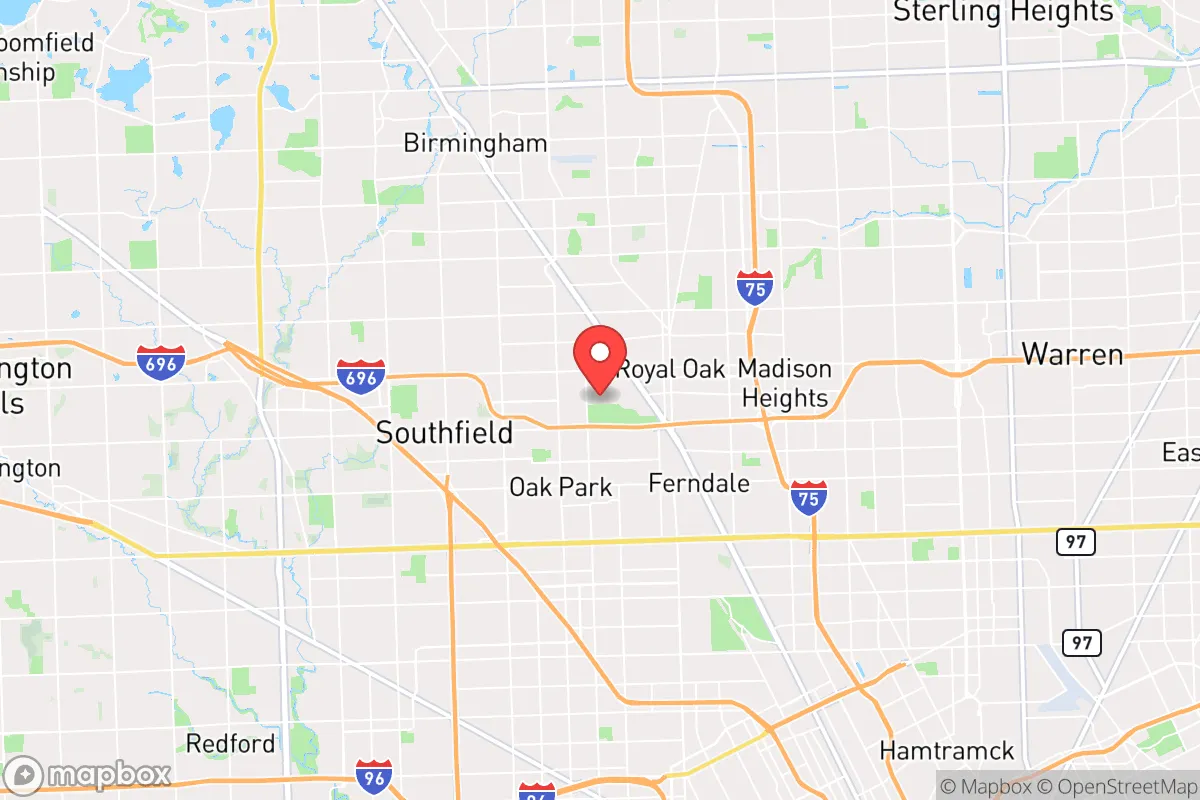
District shown is the primary district for this city’s centroid. Cities may span multiple districts.
Local Political AnalysisPolitical Analysis of Huntington Woods, MI
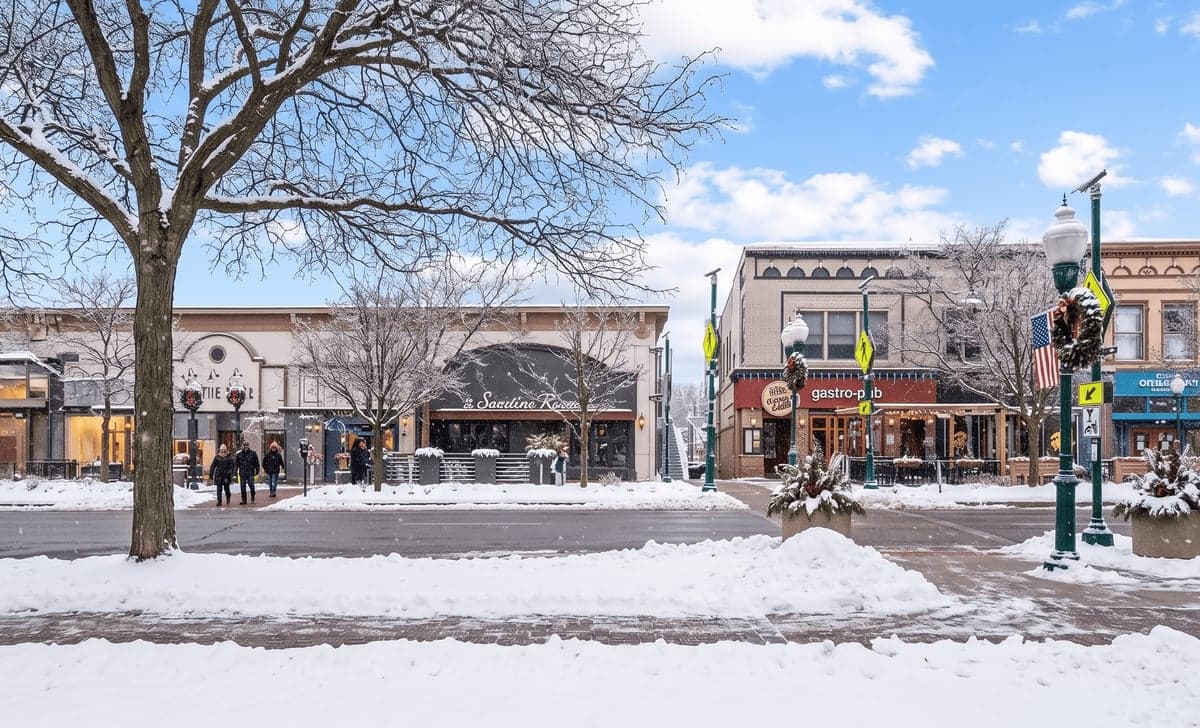
Huntington Woods, Michigan, leans heavily Democratic, with a Cook PVI of D+9, meaning the area votes about nine points more Democratic than the national average. This isn’t a recent shift—it’s been a solidly blue enclave for decades, and the trend is only accelerating. If you’re looking at the political climate here, you’re looking at a place where progressive policies are the norm, and any pushback tends to be quiet or drowned out. For someone who values personal freedoms and limited government, that’s a red flag worth paying attention to.
How it compares
To really understand Huntington Woods, you have to look at its neighbors. Just a few miles west, you’ve got places like Royal Oak and Ferndale, which are also reliably Democratic but with a more active, vocal progressive scene. Head east into Grosse Pointe or north into Birmingham, and you’ll find more moderate or even conservative pockets—areas where property rights and lower taxes still get a fair hearing. Huntington Woods sits in the middle of this, but it’s not a middle ground. It’s a small, tight-knit community where the local government tends to align with state-level Democratic priorities, like strict zoning rules and high-density housing mandates. Compared to the surrounding towns, it’s less about debate and more about consensus on left-leaning solutions.
What this means for residents
For the average person living here, the political climate translates into a few concrete realities. First, expect higher property taxes—they’re among the highest in Oakland County, funding schools and public services that the community generally supports, but that can feel like government overreach if you’re not on board. Second, local ordinances tend to be more restrictive: think strict noise regulations, limits on home businesses, and a strong push for environmental mandates like electric vehicle charging stations in new developments. If you value the freedom to do what you want on your own property without a lot of red tape, this isn’t the place for it. The city council and school board are almost uniformly Democratic, so there’s little room for alternative viewpoints in local decision-making. Over the long term, I see this getting more entrenched—younger families moving in are even more progressive, and the older conservative-leaning residents are aging out. It’s a one-party town, and that’s not great for anyone who likes a little balance.
Culturally, Huntington Woods prides itself on being inclusive and environmentally conscious, which sounds nice on paper. But in practice, that can mean policies that feel like social engineering—like mandatory diversity training for city contractors or aggressive recycling programs with fines for non-compliance. There’s a strong sense of community, sure, but it’s a community that expects you to fall in line with its values. If you’re a conservative or even a moderate who questions the direction, you’ll likely keep your head down. The long-term trajectory here is more of the same: a small, wealthy suburb where progressive ideology is the only game in town, and personal freedoms take a backseat to collective goals. It’s a comfortable place if you agree with the program, but if you don’t, it can feel like a very long four years.

State Political ClimatePolitical Climate in Michigan
State Political AnalysisPolitical Environment in the State
Michigan has shifted from a reliably blue state to a true battleground over the past decade, but the trend line is concerning for conservatives. The state went for Trump in 2016 by less than 11,000 votes, flipped to Biden in 2020 by 154,000, and then saw Trump win it back in 2024 by roughly 80,000 votes — a clear sign of volatility. The dominant coalition is a mix of union labor, urban progressives in Detroit and Ann Arbor, and a growing suburban swing vote, but the GOP has made steady inroads in exurbs and rural areas. Over the last 20 years, the state has drifted left on social policy while remaining economically mixed, creating a tense, unpredictable environment for anyone considering a move here.
Urban vs. rural divide
The political map of Michigan is a study in extremes. Detroit and its inner-ring suburbs like Southfield and Oak Park are deep blue, driven by a large Black population and progressive white liberals. Ann Arbor, home to the University of Michigan, is a progressive stronghold where Democrats routinely win by 40+ points. On the flip side, rural northern Michigan and the western side of the state are deeply red — places like Traverse City's surrounding counties, the Thumb region, and the Upper Peninsula (which flipped from Obama to Trump and stayed there) are solidly conservative. The real battleground is the suburban ring around Detroit — Macomb County, Oakland County, and parts of Kent County (Grand Rapids). Macomb County, once a Democratic stronghold of Reagan Democrats, has trended hard right, voting for Trump by 8 points in 2024. Grand Rapids itself is a conservative anchor in West Michigan, but its growing Hispanic and younger populations are slowly shifting it purple. The divide isn't just geographic — it's cultural, with urban centers pushing progressive policies while rural areas fight for gun rights, school choice, and lower taxes.
Policy environment
Michigan's policy environment is a mixed bag that leans increasingly interventionist. The state has a flat income tax of 4.25%, which is moderate, but property taxes can be high in desirable suburbs — think $6,000-$10,000 annually on a $400,000 home in places like Novi or Northville. The regulatory posture is business-friendly in some sectors (manufacturing, agriculture) but hostile in others (energy, environmental permitting). Education policy is a flashpoint: Michigan has a robust charter school system, but the state board of education has been pushing progressive curriculum mandates, including DEI initiatives and LGBTQ+ inclusive materials that many conservative parents oppose. Governor Gretchen Whitmer signed a repeal of the state's right-to-work law in 2023, a major blow to individual freedom that forces workers in unionized workplaces to pay dues or fees. Election laws are relatively open — no voter ID requirement for absentee ballots, same-day registration, and automatic voter registration — which has fueled ongoing concerns about election integrity among conservatives. Healthcare policy is dominated by Medicaid expansion under the Affordable Care Act, and the state has a strong public health apparatus that was aggressive during COVID lockdowns, leaving a bitter taste for many.
Trajectory & freedom
Michigan is becoming less free by any objective measure, especially for conservatives. The 2023 repeal of right-to-work was a direct attack on individual liberty, forcing workers to financially support unions they may disagree with. Gun rights have been under steady assault: in 2023, Whitmer signed universal background checks and a red flag law, allowing courts to temporarily seize firearms from individuals deemed a risk — a law many conservatives see as ripe for abuse. Parental rights took a hit with the 2023 expansion of the Elliott-Larsen Civil Rights Act, which added sexual orientation and gender identity as protected classes, effectively overriding parental consent requirements for school policies on name changes and bathroom access. On the plus side, Michigan has no state-level income tax on Social Security benefits, which is a small win for retirees. But the overall trajectory is leftward: the state has a Democratic trifecta (governor, House, Senate) as of 2023, and they've been aggressive. The only check is the state Supreme Court, which has a 4-3 Democratic majority. Expect more restrictions on property rights, energy development, and school choice in the near term.
Civil unrest & political movements
Michigan has been a hotbed of political activism on both sides. The Wolverine Watchmen kidnapping plot against Governor Whitmer in 2020 exposed deep anti-government sentiment, particularly among rural conservatives who felt lockdowns were tyrannical. The "Operation Gridlock" protest at the state capitol in April 2020 drew thousands of armed protesters demanding the state reopen, a defining moment for the modern conservative movement in Michigan. On the left, Black Lives Matter protests in Detroit and Grand Rapids in 2020 were large and occasionally violent, with property damage in downtown areas. Immigration politics are relatively quiet compared to border states, but Detroit and Ann Arbor have sanctuary city policies that limit cooperation with ICE. Election integrity remains a raw nerve: the 2020 election saw widespread use of ballot drop boxes and mass mail-in voting, and while audits found no widespread fraud, many conservatives remain skeptical. The 2024 election saw tighter rules in some counties but no major changes. The state capitol in Lansing has become a regular site for competing rallies, and the atmosphere can feel tense, especially during legislative sessions on hot-button issues.
Projection
Over the next 5-10 years, Michigan is likely to continue its leftward drift, but with a ceiling. Demographic shifts are working against conservatives: the Detroit suburbs are diversifying, with growing Hispanic and Asian populations that lean Democratic, while rural areas are aging and shrinking. In-migration from blue states like Illinois and California is modest but noticeable in places like Traverse City and Grand Rapids, bringing progressive voters with them. However, the 2024 Trump win shows the state is still competitive, and the GOP could retake the legislature in 2026 if they run on economic issues and parental rights. The wild card is the state Supreme Court — if conservatives can flip a seat in 2026, they could block the worst of the progressive agenda. For someone moving in now, expect a state that will continue to have high property taxes, a growing regulatory burden, and cultural battles over schools and guns. The Upper Peninsula and rural northern Michigan will remain conservative havens, but the political center of gravity will keep shifting toward the urban crescent from Detroit to Ann Arbor to Grand Rapids.
For a conservative considering Michigan, the bottom line is this: you can find like-minded communities in the exurbs, rural areas, and parts of West Michigan, but you'll be fighting an uphill battle at the state level. The tax burden is moderate but rising, your gun rights are under threat, and your kids' schools may push values you don't share. If you're willing to engage politically and vote every cycle, it's still a battleground worth fighting for. If you want a state where your freedoms are secure without constant vigilance, look elsewhere — at least for now.
* Values derived from national, state, county, city and local statistics and may differ in a specific area. Last updated: 2026-04-27T18:05:20.000Z
Narrative content on this page is AI-generated and may contain mistakes. Verify any details that matter before acting on them.
ReloMaps may earn a commission from affiliate links at no extra cost to you.

