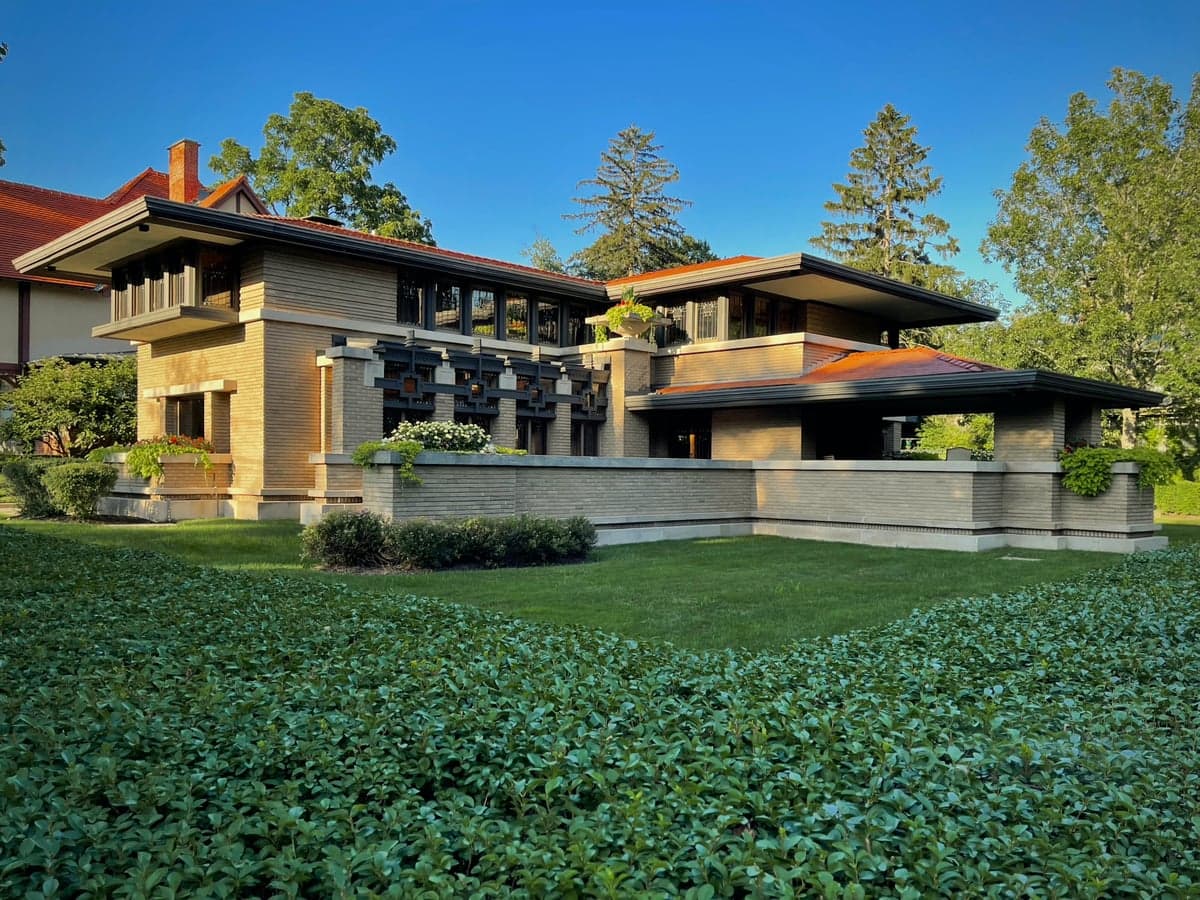
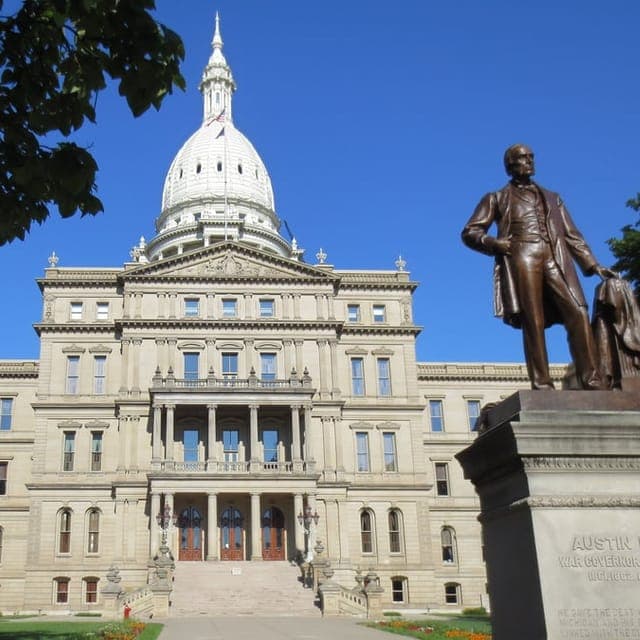
Photo: Wikipedia
Find The Best Places To Live
in Grand Rapids
PRO TIP! You can paste a Zillow or Redfin link to get info on that property.
What It's Like Living in Grand Rapids, MI
Grand Rapids has a way of feeling both bigger and smaller than it actually is. With just under 200,000 people inside city limits, it’s large enough to have a real downtown, a handful of pro sports, and a food scene that punches above its weight — but small enough that you’ll run into people you know at the grocery store. The city’s identity is rooted in a mix of Midwestern pragmatism, a strong manufacturing and healthcare economy, and a surprisingly vibrant arts and beer culture. It’s the kind of place where people stay for a decade and accidentally put down roots.
The Daily Rhythm: Work, Commute, and Weekend Habits
Most residents work in healthcare, manufacturing, or the growing office sector. Corewell Health (formerly Spectrum Health) and Meijer’s corporate headquarters are two of the largest employers, and the medical mile along Michigan Street is a legitimate economic engine. The average commute is just over 19 minutes — short enough that you can live in the city and still get to a job in the suburbs without losing your morning. Traffic on the S-Curve (where I-196 and US-131 meet downtown) backs up during rush hour, but it’s nothing like Chicago or Detroit. Weekend mornings often start at a local coffee shop like Lantern Coffee or a breakfast spot like Wolfgang’s, followed by a trip to Fulton Street Farmers Market or a walk through the Frederik Meijer Gardens. By afternoon, many families head to one of the city’s many parks — Millennium Park’s beach is a summer staple — or catch a minor league baseball game at Fifth Third Ballpark.
Sports, Beer, and the Festival Calendar
Sports fandom here is real but not obsessive. The Grand Rapids Griffins (AHL hockey) draw solid crowds at Van Andel Arena, and the West Michigan Whitecaps (minor league baseball) are a classic summer family outing. College sports loyalty leans toward Michigan and Michigan State, but Grand Valley State University has a strong local following, especially for football. High school football is a bigger deal than you might expect — East Grand Rapids and Catholic Central games can pack stands on Friday nights. The city’s biggest cultural event is ArtPrize, a massive public art competition that takes over downtown every fall. It’s chaotic, free, and draws hundreds of thousands of visitors. Summer also brings Festival of the Arts, a three-day outdoor food and music event, and the Grand Rapids Polish Festival. The beer scene is legitimately nationally known — Founders Brewing is the flagship, but Brewery Vivant, Perrin, and City Built are local favorites. If you don’t drink, you’ll still find plenty of coffee shops, cideries, and a growing number of non-alcoholic bars.
Who Fits In, and Who Doesn’t
Grand Rapids works best for people who want a balanced life — a decent job, a reasonable cost of living, and enough to do on weekends without the chaos of a major metro. The median age is 32.1, and about 40% of adults have a college degree, so the population skews educated and career-oriented but not hyper-competitive. The cost of living index is 93 (7% below the national average), and the median home value is around $225,500, which means a couple earning the median household income of $65,526 can actually afford a house in a decent neighborhood. That’s the big draw. The downside: the violent crime rate is 408.1 per 100,000, which is higher than the national average and concentrated in certain parts of the city. Most residents know which blocks to avoid after dark, and the suburbs (East Grand Rapids, Ada, Rockford) feel much safer. Winters are real — expect snow from November through March, with gray skies that can wear on your mood. Locals cope by embracing winter sports, or just bundling up and going to the brewery anyway.
Pros and Cons of Living Here
- Pro: Affordable housing. You can buy a solid starter home in a walkable neighborhood like Eastown or Creston for under $300,000. That’s nearly impossible in Denver or Nashville.
- Con: Winter. It’s not just the cold — it’s the length. By February, even the most cheerful Midwesterner is tired of shoveling.
- Pro: Strong local economy. Healthcare, manufacturing, and logistics provide stable jobs. Unemployment is consistently below the national average.
- Con: Limited nightlife variety. If you want a late-night club scene or a 24-hour diner, you’ll be disappointed. Things close early, especially outside of downtown.
- Pro: Community feel. People actually talk to each other. Neighbors bring cookies. The city has a genuine small-town vibe within a mid-sized city.
- Con: Crime disparity. The city’s violent crime rate is real, and it’s not evenly distributed. Southeast and some near-west side neighborhoods have higher rates, while the suburbs are very safe.
Schools play a major role in where families choose to live. Grand Rapids Public Schools have some strong magnet and IB programs, but many middle-class families opt for the suburban districts — Forest Hills, East Grand Rapids, and Rockford are consistently rated among the best in the state. That’s a practical reality that shapes housing decisions and dinner table conversations. Overall, Grand Rapids is a solid, livable city for people who want a career, a house, and a community without the price tag or pace of a coastal metro. It’s not flashy, but it’s honest — and that’s exactly what draws people here.

Similar small cities to Grand Rapids
* Values derived from national, state, county, city and local statistics and may differ in a specific area. Last updated: 2026-04-30T04:22:01.000Z
Narrative content on this page is AI-generated and may contain mistakes. Verify any details that matter before acting on them.
ReloMaps may earn a commission from affiliate links at no extra cost to you.

