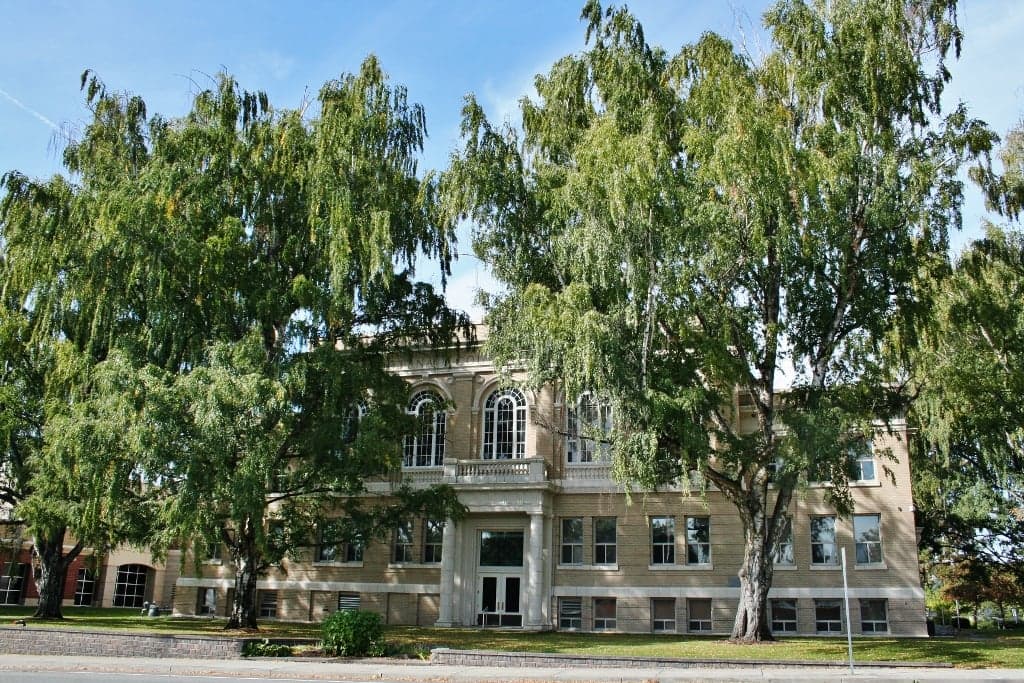
Photo: Wikipedia
Quality of Life in Kootenai County
A livable area that tracks near national norms for affordability, walkability, and neighborhood health.
What does Quality of Life tell us?
Quality of Life measures an area by evaluating factors like cost of living, nearby amenities, country club access, airport proximity, socioeconomic signals and neighborhood character. For large states, this is a general average — quality of life can vary dramatically between metro areas, suburbs, and rural communities within the same state.
What does this tell us?
Quality of Life measures an area by evaluating factors like cost of living, nearby amenities, country club access, airport proximity, socioeconomic signals and neighborhood character. For large states, this is a general average — quality of life can vary dramatically between metro areas, suburbs, and rural communities within the same state.
Cost of Living
35% above national average
61%
The Real Cost of Living in Kootenai County for 2026
| Tier | Individual | Family (4) |
|---|---|---|
| Survival | $21k | $40k |
| Comfortable | $86k | $126k |
| Luxury | $126k+ | $195k+ |
| Elite (Top 5%) | $148k+ | $230k+ |
Quality-of-Life Analysis
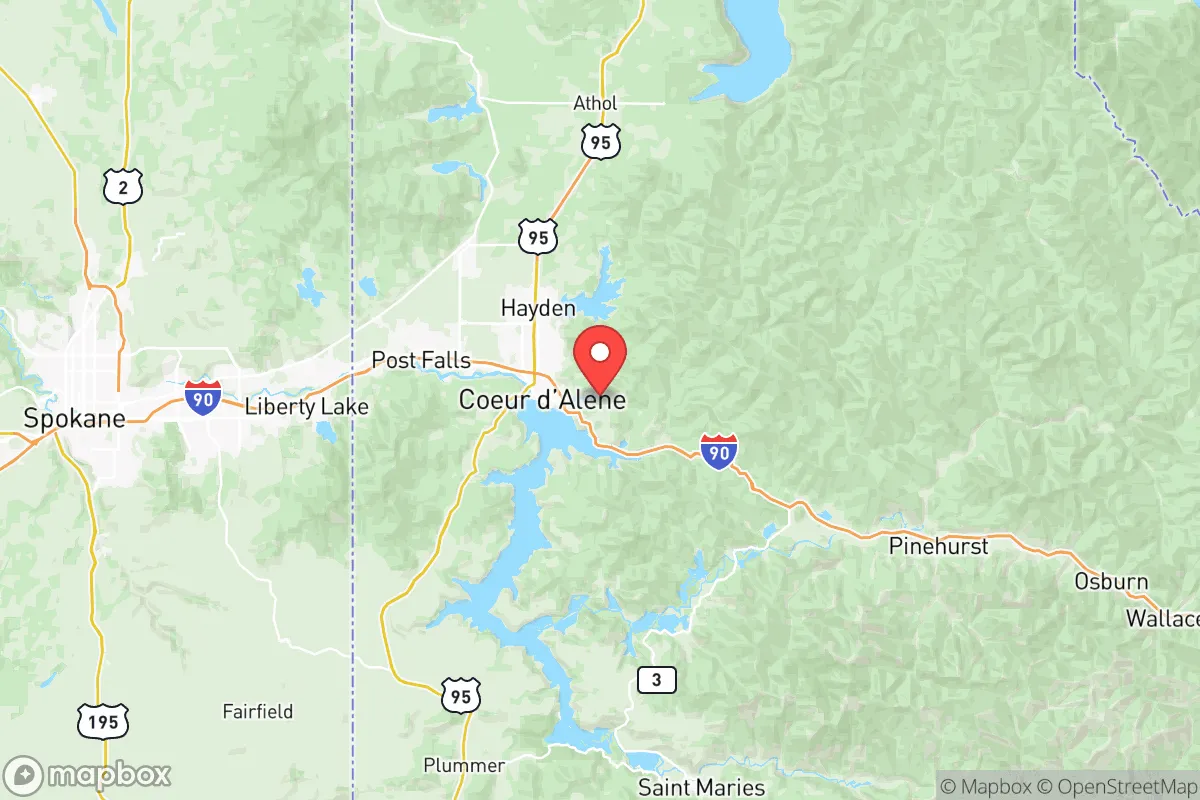
Kootenai County spans from the urbanized Lake Coeur d’Alene shoreline to deeply rural timber and lakeside hamlets, giving the county one of the widest quality-of-life spectrums in northern Idaho. Cost of living sits at 135 on the U.S. index, with a median home value of $467,400 and median rent of $1,330 — numbers that feel steep near the city core but ease dramatically as you move outward. The county attracts a blend of out-of-state remote workers, retired military families, and longtime logging and farming residents, each gravitating to a different part of its geography.
Largest towns & population centers
Coeur d’Alene dominates as the county seat and the region’s commercial and cultural anchor, with a downtown lined with boutique shops, waterfront parks, and a growing food scene along Sherman Avenue. Daily life here revolves around the lake: hiking Tubbs Hill, paddleboarding on the Spokane River, and attending summer concerts at the Pavilion. Post Falls, immediately west, is the county’s second-largest city and functions as a more affordable, industrially diversified counterpart, anchored by the Grey’s Landing development along the Spokane River and a straight shot to Spokane via I-90. Hayden, just north of Coeur d’Alene, offers newer subdivisions, the Silver Lake Mall, and a family-oriented suburban feel with good schools in the Lakeland and Coeur d’Alene school districts. Rathdrum, farther north, is the fastest-growing population center, with median home prices around $430,000 — slightly below the county average — and a rural-suburban mix that appeals to commuters willing to trade 22 minutes of average drive time for more land. The average county commute of 22.4 minutes is manageable, though longer drives to Boise or Spokane (35–45 min) are common for those in northern or eastern pockets.
Smaller towns & rural pockets
East of the lake, the unincorporated community of Harrison hugs the southern shore of Lake Coeur d’Alene and is a recreation gateway for the Trail of the Coeur d’Alenes, a paved rail-trail that runs 73 miles to Mullan. Harrison’s population hovers around 200 year-round, ballooning with summer cabin owners and RV travelers. On the county’s western edge, Worley is the smallest incorporated town (fewer than 300 residents) and hosts the Coeur d’Alene Casino & Resort, a major employer for the Coeur d'Alene Tribe. North of Rathdrum, Athol (pop. ~750) sits along Highway 95 near the Silverwood Theme Park, combining a bedroom-community feel with agricultural land. Farther north still, Spirit Lake (pop. ~2,500) is a self-contained small town with its own school district, a tiny downtown, and inexpensive lakefront property compared to Coeur d’Alene. The most remote corner is the Bayview area on the Pend Oreille side of the county line, accessible only by winding roads and home to a tight-knit community of boaters and retirees. In the far east, Cataldo off Interstate 90 is a historic Mission settlement with the oldest standing building in Idaho (1848) and almost no services — a true rural lifestyle with minimal utilities.
Cost & lifestyle range
The cost-of-living gradient is stark. On the high end, Coeur d’Alene’s west side near the lake — especially neighborhoods like Lakeside Avenue or areas around Sanders Beach — pushes well past the county median toward $700,000+ for a single-family home, reflecting prime walkability and water views. The city’s newer subdivisions in the Fernan Lake area or northwest of downtown also command a premium. At the low end, homes in Rathdrum’s older sections (east of Highway 41) or Spirit Lake can fall below $300,000 for a fixer-upper, though inventory is thin. Rental rates follow the same pattern: a two-bedroom in Coeur d’Alene averages $1,500–$1,800, while the same unit in Athol or Worley rents for $950–$1,100. Amenity access diverges accordingly: residents of Post Falls and Coeur d’Alene have multiple grocery chains, urgent cares, and a regional hospital (Kootenai Health), while households in Harrison or Bayview drive 20–40 minutes for a pharmacy or big-box retail. The county’s property and sales taxes remain low (Idaho’s overall tax burden is among the lowest in the U.S.), but infrastructure in outlying areas is limited — few rural homes have municipal water or sewer, and broadband internet is spotty in the hilly eastern terrain.
A retiree wanting walkable lake access and medical proximity will thrive in Coeur d’Alene’s central neighborhoods. A family seeking a three‑acre lot and a 25‑minute commute will find that in Rathdrum or Athol. A remote worker on a modest budget who prioritizes quiet and outdoor recreation may settle in Spirit Lake or the rural fringe of Worley. Kootenai County’s quality‑of‑life spectrum accommodates all of them — provided they can navigate the housing competition and increased traffic that the region’s rapid growth has brought since 2020.

Crime in Kootenai County
Lower crime rates than 76% of comparable U.S. locations.
Violent CrimeViolent Crime Analysis
Property CrimeProperty Crime Analysis
Crime Analysis
Kootenai County, Idaho, reports a violent crime rate of 215.5 per 100,000 residents and a property crime rate of 601.6 per 100,000, placing it slightly above the national average for property offenses but below the national violent crime average. The county's overall safety picture is shaped by a mix of growing suburban communities and rural areas, with crime concentrated in specific corridors and jurisdictions. Residents in cities like Coeur d'Alene and Post Falls experience different safety realities than those in smaller towns such as Rathdrum or Athol, making neighborhood-level awareness essential for anyone considering a move to the region.
Crime in context
When compared to state and national benchmarks, Kootenai County's violent crime rate of 215.5 per 100,000 is roughly 40% lower than the national average of 380 per 100,000, but it sits above Idaho's statewide rate of approximately 210 per 100,000. Property crime, at 601.6 per 100,000, is about 15% higher than the national average of 520 per 100,000 and significantly exceeds Idaho's statewide property crime rate of roughly 450 per 100,000. The disparity is driven largely by theft and vehicle break-ins in higher-density areas like Coeur d'Alene and Post Falls, while rural towns such as Spirit Lake and Harrison report far fewer incidents. The county's proximity to Spokane, Washington, also introduces cross-border property crime dynamics, with stolen vehicles and goods frequently moving between jurisdictions.
What residents experience
Daily life in Kootenai County is generally safe, but residents consistently cite property crime as the top public safety concern. Vehicle burglaries and package thefts are common in Coeur d'Alene's downtown and shopping corridors, while Post Falls sees elevated rates of theft from construction sites and storage units. Violent crime is less frequent but not absent: aggravated assaults make up the majority of incidents, often tied to domestic disputes or alcohol-related altercations in bar districts. The Kootenai County Sheriff's Office and local police departments have adopted a proactive patrol strategy, but staffing levels have not kept pace with the county's rapid population growth—up roughly 20% since 2020. This has led to longer response times in outlying areas like Bayview and Worley. The judicial environment in Kootenai County is notably more conservative than in neighboring Spokane County, Washington, where progressive district attorneys have implemented policies that critics argue reduce accountability for repeat offenders. In contrast, Kootenai County's elected prosecutors and judges generally prioritize public safety and victim rights, which many residents view as a positive factor in maintaining order and deterring recidivism.
Neighborhood-level variation
Crime in Kootenai County is not evenly distributed. Coeur d'Alene's downtown core and the Interstate 90 corridor see the highest concentration of property crime, while the city's north end and lakefront neighborhoods report rates well below the county average. Post Falls, particularly areas near the Spokane River and the Idaho-Washington border, experiences elevated theft and occasional drug-related offenses. Rathdrum and Hayden are considered safer alternatives, with property crime rates roughly 30% lower than the county average. Rural communities like Athol and Spirit Lake benefit from low population density and strong neighborhood watch networks, though they face challenges with isolated burglaries and trespassing on vacant land. For prospective residents, the safest bets are the established residential subdivisions in Hayden and the newer developments in southern Rathdrum, where community policing and homeowner associations provide additional layers of security.
* Values derived from national, state, county, city and local statistics and may differ in a specific area. Last updated: 2026-05-28T00:23:13.000Z
Narrative content on this page is AI-generated and may contain mistakes. Verify any details that matter before acting on them.
ReloMaps may earn a commission from affiliate links at no extra cost to you.

