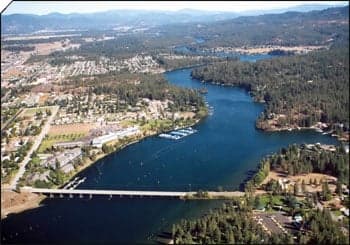
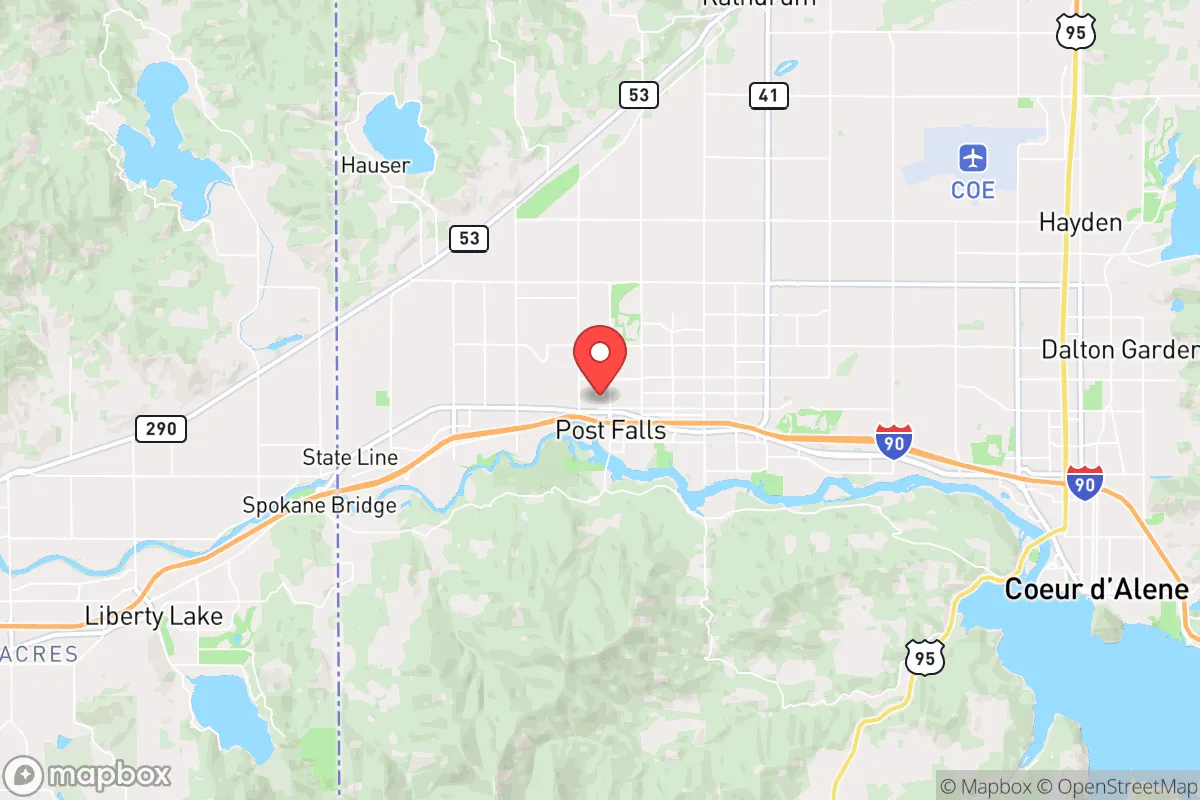
Photo: Wikipedia
Find The Best Places To Live
in Post Falls
PRO TIP! You can paste a Zillow or Redfin link to get info on that property.
What It's Like Living in Post Falls, ID
Post Falls, Idaho, has a reputation as the quieter, more practical sibling in the Coeur d’Alene metro area—less touristy, more blue-collar, and growing fast. With a population of roughly 41,700, it’s a place where people move for affordable housing relative to the region, a slower pace, and easy access to outdoor recreation, but where the small-town feel is starting to bump up against suburban sprawl.
Daily Rhythm: What Life Actually Looks Like
Most mornings here start with a commute—the average drive is about 22 minutes, which feels reasonable for the area. You’ll see a lot of pickup trucks and Subarus heading toward the industrial parks along Seltice Way or north toward the river. The big employers are manufacturing and logistics: Buck Knives has its headquarters here, and the Amazon fulfillment center in nearby Spokane Valley pulls a lot of workers across the state line. The median household income sits at $73,313, which is decent for the region, but the cost of living index is 128—well above the national average—so that paycheck doesn’t stretch as far as it used to. After work, people tend to head to the Spokane River for a quick kayak or to the Q’emiln Park trails. Weekends are often spent at the Post Falls Farmers Market (May through October) or grabbing a burger at the popular Hudson’s Hamburgers, a local institution since 1907. The median age is 34.6, so you’re looking at a young-to-mid-career crowd, many with kids in tow.
Sports, Community, and What People Do for Fun
High school sports are a genuine social anchor here. Post Falls High School football and basketball games draw solid crowds, especially when they play rival Coeur d’Alene or Lakeland. There’s no pro team in town, but locals are split between the Seattle Seahawks and the Spokane Chiefs (WHL hockey) for weekend watching. The biggest annual event is the Post Falls Festival in August, a three-day street fair with a parade, carnival rides, and live music at Corbin Park. For nightlife, it’s low-key: a few sports bars like Moose Lounge and Red Room Lounge are where you’ll find trivia nights and pool tables. The real entertainment is outdoors—the Spokane River Centennial Trail runs right through town, and the nearby Rathdrum Mountain trail system offers mountain biking and hiking. In winter, people drive 20 minutes to Silver Mountain Resort for skiing or snowboarding. The cultural scene is thin—no major music venue or theater—so most artsy types head to Coeur d’Alene or Spokane for concerts and plays.
Pros and Cons of Living Here
The upsides are genuine: low violent crime (159.7 per 100,000, well below the national average), good schools that serve as community hubs, and a location that puts you 30 minutes from Spokane International Airport and 15 minutes from Coeur d’Alene’s lake. The downsides are equally real. Traffic on Highway 41 and Seltice Way has gotten noticeably worse as the population has grown—expect delays during rush hour. The median home value is $425,100, which is steep for a town that’s not a resort destination, and only 23.4% of adults hold a bachelor’s degree, so the job market leans toward trades and service work rather than white-collar careers. Longtime residents grumble about the influx of out-of-state buyers driving up prices and the lack of a downtown core—Post Falls doesn’t have a walkable main street, just strip malls and big-box stores along the highway. The weather is classic Inland Northwest: hot, dry summers (90s are common) and cold, snowy winters (averaging 40 inches of snow), with a brief, beautiful spring and fall.
Who Fits In—and Who Might Not
This town works best for people who value affordability relative to the region (it’s cheaper than Coeur d’Alene but pricier than Spokane), outdoor recreation, and a conservative-leaning community. The political vibe is reliably red—Kootenai County voted heavily Republican in recent elections—and the culture is family-oriented, with a strong emphasis on church and school events. Singles might find the social scene limited unless they’re into hunting, fishing, or off-roading. Parents appreciate the school system, which is smaller and more community-connected than Spokane’s, but the lack of a downtown means teenagers often complain there’s “nothing to do.” The local identity is proudly blue-collar and independent—people wave at neighbors, leave doors unlocked, and grumble about California transplants. If you’re looking for a quiet, safe place to raise kids with easy access to mountains and rivers, Post Falls delivers. If you want nightlife, cultural diversity, or a walkable urban lifestyle, you’ll be driving to Coeur d’Alene or Spokane regularly.

Similar towns to Post Falls

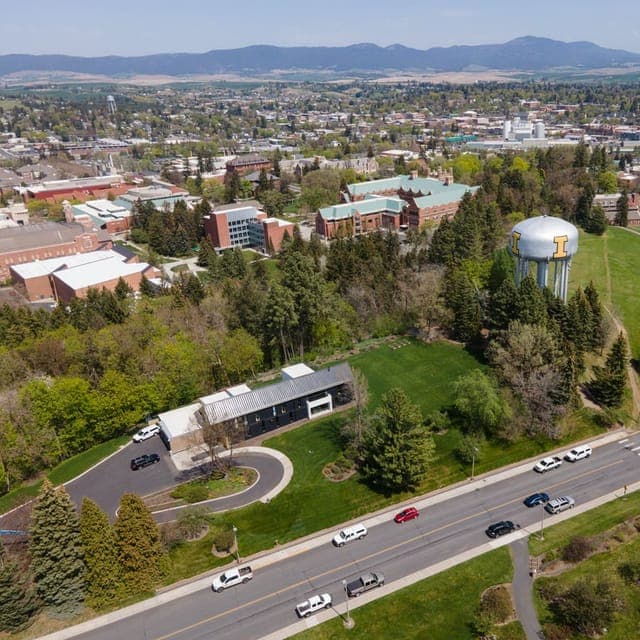
* Values derived from national, state, county, city and local statistics and may differ in a specific area. Last updated: 2026-04-19T05:23:42.000Z
Narrative content on this page is AI-generated and may contain mistakes. Verify any details that matter before acting on them.
ReloMaps may earn a commission from affiliate links at no extra cost to you.

