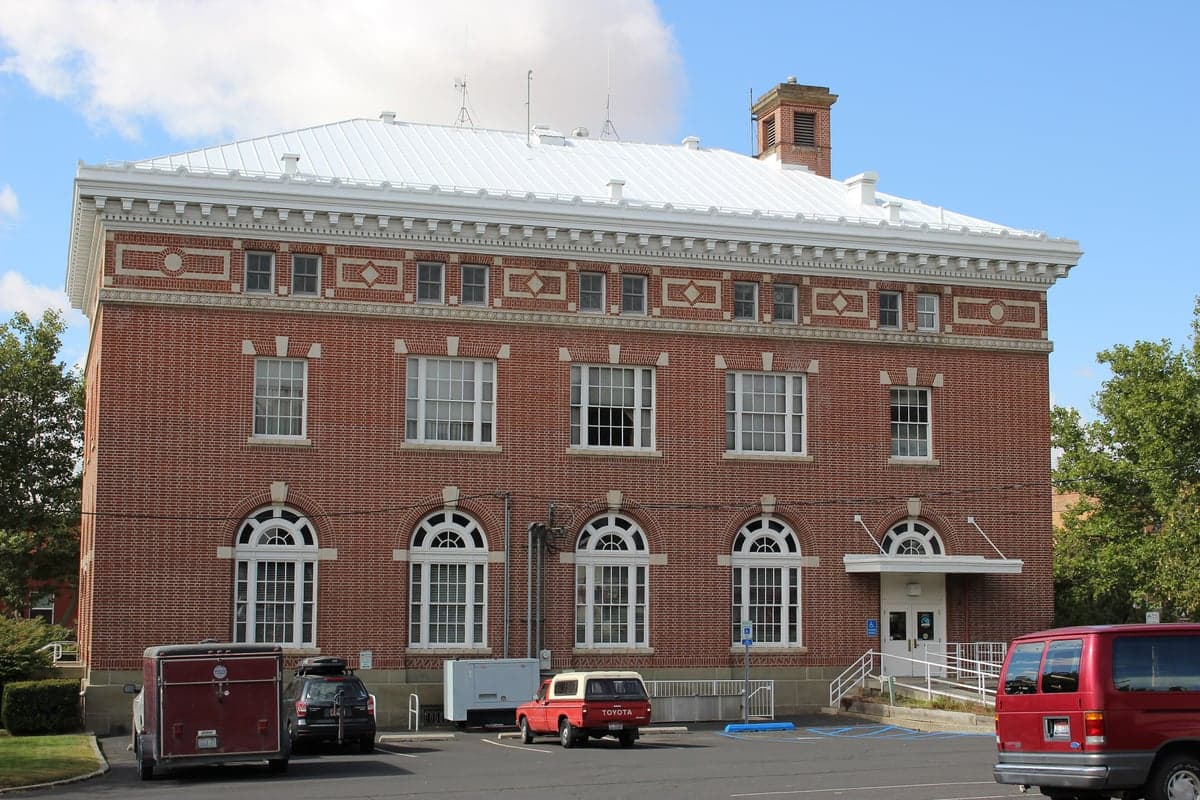
Photo: Wikipedia
Personal Sovereignty in Latah County
Viable for self-reliance. Generally workable, though some barriers may limit total independence.
What does Personal Sovereignty tell us?
Personal Sovereignty measures your capacity for self-reliance and independence with minimal government friction. Higher scores mean fewer barriers between you and the way you want to live... but it assumes you have the space you need and good neighbors.
What does this tell us?
Personal Sovereignty measures your capacity for self-reliance and independence with minimal government friction. Higher scores mean fewer barriers between you and the way you want to live... but it assumes you have the space you need and good neighbors.
State Policy
Energy independence: Importer (25% of energy produced in-state)
Personal Liberty
Homesteading

Personal Liberty Analysis
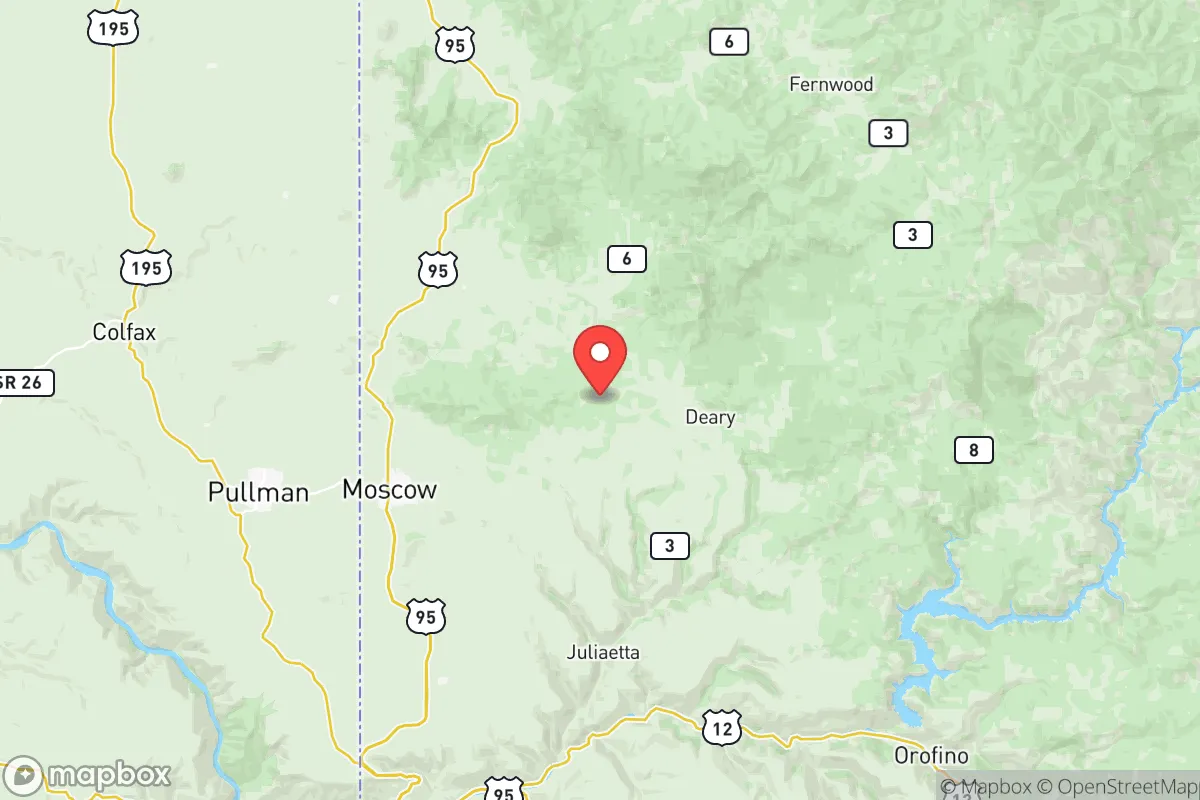
Latah County, Idaho, offers a notably high degree of personal sovereignty, blending a conservative-leaning state legal framework with a local culture that values self-reliance and limited government interference. While the county seat of Moscow introduces a slightly more progressive regulatory tone, the surrounding rural communities—including Troy, Juliaetta, and Potlatch—operate under a distinctly lighter touch, making the area a compelling option for individuals and families prioritizing autonomy. The county’s overall environment is defined by low state taxes, permissive self-defense laws, and a practical openness to homesteading, though specific local ordinances in Moscow warrant attention for those seeking maximum freedom.
Tax burden and regulatory posture in Latah County
Idaho’s state-level tax structure is among the most favorable in the nation for those seeking to keep more of their earnings. There is no state inheritance or estate tax, and the state income tax is a flat 5.8% as of 2026, with ongoing legislative pressure to reduce it further. Property taxes in Latah County are moderate, with the county’s average effective rate hovering around 0.7% of assessed home value—lower than the national average. However, the regulatory posture varies significantly within the county. The city of Moscow enforces a more detailed zoning code and building permit process, particularly within its urban growth boundary, which can slow or complicate home additions or new construction. In contrast, unincorporated areas and smaller towns like Deary and Kendrick have minimal zoning restrictions, allowing for greater flexibility in land use, accessory structures, and home-based businesses. The county’s overall approach is one of “light touch” outside city limits, with the Latah County Planning and Building Department generally deferring to property owners unless a clear public safety issue arises.
Self-defense and gun law specifics in Latah County
Idaho is a constitutional carry state, meaning no permit is required to carry a concealed firearm for anyone legally allowed to possess one. Latah County fully reflects this state posture, with no additional county-level restrictions on firearm ownership or carry. The sheriff’s office in Moscow is known for issuing enhanced concealed carry permits (which allow reciprocity in other states) efficiently and without unnecessary delay. Open carry is legal throughout the county, including in Moscow, though local ordinances prohibit firearms in certain public buildings and on school grounds. The county’s gun culture is robust, with multiple shooting ranges—including the Latah County Shooting Range near Moscow and private clubs in Potlatch—and a strong tradition of hunting for deer, elk, and upland birds. For those prioritizing self-defense autonomy, Latah County presents no meaningful barriers beyond state and federal law, and the local legal climate strongly supports the right to defend oneself in the home and in public.
Self-reliance and homesteading viability across Latah County
Homesteading and off-grid living are highly viable in Latah County, particularly outside Moscow’s city limits. Lot sizes in unincorporated areas can be as small as one acre for a single-family home, but many parcels in the Palouse region—especially around Troy, Juliaetta, and Deary—range from 5 to 40 acres, providing ample space for gardens, livestock, and small-scale agriculture. Zoning in these areas is permissive: keeping chickens, goats, or a family cow is generally allowed without special permits, and beekeeping is common. Off-grid feasibility is strong, though not without considerations. The county does not mandate connection to municipal water or sewer in rural areas, allowing for private wells and septic systems. Solar power is increasingly common, and net metering is available through Avista Utilities and Clearwater Power, though battery storage is recommended for full independence. The biggest regulatory hurdle is in Moscow itself, where city code restricts livestock and requires connection to city water and sewer. For those seeking true self-reliance, the rural towns of Potlatch and Kendrick offer the most permissive environment, with minimal building codes and a culture that values neighborly assistance over government oversight.
Personal liberties in Latah County: parental rights, medical autonomy, speech, and property
Idaho law strongly protects parental rights, including the right to direct a child’s education, medical care, and religious upbringing. Latah County has a growing homeschool community, with support groups in Moscow and Troy, and the state does not require notification or testing for homeschoolers—only a simple annual affidavit. Medical autonomy is similarly robust: Idaho has no state-level vaccine mandate for adults, and while school immunization requirements exist, philosophical exemptions are available. The county’s healthcare landscape includes Gritman Medical Center in Moscow and smaller clinics in Troy and Potlatch, but for specialized care, residents often travel to Spokane, Washington. Free speech protections are strong, with no local ordinances restricting political expression beyond standard time, place, and manner rules. Property rights are well-defended, with Idaho’s “right to farm” law protecting agricultural operations from nuisance lawsuits, a significant benefit for homesteaders. The only notable limitation is in Moscow, where a city noise ordinance and restrictions on outdoor burning can affect certain self-reliant activities, but these are minor compared to the overall freedom enjoyed in the county.
Overall, Latah County ranks among the more sovereignty-friendly areas in the Pacific Northwest, offering a blend of low taxes, strong self-defense rights, and practical homesteading opportunities that few other counties in the region can match. The key distinction is between Moscow’s slightly more regulated environment and the rural towns of Troy, Juliaetta, Deary, Potlatch, and Kendrick, where personal autonomy is maximized. For a conservative-leaning individual or family seeking a place where government stays out of daily life, Latah County delivers a high degree of personal sovereignty without the extremes of more remote, infrastructure-poor areas.

* Values derived from national, state, county, city and local statistics and may differ in a specific area. Last updated: 2026-08-25T13:55:50.000Z
Narrative content on this page is AI-generated and may contain mistakes. Verify any details that matter before acting on them.
ReloMaps may earn a commission from affiliate links at no extra cost to you.

