Photo: Wikipedia
Find The Best Places To Live in Minidoka County
PRO TIP! You can paste a Zillow or Redfin link to get info on that property.
Best Places to Live in Minidoka County
Cities & Towns in Minidoka County
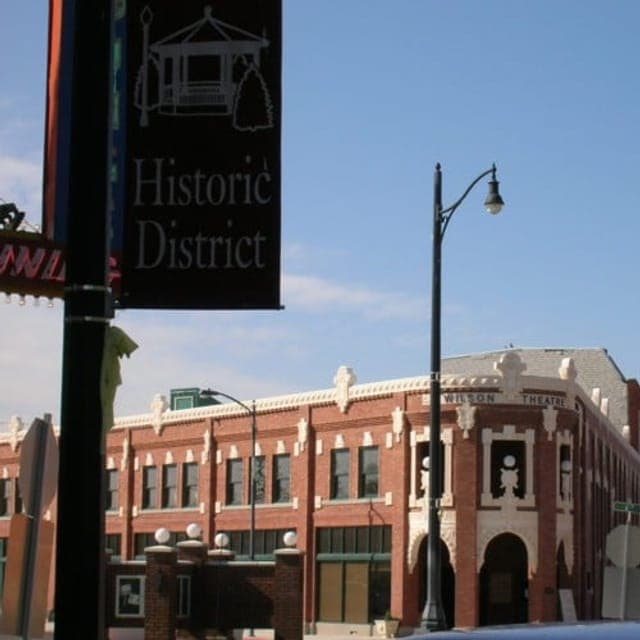
Cities in Minidoka County
What It's Like Living in Minidoka County, ID
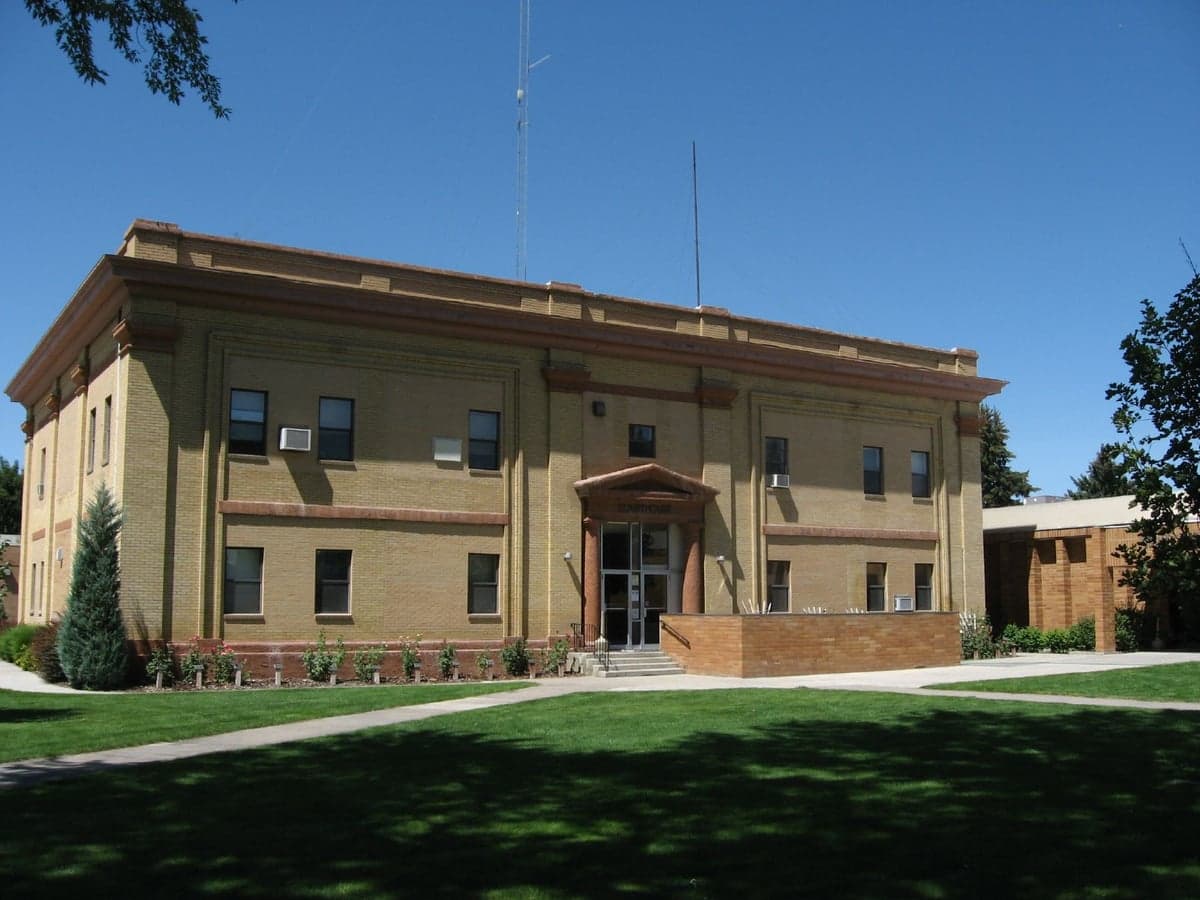
Living in Minidoka County feels a bit like stepping into a quieter, more deliberate chapter of the American West. It’s a place where the towns of Rupert, Heyburn, Paul, and Acequia each have their own distinct flavor, but share a common rhythm built around agriculture, family, and a deep sense of self-reliance. If you’re looking for a place where you can actually know your neighbors and the pace of life doesn’t feel like a race, this corner of south-central Idaho might surprise you.
The Daily Rhythm: Work, School, and the Weekend Reset
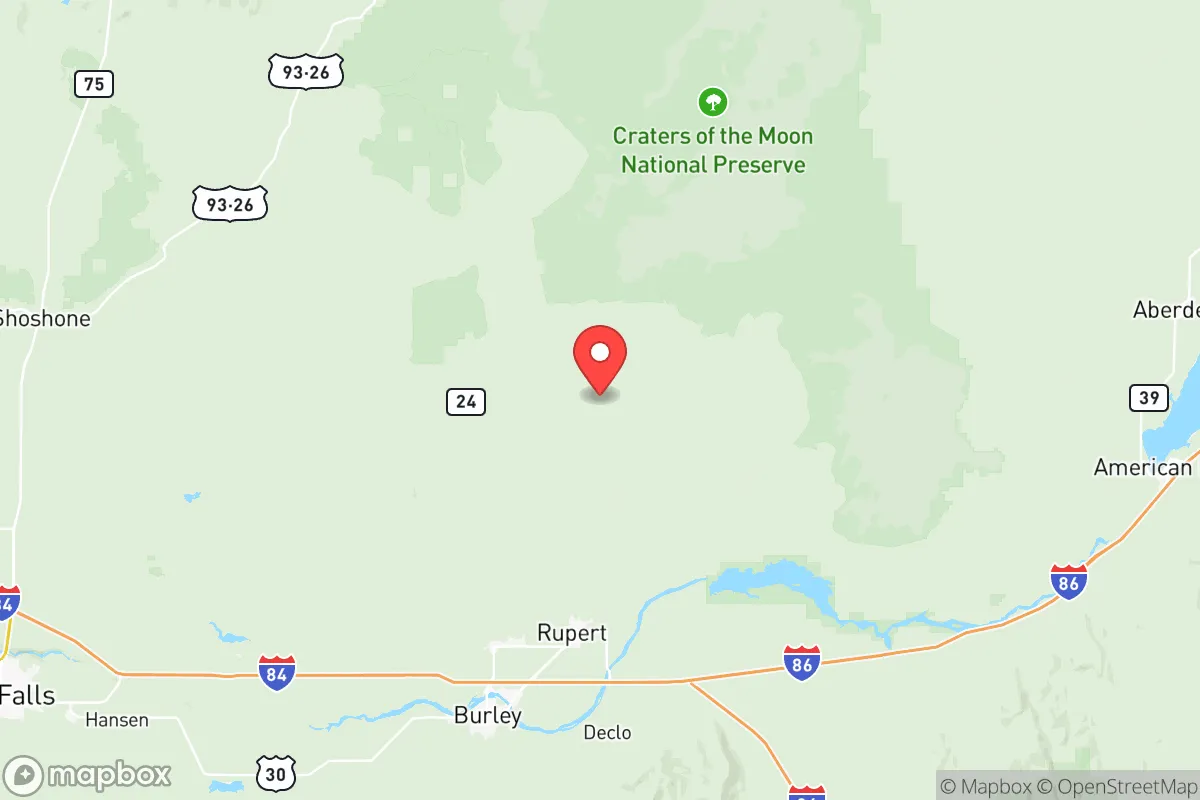
For most people here, the day starts early. The area’s economy is still rooted in farming—potatoes, sugar beets, and dairy operations are the backbone—so you’ll see trucks rolling through Rupert and Heyburn before sunrise. The average commute is just over 16 minutes, which means you’re not burning an hour of your life on the interstate. You can live in Paul, work at the McCain Foods plant in Burley (just across the Snake River in Cassia County), and still be home in time to help with homework. The median age is 34.5, reflecting a community of young families and established workers, not retirees. Weekends often revolve around youth sports, a trip to the Minidoka County Fairgrounds in Rupert, or a drive up to the Minidoka National Wildlife Refuge for some quiet. There’s no mall culture here; shopping is practical—think Ace Hardware, Ridley’s Family Market, and the occasional trip to Twin Falls (about 30 minutes west) for a Costco run.
Sports, Community, and the Local Identity
High school sports are the main event. Friday nights in the fall mean the Rupert Minico Spartans or the Heyburn Vikings are playing, and the stands are full of parents, grandparents, and former players. It’s not just a game—it’s the social calendar. Basketball and wrestling also draw big crowds through the winter. There’s no pro or college team within the county, but locals are split between Boise State and Utah State loyalties, with a healthy dose of support for the College of Southern Idaho Golden Eagles in Twin Falls. The cultural identity here is quietly proud and independent. You’ll see American flags on front porches and in truck beds, and the local 4-H and FFA programs are a big deal—kids in Acequia and Paul raise livestock for the county fair with the same seriousness that kids in bigger towns reserve for travel soccer. The annual Minidoka County Fair in August is the highlight of the summer, bringing together rodeo, demolition derbies, and a sense that this is a place that still celebrates its agricultural roots without apology.
What’s There to Do (And What’s Not)
Honestly, you have to make your own fun here. The Snake River is the big draw for outdoor recreation—fishing for bass and trout, floating in a kayak, or just walking the trails near the Minidoka Dam. The Minidoka National Wildlife Refuge is a hidden gem for birdwatchers and hikers, especially during migration seasons. For a night out, locals head to The Office Bar & Grill in Rupert for a burger and a beer, or to El Jalapeño in Heyburn for reliable Mexican food. There’s no music venue or theater to speak of—for a concert or a play, you’re driving to Twin Falls or, for a bigger show, Boise (two hours north). The lack of entertainment options is a real trade-off. But the trade-off is a cost of living index of 80—20% below the national average—and a median home value of $235,300, which means a family can actually afford a three-bedroom house on a single income of $70,060 (the county’s median household income). That math is hard to beat in 2026.
Pros and Cons of Living Here
- Pro: Genuine community. People look out for each other. If your car breaks down on Highway 24 near Acequia, someone will stop. The schools—Rupert’s Minico High School and Paul’s Paul Elementary—are the heart of the community, and parent involvement is high.
- Pro: Affordability. With a cost of living 20% below the U.S. average and home prices that are still under $250,000, you can actually build equity here. Rent is also reasonable, making it viable for single adults starting out.
- Con: Limited jobs and career growth. The economy is narrow. If you’re not in agriculture, healthcare, or education, you’ll likely commute to Twin Falls or Pocatello. Only 16.8% of adults hold a college degree, which reflects the blue-collar nature of the job market.
- Con: Isolation and weather. The nearest real city (Boise) is two hours away. Winters are cold and gray, with inversions that can trap fog and cold air for days. Summers are hot and dry. The violent crime rate of 215.5 per 100,000 is slightly above the national average, though most crime is property-related and concentrated in specific areas of Rupert.
Minidoka County isn’t for everyone. It’s for someone who values quiet, space, and a life where your reputation matters more than your resume. If you’re a single person who loves nightlife or a parent who wants your kid to have every possible extracurricular, this might feel limiting. But if you want a place where you can own a home, know your mailman, and watch your kids play in the street without worry, it’s worth a serious look.

* Values derived from national, state, county, city and local statistics and may differ in a specific area. Last updated: 2026-05-08T19:05:20.000Z
Narrative content on this page is AI-generated and may contain mistakes. Verify any details that matter before acting on them.
ReloMaps may earn a commission from affiliate links at no extra cost to you.

