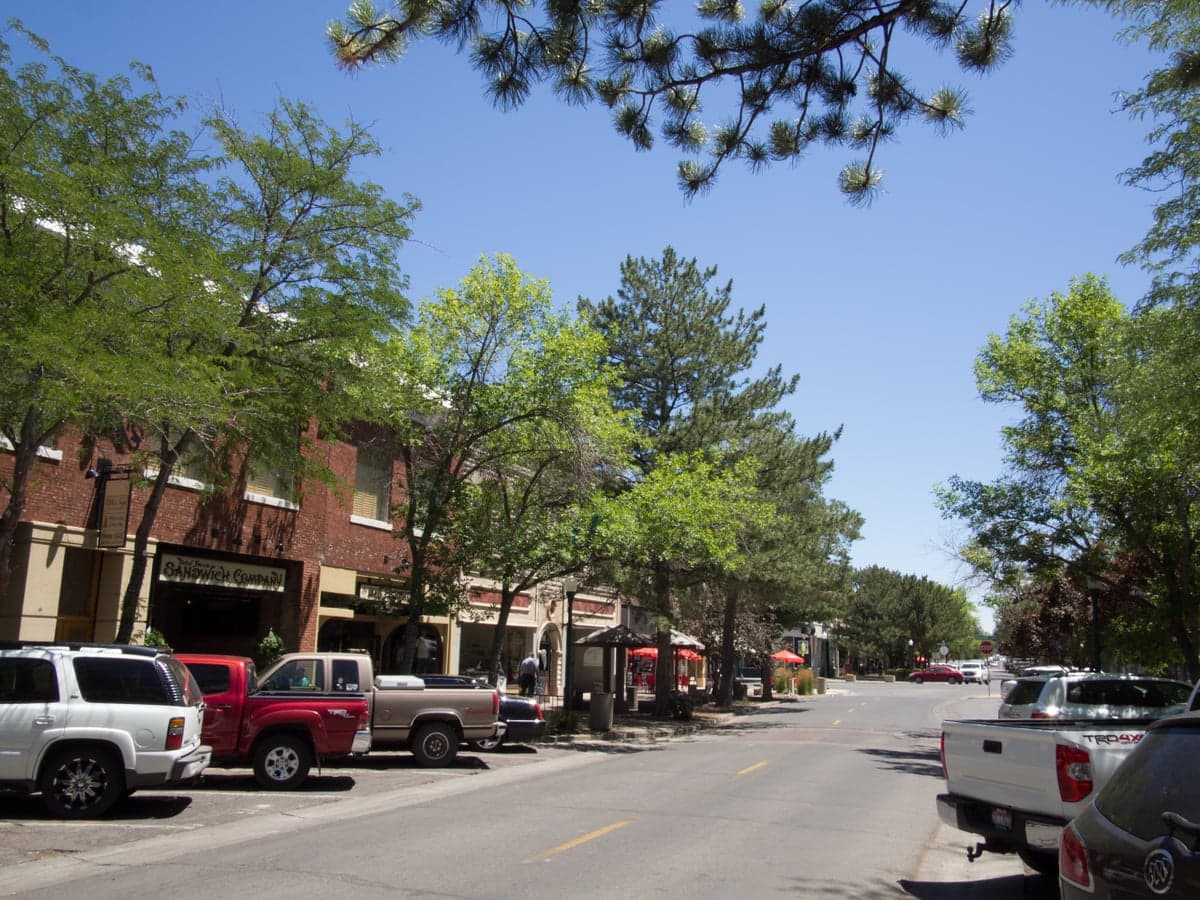
Photo: Wikipedia
Find The Best Places To Live
in Twin Falls
PRO TIP! You can paste a Zillow or Redfin link to get info on that property.
What It's Like Living in Twin Falls, ID
Twin Falls has a way of sneaking up on you. You might come for the Snake River Canyon views or a pit stop on the way to Sun Valley, but what sticks is how easy daily life feels here. It’s a town of about 53,000 people where the median age is 34.1 — young enough to have energy, old enough to be past the party phase. The kind of place where you recognize the barista at the coffee shop and your neighbor waves you into traffic. It’s not trying to be Boise or Salt Lake. It’s just Twin Falls, and that’s exactly the point.
Daily Rhythm: What People Actually Do Here
Most mornings start with a commute that averages under 16 minutes — one of the shortest in the state. People drive pickups and Subarus, grab coffee at Jake’s Brew House or Moxie Java, and head to work at Chobani, the hospital, or one of the local school districts. The median household income sits at $60,760, which goes further here than in most places because the cost of living index is 92 — 8 percent below the national average. That means a median home value of $279,400 gets you a three-bedroom with a yard, not a condo. Weekends revolve around the canyon: hiking the Perrine Bridge trail, watching BASE jumpers launch off the rim, or floating the Snake River. In winter, people ski at Magic Mountain (45 minutes north) or just hunker down with a book. The social scene is low-key — dinner at Elevation 486 for steak, drinks at Koto Brewing, or a show at the Orpheum Theatre. There’s no nightclub district, and nobody misses it.
Sports, Community, and What Brings People Together
High school sports are a big deal here. Twin Falls High School and Canyon Ridge High School pack bleachers on Friday nights for football, and the rivalry games draw the whole town. There’s no pro team within two hours, so the College of Southern Idaho Golden Eagles basketball and rodeo teams fill that gap — CSI’s rodeo program is nationally ranked and a genuine source of local pride. The Twin Falls Cowboys semi-pro baseball team plays at Sunway Park in the summer, and games feel like a county fair: cheap tickets, hot dogs, kids running the bases. The biggest annual event is the Twin Falls County Fair in nearby Filer, which brings carnival rides, demolition derbies, and 4-H livestock shows. In September, the Magic Valley Folk Festival takes over the city park with bluegrass and craft vendors. The cultural quirk here is that people are genuinely friendly but not nosy — they’ll help you jump-start your car but won’t ask about your politics.
What’s There to Do (and What’s Missing)
The outdoor access is the headline. The Snake River Canyon is the town’s backyard — you can hike, bike, kayak, or just sit on the rim and watch the sunset. The Centennial Waterfront Park has a walking trail, a disc golf course, and a boat launch. For a longer trip, Shoshone Falls (the “Niagara of the West”) is a 10-minute drive and genuinely impressive in spring runoff. Restaurants punch above their weight: Milner’s Gate for burgers, Jakers for prime rib, and La Fiesta for reliable Mexican. The Twin Falls Farmers Market runs May through October and is where you’ll find local honey, fresh produce, and handmade soap. What’s missing? A proper music venue bigger than the Orpheum (capacity 700), so big-name acts skip town. Shopping is mostly big-box along Blue Lakes Boulevard — no boutique district. And the violent crime rate is 407.1 per 100,000, which is higher than the national average and something locals will mention if you ask. Most of it is property crime and domestic incidents, not random street violence, but it’s worth knowing.
Pros and Cons of Living Here
The upsides are real: affordable housing, short commutes, genuine community, and world-class outdoor recreation. The downsides are honest: limited job diversity (healthcare, education, and manufacturing dominate), a thin cultural scene, and a conservative social fabric that can feel insular if you’re not from here. Only 22.7 percent of adults hold a college degree, which is below the national average, and that shows in the types of conversations you’ll overhear at the grocery store. Winters are cold but dry — highs in the 30s, lows in the teens — and summers hit the 90s with low humidity. Schools are solid but not exceptional; the Twin Falls School District is the community hub, with parent-teacher nights and sports events doubling as social gatherings. The kind of person who fits here is someone who values space over pace, wants a yard and a short drive to work, and doesn’t need a new restaurant every weekend. If that sounds like you, Twin Falls will feel like home faster than you expect.

Similar small cities to Twin Falls
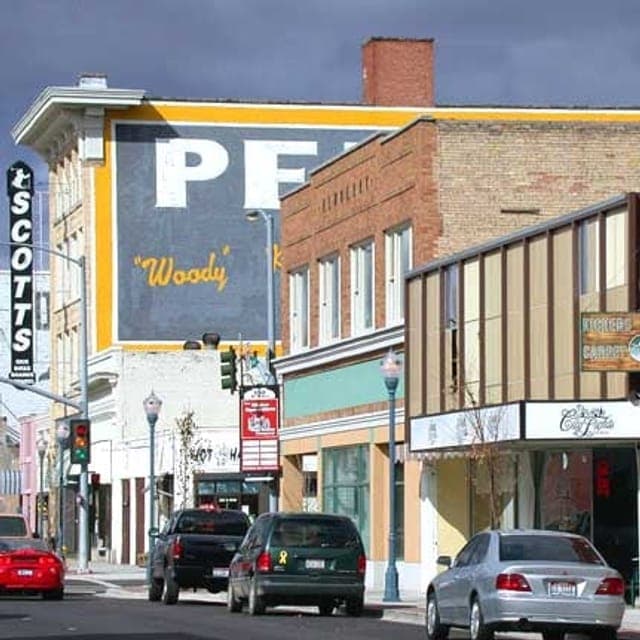
* Values derived from national, state, county, city and local statistics and may differ in a specific area. Last updated: 2026-04-29T23:27:09.000Z
Narrative content on this page is AI-generated and may contain mistakes. Verify any details that matter before acting on them.
ReloMaps may earn a commission from affiliate links at no extra cost to you.

