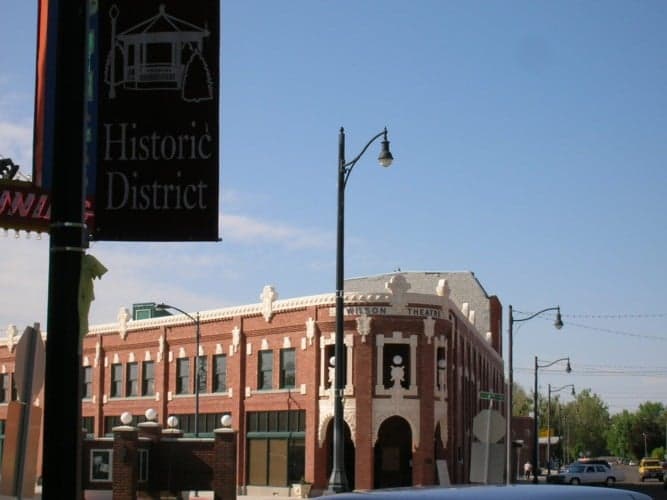
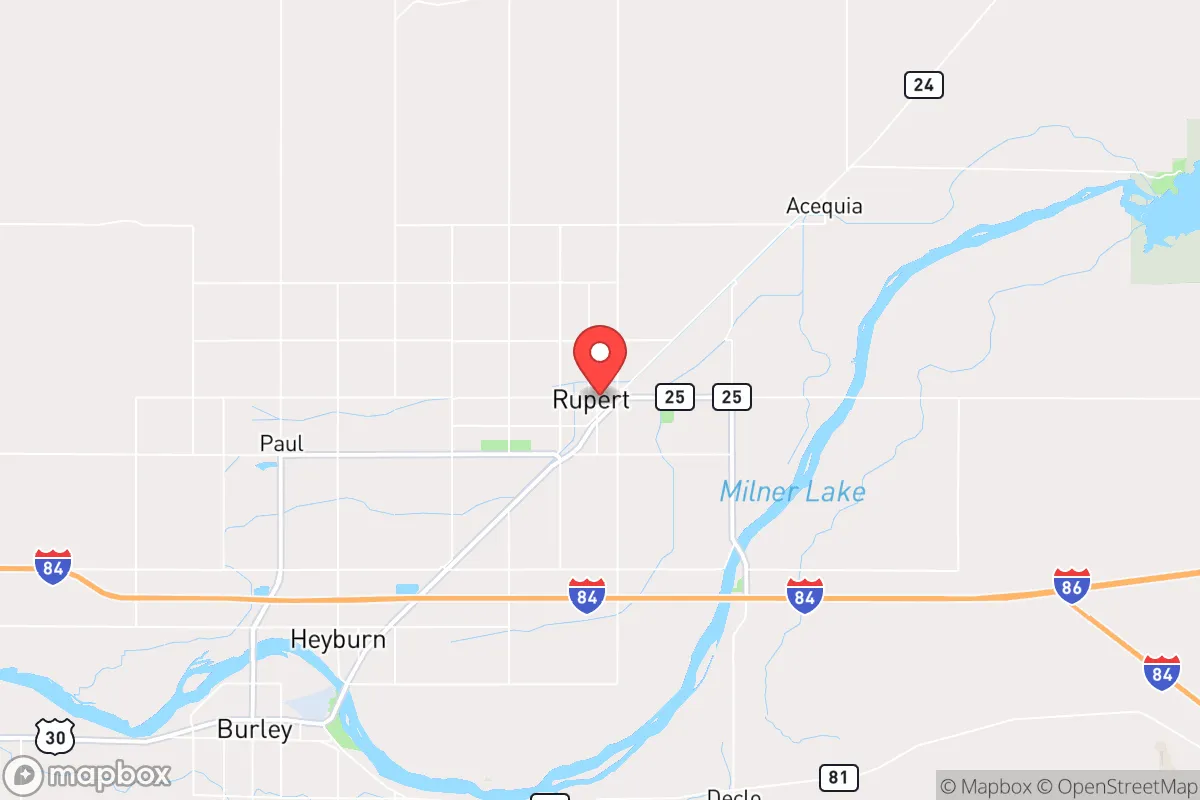
Photo: Wikipedia
Find The Best Places To Live
in Rupert
PRO TIP! You can paste a Zillow or Redfin link to get info on that property.
What It's Like Living in Rupert, ID
Living in Rupert, Idaho, feels a bit like stepping into a time capsule where the pace of life is slower, neighbors still wave from their trucks, and the biggest decision of the week might be whether to hit the Minidoka County Fair or grab a burger at the local drive-in. With a population just over 6,100 and a median age of 31.7, this is a young, working-class community where people know each other by name and the high school football game on Friday night is the social event of the week. It’s not flashy, but for the right person—someone who values affordability, space, and a straightforward lifestyle—Rupert offers a kind of quiet stability that’s increasingly hard to find.
The Daily Rhythm: Work, School, and the Drive to Twin Falls
Most mornings in Rupert start early. The town’s economy is rooted in agriculture—potatoes, sugar beets, and dairy—so a good chunk of the workforce is up before dawn. For those not farming, the biggest employers are the Minidoka County School District, the local hospital, and a handful of light industrial shops. A notable quirk: the average commute here is just over 21 minutes, which sounds short, but that’s because many residents drive west to Twin Falls (about 20 minutes away) for jobs at Chobani, Glanbia, or the retail corridor. That drive is a straight shot on Highway 24, and traffic is virtually nonexistent—rush hour means waiting through one extra light cycle at the intersection of 24 and Meridian Road.
After work, life centers on home and family. There’s no downtown nightlife to speak of—the liveliest spot is probably the Rupert Square, where you’ll find a grocery store, a pharmacy, and a couple of fast-food joints. For a real meal out, locals head to Los Dos Amigos for reliable Mexican food or Jakers Bar & Grill for a cold beer and a burger. On weekends, families hit the Minidoka County Fairgrounds for rodeos and 4-H events, or drive to the Snake River for fishing and floating. If you’re looking for a mall, a concert venue, or a trendy coffee shop, you’ll be disappointed—but if you want a yard big enough for a garden and a garage to tinker in, Rupert delivers.
Sports, Community, and the High School That Holds It Together
There’s no pro or college sports team within an hour, but that doesn’t mean sports aren’t a big deal here. Rupert High School football and basketball games are the town’s main entertainment, drawing crowds that pack the bleachers on fall Friday nights. The team competes in Idaho’s 3A classification, and the rivalry with nearby Shelley is genuinely intense—expect full stands and a lot of local pride. For younger kids, the Rupert Recreation District runs youth soccer, baseball, and softball leagues that keep families busy from spring through fall. If you’re not into sports, you might feel a little left out—community identity here is heavily tied to the school calendar.
The biggest annual event is the Minidoka County Fair in August, which brings carnival rides, livestock shows, and a demolition derby that’s surprisingly well-attended. There’s also the Rupert Rodeo, a smaller affair that still draws cowboys from across the region. These events are where you’ll see the town’s cultural identity most clearly: conservative, family-oriented, and proud of its agricultural roots. You won’t find a music festival or art walk, but you will find a community that shows up for each other—when a family’s barn burns down, the neighbors organize a fundraiser before the ashes cool.
What It Costs to Live Here—and What That Buys You
This is where Rupert really shines. The cost of living index sits at 69 (well below the national average of 100), and the median home value is $182,500. For that price, you’re getting a three-bedroom house on a quarter-acre lot, often with a detached garage and a yard that doesn’t require an HOA’s permission to fence. Rents are similarly low—a two-bedroom apartment runs around $800–$900. The trade-off is that median household income is $54,444, and only 8.1% of adults hold a college degree. This isn’t a place for high-earning professionals; it’s a place for people who work with their hands, run small businesses, or commute to higher-paying jobs in Twin Falls. If you’re a remote worker with a coastal salary, you’ll live like royalty—but you’ll also be an outlier.
The weather is a mixed bag. Summers are hot and dry, with July highs around 90°F, perfect for irrigation-fed gardens and evening barbecues. Winters are cold and gray, with January highs near 30°F and occasional snow that can shut down the town for a day or two. Spring and fall are brief but beautiful, with the Snake River Plain turning green and the nearby Minidoka National Wildlife Refuge offering decent birdwatching. One practical reality: you’ll need a reliable car with good tires, because the roads between Rupert and Twin Falls can get icy, and there’s no public transit.
Pros and Cons of Calling Rupert Home
What longtime residents love:
- Safety that feels real. The violent crime rate is 249.4 per 100,000—higher than the national average, but most crime here is property-related and concentrated in a few blocks near the highway. Most people leave their doors unlocked and kids still ride bikes to the park.
- Space and affordability. You can actually buy a house on a single income, and your nearest neighbor is far enough away that you don’t hear their TV.
- Community that shows up. When someone’s in need, the response is immediate and personal—not a GoFundMe link, but a casserole on the porch.
What frustrates them:
- Limited job options. If you don’t farm, teach, or work in healthcare, you’re likely commuting to Twin Falls or Burley. There’s no tech sector, no corporate headquarters, and few white-collar jobs.
- Entertainment desert. No movie theater, no bowling alley, no live music venue. For a night out, you’re driving 20 minutes or staying home.
- Lack of diversity. The population is overwhelmingly white and conservative. If you hold different political or cultural views, you may feel isolated—this is a place where church attendance is assumed, not questioned.
Rupert isn’t for everyone. It’s for people who want a low-cost, low-hassle life centered on family, work, and community—and who don’t mind driving a bit for a concert or a decent sushi roll. If that sounds like you, you’ll find a town that’s honest, hardworking, and quietly welcoming.

Similar small towns to Rupert
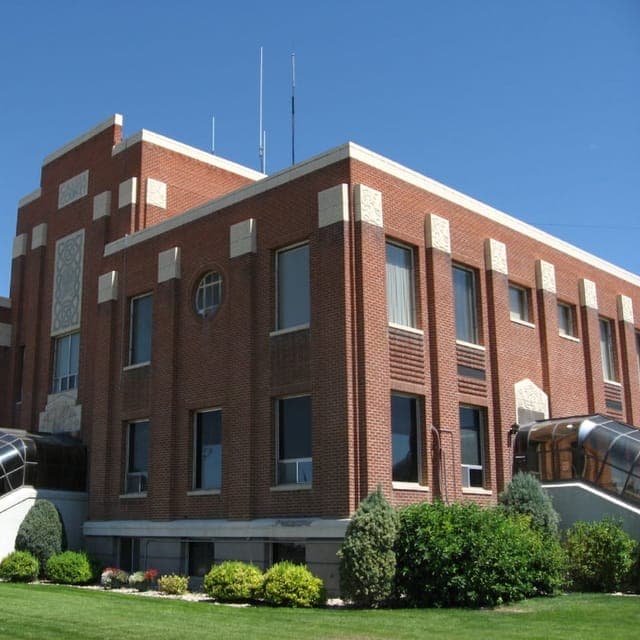
* Values derived from national, state, county, city and local statistics and may differ in a specific area. Last updated: 2026-04-21T09:13:53.000Z
Narrative content on this page is AI-generated and may contain mistakes. Verify any details that matter before acting on them.
ReloMaps may earn a commission from affiliate links at no extra cost to you.

