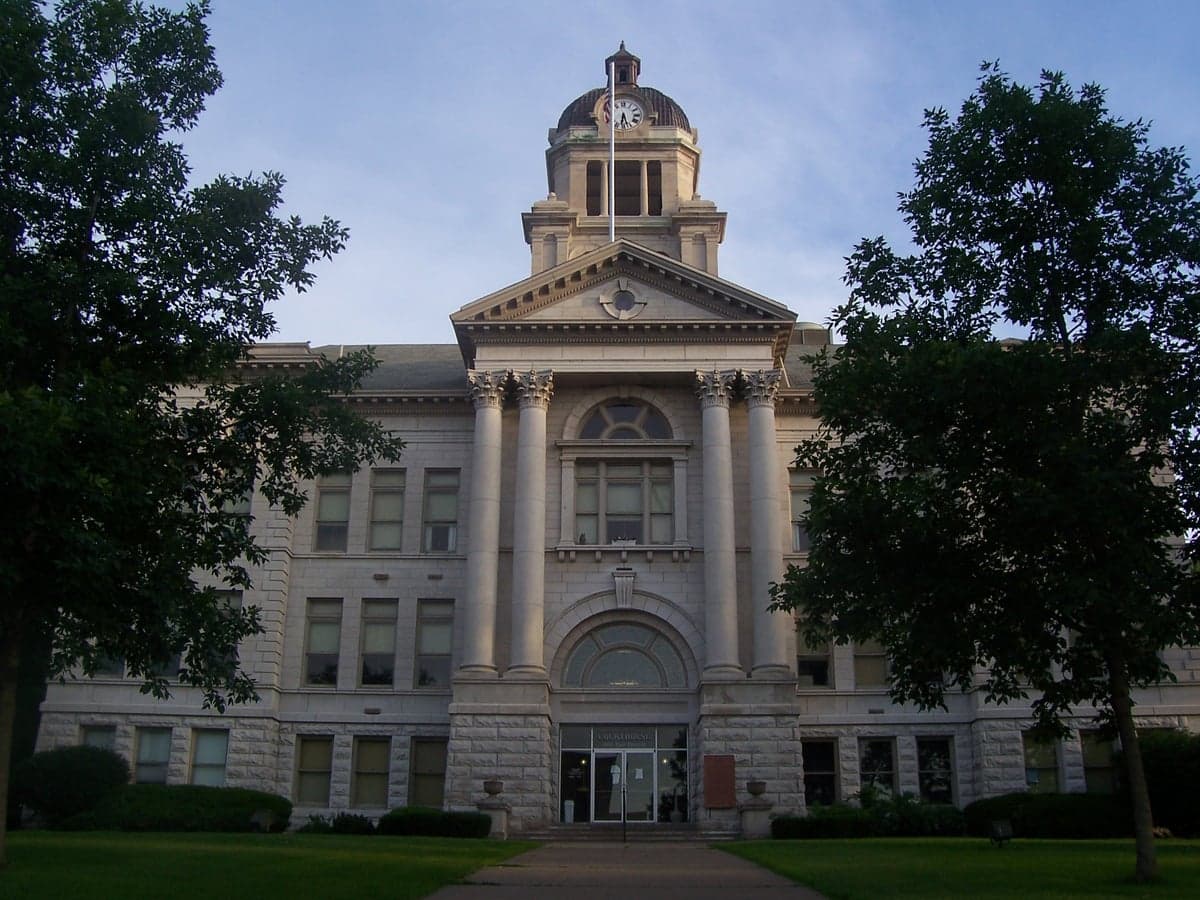
Photo: Wikipedia
Find The Best Places To Live in Muscatine County
PRO TIP! You can paste a Zillow or Redfin link to get info on that property.
Best Places to Live in Muscatine County
Cities & Towns in Muscatine County
Cities in Muscatine County
What It's Like Living in Muscatine County, IA
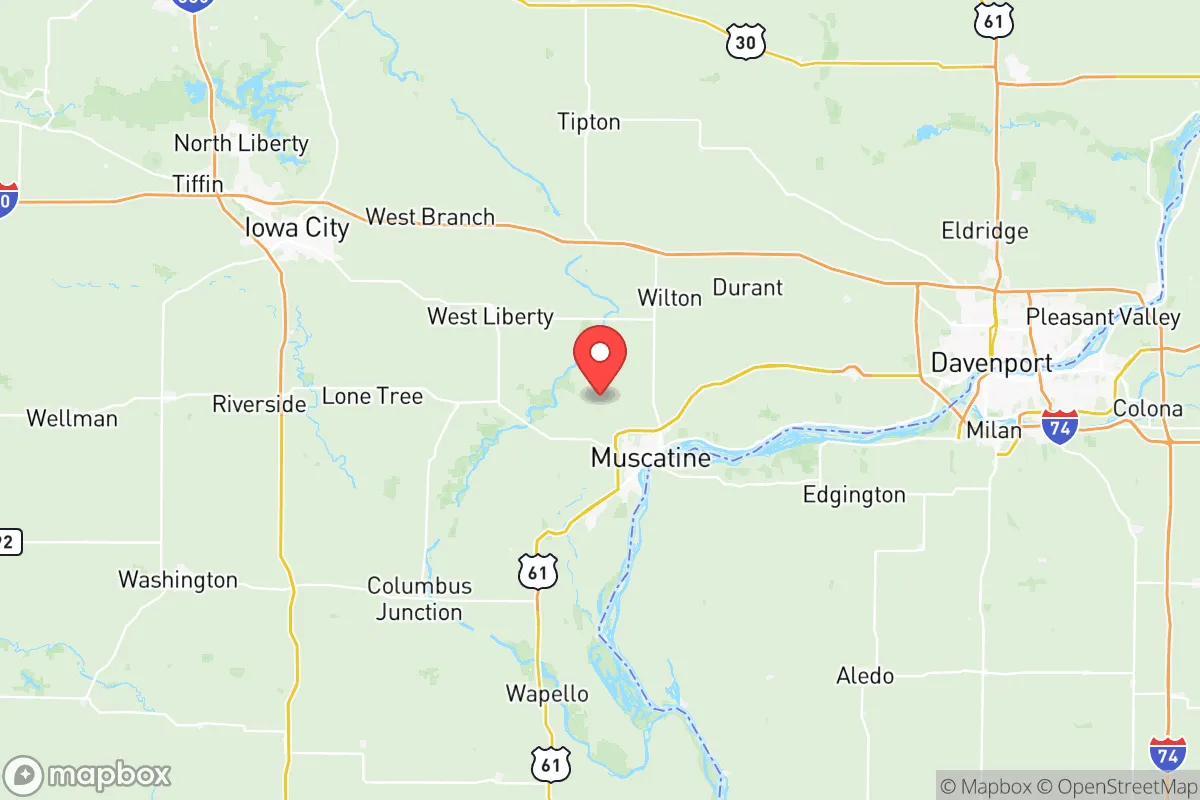
Living in Muscatine County means settling into a stretch of eastern Iowa where the Mississippi River shapes both the landscape and the local identity. The county’s anchor, Muscatine city, feels like a working river town that’s big enough to have a Walmart and a hospital but small enough that you still run into your kid’s teacher at Hy-Vee. Beyond the city limits, towns like Wilton, West Liberty, and Fruitland offer quieter, more rural rhythms, while the unincorporated areas along the river bottoms and farm roads give you space to breathe without being completely cut off from amenities.
Daily Rhythm: River Town Pace with a Practical Edge
Most mornings here start early, especially for the folks commuting to HNI Corporation or Monsanto—two of the county’s larger employers. The average commute clocks in at just over 19 minutes, which means you’re not burning an hour of your day on the interstate. People in Muscatine city tend to run errands along Grandview Avenue, where you’ll find the usual chain retailers alongside local spots like El Patron for Mexican food or Harvest Café for breakfast. In Wilton, Friday nights in the fall revolve around Wilton High School football, and the town’s annual Wilton Candy Kitchen—a genuine old-school soda fountain—has been a gathering spot since before World War I. West Liberty has a notably different flavor, with a strong Latino community that shows up in the taquerias and panaderías along 2nd Street, and the West Liberty Foods turkey processing plant is a major local employer.
For families, the school systems are a central part of daily life. Muscatine Community School District is the largest, but smaller districts like Wilton and West Liberty have their own identities and loyal followings. The county’s median age of 39.1 and median household income of $69,512 suggest a population that’s settled—people aren’t moving here for nightlife; they’re moving here to raise kids, buy a home, and have a manageable cost of living. With a cost of living index of 74—well below the national average—a median home value of $172,400 means a solid three-bedroom house is within reach for a lot of families, especially compared to pricier metros like Iowa City or the Quad Cities.
Sports, Community, and What People Actually Do for Fun
High school sports are the main event. Muscatine High School Muskies football and basketball games draw solid crowds, and the rivalry with Davenport West or North Scott can pack the stands. In Wilton, the Beavers’ wrestling program has a strong reputation, and the whole town tends to show up for playoff runs. There’s no pro sports team in the county, but the Quad Cities River Bandits (a minor-league baseball team) are a 30-minute drive east, and the University of Iowa Hawkeyes in Iowa City are about 45 minutes west—so college sports fandom is alive and well.
Outdoor life centers on the Mississippi. Wildcat Den State Park, just east of Muscatine city, offers hiking trails and sandstone bluffs that feel genuinely wild for the Midwest. The Muscatine Riverfront has a paved trail system popular for biking and walking, and the Pearl City Station area hosts the Muscatine Farmers Market during warmer months. For a night out, locals hit The Clubhouse for drinks and live music or Bier Stube for a quieter beer. The Muscatine Art Center is a surprisingly solid small-town museum, housed in a historic mansion, and it punches above its weight for a county this size.
Festivals are a big deal. Muscatine’s Melon City Festival in July celebrates the area’s agricultural history with a parade, carnival, and enough watermelon to feed an army. West Liberty’s Latino Heritage Festival in September draws people from across the region for food, music, and dancing. Wilton’s Christmas Walk is a small-town tradition that gets the whole downtown lit up and busy.
Pros and Cons of Living Here
The honest upsides are straightforward. Affordability is the headline: a cost of living index of 74 and a median home value under $175,000 means you can actually own a home on a single income. The commute is short, the schools are decent, and the Mississippi River gives the area a natural anchor that many inland Iowa counties lack. The violent crime rate of 229.1 per 100,000 is slightly above the national average, but in practice, most of that is concentrated in specific parts of Muscatine city—rural areas and smaller towns like Fruitland or Nichols feel very safe. Property crime is the bigger annoyance, especially car break-ins and shed thefts in the more populated areas.
The downsides are real, too. Entertainment options are limited—if you want a concert, a pro sports game, or a diverse restaurant scene, you’re driving to Iowa City or the Quad Cities. The county’s college-educated rate of 22.7% is below the national average, which reflects a workforce heavy on manufacturing and agriculture rather than tech or professional services. That’s fine if you work in those industries, but it can feel limiting for remote workers or people looking for white-collar jobs. Winters are gray and cold, and the river can bring fog and humidity that makes summer afternoons sticky. Traffic is never bad—the average commute of 19 minutes tells that story—but the roads can get dicey in winter ice, especially on the rural routes between Atalissa and Letts.
The kind of person who fits here is someone who values practicality over flash. You’re not moving to Muscatine County for the nightlife or the cultural cachet. You’re moving here because you want a house with a yard, a school where your kid isn’t a number, and a community where people still wave from their pickup trucks. It’s a place for people who are fine driving 30 minutes for a good dinner or a concert, because the trade-off is a life that doesn’t cost half your paycheck.

* Values derived from national, state, county, city and local statistics and may differ in a specific area. Last updated: 2026-05-12T11:13:28.000Z
Narrative content on this page is AI-generated and may contain mistakes. Verify any details that matter before acting on them.
ReloMaps may earn a commission from affiliate links at no extra cost to you.

