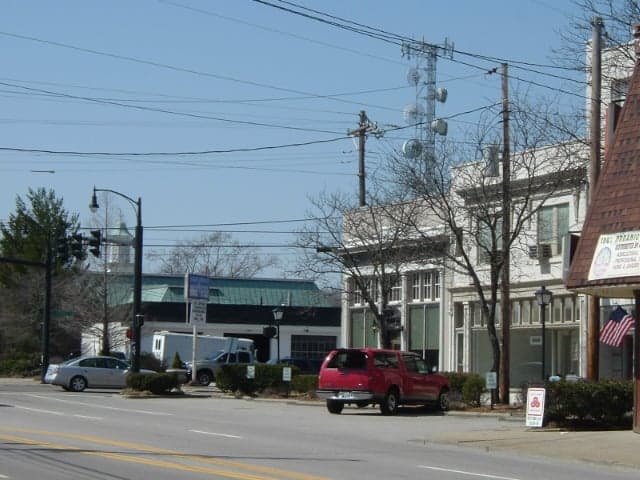
Photo: Wikipedia
Quality of Life in Jeffersontown, KY
A high quality of life with strong walkability, manageable living costs, healthy neighborhood signals, and solid amenity access.
What does Quality of Life tell us?
Quality of Life blends cost of living, nearby amenities, socioeconomic signals, and neighborhood character. City-level scores represent the whole municipality; individual neighborhoods can differ.
What does this tell us?
Quality of Life blends cost of living, nearby amenities, socioeconomic signals, and neighborhood character. City-level scores represent the whole municipality; individual neighborhoods can differ.
Cost of Living
2% below national average
The Real Cost of Living in Jeffersontown, KY for 2026
| Tier | Individual | Family (4) |
|---|---|---|
| Survival | $20k | $38k |
| Comfortable | $46k | $68k |
| Luxury | $105k+ | $164k+ |
| Elite (Top 5%) | $124k+ | $192k+ |
116%
The Area Signal
A metric tracking the socioeconomic signals of the area.
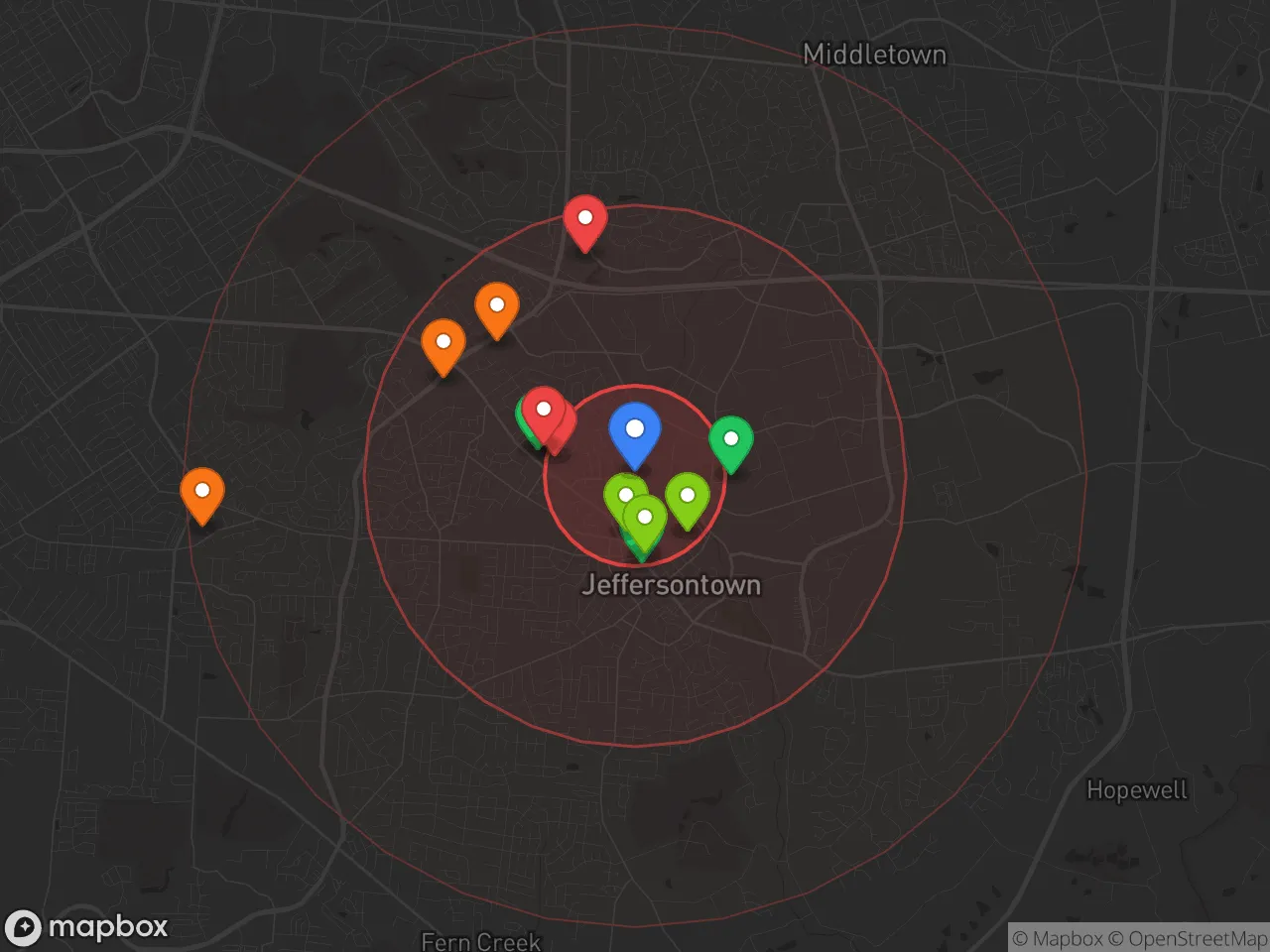
Hobbies
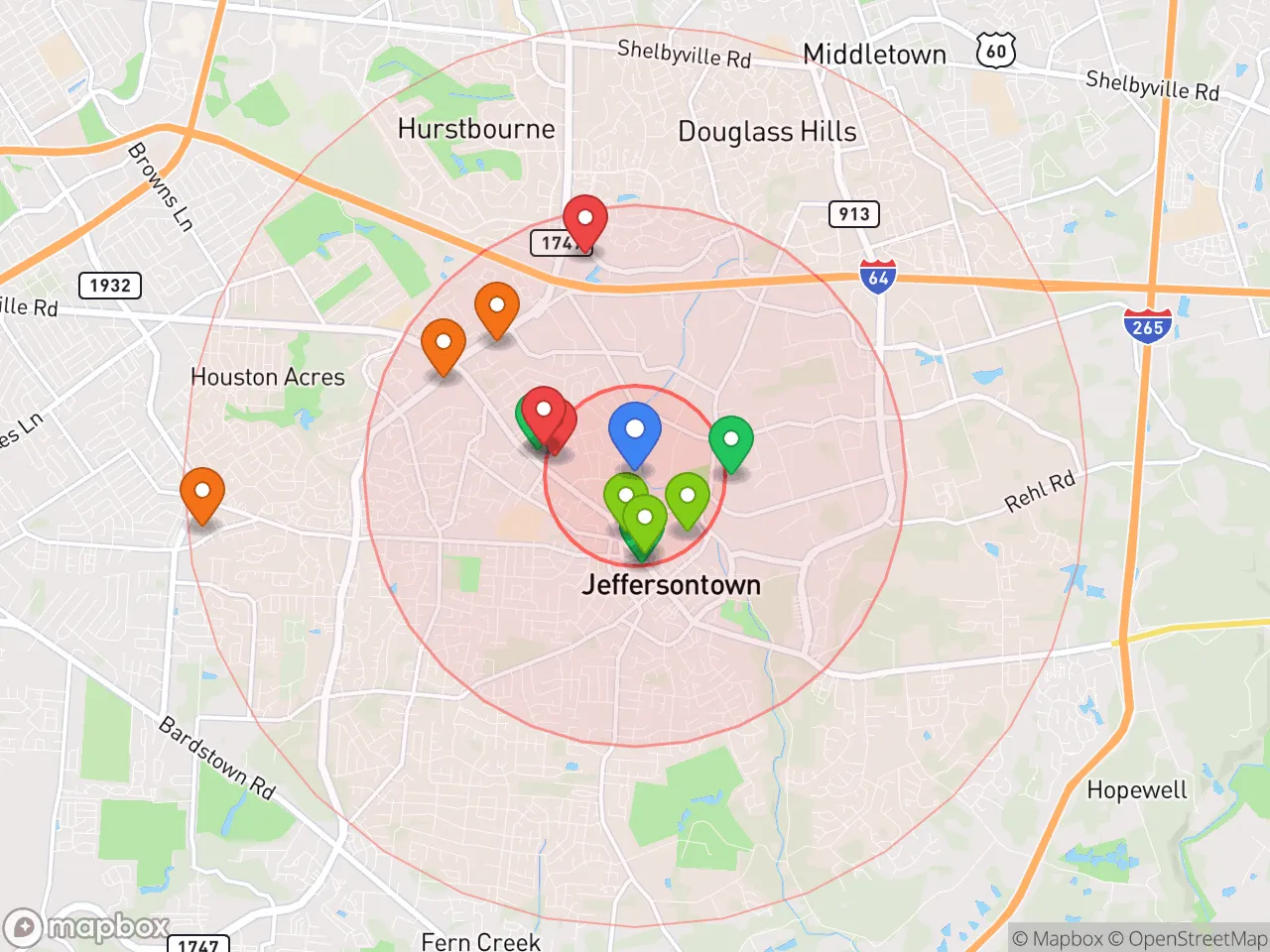
Explore the areaGroceries
6 within 10 miles
Gas
20 within 10 miles
Hospital
20 within 20 miles
Airport
Indianapolis International Airport
Post Office
USPS — Jeffersontown, KY
Critical Amenities
Quality-of-Life Analysis
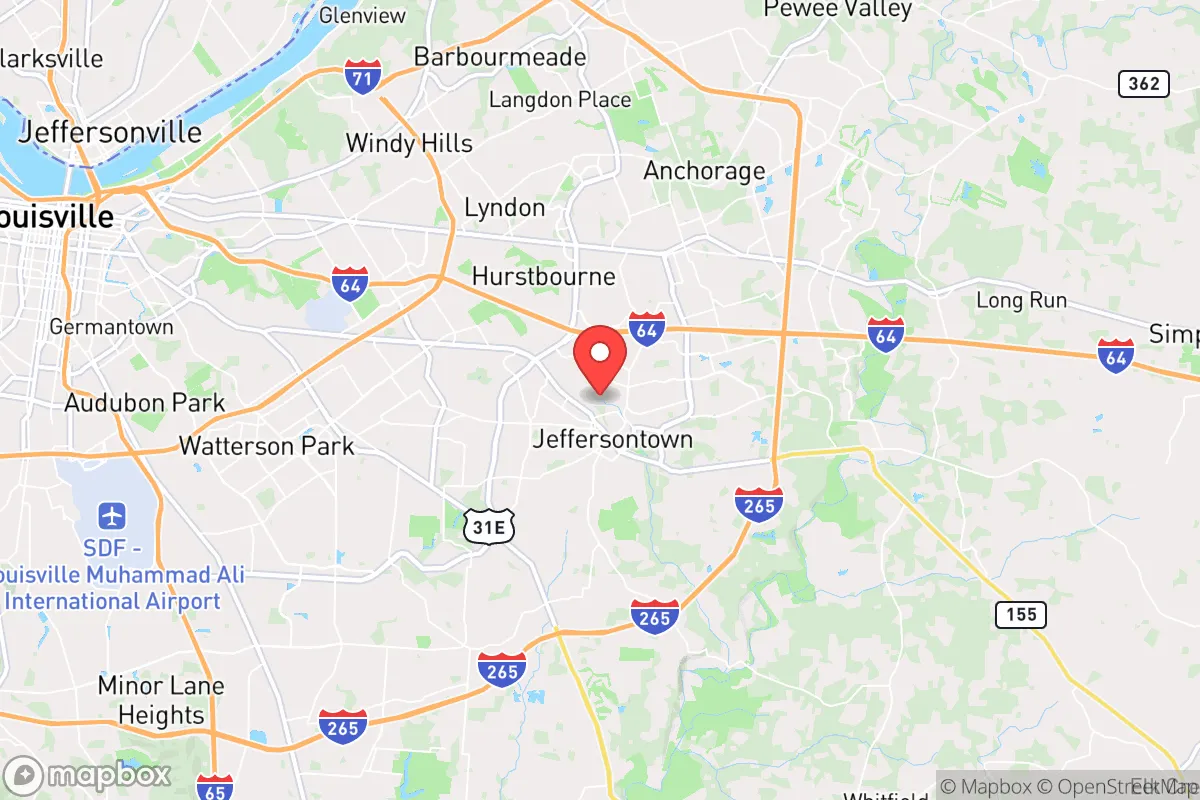
Jeffersontown, Kentucky, is an affluent eastern suburb of Louisville where the typical resident is a married homeowner in their mid-40s, often working in management, sales, or office administration. With a cost of living index of 98—just below the national average of 100—the community offers a notably higher quality of life than its price tag suggests, attracting families and professionals who want suburban space without sacrificing proximity to a major metro. The area’s median household income hovers well above the state average, and the population of roughly 28,000 is predominantly white, with growing diversity in younger age brackets.
Cost of living, housing affordability, and how Jeffersontown compares to Louisville
Jeffersontown’s cost of living index of 98 means everyday expenses—groceries, utilities, transportation—run slightly cheaper than the U.S. norm, but the real value lies in housing. The median home value of $236,800 is roughly 10% below the national median, yet the homes here are newer and larger on average than those in central Louisville. Median rent sits at $1,253, which is about $100 less than the national median rent, making it a strong option for renters who want a single-family home or a newer apartment complex. Compared to Louisville proper, where the median home value is around $190,000, Jeffersontown is pricier, but the trade-off is significantly lower crime rates and better-rated public schools. The average commute of 21.9 minutes is slightly longer than Louisville’s citywide average of 19 minutes, but still well under the national average of 26 minutes, thanks to easy access to I-64 and the Gene Snyder Freeway.
What daily life is like for families: schools, parks, and local amenities
Daily life in Jeffersontown revolves around its strong public school system, anchored by Jeffersontown High School and several elementary schools that consistently score above the Kentucky state average in reading and math proficiency. The city’s Jeffersontown Community Center and the adjacent Tom Sawyer State Park (a 550-acre facility with a wave pool, disc golf, and trails) are central to family routines, hosting youth sports leagues and summer camps. Retail is concentrated along Taylorsville Road and Hurstbourne Parkway, anchored by the Jeffersontown Commons shopping center, which includes a Kroger, a Target, and local restaurants like Mojito’s Latin Grill. The city also hosts the annual Gaslight Festival each August, a week-long event with a parade, carnival, and live music that draws thousands. For daily errands, the Jeffersontown Farmers Market operates May through October on Saturdays, offering local produce and crafts. The overall pace is slower than downtown Louisville, with most residents driving to work or school, but the city’s network of sidewalks and bike lanes is expanding, particularly near the newer subdivisions off Bluegrass Parkway.
Families seeking a safe, mid-priced suburb with strong schools and a genuine community calendar will find Jeffersontown a natural fit. Empty-nesters and retirees also gravitate here for the lower property taxes compared to Oldham County and the proximity to Louisville’s medical centers, including Norton Brownsboro Hospital and Baptist Health Louisville. Professionals working in Louisville’s east-end business parks—such as those along Hurstbourne Parkway or in the Bluegrass Research and Industrial Park—will appreciate the short commute and the ability to own a home with a yard for under $250,000. The city is less walkable than the Highlands or Crescent Hill, but for those who prioritize space, safety, and a predictable suburban rhythm, Jeffersontown delivers a quality of life that punches above its cost-of-living index.

Crime in Jeffersontown, KY
Generally safer than 61% of comparable U.S. locations.
Violent CrimeViolent Crime Analysis
Property CrimeProperty Crime Analysis
Crime Analysis
Jeffersontown, Kentucky, presents a mixed safety profile: its violent crime rate of 64.6 incidents per 100,000 residents is remarkably low—roughly one-fifth the national average—but its property crime rate of 2,144.9 per 100,000 sits notably higher than both state and national benchmarks. This contrast means residents generally face a very low risk of violent victimization, but must remain vigilant against theft, burglary, and vehicle break-ins. As a suburban city within the Louisville metropolitan area, Jeffersontown’s safety picture is also shaped by the broader regional justice environment, which leans progressive and raises concerns about recidivism and offender accountability.
Crime in context
Jeffersontown’s violent crime rate of 64.6 per 100,000 is exceptionally low—less than 20% of the U.S. average of roughly 380 per 100,000 and well below Kentucky’s state rate of about 230 per 100,000. This places Jeffersontown among the safest suburbs in the Louisville region for violent offenses like homicide, robbery, and aggravated assault. However, property crime tells a different story: at 2,144.9 per 100,000, the rate exceeds the national average (approximately 1,950) and is significantly higher than Kentucky’s state average of roughly 1,700. Larceny-theft and motor vehicle theft are the primary drivers, reflecting patterns common in suburban commercial corridors with easy highway access (I-64 and I-265). The juxtaposition of low violent crime and elevated property crime is typical of many Louisville-area suburbs, but the gap is wider here than in peer communities like Middletown or Lyndon.
What residents experience
For daily life, the data translates into a community where walking alone at night or leaving doors unlocked during the day feels generally safe from violent threats, but where opportunistic property crime is a real concern. Car break-ins and package thefts are the most frequently reported incidents, especially near retail hubs like the Jeffersontown Commons shopping center and along Taylorsville Road. The city’s police department maintains a visible presence and has invested in neighborhood watch programs, but the broader context matters: Jefferson County’s elected prosecutors and judges have adopted progressive policies—including diversion programs, reduced cash bail, and sentencing alternatives—that critics argue reduce deterrence and increase recidivism. For Jeffersontown residents, this means that even when property crime suspects are arrested, they may face minimal consequences and return to the community quickly, perpetuating a cycle of theft. This is a legitimate concern for families and businesses evaluating long-term safety.
Neighborhood-level variation is notable. Areas west of the Gene Snyder Freeway (I-265), particularly around the older subdivisions near Chenoweth Run, report slightly higher property crime rates due to proximity to major retail corridors. East of the freeway, in newer developments like the Forest Springs and Lake Forest communities, violent crime is virtually nonexistent and property crime rates drop closer to the national average. The city’s industrial zone along Bluegrass Parkway also sees occasional theft from vehicles and warehouses. Overall, Jeffersontown offers strong personal safety from violent crime, but the combination of elevated property crime and a lenient regional justice system warrants caution—especially for homeowners and renters who prioritize security of belongings and swift accountability for offenders.
* Values derived from national, state, county, city and local statistics and may differ in a specific area. Last updated: 2026-04-21T09:09:28.000Z
Narrative content on this page is AI-generated and may contain mistakes. Verify any details that matter before acting on them.
ReloMaps may earn a commission from affiliate links at no extra cost to you.

