
Photo: Wikipedia
Find The Best Places To Live
in Louisville
PRO TIP! You can paste a Zillow or Redfin link to get info on that property.
What It's Like Living in Louisville, KY
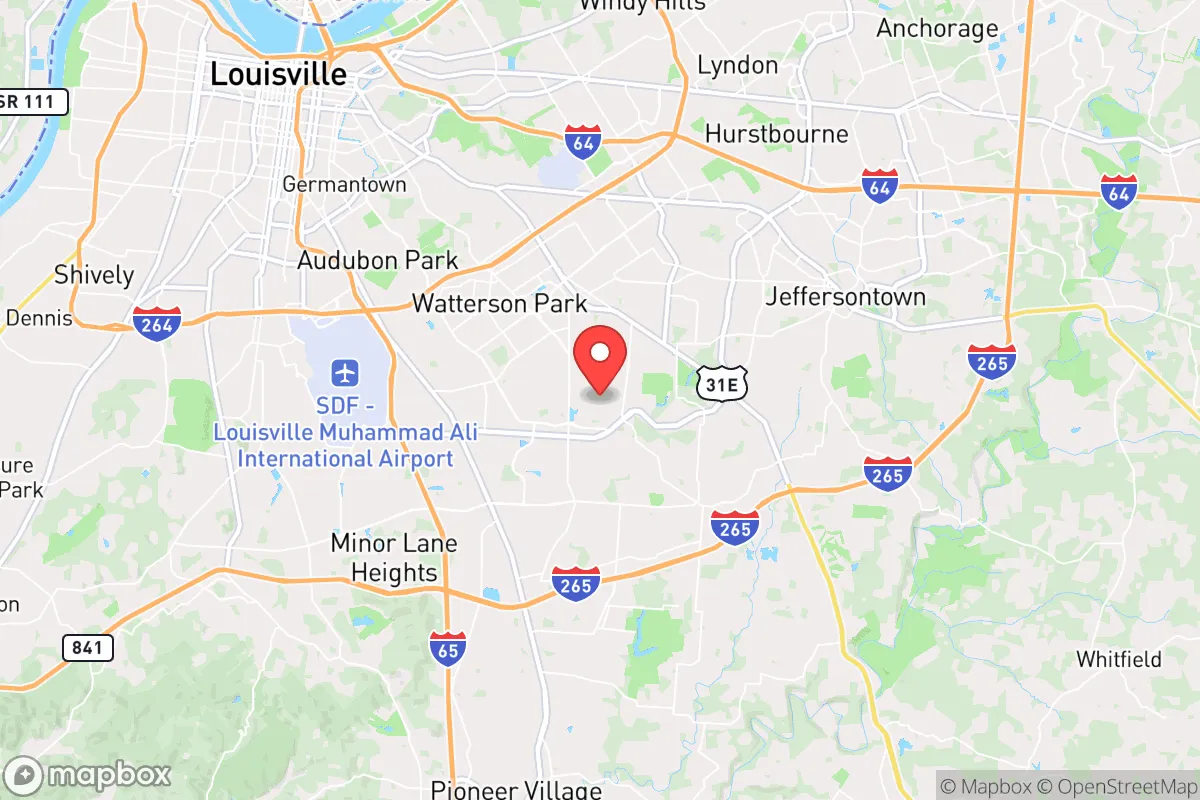
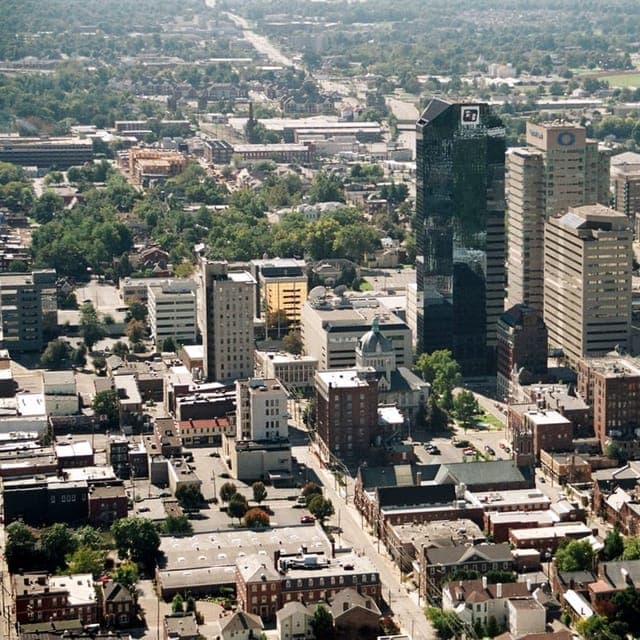
Louisville has a way of sneaking up on you. It’s not a flashy city, but after a few weeks here you start to notice the rhythm: the way people actually wave you into traffic, the smell of bourbon and woodsmoke drifting from a dozen different distilleries, and the fact that nearly every conversation eventually circles back to the Derby, the bats, or the best place to get a hot brown. It’s a midsized city with big-city amenities and a small-town social fabric, where you can run into your neighbor at the grocery store and still have a world-class orchestra playing downtown that same night.
The Daily Rhythm: Work, Commute, and Weekend Habits
Most people here live in one of the distinct neighborhoods that give Louisville its character—the Highlands with its Victorian houses and indie coffee shops, Crescent Hill with its quiet tree-lined streets, or the East End suburbs like Middletown and Prospect where the schools are strong and the yards are big. The average commute clocks in at just under 23 minutes, which means you can live in a walkable neighborhood like Clifton and still get to a job at Humana or GE Appliances in under 20 minutes. Weekends tend to revolve around food and the outdoors: you’ll find families at Cherokee Park on Saturday morning, couples grabbing brunch at Gralehaus or Toast on Market, and groups of friends hitting the Urban Bourbon Trail in the afternoon. The median household income is $64,731, which goes further here than in most cities—the cost of living index sits at 87, well below the national average, and the median home value of $221,500 means a young professional or a single parent can actually afford a decent house in a safe neighborhood without stretching every dollar.
Sports, Community, and the Things That Bring People Together
Sports are a genuine social glue here, not just background noise. The University of Louisville Cardinals dominate the conversation from September through March—basketball is practically a religion, and you’ll see U of L flags on porches year-round. The Louisville Bats (Triple-A affiliate of the Reds) play at Slugger Field downtown, and tickets are cheap enough that a family of four can go for under $40. But the real cultural anchor is the Kentucky Derby. The entire city spends two weeks leading up to the first Saturday in May in a kind of controlled chaos: the Kentucky Derby Festival includes a marathon, a steamboat race, and a massive fireworks show called Thunder Over Louisville that draws half a million people to the riverfront. If you’re not into horse racing, you still can’t avoid it—schools close for Derby Day, offices hold office parties, and even people who don’t gamble will place a $2 bet on a horse with a funny name. For those who prefer quieter traditions, the St. James Court Art Show in October turns Old Louisville into an open-air gallery, and the Forecastle Festival brings national music acts to Waterfront Park every summer.
What Frustrates Locals and What Keeps Them Here
No city is perfect, and Louisville has its share of honest frustrations. The violent crime rate is 584.3 per 100,000 residents, which is higher than the national average and something that comes up in conversations about where to live—most people avoid certain blocks west of 9th Street after dark, and property crime in some central neighborhoods is a real nuisance. The weather is another common complaint: summers are humid and sticky, winters are gray and damp, and you’ll get four seasons in a single week during March and November. Traffic isn’t terrible by big-city standards, but the Spaghetti Junction interchange where I-64, I-65, and I-71 meet can back up for 20 minutes on a random Tuesday afternoon. On the flip side, what keeps people here is the genuine sense of community. The median age is 37.7, which means you have a mix of young families, empty-nesters, and single professionals—there’s no dominant demographic that makes anyone feel out of place. About 33.4% of adults hold a bachelor’s degree or higher, so you’ll find plenty of people to have a real conversation with, but the city doesn’t feel pretentious or hyper-competitive. People stay because they can afford a life here that feels full without being frantic: a decent house, a good meal, a park to walk the dog, and neighbors who actually know your name.
Practical Realities: Schools, Weather, and the Quirks You’ll Learn to Love
If you have kids or are planning to, the school landscape is a mixed bag. Jefferson County Public Schools is the largest district in Kentucky, and quality varies dramatically by neighborhood—Atherton High School and duPont Manual are excellent, but some south-end schools struggle with funding and performance. Many families in the East End opt for private or parochial schools, and the Catholic school system here is robust. The weather shapes daily life more than you might expect: Derby season is gorgeous, but July and August are brutal enough that you’ll learn to plan outdoor activities for early morning or after sunset. One cultural quirk you’ll notice immediately is the obsession with local food. Louisville has a fierce loyalty to its own—KFC was born here, but locals will tell you to go to Momma’s Mustard, Pickles & BBQ or the Silver Dollar for real Kentucky cooking. The city also has a deep-rooted tradition of “Derby parties” that are basically block parties with mint juleps and fancy hats, and even if you’re not a horse person, you’ll find yourself owning a seersucker suit or a fascinator within your first year. It’s a place that rewards showing up, being friendly, and learning the local lingo—once you know the difference between a “bourbon ball” and a “Modjeska,” you’re officially a Louisvillian.

Similar mid-size cities to Louisville


* Values derived from national, state, county, city and local statistics and may differ in a specific area. Last updated: 2026-04-22T01:29:46.000Z
Narrative content on this page is AI-generated and may contain mistakes. Verify any details that matter before acting on them.
ReloMaps may earn a commission from affiliate links at no extra cost to you.

