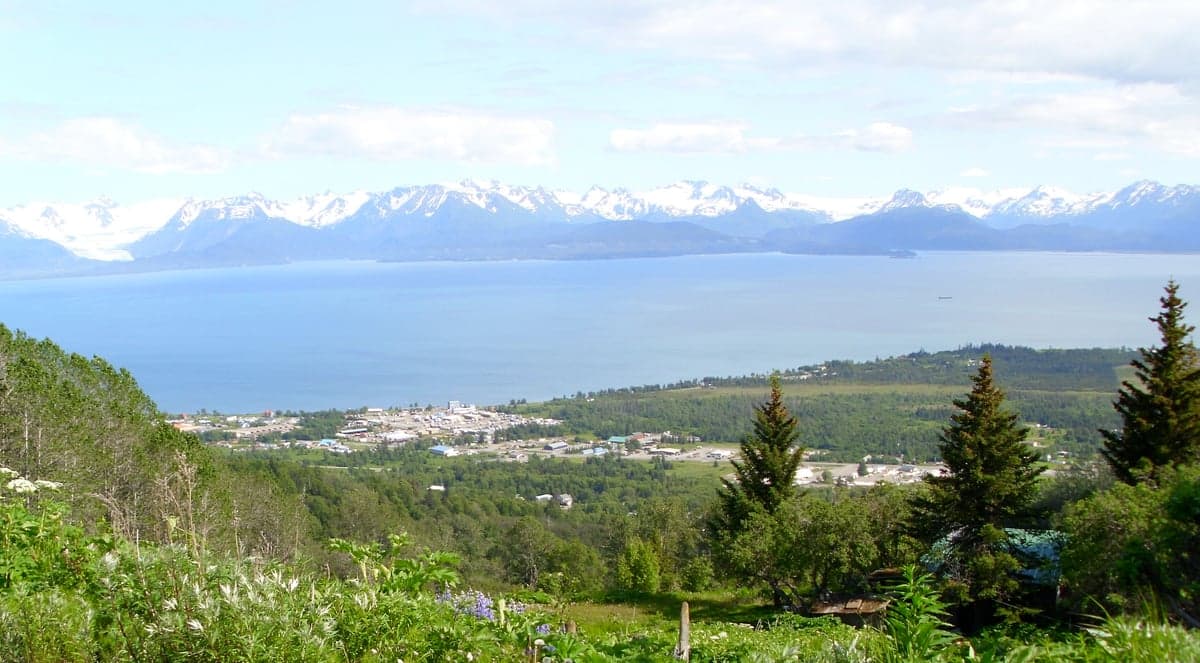
Photo: Wikipedia
Political ClimatePolitical Climate in Kachemak, AK
District shown is the primary district for this city’s centroid. Cities may span multiple districts.
Inherited from parent state — no local data available.
Local Political AnalysisPolitical Analysis of Kachemak, AK
Kachemak, Alaska, has long been a place where folks value their independence and don't take kindly to being told what to do, and that's reflected in its solidly conservative lean. The Cook Partisan Voting Index (PVI) for the area sits at R+6, meaning it votes about six points more Republican than the national average. That's not a fluke—it's a consistent pattern that's held steady even as some other parts of the state have flirted with more progressive ideas. If you're looking at the political trajectory here, it's not swinging left; if anything, the local resistance to government overreach has only hardened in recent years, especially around land use and resource extraction issues.
How it compares
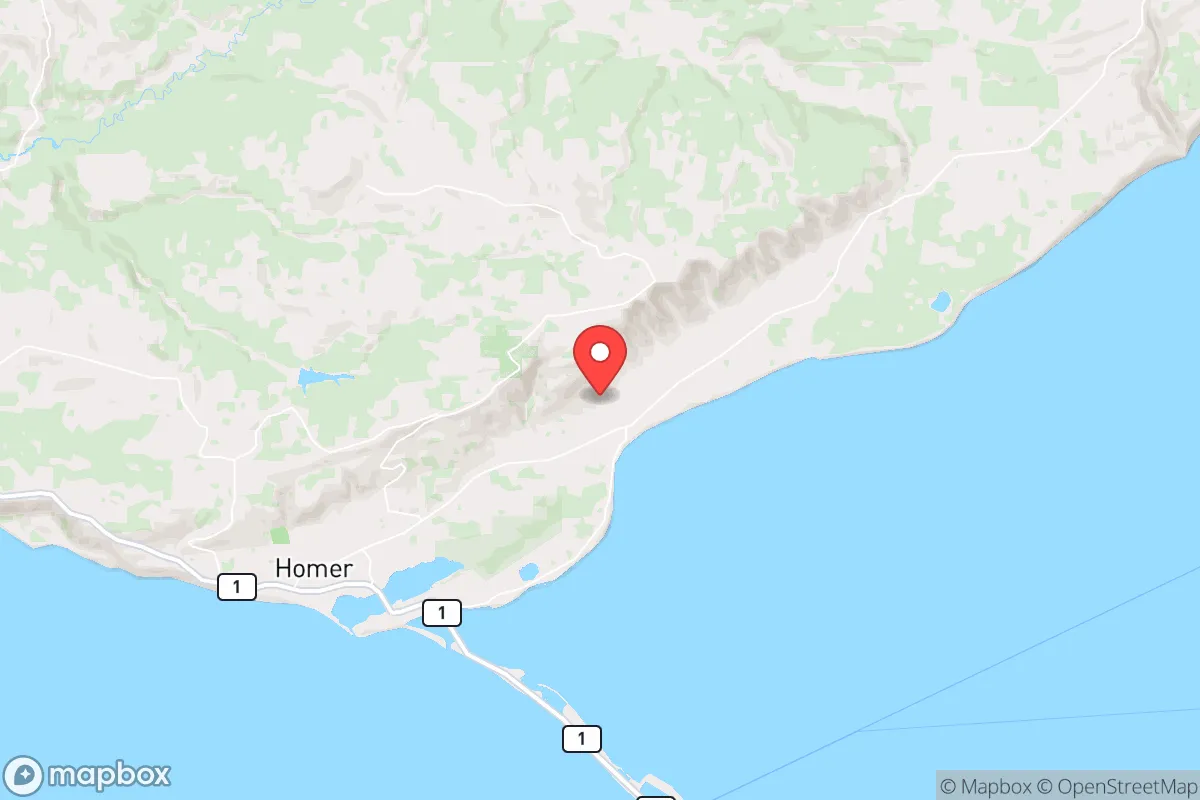
To really understand Kachemak's politics, you have to look at the surrounding communities. Homer, just a few miles down the road, has a much more mixed vibe—there's a noticeable artsy, environmentalist crowd there that pushes for stricter regulations on everything from fishing to building permits. That contrast is stark: Homer's city council debates often lean progressive, while Kachemak's borough meetings are dominated by talk of property rights and keeping government out of people's backyards. Further north, Anchorage is a whole different animal, with its urban sprawl and a political scene that swings between moderate and left-leaning. Kachemak, by contrast, feels like a holdout of old-school Alaskan libertarianism—where the attitude is "leave me alone, and I'll leave you alone." That R+6 rating doesn't capture the full picture; it's more like a cultural firewall against the creeping influence of outside ideologies.
What this means for residents
For the people who live here, the political climate translates directly into daily life. You're not going to see the kind of zoning overreach or business-killing mandates that pop up in more progressive towns. Property taxes stay low because the local government isn't itching to fund new social programs or green initiatives. The school board, for instance, focuses on basics like reading and math, not pushing controversial curriculum changes. There's a real sense that your personal freedoms—whether it's building a shed without a permit or hunting on your own land—are respected. But it's not all rosy; the downside is that services can be sparse, and if you need something like public transit or subsidized childcare, you're mostly on your own. That trade-off is fine for most residents, who'd rather keep their autonomy than get nickel-and-dimed by a bigger government.
One thing that's worth keeping an eye on is the long-term demographic shift. As more people move up from the Lower 48, especially retirees and remote workers, there's a slow trickle of folks who bring different political habits. So far, Kachemak's conservative core has absorbed them without much change, but if that influx picks up, you might see pressure to adopt policies that sound good on paper but end up restricting what you can do with your own property. The local elections are where that battle plays out, and it's a reminder that staying engaged is the only way to keep the place from drifting toward the kind of government overreach that's plagued other rural towns. For now, though, Kachemak remains a place where a handshake and a neighborly word carry more weight than a government mandate.

State Political ClimatePolitical Climate in Alaska
State Political AnalysisPolitical Environment in the State
Alaska has long been a unique political outlier, leaning Republican in federal elections but with a fiercely independent, libertarian streak that defies easy categorization. The state voted for Donald Trump by about 10 points in 2020 and 2024, but it also elected a moderate Republican-turned-independent governor, Mike Dunleavy, and has a history of sending mavericks like the late Senator Ted Stevens and current Senator Lisa Murkowski to Washington. Over the past 20 years, the dominant coalition has been a mix of resource-development conservatives, fiscal hawks, and rural Natives who prioritize subsistence rights, but the state has seen a slow, concerning drift toward progressive policies in Anchorage and Juneau, driven by an influx of remote workers and federal money.
Urban vs. rural divide
The political map of Alaska is starkly divided between its few urban centers and the vast, sparsely populated rural areas. Anchorage, home to about 40% of the state’s population, is the key battleground: the city’s Assembly has shifted left in recent years, with progressive Democrats winning seats in districts like West Anchorage and Midtown, while conservative strongholds in Eagle River and South Anchorage hold the line. Juneau, the capital, is reliably Democratic, driven by state employees and a growing progressive activist class. Fairbanks, the interior hub, leans Republican but has a notable libertarian streak, with voters often rejecting both party establishments. The real red meat of Alaska’s conservatism is in the Mat-Su Valley (Wasilla, Palmer, and the surrounding boroughs), which votes +30 to +40 points Republican and is the state’s fastest-growing region. Rural villages, from Barrow to Bethel, vote heavily Democratic due to strong tribal ties and federal dependency, but their turnout is low and inconsistent. The divide is not just partisan but cultural: urbanites push for expanded government services and environmental restrictions, while rural and suburban residents fight for resource extraction, property rights, and local control.
Policy environment
Alaska’s policy environment is a mixed bag for conservatives. The state has no income tax and no statewide sales tax, a huge draw for those fleeing high-tax states, but local municipalities like Anchorage and Juneau impose their own sales taxes, which have crept up. The Permanent Fund Dividend (PFD) is a sacred cash payment to every resident, but it has been repeatedly raided by the legislature to cover budget shortfalls, a clear sign of government overreach. On education, Alaska has a weak school choice environment—no vouchers and limited charter schools—though homeschooling is popular in rural areas. The state’s regulatory posture on energy is generally favorable: oil and gas development is the economic backbone, and the Dunleavy administration has fought to keep the Trans-Alaska Pipeline flowing and open the Arctic National Wildlife Refuge (ANWR) for drilling. However, the Biden administration’s restrictions on federal lands have choked new projects. Election laws are relatively free: Alaska uses a top-four primary system and ranked-choice voting, which was narrowly approved by voters in 2020 but is now under attack from conservatives who see it as a tool to dilute conservative votes. Healthcare is a sore spot: Alaska has the highest healthcare costs in the nation, and the state expanded Medicaid under the Affordable Care Act, a move many conservatives view as a costly entitlement trap.
Trajectory & freedom
Alaska is in a precarious position on freedom. On the positive side, the state has some of the strongest gun rights in the country: constitutional carry (no permit needed) was signed into law in 2013, and there are no magazine limits or "red flag" laws. Governor Dunleavy signed a parental rights bill in 2024 that requires schools to notify parents about curriculum involving sexuality, a win for family autonomy. Property rights are generally strong, though the federal government owns about 60% of the state’s land, creating constant friction over access and development. The concerning trend is the growth of government overreach in urban areas: Anchorage passed a mask mandate in 2021 that lasted longer than most, and the city council has debated sanctuary city policies for illegal immigrants, though none have passed. The ranked-choice voting system, pushed by out-of-state progressive groups, has already led to the election of a Democrat, Mary Peltola, to the U.S. House in 2022, a seat that had been Republican for decades. The state’s budget has ballooned with federal COVID relief money, and the PFD has been cut by over 50% in some years, a clear erosion of personal economic freedom. The trajectory is mixed: rural Alaska remains fiercely independent, but the urban centers are importing progressive policies from the Lower 48.
Civil unrest & political movements
Alaska has seen relatively little civil unrest compared to the Lower 48, but there are flashpoints. The most visible is the ongoing battle over the Pebble Mine in Bristol Bay, which has pitted pro-development conservatives against environmental activists and tribal groups; protests have been small but persistent. The "Free the PFD" movement, led by conservative activists, has organized rallies in Anchorage and Wasilla to demand the legislature restore the full dividend, a populist issue that resonates across party lines. On the left, the Alaska Democratic Party has become more aggressive, with groups like the Alaska Center pushing for renewable energy mandates and restrictions on oil drilling. Immigration politics are muted because Alaska has a tiny foreign-born population, but the debate over sanctuary policies in Anchorage has sparked heated city council meetings. Election integrity is a hot topic: after the 2020 election, conservative groups raised concerns about the ranked-choice voting system, and a 2024 ballot initiative to repeal it narrowly failed. There is no serious secession movement, but a strong strain of "Alaska First" rhetoric exists, especially among rural residents who feel ignored by both Juneau and Washington. The most visible political movement is the Alaska Libertarian Party, which has a small but vocal presence, particularly in Fairbanks and the Mat-Su Valley.
Projection
Over the next 5-10 years, Alaska’s political trajectory will be shaped by two forces: in-migration from blue states and the decline of the oil industry. Remote workers and retirees from California and Washington are moving to Anchorage and Juneau, bringing progressive voting habits and demanding more government services. At the same time, the Mat-Su Valley and Fairbanks are growing faster, driven by families seeking lower costs and conservative values. The oil industry, which funds about 80% of the state budget, is in long-term decline due to federal restrictions and global energy transitions, which will force painful budget cuts or new taxes—a major threat to personal freedom. The ranked-choice voting system will likely survive, meaning more moderate and independent candidates will win, frustrating both hardcore conservatives and progressives. The PFD will continue to be a political football, with the legislature likely to keep it suppressed to fund government growth. A new resident moving in now should expect a state that is still freer than most, but with a clear trend toward urban progressive policies, higher local taxes, and a shrinking resource economy. The rural and suburban areas will remain conservative strongholds, but they will have less political power as Anchorage’s population grows.
For a conservative considering a move to Alaska, the bottom line is this: the state offers unmatched personal freedom in terms of gun rights, no income tax, and wide-open spaces, but you must be strategic about where you settle. The Mat-Su Valley (Wasilla, Palmer) and Fairbanks are your best bets for a like-minded community and local governance that respects property rights and limited government. Avoid Anchorage and Juneau if you want to escape progressive policies like high local taxes, sanctuary city debates, and overreaching health mandates. The state’s long-term trajectory is concerning, but for now, Alaska remains one of the last redoubts of American liberty—if you choose your patch of ground wisely.
* Values derived from national, state, county, city and local statistics and may differ in a specific area. Last updated: 2026-04-19T19:25:26.000Z
Narrative content on this page is AI-generated and may contain mistakes. Verify any details that matter before acting on them.
ReloMaps may earn a commission from affiliate links at no extra cost to you.

