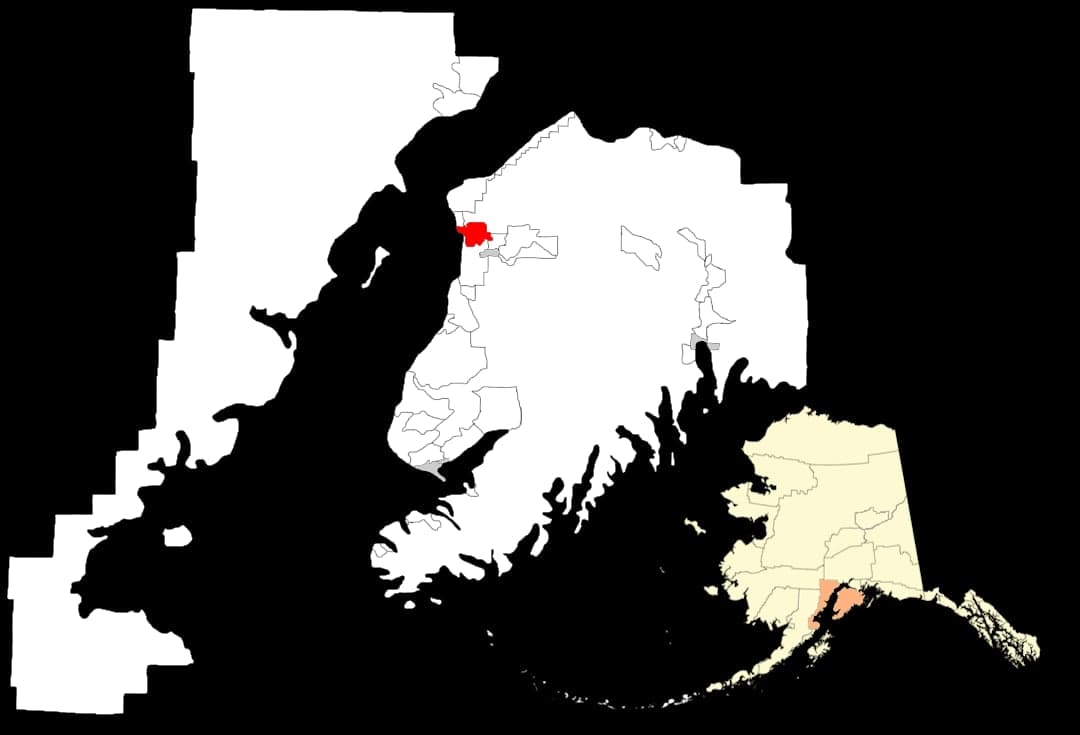
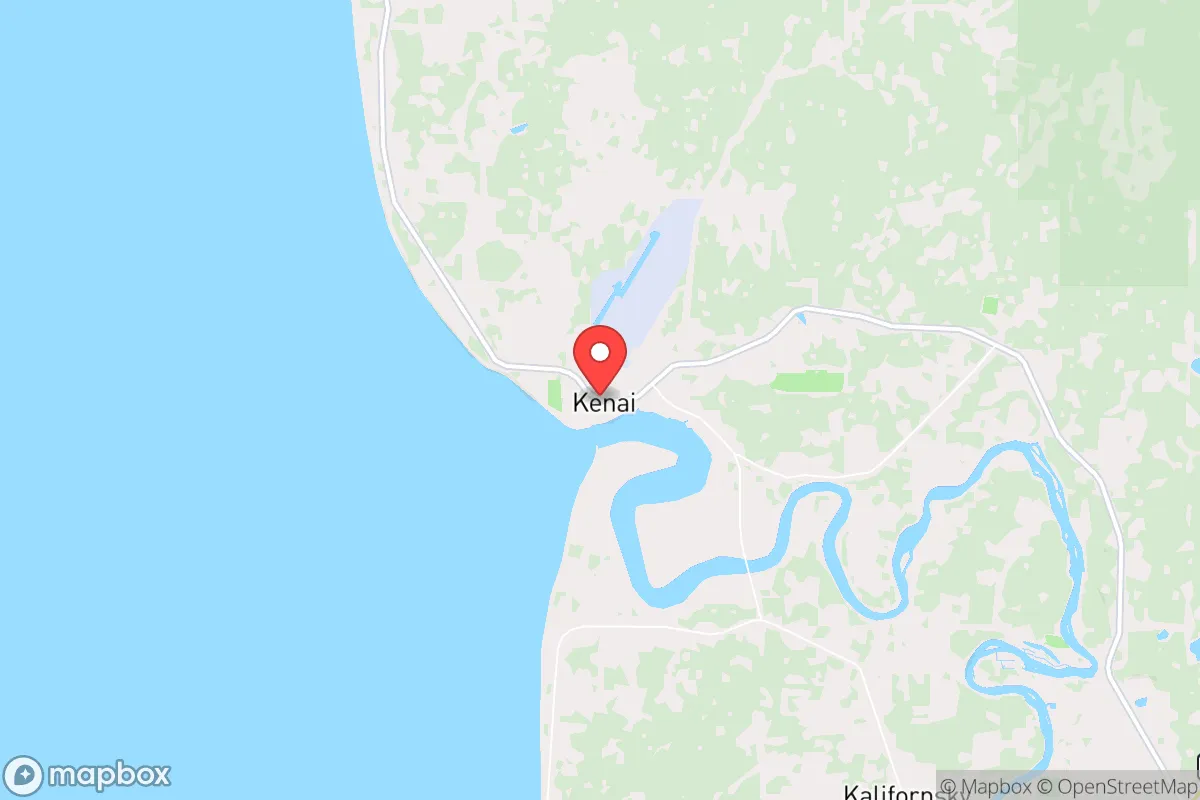
Photo: Wikipedia
Quality of Life in Kenai, AK
A high quality of life with strong walkability, manageable living costs, healthy neighborhood signals, and solid amenity access.
What does Quality of Life tell us?
Quality of Life blends cost of living, nearby amenities, socioeconomic signals, and neighborhood character. City-level scores represent the whole municipality; individual neighborhoods can differ.
What does this tell us?
Quality of Life blends cost of living, nearby amenities, socioeconomic signals, and neighborhood character. City-level scores represent the whole municipality; individual neighborhoods can differ.
Cost of Living
6% below national average
The Real Cost of Living in Kenai, AK for 2026
| Tier | Individual | Family (4) |
|---|---|---|
| Survival | $18k | $34k |
| Comfortable | $48k | $71k |
| Luxury | $116k+ | $179k+ |
| Elite (Top 5%) | $136k+ | $211k+ |
105%
The Area Signal
A metric tracking the socioeconomic signals of the area.


Hobbies
Explore the areaGroceries
4 within 10 miles
Gas
0 within 10 miles
Hospital
3 within 20 miles
Airport
Kenai Municipal Airport
Post Office
USPS — Soldotna, AK
Critical Amenities
Quality-of-Life Analysis
Kenai, Alaska, presents a distinctive quality-of-life profile that blends small-town affordability with the rugged character of the Kenai Peninsula. The area’s cost of living sits at a 94 on the COL index (100 = U.S. average), making it notably cheaper than the national norm—a rarity in Alaska—while its population skews toward outdoor-reliant workers, commercial fishermen, and remote professionals who value access to the Kenai River and Cook Inlet over urban amenities. Median household incomes hover near the state average, but the lower cost base allows residents to stretch earnings further than in Anchorage or Soldotna.
Cost of living, housing affordability, and how Kenai compares to nearby towns
Kenai’s housing market is a key draw for budget-conscious relocators. The median home value of $249,400 is roughly 30% lower than Anchorage’s median and about 15% below Soldotna’s, while median rent sits at $1,134—well under the $1,400+ typical in the state’s largest city. This affordability is driven by a mix of older single-family homes, duplexes, and limited apartment stock, with inventory often turning over faster in spring and summer. Compared to Homer (30 miles south), Kenai offers lower prices per square foot and more land per property, though Homer’s arts scene and views command a premium. The average commute of 19.5 minutes is short by national standards, reflecting the compact layout of the Kenai-Soldotnik corridor; most residents drive to work, with few public transit options. Utility costs—especially heating oil and electricity—are higher than the Lower 48, but the overall COL index remains below 100 because housing and groceries are relatively cheap.
Local amenities, schools, and what daily life is like in Kenai
Daily life in Kenai revolves around the Kenai River, the Cook Inlet shoreline, and a modest commercial core along the Spur Highway. The Kenai Peninsula Borough School District operates several elementary and middle schools in town, with Kenai Central High School and River City Academy offering standard curricula plus vocational tracks in fisheries and mechanics. For groceries and errands, residents rely on Safeway, Fred Meyer, and local markets like Kenai Food Center; specialty shopping is limited, so many drive 10 minutes to Soldotna for big-box stores or 2.5 hours to Anchorage for major purchases. Healthcare is anchored by Central Peninsula Hospital in Soldotna (8 minutes away), with urgent care and dental clinics in Kenai proper. Outdoor amenities dominate free time: the Kenai River supports world-class salmon fishing (king, sockeye, silver), while the Kenai National Wildlife Refuge and nearby state parks offer hiking, berry picking, and winter snowmobiling. Restaurants are casual—think Moosequito’s, Louie’s Steakhouse, and the Buckets sports bar—and the Kenai Visitors & Cultural Center hosts seasonal events like the Kenai River Festival. The rhythm is slower than Anchorage, with long summer daylight enabling evening fishing and short winter days pushing residents toward indoor recreation at the Kenai Recreation Center or local libraries.
Kenai is best suited for people who prioritize outdoor access, lower housing costs, and a tight-knit community over urban nightlife, career diversity, or mild winters. Commercial fishermen, remote tech workers, and retirees on fixed incomes often thrive here, as do families seeking safe neighborhoods and short commutes. Those who dislike long, dark winters, limited dining variety, or dependence on a personal vehicle for every errand may find the trade-offs challenging. For the right resident, Kenai offers a rare combination of below-average living expenses and world-class natural recreation that few other U.S. towns can match.

Crime in Kenai, AK
Lower crime rates than 78% of comparable U.S. locations.
Violent CrimeViolent Crime Analysis
Property CrimeProperty Crime Analysis
Crime Analysis
Kenai, Alaska, presents a crime landscape that is notably more dangerous than the national average, with a violent crime rate of 331 per 100,000 residents and a property crime rate of 1,095 per 100,000. While these figures place Kenai in a higher-risk category compared to many U.S. communities, the city's small size and remote location mean that crime is not uniformly distributed, and many residents report feeling safe in their immediate neighborhoods. However, the overall statistics warrant careful consideration for anyone planning a move, particularly given the influence of progressive judicial policies in Alaska's broader justice system.
Crime in context
Kenai's violent crime rate of 331 per 100,000 is roughly 10% higher than the national average of approximately 300 per 100,000, and its property crime rate of 1,095 per 100,000 is about 20% above the U.S. median. Compared to the state of Alaska, which consistently ranks among the highest in the nation for both violent and property crime, Kenai is slightly below the statewide average but still elevated. The city's crime profile is typical of many small Alaskan communities, where property offenses like theft and burglary are the most common, and violent incidents—while less frequent—are often linked to domestic disputes or alcohol-related altercations. The presence of progressive district attorneys in the Kenai Peninsula Borough, who may prioritize rehabilitation over incarceration, has been cited by local law enforcement as a factor contributing to repeat offenses and a perception of leniency.
What residents experience
For daily life in Kenai, the most tangible safety concern is property crime. Residents commonly report vehicle break-ins, theft from yards, and occasional burglaries, particularly in areas near the Kenai Spur Highway and the downtown commercial corridor. Violent crime, while statistically significant, is less likely to affect the average person going about their routine, as it often occurs within specific social circles or in the context of substance abuse. The Kenai Police Department maintains a visible presence, and community policing efforts are active, but the department's limited resources mean that response times can be slow for non-emergency calls. Alcohol and drug abuse are underlying drivers of much of the local crime, with methamphetamine and opioid use fueling property offenses and domestic violence.
Neighborhood-level variation is notable. The older, more established residential areas near the bluff overlooking the Kenai River tend to have lower crime rates, while the more transient neighborhoods closer to the commercial strip and the airport see higher incident numbers. The Kenai Peninsula Borough's progressive judicial approach, which often favors diversion programs and reduced sentences for non-violent offenders, has been criticized by some residents for contributing to a revolving-door effect that undermines public confidence in the justice system. For those considering a move, focusing on the quieter, river-adjacent neighborhoods and investing in home security measures are practical steps to mitigate risk.
* Values derived from national, state, county, city and local statistics and may differ in a specific area. Last updated: 2026-04-19T19:26:11.000Z
Narrative content on this page is AI-generated and may contain mistakes. Verify any details that matter before acting on them.
ReloMaps may earn a commission from affiliate links at no extra cost to you.

