Photo: Wikipedia
Strategic Assessment of Kenai, AK
Workable tactical position. Some exposure to population density or targets, but generally defensible in a crisis.
What does the Strategic Assessment tell us?
Our Strategic Assessment grades tactical survivability of an area. Major population centers, military targets, fallout zones, natural disasters, and border exposure all drive risk — lower exposure means a more defensible position in a crisis.
This is heavily inspired by Joel Skousen's Strategic Relocation book. Highly recommended you checkout the book ($)What does this tell us?
Our Strategic Assessment grades tactical survivability of an area. Major population centers, military targets, fallout zones, natural disasters, and border exposure all drive risk — lower exposure means a more defensible position in a crisis.
This is heavily inspired by Joel Skousen's Strategic Relocation book. Highly recommended you checkout the book ($)Strategic Pillars

Key Distances
Regional Safe Places
Below is our recommended "safe zones" in Alaska and the surrounding area based on our strategic heuristics. For most people, it's unrealistic to live in a “safe zone” full-time due to work, family or other personal reasons. They tend to be more rural. However, many of these areas are perfect for second homes and retreat properties that double as a vacation home or even a short-term rental.
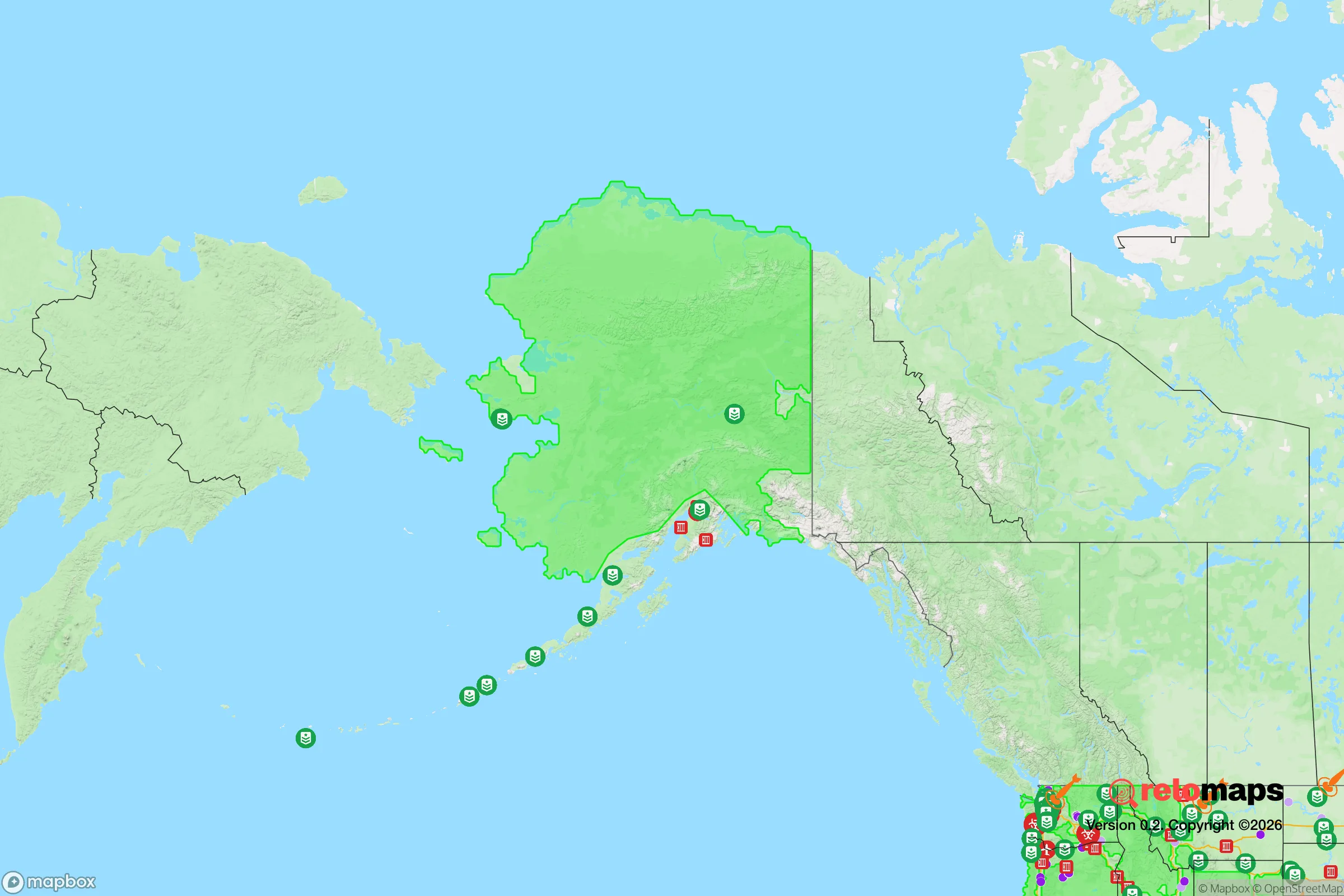
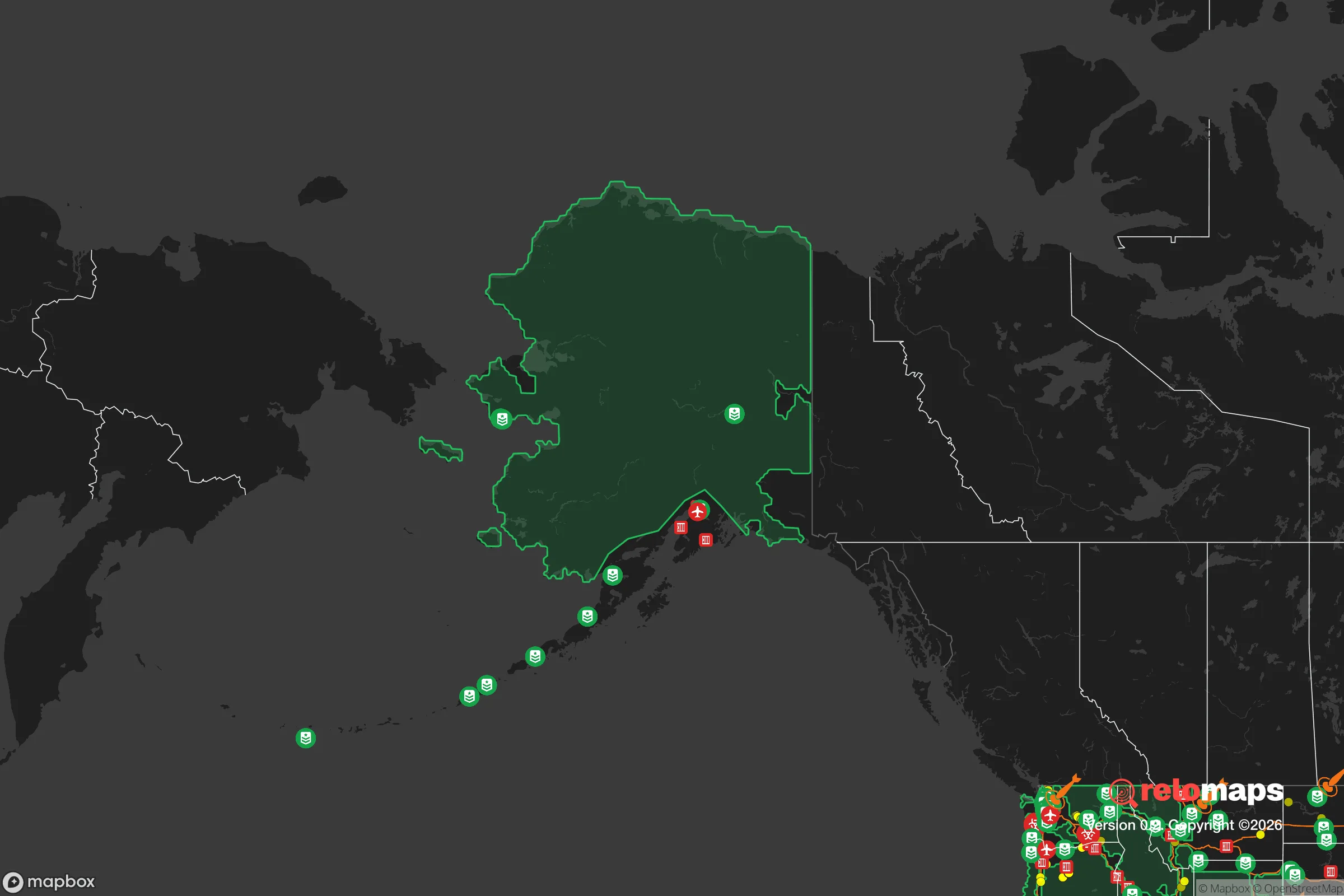


Important Note: For informational purposes only. This does not mean nothing bad ever happens in the green zones. Please use common sense. This is based on public data and modeled with AI. We tried to take a conservative approach but mistakes happen. We update this regularly as new information becomes available.
Solar Generator Recommendations
Backup power matters more here than in safer locations. We've picked three solar generators across budgets and capacity tiers — start with the budget unit if you only need a few essentials, or step up if you want to run a fridge and HVAC for days at a time.

Jackery Portable Power Station Explorer 300
Budget OptionPower on the Go: Weighing only 11 lbs, it's convenient to set up and store with book-sized foldable solar panels

BLUETTI Portable Power Station AC180
Designed for both indoor and outdoor scenarios, AC180 is highly capable as it has a robost capacity and continuous output power.

EF ECOFLOW DELTA Pro Ultra Power Station
Upgraded PickEcoFlow DELTA Pro Ultra is a whole-home energy system designed to grow with your family. Integrated with the Smart Home Panel 2, it scales to meet your evolving energy needs — keeping your home powered, intelligent, and secure through every stage of life.
We earn a commission, at no additional cost to you.
Strategic Assessment Analysis
Kenai, Alaska, presents a compelling strategic relocation option for those prioritizing resilience, self-sufficiency, and distance from the vulnerabilities of the Lower 48. Its location on the Kenai Peninsula offers a rare combination of natural resource abundance, geographic isolation from major population centers, and a climate that, while challenging, is far more manageable than Alaska’s interior. For a conservative-leaning individual or family seeking a defensible, low-profile base in an era of increasing uncertainty, Kenai provides a tangible, if demanding, path toward preparedness.
Geographic isolation and natural buffer zones: Why Kenai’s location matters for survival
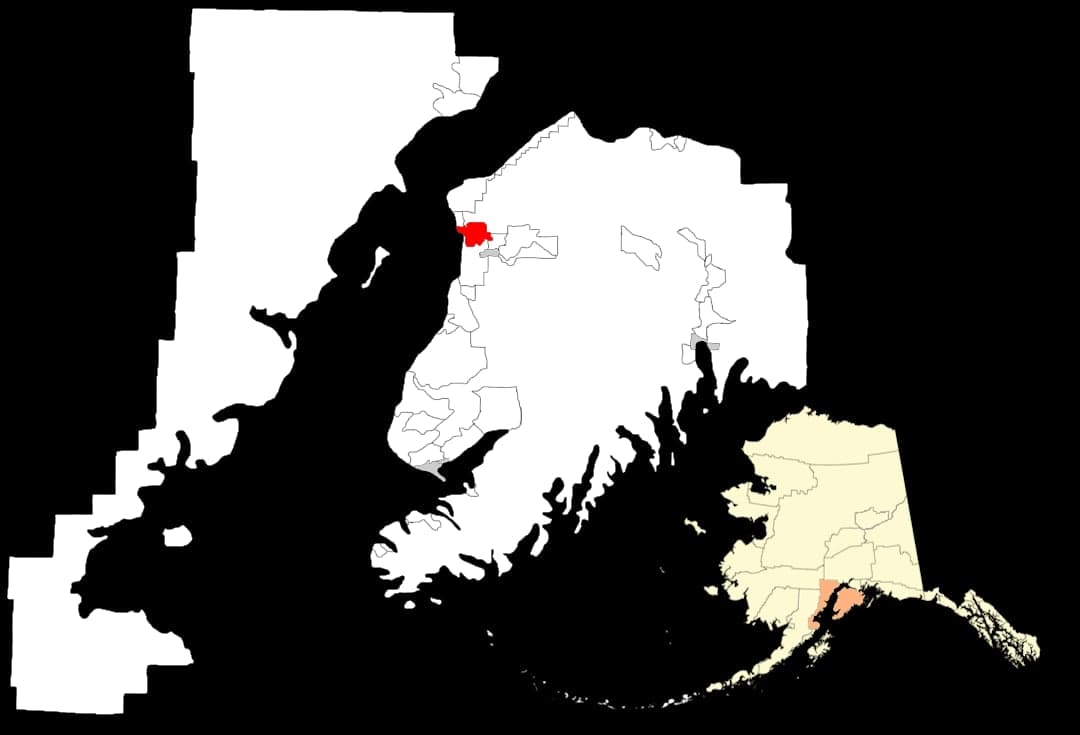
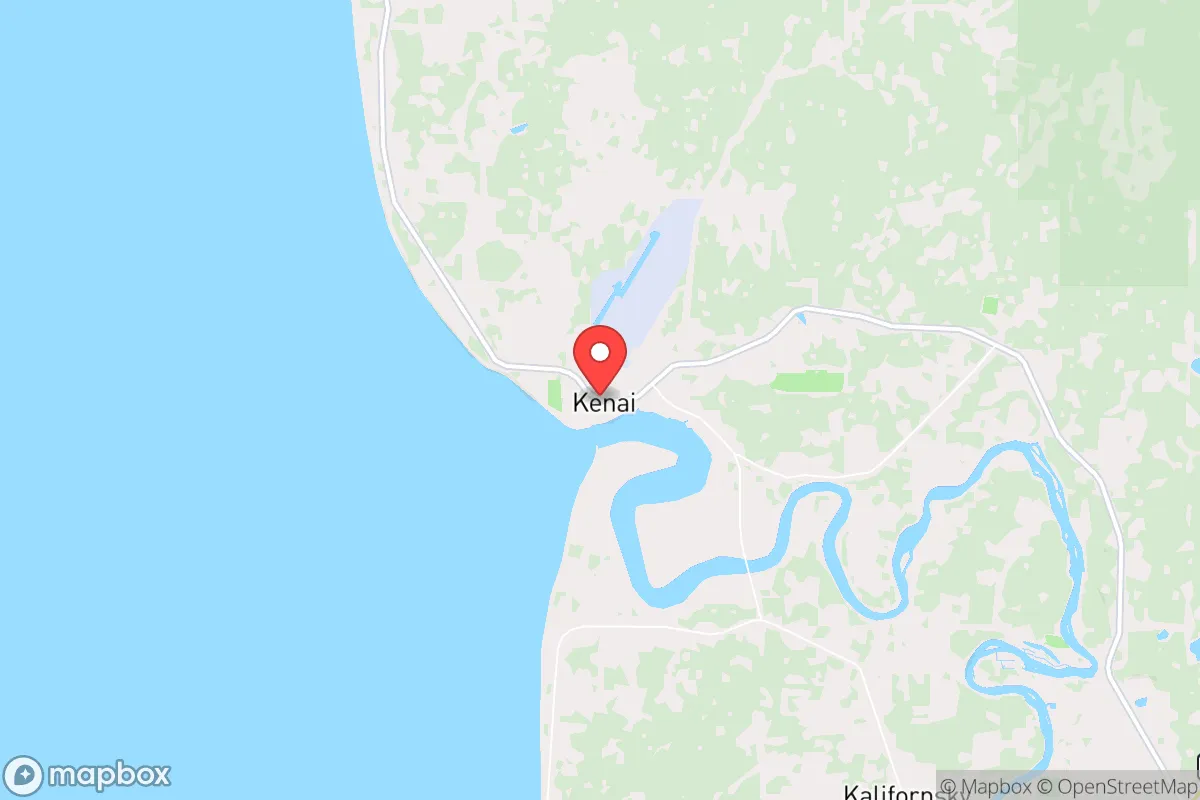
Kenai’s primary strategic advantage is its position. The city sits on the western shore of the Kenai Peninsula, roughly 160 road miles south of Anchorage via the Seward Highway and the Sterling Highway. This distance is not just a drive; it’s a deliberate buffer. Anchorage, with its population of nearly 300,000 and its status as a transportation and military hub (Joint Base Elmendorf-Richardson), represents the kind of concentrated target a prepper seeks to avoid. In a scenario involving civil unrest, supply chain collapse, or a major disaster, Anchorage would likely become a zone of chaos, resource competition, and potential fallout. Kenai’s separation by a two-lane highway that is vulnerable to landslides, earthquakes, and winter storms effectively creates a natural chokepoint. The surrounding Chugach National Forest and Kenai National Wildlife Refuge further isolate the area, providing vast, unpopulated tracts that could serve as both a buffer and a resource zone. The Cook Inlet itself offers a maritime barrier to the west, limiting approach vectors. For a relocator, this means a significantly lower probability of being caught in a cascading urban collapse, with more time to assess and react.
Risks, exposures, and proximity to fallout-relevant landmarks
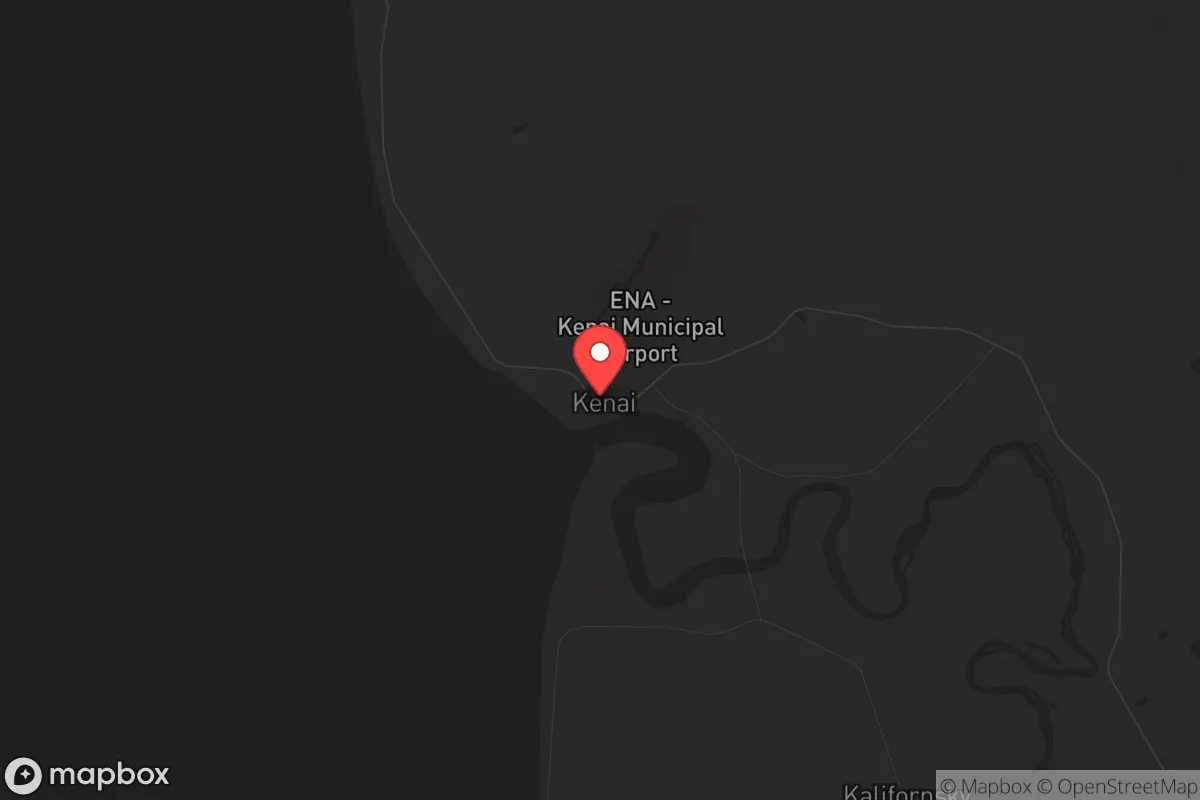
No location is without risk, and Kenai has specific exposures that must be factored into any strategic plan. The most immediate threat is seismic. The entire Cook Inlet region sits in a high-activity earthquake zone. The 1964 Good Friday earthquake, the most powerful ever recorded in North America, devastated parts of the Kenai Peninsula. A major quake today would likely damage the Sterling Highway, disrupt the port, and potentially trigger a tsunami in low-lying coastal areas. Kenai’s bluff-top neighborhoods are generally safer than the low-lying areas of Soldotna or Nikiski, but the risk is real. Volcanic activity from Mount Redoubt and Mount Spurr, both across the inlet, can deposit ash that disrupts air travel, contaminates water supplies, and damages engines and electronics. Ashfall is a recurring, manageable hazard, but it requires stockpiling filters and masks. Regarding fallout from a broader conflict, Kenai’s distance from major military installations is a net positive. The closest strategic targets are the aforementioned Anchorage military bases and the Port of Anchorage. The Kenai Peninsula is not a primary target, but prevailing winds from the north or west could carry fallout from a detonation in Anchorage or from a naval engagement in the Gulf of Alaska. A prepper should plan for a minimum of two weeks of sealed shelter supplies and a reliable air filtration system. The Kenai Municipal Airport and the small port are minor assets, but they are not likely to be primary targets in a major conflict.
Practical resilience for a relocator: Food, water, energy, and defensibility
This is where Kenai truly shines. The area offers a level of practical self-sufficiency that is rare in the Lower 48. Food security is exceptional. The Kenai River and Cook Inlet provide world-class salmon runs (king, sockeye, silver, pink) and halibut. A motivated individual with a fishing license and a freezer can put up hundreds of pounds of protein annually. Moose and caribou hunting are accessible, with the Kenai National Wildlife Refuge and state lands offering reasonable draw and registration permit opportunities. Berry picking (blueberries, cranberries, salmonberries) is prolific. The growing season is short (roughly 90 days), but with a greenhouse and cold frames, a family can produce significant vegetables. Local farmers markets and the Kenai Food Bank provide supplementary options, but the core strategy should be wild harvest and preservation. Water is abundant. The Kenai River and numerous lakes provide fresh water, but treatment is mandatory. Boiling, filtration (Berkey-type systems), and UV treatment are all viable. Well water is common in outlying areas, but testing for natural contaminants like arsenic is essential. Energy is a mixed bag. The Kenai Peninsula is served by Homer Electric Association, which draws power from natural gas and hydroelectric sources. Grid reliability is moderate, with outages common during winter storms. A backup generator with a substantial fuel supply (gasoline or propane) is non-negotiable. Wood heat is a viable secondary option, with firewood permits available from the state and federal lands. Solar is marginal due to low winter sun angles and cloud cover, but a small off-grid solar array can support critical loads in summer. Defensibility is inherent. The low population density (Kenai’s population is around 7,500, with the entire borough under 60,000) means fewer people to compete with for resources. The terrain—a mix of boreal forest, river bluffs, and coastline—offers natural concealment and multiple escape routes. A property with a long driveway, a well, and a woodlot provides a defensible perimeter. The local culture is independent and armed; gun ownership is the norm, not the exception. This creates a community-level deterrent against opportunistic threats, but it also means a relocator should integrate respectfully, not as an outsider. The Kenai Police Department and Alaska State Troopers are professional but thinly stretched; in a crisis, you are your own first responder.
The overall strategic picture for Kenai is one of high reward paired with high commitment. It is not a bug-out location for a weekend; it is a permanent lifestyle shift that demands physical capability, mechanical skill, and a tolerance for isolation and cold. For the conservative prepper who values self-reliance, resource abundance, and distance from the fragility of urban systems, Kenai offers a genuine sanctuary. The risks—earthquakes, volcanic ash, a harsh winter—are manageable with preparation. The rewards—clean water, wild protein, a like-minded community, and a buffer from the chaos of the Lower 48—are substantial. If you are willing to trade convenience for security and comfort for capability, Kenai is a strong candidate for a long-term strategic relocation.

* Values derived from national, state, county, city and local statistics and may differ in a specific area. Last updated: 2026-04-19T19:26:11.000Z
Narrative content on this page is AI-generated and may contain mistakes. Verify any details that matter before acting on them.
ReloMaps may earn a commission from affiliate links at no extra cost to you.

