
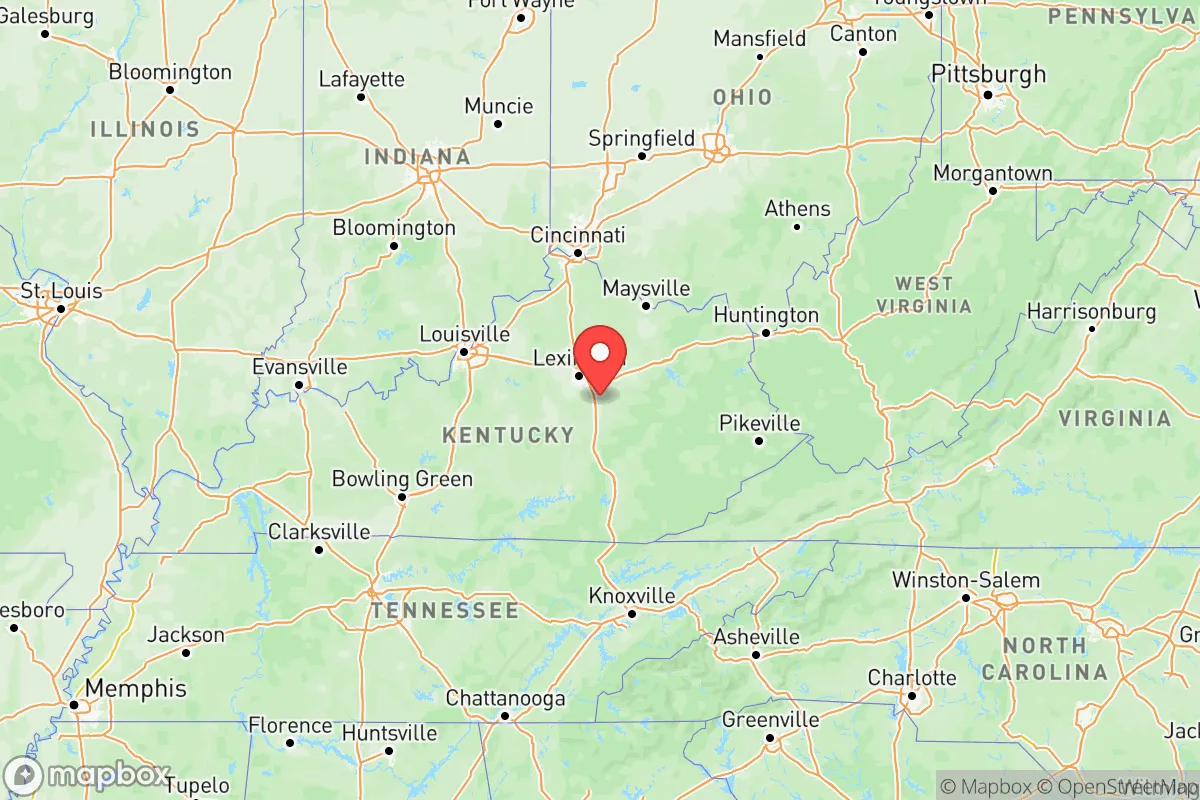
Photo: Wikipedia
Strategic Assessment of Kentucky
Meaningful friction. Expect exposure to either population pressure, blast zones, or natural disaster risk. Consider buying a retreat property.
What does the Strategic Assessment tell us?
Our Strategic Assessment grades tactical survivability of an area. Major population centers, military targets, fallout zones, natural disasters, and border exposure all drive risk — lower exposure means a more defensible position in a crisis.
This is heavily inspired by Joel Skousen's Strategic Relocation book. Highly recommended you checkout the book ($)What does this tell us?
Our Strategic Assessment grades tactical survivability of an area. Major population centers, military targets, fallout zones, natural disasters, and border exposure all drive risk — lower exposure means a more defensible position in a crisis.
This is heavily inspired by Joel Skousen's Strategic Relocation book. Highly recommended you checkout the book ($)Regional Safe Places
Below is our recommended "safe zones" in Kentucky and the surrounding area based on our strategic heuristics. For most people, it's unrealistic to live in a “safe zone” full-time due to work, family or other personal reasons. They tend to be more rural. However, many of these areas are perfect for second homes and retreat properties that double as a vacation home or even a short-term rental.
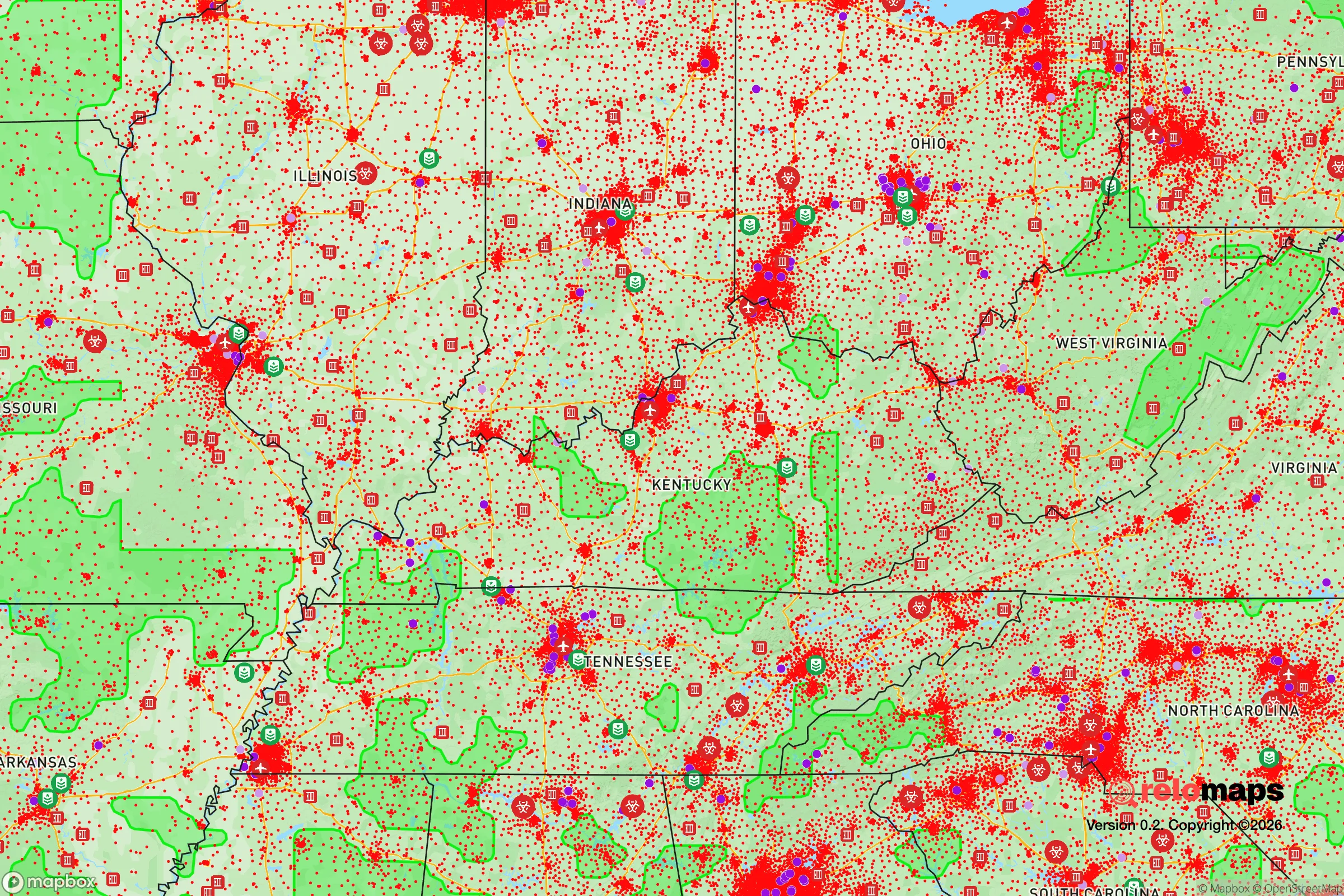
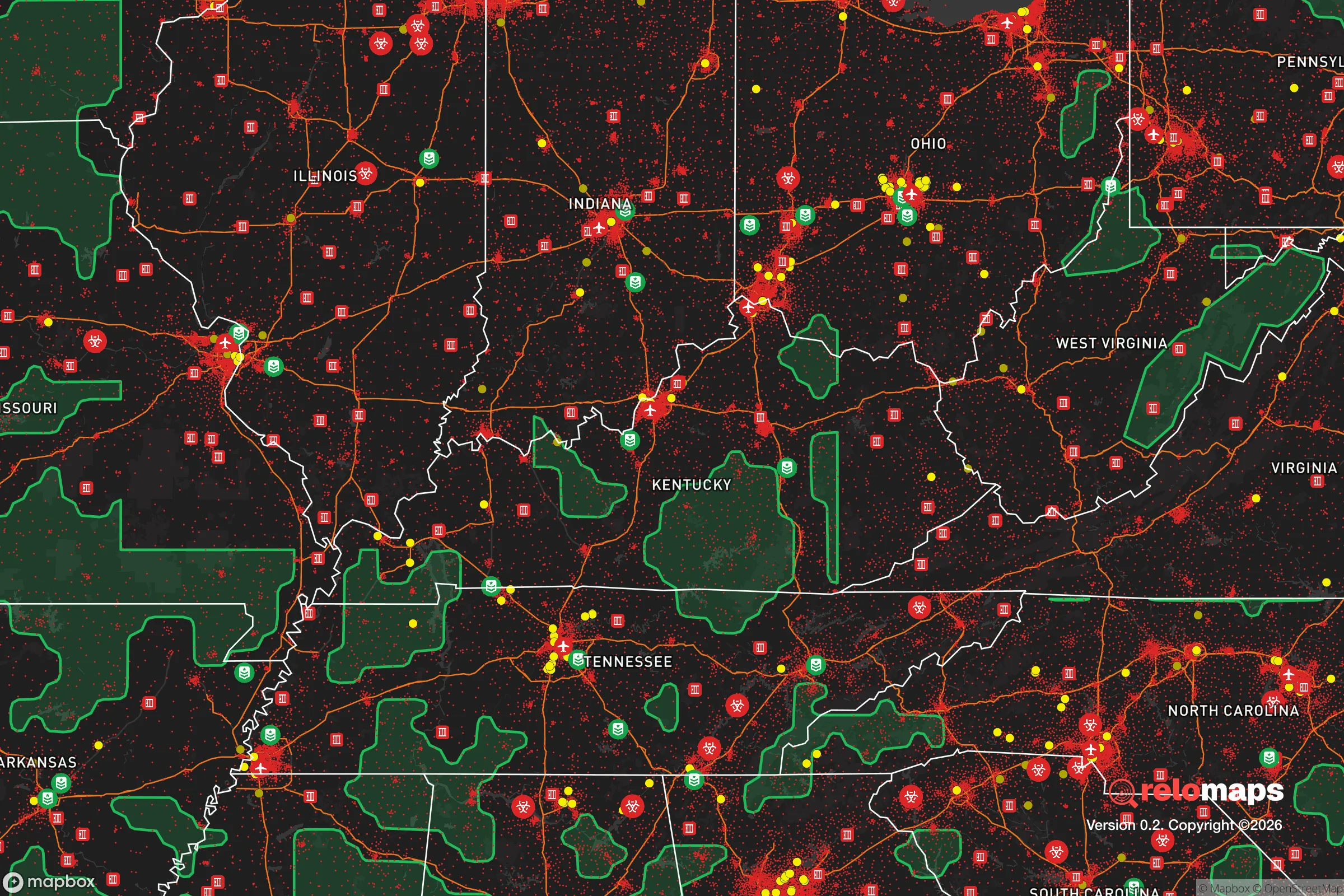


Important Note: For informational purposes only. This does not mean nothing bad ever happens in the green zones. Please use common sense. This is based on public data and modeled with AI. We tried to take a conservative approach but mistakes happen. We update this regularly as new information becomes available.
Solar Generator Recommendations
Backup power matters more here than in safer locations. We've picked three solar generators across budgets and capacity tiers — start with the budget unit if you only need a few essentials, or step up if you want to run a fridge and HVAC for days at a time.

Jackery Portable Power Station Explorer 300
Budget OptionPower on the Go: Weighing only 11 lbs, it's convenient to set up and store with book-sized foldable solar panels

BLUETTI Portable Power Station AC180
Designed for both indoor and outdoor scenarios, AC180 is highly capable as it has a robost capacity and continuous output power.

EF ECOFLOW DELTA Pro Ultra Power Station
Upgraded PickEcoFlow DELTA Pro Ultra is a whole-home energy system designed to grow with your family. Integrated with the Smart Home Panel 2, it scales to meet your evolving energy needs — keeping your home powered, intelligent, and secure through every stage of life.
We earn a commission, at no additional cost to you.
Strategic Assessment Analysis
Kentucky offers a compelling mix of geographic insulation and practical self-sufficiency that makes it a serious contender for anyone thinking long-term about resilience. The state sits far enough from the coasts to avoid direct hurricane storm surge and tsunami risks, yet it’s within a day’s drive of the Eastern Seaboard and the Midwest’s industrial core. For a conservative-leaning relocator—whether a single professional or a parent—Kentucky’s combination of affordable land, abundant fresh water, and a culture of personal preparedness provides a strategic buffer against the kind of civic and economic shocks that increasingly feel like a matter of when, not if.
Geographic position and natural advantages for long-term security
Kentucky’s location is its first line of defense. The state is bordered by the Ohio River to the north and the Appalachian Mountains to the east, creating natural chokepoints that slow movement and limit exposure to coastal chaos. The Bluegrass Region around Lexington and the rolling hills of the Daniel Boone National Forest offer terrain that’s difficult to traverse quickly—a real asset if you’re worried about mass evacuation routes or civil unrest spilling outward from major cities. The state’s interior is also far from the nation’s most obvious fallout magnets: no major oil refineries, no nuclear power plants within 100 miles of most rural counties, and no major ports that would be primary targets in a conflict. The Fort Knox military installation near Louisville is a notable exception—it’s a strategic asset for gold reserves and armored forces, but its presence also means that area could see heightened security or secondary targeting. For most of the state, however, you’re looking at a low-probability zone for direct kinetic or radiological events.
Risks, exposures, and proximity to fallout-relevant landmarks
No place is risk-free, and Kentucky has its own set of vulnerabilities. The Ohio River Valley is home to several chemical plants and aging industrial facilities, particularly around Louisville and Ashland. A major industrial accident or a deliberate strike on the Big Rivers Electric Corporation coal plants could create localized contamination or power disruptions. The Paducah Gaseous Diffusion Plant in western Kentucky is a former uranium enrichment site—still undergoing cleanup—and while it’s not an active reactor, its stored waste represents a long-term environmental hazard. For the prepper, proximity to these sites is a negative; you’d want to be at least 50 miles downwind of Paducah or the Ohio River chemical corridor. The state’s Interstate 65 and I-75 corridors are also evacuation routes from the Midwest and South, meaning that during a mass casualty event or civil unrest, these highways could become clogged with refugees. Rural counties like Elliott or Owsley—far from interstates and major cities—offer a much better buffer. The biggest natural risk is the New Madrid Seismic Zone, which runs through western Kentucky; a major earthquake there could disrupt the Ohio River locks and dams, affecting barge traffic and water supply for weeks. That’s a low-probability, high-consequence event worth factoring into your planning.
Practical resilience for a relocator: food, water, energy, and defensibility
Kentucky shines when you get down to the nuts and bolts of daily survival. The state has one of the highest percentages of private well water in the country—over 30% of households draw from groundwater, meaning you’re not dependent on a municipal system that could fail during a grid-down scenario. The Kentucky River and Green River watersheds provide reliable surface water for those who know how to treat it. For food, the state’s agricultural base is strong: Bourbon County and Shelby County are top producers of corn, soybeans, and livestock, and the Kentucky Proud network means local food distribution is already embedded in the culture. You can buy a 10-acre parcel with a spring-fed pond and a garden plot for under $50,000 in many eastern counties—something that’s increasingly rare in the rest of the country. Energy resilience is also solid: Kentucky is a net electricity exporter, with a mix of coal, natural gas, and hydro from the Tennessee Valley Authority system. For off-grid setups, the state’s moderate sun exposure (about 4.5 peak sun hours per day) supports solar panels, and the abundant hardwood forests provide fuel for wood stoves. Defensibility is where Kentucky’s terrain really pays off. The Appalachian foothills in the east offer steep ridges and narrow valleys that make approach routes predictable and easy to monitor. A property with a good line of sight on the only road in or out—common in places like Letcher County or Pike County—gives you a tactical advantage that flatland states simply can’t match. The local gun culture is strong, with constitutional carry in place since 2019, and the state’s Castle Doctrine laws are among the most protective in the nation. That’s not just a legal detail; it’s a signal that the community expects you to handle your own security.
Overall, Kentucky presents a balanced strategic picture for the conservative relocator who wants to be prepared without living in a bunker. The state’s biggest strengths are its low population density outside the Louisville-Lexington corridor, its abundant natural resources, and its cultural alignment with self-reliance. The main trade-offs are the industrial risks along the Ohio River and the seismic threat in the west—both manageable with smart site selection. If you’re looking for a place where you can buy land cheap, dig a well, grow food, and keep your family safe from the chaos that’s creeping into the rest of the country, Kentucky deserves a hard look. Just stay east of I-65, avoid the river towns, and you’ll be in one of the most defensible positions east of the Mississippi.

Top 10 Cities by Strategic Assessment in Kentucky
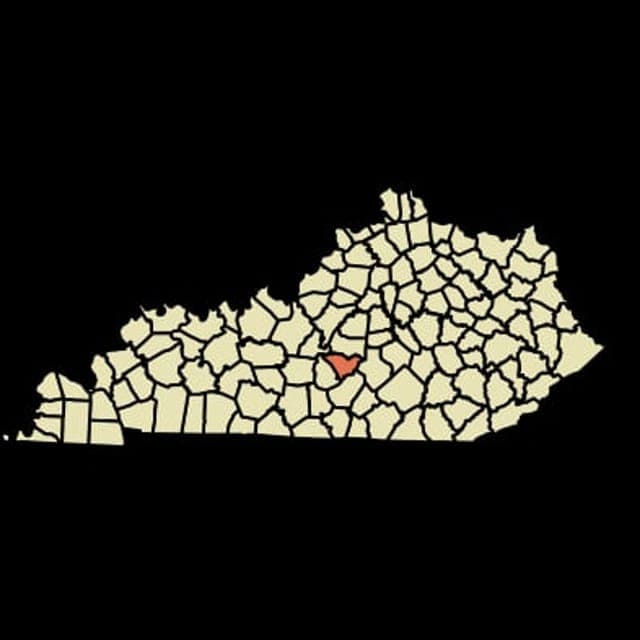

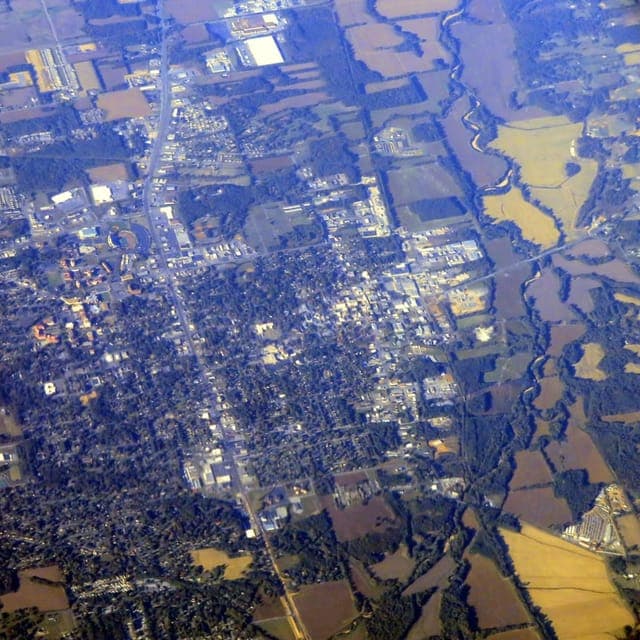
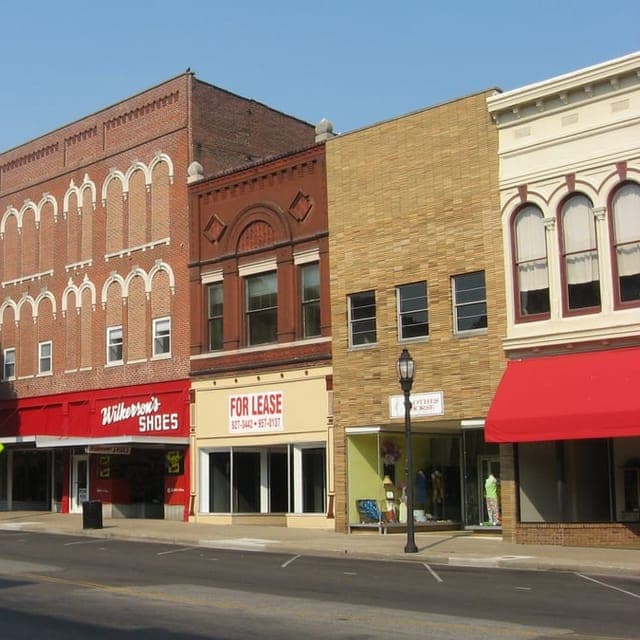

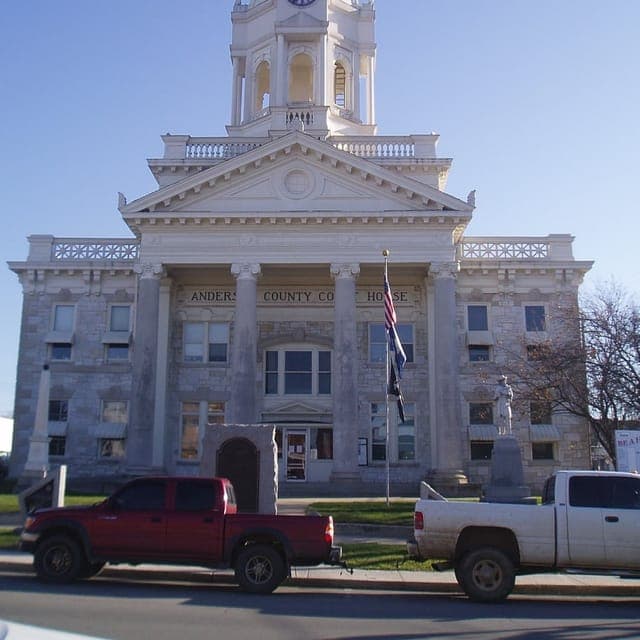




* Values derived from national, state, county, city and local statistics and may differ in a specific area. Last updated: 2026-04-18T22:38:41.000Z
Narrative content on this page is AI-generated and may contain mistakes. Verify any details that matter before acting on them.
ReloMaps may earn a commission from affiliate links at no extra cost to you.

