
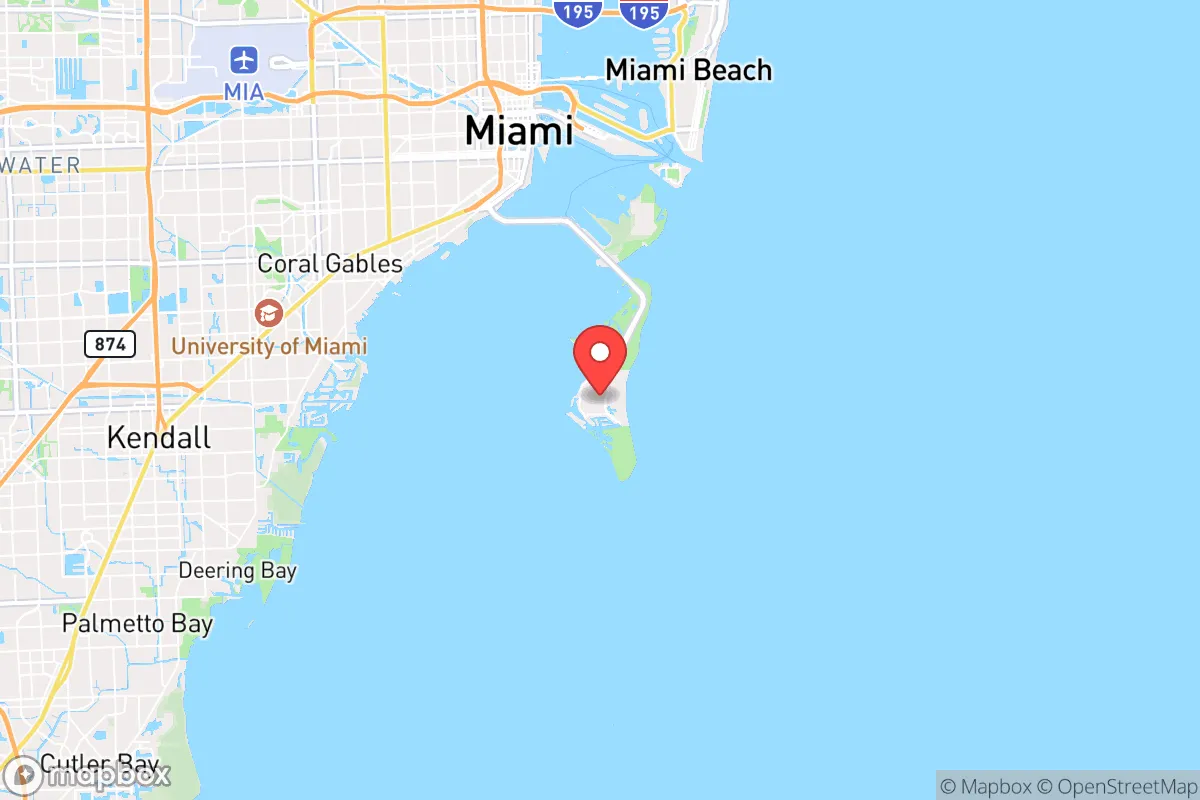
Photo: Wikipedia
Quality of Life in Key Biscayne, FL
A high quality of life with strong walkability, manageable living costs, healthy neighborhood signals, and solid amenity access.
What does Quality of Life tell us?
Quality of Life blends cost of living, nearby amenities, socioeconomic signals, and neighborhood character. City-level scores represent the whole municipality; individual neighborhoods can differ.
What does this tell us?
Quality of Life blends cost of living, nearby amenities, socioeconomic signals, and neighborhood character. City-level scores represent the whole municipality; individual neighborhoods can differ.
Cost of Living
256% above national average
The Real Cost of Living in Key Biscayne, FL for 2026
| Tier | Individual | Family (4) |
|---|---|---|
| Survival | $56k | $105k |
| Comfortable | $241k | $354k |
| Luxury | $312k+ | $483k+ |
| Elite (Top 5%) | $488k+ | $756k+ |
49%
The Area Signal
A metric tracking the socioeconomic signals of the area.
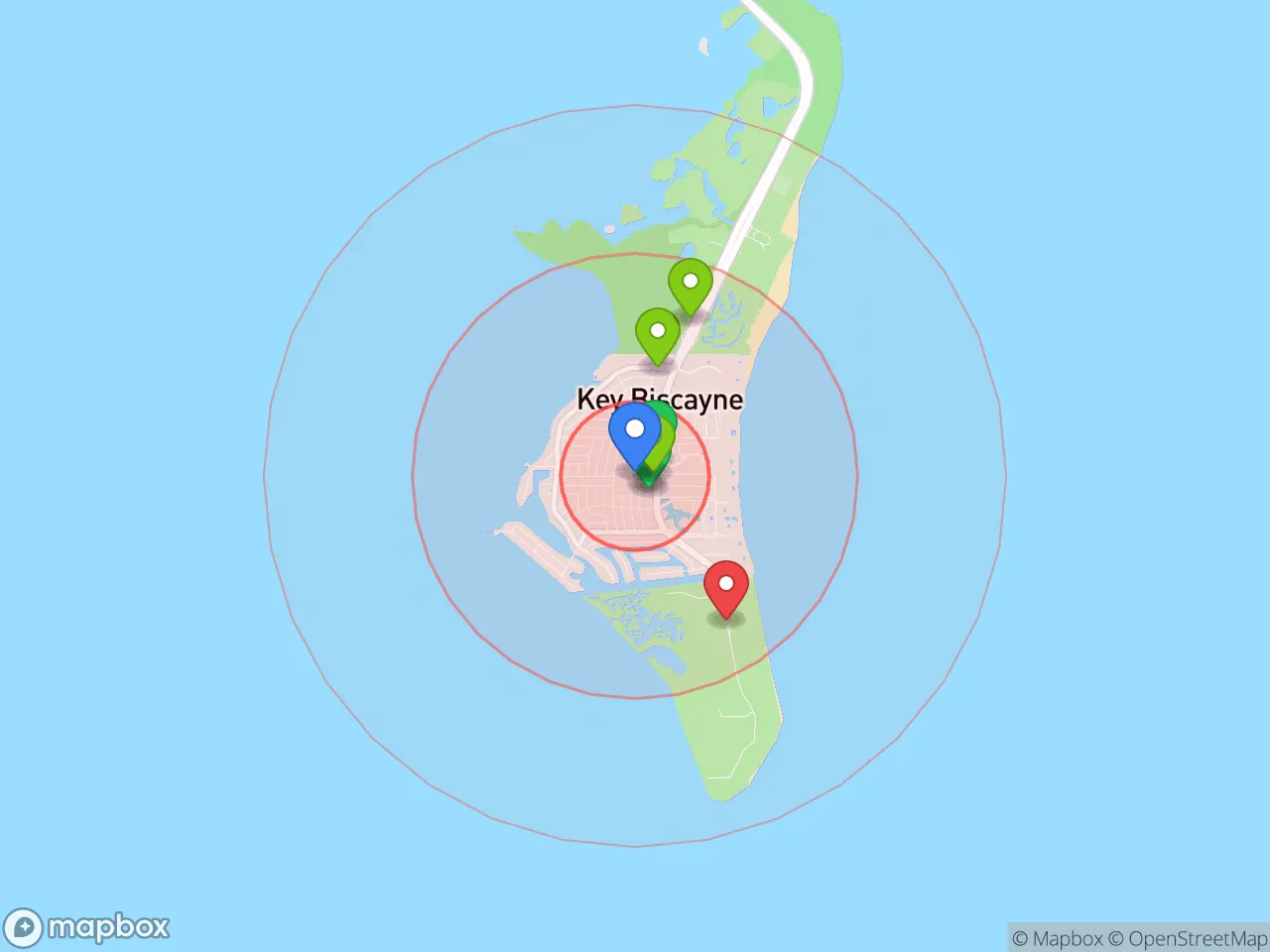
Hobbies
Explore the areaGroceries
6 within 10 miles
Gas
20 within 10 miles
Hospital
20 within 20 miles
Airport
MIA — Miami International
Post Office
USPS — Key Biscayne, FL
Critical Amenities
Quality-of-Life Analysis
Key Biscayne is an affluent island village in Miami-Dade County, home to roughly 14,000 residents who prioritize privacy, oceanfront living, and a tight-knit community atmosphere over the nonstop energy of mainland Miami. The population skews toward wealthy families, retirees, and professionals in finance, law, and international business, drawn by the village’s low crime rates, top-tier public schools, and direct access to beaches and parks. With a cost of living index of 356—more than three and a half times the U.S. average—Key Biscayne stands as one of the most expensive zip codes in Florida, a reality that shapes nearly every aspect of daily life here.
Cost of living, housing prices, and affordability compared to Coral Gables and Brickell
The median home value on Key Biscayne is $1,238,700, roughly double the median in nearby Coral Gables ($620,000) and nearly triple the Miami metro average ($480,000). Renters face a median monthly rent of $3,501, compared to about $2,400 in Brickell and $2,100 in Kendall. The cost of living index of 356 reflects not only housing but also elevated prices for groceries, utilities, and services—groceries alone run about 40% above the national average. While the island’s exclusivity and oceanfront inventory drive these numbers, the trade-off is a commute that averages 23.8 minutes, significantly shorter than the Miami-Dade average of 31 minutes, thanks to the single road (Crandon Boulevard) connecting the island to the mainland. For buyers, property taxes in unincorporated Miami-Dade hover around 1.8% of assessed value, but Key Biscayne residents also pay a village tax that adds roughly 0.3%—still lower than the combined tax burden in Coral Gables or Pinecrest.
What daily life is like for families: schools, parks, and local amenities
Key Biscayne’s daily rhythm revolves around outdoor recreation and community institutions. The village is served by Key Biscayne K-8 Center, a public school rated A by the Florida Department of Education, and nearby MAST Academy (a top-ranked magnet high school on Virginia Key). For younger children, the Key Biscayne Community Center offers after-school programs, summer camps, and a full gym. The island’s crown jewel is Crandon Park, a 808-acre county park with a two-mile beach, nature trails, tennis courts, and a golf course. Residents also use the Bill Baggs Cape Florida State Park at the island’s southern tip for kayaking, fishing, and lighthouse tours. Dining is limited to a handful of upscale spots (e.g., Rusty Pelican, La Boulangerie Boul’Mich) and casual cafes along Crandon Boulevard; there is no nightclub scene, and most entertainment requires a 15-minute drive to Brickell or Coconut Grove. Grocery shopping is done at the island’s only Publix, which carries premium goods at higher prices than mainland locations.
This environment suits families who value safety, school quality, and beach access over urban convenience or nightlife. Retirees and remote workers with high disposable income also thrive here, as the island’s quiet streets and low crime rate (violent crime is roughly 80% below the national average) provide a secure, resort-like setting. However, anyone on a typical middle-class income—even a dual-earner household making $150,000—will find the cost of living prohibitive without significant housing subsidies or inherited property. For those who can afford it, Key Biscayne offers a rare combination of island seclusion, top-tier public education, and proximity to Miami’s job centers that is unmatched in South Florida.

Crime in Key Biscayne, FL
Lower crime rates than 98% of comparable U.S. locations.
Violent CrimeViolent Crime Analysis
Property CrimeProperty Crime Analysis
Crime Analysis
Key Biscayne is one of the safest municipalities in Florida, with a violent crime rate of just 6.6 incidents per 100,000 residents and a property crime rate of 388 per 100,000. These figures place the island village far below both state and national averages, making it a standout for safety-conscious homebuyers and families. However, the broader Miami-Dade County context—including a large metro area with progressive prosecutors and a justice system often criticized for leniency—means residents must remain vigilant about regional crime spillover and policy-driven recidivism.
Crime in context
Key Biscayne’s violent crime rate is roughly 95% lower than the national average of 380 per 100,000 and significantly below Florida’s state rate of 380 per 100,000. Property crime on the island (388 per 100,000) is also well under the national benchmark of 1,954 per 100,000. These numbers reflect the village’s affluent, gated character and robust private security presence. Yet the surrounding Miami-Dade metro area—home to progressive district attorneys and judges who prioritize diversion and reduced sentencing—has seen property crime rates climb 12% since 2020, with auto theft and burglary rings frequently targeting wealthier enclaves. Key Biscayne’s low crime numbers are a local exception, not a regional rule.
What residents experience
Daily life on Key Biscayne feels insulated from the crime issues plaguing mainland Miami. The village maintains its own police department with a high officer-to-resident ratio, and neighborhood watch programs are active. Violent crime is virtually nonexistent—the 6.6 per 100K figure translates to fewer than 2 reported violent incidents annually. Property crime, while higher, typically involves unlocked vehicles or package theft rather than home invasions. However, the progressive justice policies in Miami-Dade County—including cash bail reform and early release programs—mean that repeat offenders arrested on the island are often back on the street within hours. This creates a revolving-door dynamic that frustrates local law enforcement and residents alike. For families, the trade-off is clear: the village itself is safe, but the broader legal environment undermines long-term deterrence.
Neighborhood-level variation
Safety on Key Biscayne is remarkably uniform due to its small geography and single ZIP code (33149). The most secure areas are the oceanfront condominium complexes and gated communities along Crandon Boulevard, which have 24/7 security and controlled access. The village’s commercial core near Key Biscayne Beach and the shopping plaza sees slightly higher petty crime, such as bicycle theft and shoplifting. The only notable risk factor is proximity to the Rickenbacker Causeway, the sole road connecting the island to mainland Miami—criminals using the causeway for quick getaways have been known to target the village’s perimeter. Overall, no neighborhood on Key Biscayne deviates significantly from the island’s ultra-low crime baseline, but the progressive judicial climate in Miami-Dade means that even this safe haven is not immune to regional crime trends.
* Values derived from national, state, county, city and local statistics and may differ in a specific area. Last updated: 2026-04-27T14:35:59.000Z
Narrative content on this page is AI-generated and may contain mistakes. Verify any details that matter before acting on them.
ReloMaps may earn a commission from affiliate links at no extra cost to you.

